The Ultimate Checklist for Energy-Efficient Home Heating

Winter cold forces home heating systems to work much harder. Preparing your living space protects your budget and keeps rooms warm.
A smart strategy cuts down waste and keeps your family cozy. You can achieve great comfort with a few simple changes. From sealing air leaks and improving insulation to maintaining your heating equipment and using programmable thermostats, there are many practical steps homeowners can take to maximize warmth without wasting energy.
Let us look at how you can transform your property.
Identifying Unseen Drafts Around the House
Cold air slips through small openings around your windows and doors. You can track these leaks by moving a lit incense stick near the frames. Smoke shifts when it catches an active current.
Sealing these gaps blocks cold breezes from entering your rooms. You can use standard caulk or weatherstripping tape for this task. It keeps your warm air inside where your family needs it.
Check every door for worn bottom seals. Replacing old sweeps prevents freezing air from sliding across your floor. This simple fix makes a noticeable difference in room temperature.
Upgrading Your Temperature Management Tools
Old thermostats often misread actual room temperatures. Installing a programmable unit gives you precise control over your daily energy consumption. You can adjust settings based on your routine.
Lowering the temperature when everyone leaves for work cuts down waste. The furnace rests when the house stands empty. It starts up again right before you arrive home.
Smart options let you control settings from a mobile application. You can monitor fuel use from any location. This upgrade keeps your bills predictable during harsh winter spells.
Improving Attic Insulation Layers
Heat naturally rises toward the top of your house. An unprotected roof space allows warm air to escape into the sky. Adding thick fiberglass insulation stops this heat loss immediately.
Look at the depth of your current attic insulation material. You need a deep layer to block winter drafts completely. Proper coverage means your furnace runs less often during freezing nights.
Check for gaps around attic access doors and pipes. Sealing these spots keeps heat inside your living zones. Your house stays warmer without using extra fuel.
Managing Crawl Space Air Barriers
Cold floors mean problems exist underneath your main living spaces. Hiring a certified crawl space encapsulation company fixes these drafts permanently. This smart upgrade blocks freezing air from rising through floorboards.
Unprotected spaces beneath floors let winter weather chill your home. Sealing this zone creates a strong barrier against the elements. Your feet stay warm when you walk across hard surfaces.
This process stops cold air from taxing your primary heating system. Warm air stays inside your rooms instead of sinking downward. Your entire property benefits from this single structural improvement.
Thick plastic sheeting covers the ground completely during this process. It seals out the elements from the foundation up. Your floors feel much warmer immediately after installation.
Reviewing Financial Rewards for Upgrades
Qualified energy-efficient improvements done after the start of 2023 may qualify for a tax credit. This federal program helps offset your upfront renovation bills. It makes major upgrades much more affordable for average households.
Save all receipts from your heating and insulation projects. You will need these documents when filing your annual taxes. Certified contractors can help you choose qualifying materials.
Taking advantage of these programs lowers your net project expenses. You improve comfort while securing a helpful financial return. Planning your upgrades around these incentives makes perfect sense.
Minimizing Structural Energy Waste
By creating a sealed and controlled environment under your home, energy-efficient crawl space encapsulation reduces energy waste and improves overall home performance. This strategy changes how your house interacts with seasonal weather. It prevents cold ground temperatures from cooling your floors.
A protected lower zone acts like a warm blanket for the foundation. Your furnace does not have to fight constant freezing drafts. Your utility bills become much more manageable.
Less wear on equipment means fewer emergency repair visits. Your heating units last longer when they operate under stable conditions. This choice protects your property investment for years.
Buildings perform better when every zone is protected. Controlling the air beneath your feet stops heat from escaping. It is a smart step toward a sustainable home.
Solving Floor Chill Challenges
By insulating your crawl space, you’ll save on your energy bill, make the floor feel warmer, and live more comfortably. Chilly floors force people to wear thick socks indoors. Fixing this area makes every room feel cozy.
Insulation stops the constant migration of cold air upward. Your living room maintains its warmth without extra effort from the furnace. Family members can enjoy sitting anywhere in the house.
Warmer surfaces improve the entire indoor living experience. You notice the difference the moment your feet touch the ground. Your home feels like a true shelter from winter.
Cold floors drain heat from your body quickly. Adding insulation keeps the surface close to room temperature. It makes your home much more inviting during cold weather.
Analyzing Long-Term Financial Value
Sealing and insulating a crawl space can cut energy bills by up to 20%, making this home improvement an investment in comfort and a financially savvy decision. These savings accumulate month after month during high heating seasons. The upfront expenses pay for themselves over time.
Lower utility costs free up money for other household needs. Your home becomes more attractive to potential buyers later. People love purchasing properties with low operating costs.
Reducing waste protects your household budget against rising fuel prices. High efficiency means you get more value from every dollar spent. This upgrade delivers continuous returns year after year.
Energy costs fluctuate constantly throughout the seasons. Having a well-protected home shields you from sudden price hikes. It gives you long-term peace of mind.
Look at home improvements as investments in your financial future. Slashing your energy bills expands your monthly disposable income. It is a great choice for smart homeowners.
Tackling Air Infiltration Triggers
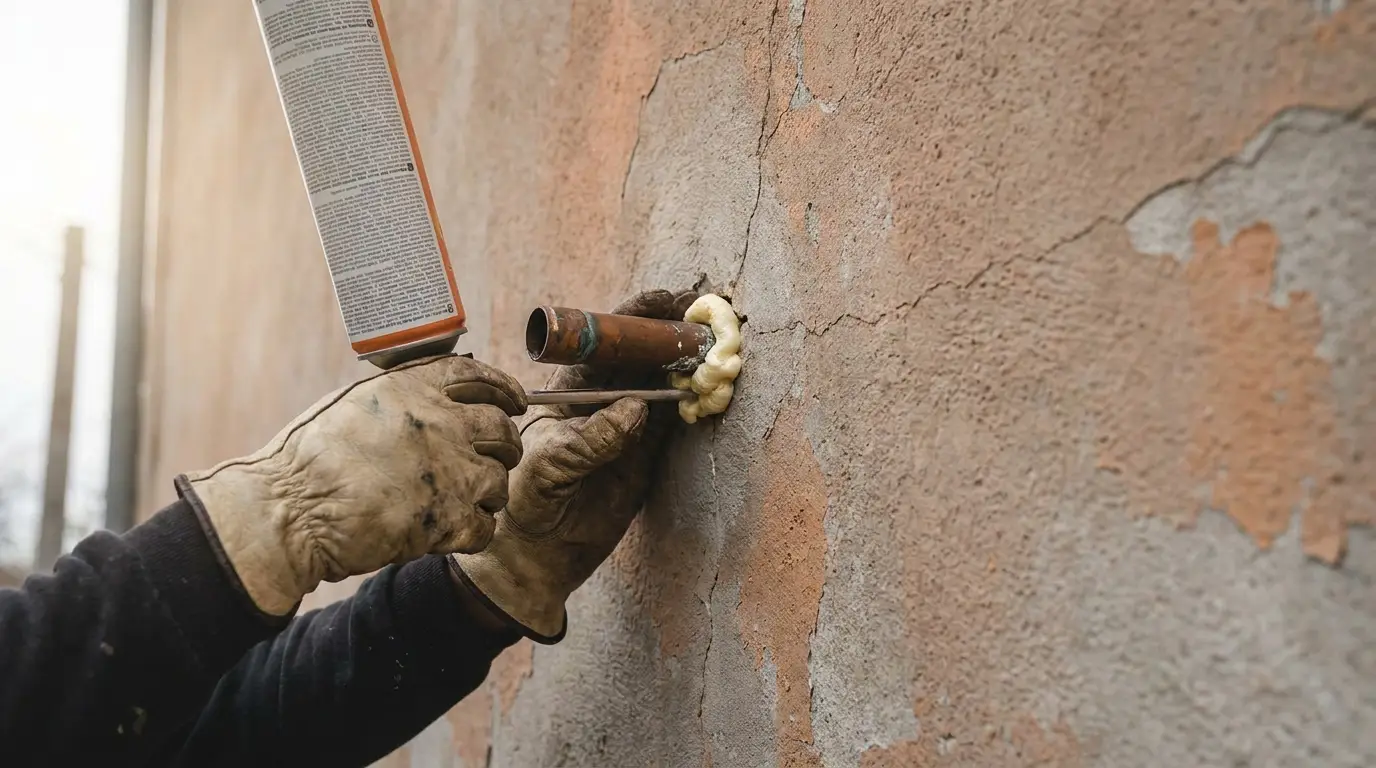
Air sealing alone can reduce heating and cooling costs by 15-20% if infiltration is the main issue. Tiny cracks in the outer shell let warm air slip away. Plugging these leaks preserves your indoor climate.
Pay attention to areas where utilities enter the building. Cable lines and pipes often have gaps around them. Filling these spaces with expanding foam stops cold drafts.
Wind pushes freezing air into unprotected gaps on stormy days. A sealed house resists these sudden outdoor temperature changes. Your heating system maintains a steady output effortlessly.
Older homes often have more leaks than newer structures. Spending time on basic air sealing yields massive comfort improvements. It is one of the cheapest ways to save energy.
Check around outdoor electrical outlets for hidden openings. Cold air easily finds its way through these small wall penetrations. Foam gaskets behind outlet plates offer an easy fix.
Decreasing Leakage in Lower Zones
Sealing and insulating the crawl space minimizes air leakage, reducing heating and cooling expenses by up to 20%. Unsealed areas underneath rooms act like open windows in winter. Closing these hidden gaps keeps cold air outside.
Your heating ducts often run through these lower zones. Unprotected pipes lose heat before reaching your living room vents. Wrapping ducts prevents this costly loss of thermal energy.
A secure lower area protects your plumbing from freezing during deep cold snaps. It keeps your water flowing safely when temperatures plummet. This protection saves you from expensive pipe repairs.
Cold winds can easily whistle through open foundation vents. Blocking these vents during winter keeps the area underneath stable. It stops drafts before they reach your floors.
Consider the amount of ductwork hidden beneath your floorboards. Cold air around these pipes cools the air inside them before it reaches you. Sealing the space protects your heated air supply.
Calculating Yearly Savings Metrics
On average, homes with encapsulated crawl spaces can save 15% or more on yearly heating and cooling costs. This steady reduction helps balance your monthly utility expenses. The savings continue during the hot summer months, too.
Predictable bills make household budgeting much simpler. You avoid sudden price spikes when winter storms arrive. Your family enjoys a stable indoor climate all year round.
Reviewing your old utility bills shows the true impact of this change. Most homeowners notice a drop in usage right away. It proves that addressing hidden areas yields great results.
These yearly numbers add up to significant sums over a decade. The money saved can fund other important home renovations. Investing in efficiency is always a wise choice.
Compare your energy bills with neighbors who have similar houses. A well-protected property stands out with much lower monthly numbers. Efficiency upgrades give you a distinct financial advantage.
Reviewing Federal Efficiency Benchmarks
The average heating and cooling savings after insulating is 15%. This standard benchmark shows the power of proper home protection. Most properties have room for significant thermal improvements.
Upgrading your insulation is a reliable way to meet these national standards. It brings your older home up to modern efficiency expectations. Your heating system operates at peak capacity with less strain.
Lower fuel consumption helps lower overall energy demands in your community. Your house runs more cleanly while keeping your indoor spaces warm. It is a smart approach to modern home maintenance.
Professional insulation installers know the exact standards for your region. Meeting these targets guarantees your home stays warm all winter. It keeps your heating system working perfectly.
Stopping Hidden Draft Triggers
Crawlspace encapsulation helps reduce air leaks, moisture intrusion, and temperature fluctuations beneath your home. Stable temperatures under your floors mean steady warmth inside your rooms. This project addresses multiple hidden issues at once.
Eliminating wide temperature swings prevents structural materials from warping. Your wood floors stay straight and secure for decades. This protection adds deep value to your property.
A dry foundation area prevents issues from spreading upward into your walls. Your indoor air stays fresh and clean. This upgrade looks after your physical structure and comfort.
Unchecked moisture under a house causes serious long-term damage. Encapsulation keeps the entire foundation area completely dry. It provides a healthier living space for everyone.
Damp air requires more heat energy to warm up than dry air. Removing moisture from the lower zone helps your furnace work more efficiently. It creates a more pleasant indoor environment.
Quick Daily Habits for Better Efficiency
Opening curtains during sunny winter days brings free natural warmth inside. Closing them at night adds an extra layer against chilly glass window panes. These simple steps cost nothing but lower your heating needs.
Keep your interior doors open to let warm air circulate freely. Closed rooms create cold pockets that force the furnace to run longer. Good airflow balances the temperature throughout the house.
Wear comfortable sweaters and socks while relaxing at home. Dressing for the season lets you keep the thermostat a bit lower. You save fuel without sacrificing personal warmth.
- Check air filters monthly
- Close the window latches tightly
- Keep vents completely clear
- Set lower night temperatures
- Seal baseboard gaps tightly
Small daily adjustments combine to create a noticeable drop in power use. Paying attention to minor details pays off. Your habits shape your monthly utility bills.
Turn off kitchen and bathroom exhaust fans as soon as you finish cooking or showering. Leaving these fans running pulls warm air out of your home rapidly. Cold outdoor air rushes in to fill the vacancy.
Maintaining Heating Equipment Correctly
Scheduling an annual inspection prevents unexpected breakdowns during deep freezes. Technicians clean burners and check electrical connections for wear. Small repairs now prevent expensive emergency visits later.
Clean air filters allow your furnace to breathe without extra effort. Clogged filters force the motor to work harder and use more power. Replace your filters every 30 days during peak winter months.
An efficient furnace uses less fuel to heat your home. Regular service extends the overall life of your heating equipment. Taking care of your system saves money on future replacements.
- Clear surrounding debris quickly
- Listen for strange noises
- Inspect thermostat batteries yearly
- Check outer vent pipes
- Monitor monthly fuel use
Smart Upgrades for a Warmer Future
Taking steps to improve your home heating system lowers waste and raises comfort. Small changes add up to huge savings as the months pass. Your property becomes a cozy haven during the coldest months of the year.
Investing in your home structure protects your budget from rising utility costs. Every patch, sheet of insulation, and sealed gap helps. Your family will enjoy a warmer indoor environment all season long.
Looking for more tips and ideas? We’ve got you covered. Check out some of our other posts now.