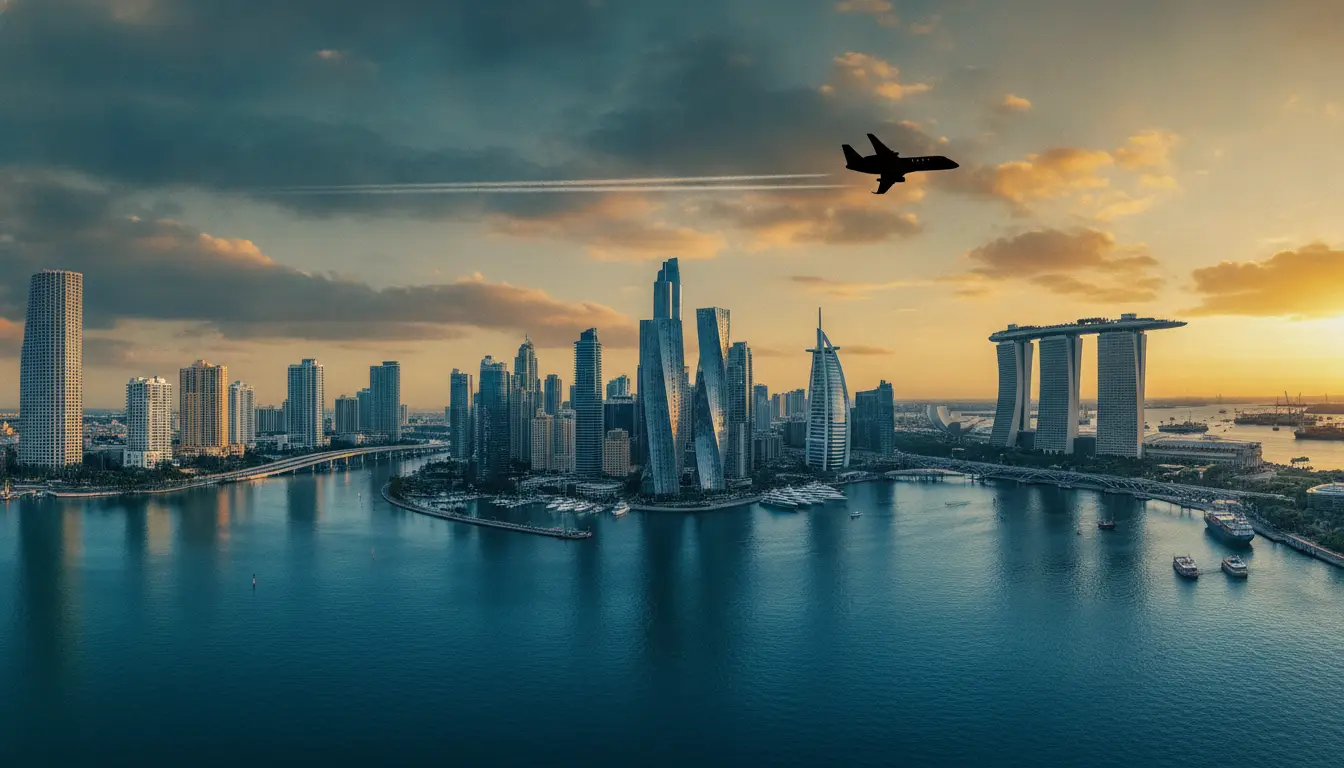
Why Miami, Dubai, and Singapore Keep Pulling Global Buyers

Global Capital Reshapes Luxury Real Estate
Prime residential property has always attracted international buyers. In 2026, the flow of cross-border capital has accelerated dramatically. Rich people and their family investment outfits are piling into stuff you can actually touch. Fancy property is cleaning up as a result. Prices in the usual hotspots keep climbing, but where the cash is coming from has changed completely. Knowing whose pockets the money is leaving matters just as much as tracking which postcode it ends up in.
What Prime Luxury Means in 2026
The definition of prime has expanded beyond traditional centres. London, New York, and Hong Kong still call the shots, but Miami, Dubai, Singapore, and Geneva are muscling in. Buyers care more about governments not falling over, currencies not tanking, and laws not being dodgy than they do about old-school glamour. A pad in a steady country with a crap local exchange rate gives you safety and a decent shot at making money down the track. This calculation favours smaller, business-friendly cities alongside traditional giants.
Instant Access for Global Buyers
International transactions require speed and reliability. A platform such as online pokies can support deposits in multiple currencies without unclear conversion fees. Royal Reels casino users complete identity verification once and can then fund their accounts from almost anywhere in the world.
Casino online operators have learned that delays cost customers. Online casino Australia platforms offer instant settlements through PayID, a standard that global real estate platforms are beginning to adopt.
A buyer transferring millions for a luxury apartment expects the same frictionless experience as someone depositing modest funds for entertainment. Slow banks lose business to faster competitors.
Four Sources of Capital Flowing Into Luxury Real Estate
Investment patterns have shifted noticeably since 2024. Each source behaves differently and targets different property types.
- Southeast Asian family offices – Singapore-based buyers have increased London purchases by forty percent year over year. They favour new developments with concierge services and rental guarantees.
- Middle Eastern sovereign wealth funds – Direct hotel acquisitions dominate this category. The Evolution Fund’s £1.1 billion Mayfair purchase fits this pattern. These buyers hold for decades, not years.
- North American institutional investors – Pension funds and insurance companies allocate three to five percent of portfolios to global luxury residential. They seek stable income rather than capital growth.
- Latin American private buyers – Wealth from Brazil and Mexico has flowed into Miami and Lisbon. These buyers prioritise citizenship pathways and business access over investment returns.
Each group has different time horizons. Sovereign funds and pension plans hold for twenty years or more. Private buyers may sell within five years if currency or political conditions change.
How Market Conditions Differ Across Gateway Cities
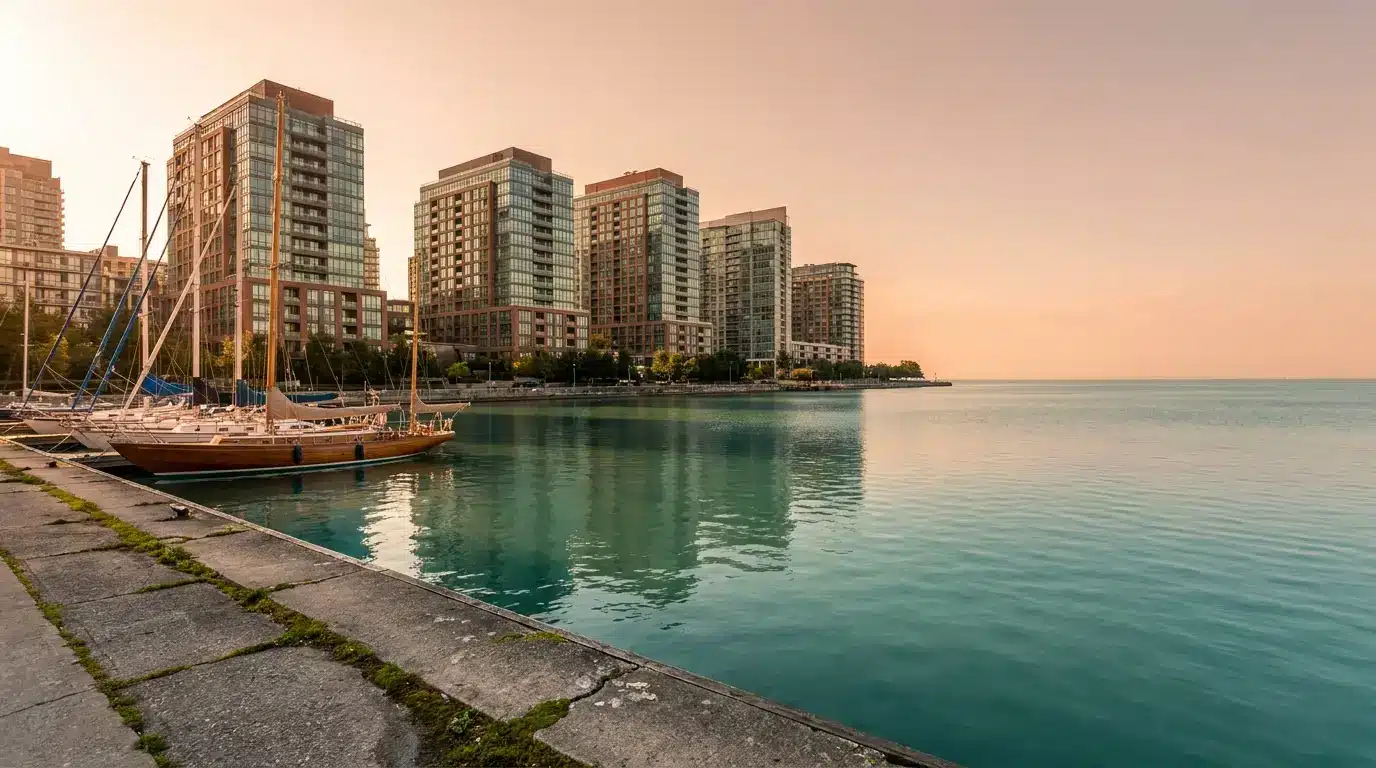
Price growth tells only part of the story. Where the money comes from and what buyers actually purchase matter just as much.
| City | Price growth (2024–2026) | Dominant buyer origin | Typical property type |
|---|---|---|---|
| London | +9% | Middle East, Asia | Prime central flats |
| New York | +6% | North America, Europe | Townhouses, penthouses |
| Miami | +22% | Latin America, US East Coast | Waterfront condos |
| Dubai | +18% | South Asia, Russia | Off-plan luxury apartments |
| Singapore | +12% | China, Indonesia | Freehold landed homes |
Miami’s exceptional growth reflects its status as a safe haven for Latin American capital. Dubai attracts buyers seeking low taxes and fast residency. London’s more modest growth still represents solid appreciation given its higher starting base.
What Buyers Look for in 2026
Preferences have changed since the pre-pandemic era.
A luxury apartment needs serious features before anyone pays top dollar – without these, forget asking for premium prices.
- Dedicated home office with separate entrance – standard now, not a bonus. Miss it and buyers move on.
- Outdoor space – balcony, terrace, courtyard. Once a nice extra. Now non-negotiable above certain money.
- Hotel-style amenities – concierge, gym, pool, lounge. Places with that gear sell for thirty to forty percent more than similar flats without.
Buyers also scrutinise service charges more carefully. Annual fees above £15 per square foot scare off all but the wealthiest purchasers.
Where Luxury Property Headed Next
Three trends will define luxury real estate over the next two years:
- Secondary cities within commuting distance of gateway hubs will appreciate faster than core centres.
- Rental guarantees from developers will become standard marketing tools rather than rare concessions.
- Blockchain-based title transfers will move from pilot projects to accepted practice in at least five major jurisdictions.
The overall volume of cross-border luxury transactions will continue rising, but average transaction values may fall as buyers spread capital across multiple smaller properties rather than concentrating it in one trophy asset.