

12 Family-Friendly Home Maintenance Tips

Creating a safe, warm, and comfortable space for your loved ones is one of the greatest joys of owning a home. Daily life moves fast when you are raising a family, and minor household tasks can easily slip your mind. Regular upkeep protects your shared nest from sudden surprises and turns chores into fun bonding moments.
With the right approach, caring for your property becomes an enjoyable team activity that brings everyone closer. It also helps preserve your home’s value, reduces the likelihood of expensive repairs, and keeps essential systems operating efficiently throughout the year.
Here are 12 practical, family-friendly ways to keep your living space in tip-top shape and teach valuable lessons.
1. Clean Your Gutters Seasonally
Leaves, twigs, and dirt quickly accumulate in your gutter system throughout the course of the year. Clearing this buildup prevents rainwater from overflowing and damaging your siding or foundation. Clearing leaves and debris out of your gutters at least twice a year is a simple way to protect your roof and foundation.
Standing water in clogged gutters can attract unwanted insects and create damp spots near your roofline. This chore is a perfect opportunity to get the kids outdoors to help with yard cleanup on a sunny afternoon. You can climb the ladder to handle the high work safety tasks, and your children can gather the fallen leaves from the lawn.
To make this delightful, turn the leaf gathering into an autumn craft activity. Children can select the brightest red and yellow maple leaves from the lawn to press between sheets of wax paper later in the evening. Working together makes the job go much faster, teaches kids about caring for their surroundings, and turns a chore into a playful family afternoon.
2. Inspect Your Rooftop Regularly
Your roof shields your family from hot sun, cold winds, and heavy rainfall. Regular inspections help identify small issues before they grow into costly leaks inside your ceilings. Spotting damaged shingles early protects the structural integrity of your entire living space.
If you notice missing shingles after a windstorm, hiring a local residential roofing company helps protect your property before minor leaks turn into costly repairs. A professional inspection provides peace of mind and keeps your home dry for your family.
You can safely check your rooftop from the ground using a pair of binoculars. Invite your children to join the inspection by turning it into a fun outdoor scanning game.
Ask them to look for cracked, curled, or missing shingles and mark them down on a drawing of the house. Making this inspection an annual tradition helps keep your home secure.
3. Test Your Detectors
Safety devices are silent guardians that protect your family day and night. Testing these devices monthly keeps them in perfect working order. This quick check takes only a few minutes and keeps safety at the forefront of your family routine.
Working together on these safety tasks builds strong habits in your children. You can make this a regular event on the first weekend of every month. Let your kids help with these tasks:
- Pushing the test buttons with a broom handle to hear the loud alarm beep.
- Helping you write the test date on a small piece of tape on the alarm cover.
- Reminding the family when it is time to put in fresh batteries.
Regular tests teach children not to be afraid of the loud alarm sound. They will learn to recognize the beep as a friendly reminder of home safety.
It gives you a chance to practice your home escape plan together, so everyone knows exactly what to do. Explain to them that the beep is just the detector saying hello and confirming that it is ready to protect them.
4. Change Your HVAC Filters
Clean indoor air is crucial for a healthy family, particularly for young children who play on the floor. Heating and cooling filters trap dust, pollen, and pet dander as air circulates through the house. Clogged filters restrict airflow, making your system work harder and raising utility bills.
You can explain to your children that the house “breathes” through its heating and cooling system. The air filter acts like a protective shield that catches dust before it gets into the lungs. Swapping out old filters every 3 months keeps your HVAC system running smoothly.
5. Check Under the Sinks
Drips under the kitchen and bathroom sinks can go unnoticed for weeks. Small water leaks can warp wood cabinets and encourage mildew growth. Making regular spot checks prevents major plumbing surprises down the road.
It keeps your storage areas clean, dry, and organized. Finding these damp patches early saves you from replacing expensive wooden cabinets.
Turn this check into a fun game for your younger kids by establishing the “Under-Sink Detective Agency.” Hand them small flashlights and make simple detective hats out of folded newspaper. Ask your little detectives to inspect the pipes under every sink in the house.
They can touch the pipes to feel for dampness or look for small puddles of water. Teaching children to spot wet areas helps catch plumbing issues before they cause damage.
6. Seal Windows and Doors
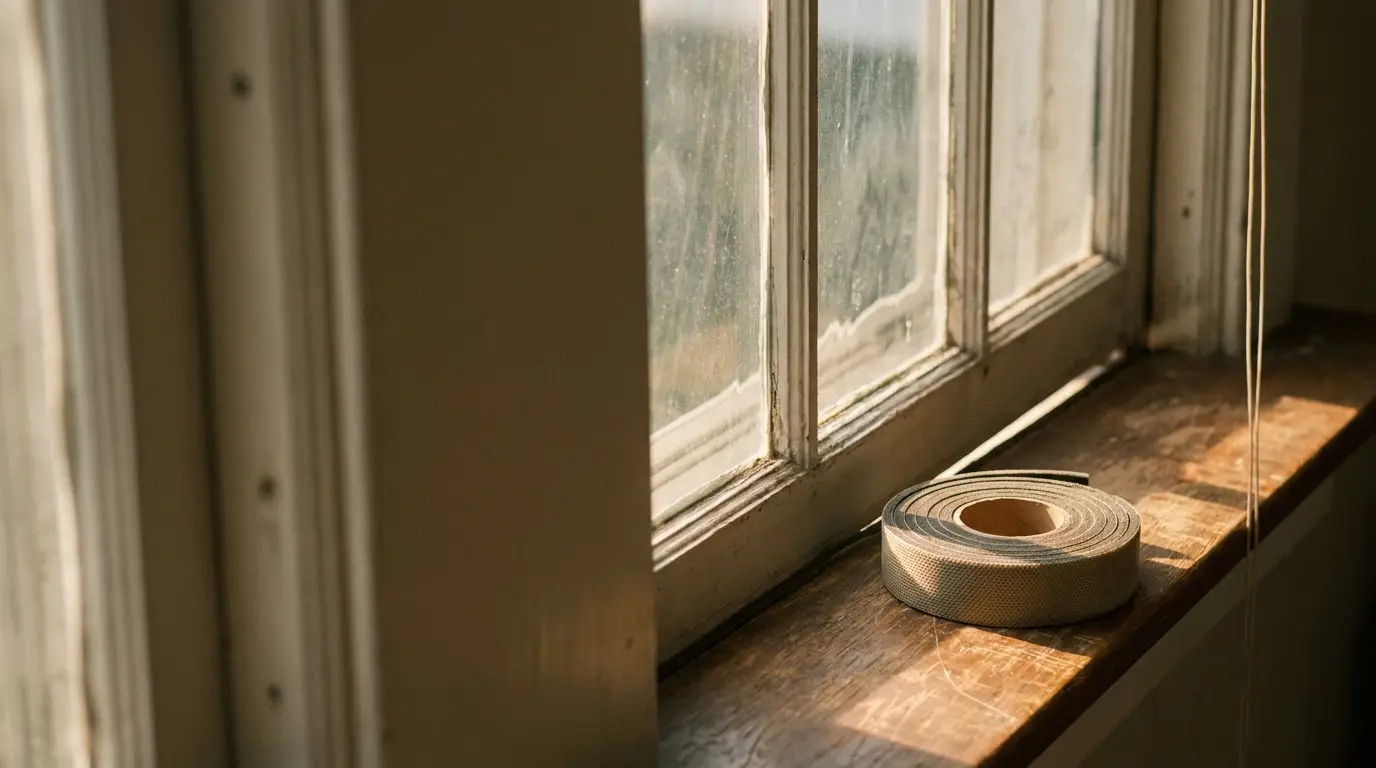
Drafts around windows and doors let conditioned air escape and let outdoor air inside. Sealing these gaps keeps your rooms comfortable and lowers heating and cooling costs. Applying weatherstripping is a simple project that yields immediate results.
It prevents chilly drafts from making your cozy living room feel uncomfortable during the winter months. On a breezy day, have your children walk around the house to search for drafts. They can hold a lightweight silk ribbon or a colorful feather near the window frames to see if the fabric flutters.
If the ribbon moves, you have a draft that needs sealing with caulk or weatherstripping. This draft hunt activity teaches children how homes use energy and how sealing gaps keeps everyone warm. They will love feeling like energy scientists finding invisible drafts in their own rooms and helping you apply the self-adhesive foam tape.
7. Clean the Dryer Vent
A clogged dryer vent is a major household hazard that is easy to overlook. Lint builds up in the exhaust duct and restricts airflow, which makes your dryer run hot. Regular cleaning keeps the appliance safe and helps clothes dry much faster.
It saves electricity and extends the lifespan of your dryer. Pull the dryer away from the wall and disconnect the vent hose to vacuum out any lint. Your children can help by clearing the lint trap after every load of laundry.
They will enjoy collecting the soft lint, which you can save in a jar for fun family craft projects. You can mix the clean lint with water and craft glue to make homemade dryer clay for sculpting little animal figurines. Teaching them this habit keeps laundry safety top of mind for everyone and shows them how we recycle household waste.
8. Drain the Water Heater
Mineral deposits build up at the bottom of your water heater tank as the years pass. Draining your water heater annually removes sediment buildup to keep the appliance running efficiently for years. This simple maintenance step protects the lifespan of your unit and keeps hot water flowing.
A well-maintained heater heats water much faster, saving valuable household energy. You should handle the hot water connections and valves yourself to prevent burns. Your older kids can assist by watching the drain hose empty into a bucket or floor drain.
They can observe the cloudy water clear up as the sediment flushes away, showing them how minerals build up in home systems. It is an excellent real-world science lesson for curious young minds who love seeing how things work.
9. Inspect Outdoor Play Areas
Backyard swings, slides, and playsets require regular safety checks to prevent accidents. Outdoor equipment can develop loose bolts, cracked plastic, or rusty chains during winter weather. Checking these areas keeps outdoor playtime safe and fun.
It extends the lifespan of your favorite play structures and protects your peace of mind. Take your children on a safety walk around the yard to inspect their play structures. Let them help you test the stability of the swings by pulling gently on the chains to make sure they are secure.
Look for any splinters on wooden structures or loose screws that need tightening with a screwdriver. You can hand them a soft broom to sweep away spider webs from the corners of the slide or clean dirt off the steps. Getting kids involved in playground safety helps them appreciate and care for their toys, ensuring years of outdoor fun and keeping the yard clean.
10. Clean the Refrigerator Coils
Dust and pet hair collect on the coils at the bottom or back of your refrigerator. Dusty coils make the compressor work twice as hard to keep food cold, using extra electricity. Cleaning these coils once a year keeps your fridge running efficiently.
It keeps your appliance running quietly. Explain to your kids that the refrigerator has to “breathe out” warm air to keep the milk and fruit cold inside. If the coils are dusty, it is like the fridge has a stuffy nose.
Unplug the refrigerator and slide it away from the wall to access the coils. Your kids can use a soft brush or a vacuum attachment to gently sweep away the dust.
They will love seeing the immediate results of their vacuuming efforts, and it teaches them that appliance care extends beyond just wiping the counters. It shows them how a little dust can make a big machine work much harder than necessary.
11. Prune Trees and Shrubbery
Overgrown tree branches can brush against your roof and siding, causing physical damage. Heavy limbs can fall during storms and damage outdoor play structures. Trimming these branches keeps your home safe and keeps your garden looking beautiful.
It allows more sunlight to reach your lawn, which helps your grass grow green and healthy. Before starting any pruning project, take a few moments to inspect your tools and plan the work carefully.
Gather your family in the yard to identify branches that grow too close to the house. You can handle the pruning shears to cut back the thick limbs safely. Sharp, clean pruning equipment creates smoother cuts that heal more quickly and minimizes the risk of spreading plant diseases.
For taller trees or branches located near power lines, it’s best to hire a professional rather than attempting the job yourself. Taking these precautions helps ensure the work is completed safely while preserving the long-term health and structure of your trees and shrubs.
Your kids can help by gathering the small fallen twigs and carrying them to a central brush pile in the garden. This keeps the yard tidy and fuels their artistic imagination as they enjoy the fresh air.
12. Create a Shared Family Checklist
Keeping a home maintenance checklist is a helpful guide for year-round upkeep to protect your property and stay safe. Sharing these tasks with your family keeps everyone involved and distributes the work. It teaches children responsibility and gives them a sense of pride in their living space.
A cooperative chore chart makes big projects feel manageable. You can design a colorful chore chart to hang on the refrigerator. Use these ideas to make the checklist fun:
- Assign colorful stickers for every completed maintenance task.
- Creating small rewards, like a family movie night, when the list is complete.
- Rotating chores so everyone gets a chance to try a new task.
Keeping Your Home Happy and Safe
Caring for your property is a continuous journey that yields great rewards when shared with those you love. Involving your children in simple upkeep tasks teaches them valuable life skills and keeps your home running smoothly.
Regular maintenance keeps your property secure and creates wonderful memories of working together as a team. With these practical tips, your family can look forward to a comfortable, happy, and safe living space for years to come.
Looking for more inspiration to make your home a delightful place to live? Explore some of our other articles for creative ideas and helpful tips.