
5 Small Kitchen Habits That Make Dinner Less Stressful

Getting dinner on the table does not have to feel like a race against the clock every evening. While busy schedules, unexpected errands, and family responsibilities can make cooking seem overwhelming, a few simple habits can transform the experience. Instead of relying on last-minute takeout or scrambling for ingredients, creating a more organized routine allows you to prepare satisfying meals with less effort.
The good news is that you do not need a complete kitchen makeover or expensive gadgets to make dinner easier. Small, consistent changes often have the biggest impact. Here are five practical kitchen habits that help reduce stress and make weeknight cooking more enjoyable.
1. Plan Your Meals Before the Week Begins
One of the easiest ways to simplify dinner is to decide what you will cook before the week starts. Even a basic meal plan prevents the daily question of, “What’s for dinner?”
As you create your menu, include a mix of quick recipes, slow-cooked meals, and comforting favorites. Having dependable recipes ready to go can make busy evenings much smoother. For example, keeping a favorite pork sausage noodle casserole recipe in your weekly rotation provides a hearty, family-friendly dinner that can be prepared with ingredients you may already have on hand.
Meal planning also helps you shop more efficiently, reduce food waste, and avoid unnecessary trips to the grocery store.
2. Prep Ingredients Ahead of Time
A little preparation goes a long way during the week. Instead of waiting until dinner time to wash vegetables or measure ingredients, spend a short amount of time preparing them in advance.
Simple tasks include:
- Washing and chopping vegetables
- Portioning meat for individual meals
- Measuring dry ingredients
- Shredding cheese
- Mixing marinades
When everything is ready before you begin cooking, meals come together much faster and the entire process feels less overwhelming.
Ingredient prep is especially helpful on evenings when work runs late or family activities leave little time for cooking.
3. Keep Your Pantry Organized
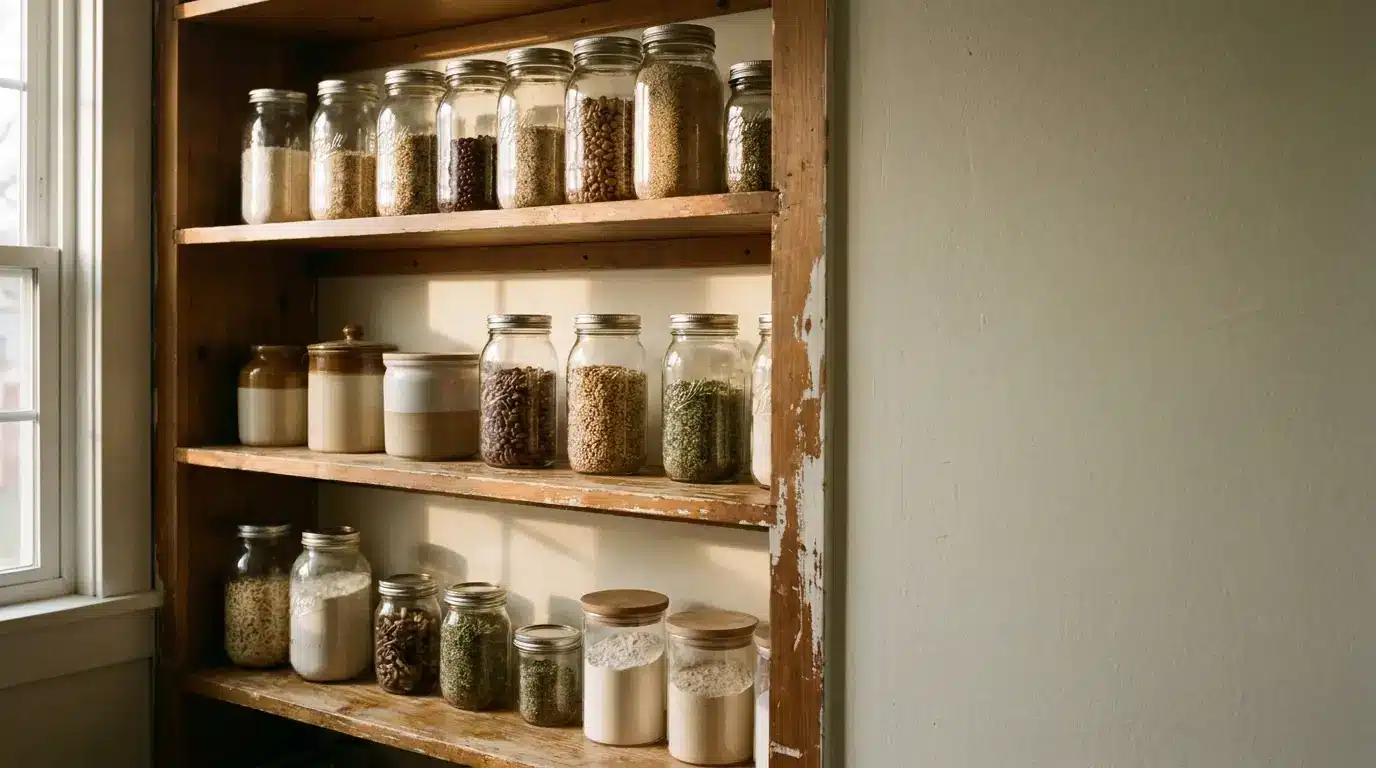
An organized pantry saves valuable time and reduces frustration. Instead of digging through crowded shelves looking for pasta or canned tomatoes, arrange ingredients so everything is easy to find.
Consider grouping items into categories such as:
- Pasta and grains
- Baking supplies
- Canned vegetables
- Soups and broths
- Spices
- Snacks
Using clear containers and simple labels can also make inventory easier to manage. Knowing exactly what you have encourages you to cook with ingredients already in your kitchen instead of purchasing duplicates.
Taking a few minutes every couple of weeks to check expiration dates and restock pantry staples keeps dinner preparation running smoothly.
4. Clean as You Cook
One reason cooking feels stressful is the large pile of dishes waiting after the meal. Developing the habit of cleaning throughout the cooking process helps prevent that problem.
While water boils or food bakes, use the extra time to:
- Wash cutting boards
- Load the dishwasher
- Wipe countertops
- Put unused ingredients away
- Rinse mixing bowls
By the time dinner is ready, much of the cleanup is already complete.
This habit also keeps your workspace organized, making it easier to prepare multiple dishes without running out of counter space.
A tidy kitchen creates a calmer cooking environment and makes it more enjoyable to spend time preparing meals.
5. Embrace Simple, Flexible Recipes
Not every dinner needs multiple side dishes or complicated techniques. Some of the best family meals are built around simple recipes that require minimal preparation and use everyday ingredients.
Look for meals that are:
- Easy to customize
- Made in one baking dish or pot
- Suitable for leftovers
- Flexible enough to use ingredients you already have
Keeping several reliable recipes on hand reduces decision fatigue and builds confidence in the kitchen. Over time, you will spend less energy searching for new dinner ideas because you already know which meals your family enjoys.
Simple recipes also make it easier to involve children or other family members in meal preparation, turning dinner into a shared activity instead of a daily chore.
Build Habits One Step at a Time
You do not need to change your entire routine overnight to make dinner less stressful. Even adopting one new habit each week can create noticeable improvements.
Meal planning removes uncertainty. Ingredient prep saves valuable time. An organized pantry keeps everything within reach. Cleaning as you cook prevents overwhelming messes, while simple recipes reduce unnecessary complexity.
These small habits work together to create a smoother cooking experience that feels more manageable, even during the busiest weeks. As they become part of your routine, preparing homemade dinners becomes less about rushing to finish and more about enjoying time in the kitchen with the people you love.
With a little planning and consistency, dinner can become one of the most relaxing parts of your day rather than one of the most stressful.