25 DIY Natural Cleaning Products and Recipes for a Safer Home

I’ll be straight with you: I used to spend a lot on store cleaners.
Then I started reading the labels. Some of those ingredient lists, which read like a chemistry exam, contained compounds linked to indoor air pollution.
A study by the EPA has noted that indoor air can be two to five times more polluted than outdoor air. A big part of that comes from cleaning products.
You don’t need a cabinet full of cleaners under your sink. A few simple natural ingredients can handle most jobs just as well.
In this post, I’m sharing the most practical homemade cleaner recipes you can make today.
Essential Ingredients in Every Homemade Cleaner Recipe
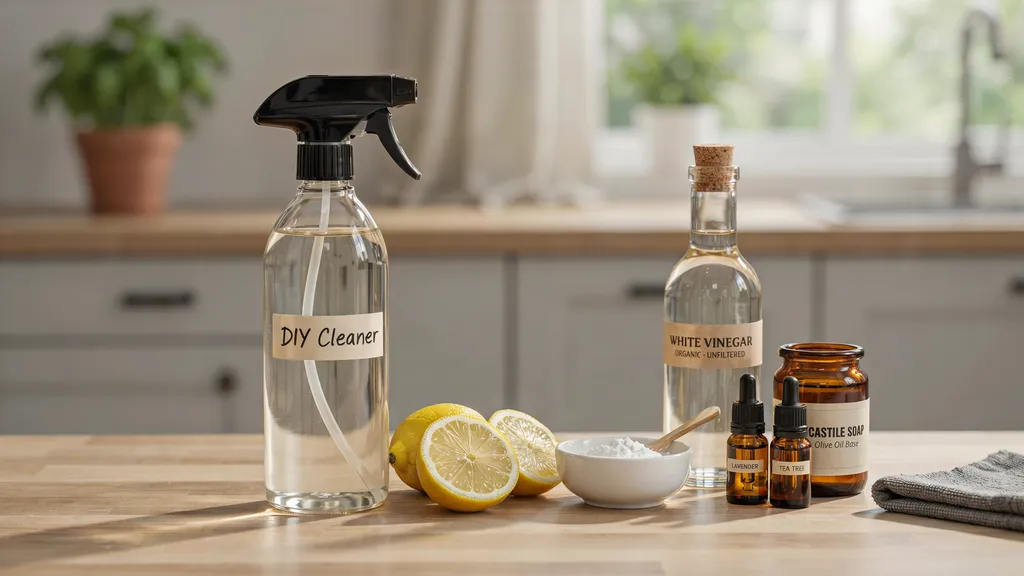
You only need a few things. Most of these are already in your pantry.
- White vinegar cuts grease and removes odors. It’s the workhorse in most homemade cleaner recipes.
- Baking soda: scrubs gently and absorbs smells. Pair it with vinegar, and you get a fizzing reaction that loosens grime.
- Castile soap (liquid or bar): a plant-based cleaning agent. Dr. Bronner’s is the most widely available brand in the US.
- Hydrogen peroxide (3%): It lifts stains and reduces surface bacteria. The 3% version from the drugstore is safe for household use.
- Lemon juice: It acts as a natural degreaser and brightener. It also smells clean without a synthetic fragrance.
- Essential oils: lavender, tea tree, peppermint, add scent and mild antibacterial properties. Use 10–20 drops per recipe.
Pro tip: Keep ingredients simple. The more you combine, the harder it is to know what went wrong if a surface reacts badly.
One thing I want to make clear: “natural” does not always mean “disinfectant”. A vinegar spray cleans and deodorizes. It does not kill all pathogens.
If proper disinfection is needed, such as after handling raw meat, use an alcohol-based solution or a DIY disinfectant, such as a 3% hydrogen peroxide spray.
25 Best DIY Cleaning Products You Can Make Today
Here are 25 diy cleaning products organized by room and task. Each recipe uses the core ingredients above.
1. All-Purpose Natural Cleaning Spray
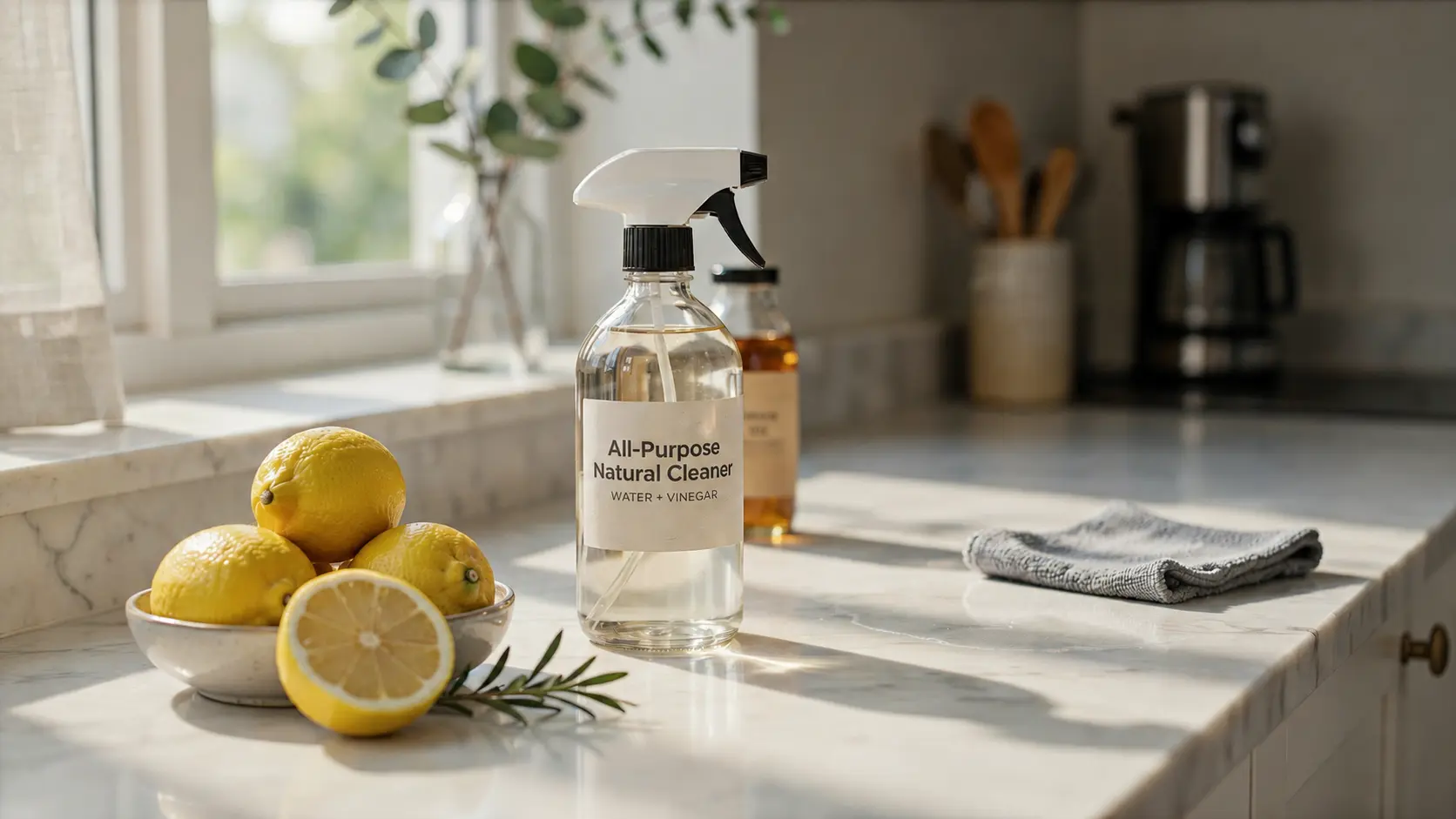
This simple spray cleans counters, sinks, and cabinet fronts without harsh chemicals. It relies on vinegar’s mild acidity and tea tree oil’s natural antimicrobial properties.
Ingredients and tools:
-
1 cup white vinegar
-
1 cup water (filtered or distilled in hard-water areas)
-
15 drops of tea tree essential oil
-
16–20 oz spray bottle, funnel, measuring cup
How to make it:
-
Rinse the spray bottle well. Use a funnel to add 1 cup of white vinegar.
-
Add 1 cup of water, then 15 drops of tea tree oil.
-
Close and shake to mix. Label the bottle with the content and date.
-
Shake before each use because the oil can separate from the water.
How to use it:
-
Spray on countertops, sinks, and cabinet fronts. Let it sit 30–60 seconds, then wipe with a damp cloth.
-
Avoid use on natural stone (granite, marble) because vinegar can etch the surface.
2. Heavy-Duty Kitchen Degreaser Spray
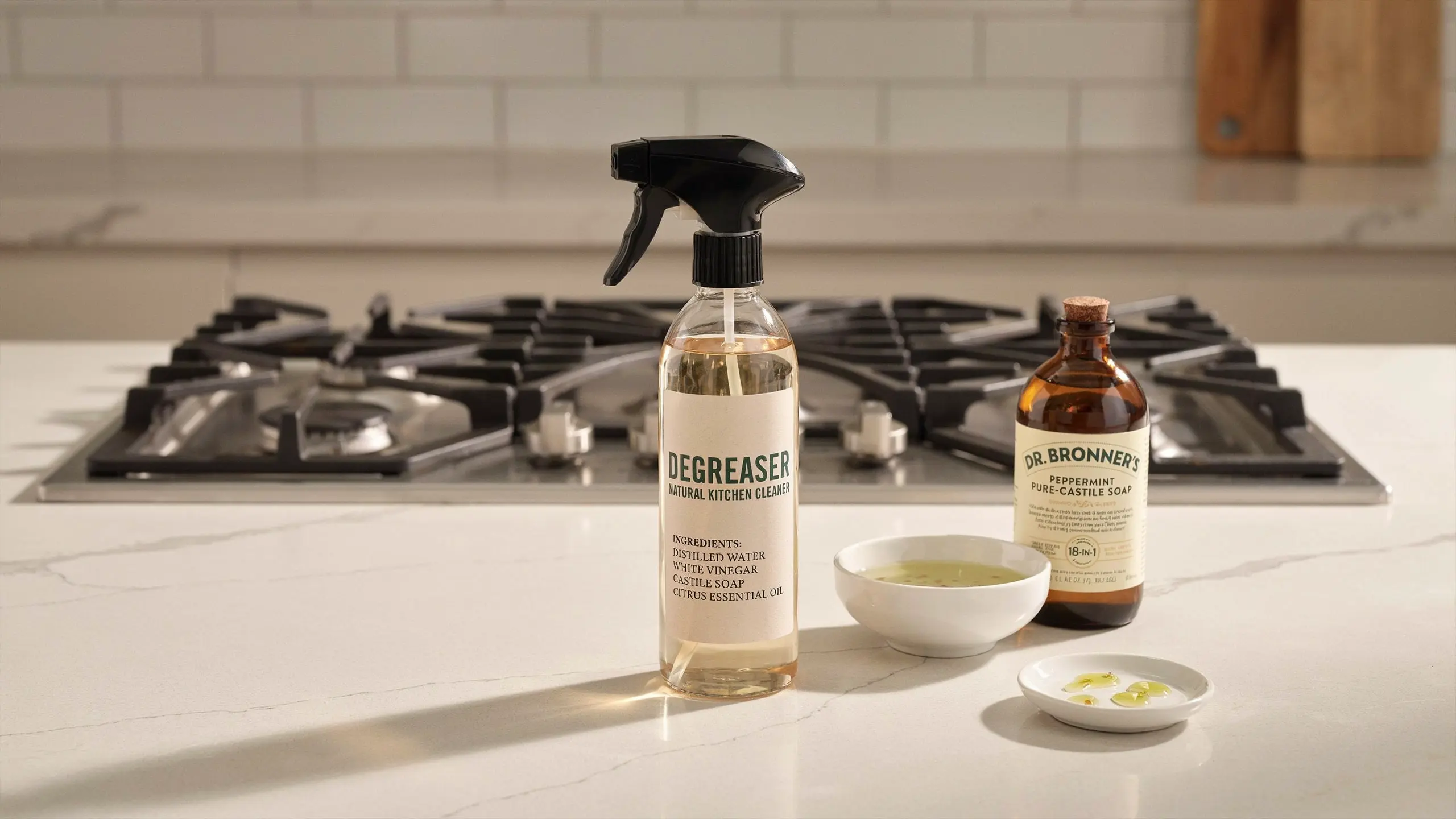
This degreaser blends vinegar’s acidity with Castile soap’s grease-cutting abilities and citrus oil for extra lift and scent.
Ingredients and tools:
-
½ cup white vinegar
-
¼ cup water
-
2 tablespoons liquid Castile soap
-
10 drops of orange or lemon essential oil
-
16–20 oz spray bottle, funnel
How to make it:
-
Add vinegar and water to the bottle. Pour Castile soap slowly to avoid foaming.
-
Add 10 drops of citrus oil, close, and gently invert to mix.
-
Label and store away from heat.
How to use it:
-
Spray on heavily greased stovetops, range hoods, or backsplashes. Let sit 1–3 minutes, then scrub with a non-scratch pad or microfiber cloth.
-
For thick buildup, apply, let sit 10–15 minutes, then scrub.
3. Oven Grime Remover Paste
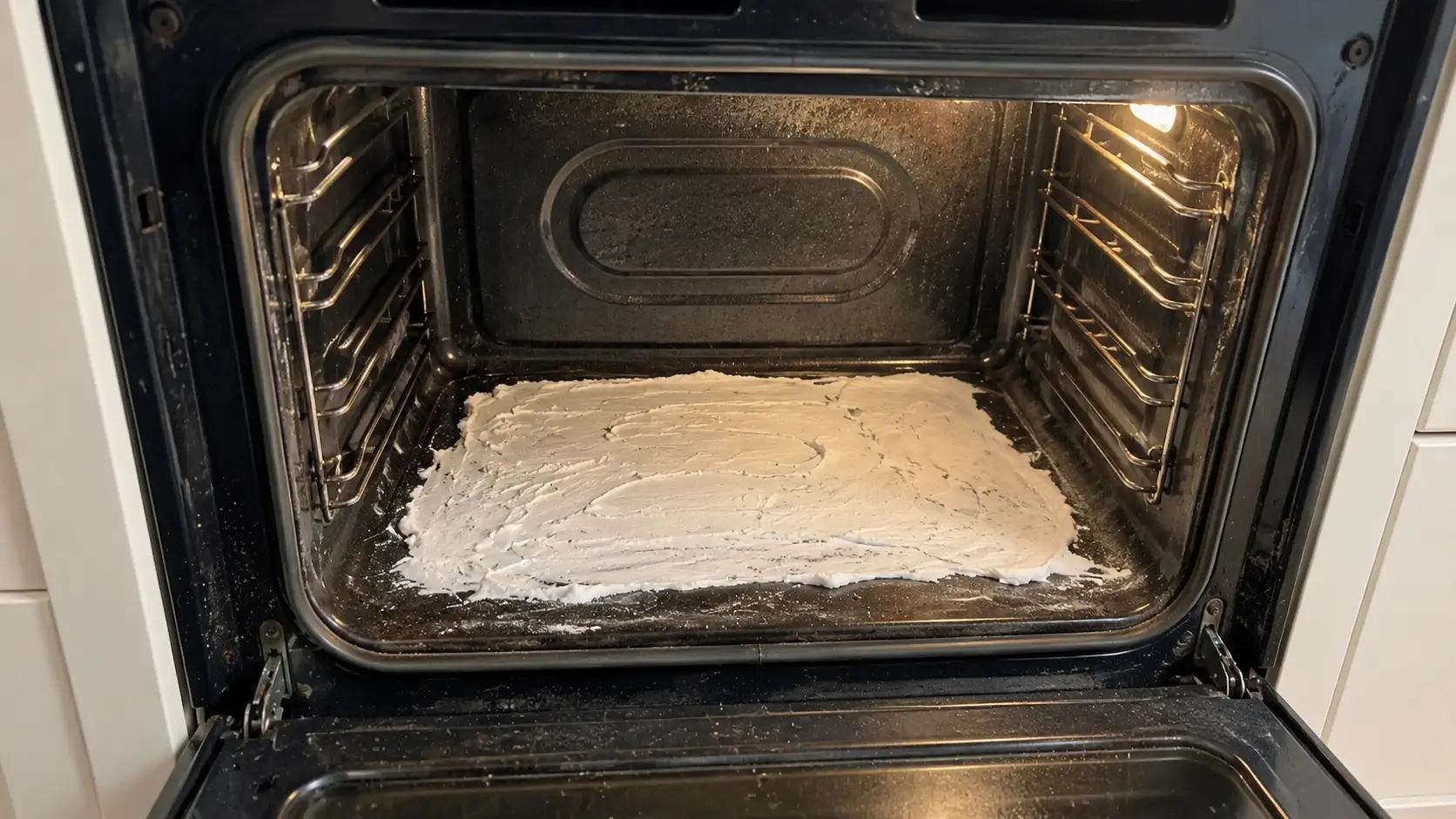
A baking soda paste softens baked-on grease so you can remove it without harsh commercial oven cleaners.
Ingredients and tools:
-
½ cup baking soda
-
Water (a few tablespoons)
-
Bowl, spoon, rubber spatula, damp cloth
How to make it:
-
Mix baking soda with water a tablespoon at a time until you get a thick, spreadable paste.
-
Use a spatula to apply a generous layer inside a cool oven, avoiding heating elements.
-
Let it sit overnight (8–12 hours).
How to use it: Wipe away the paste with a damp cloth or sponge. Tough spots may need gentle scraping with a plastic spatula.
4. Microwave Steam Cleaner
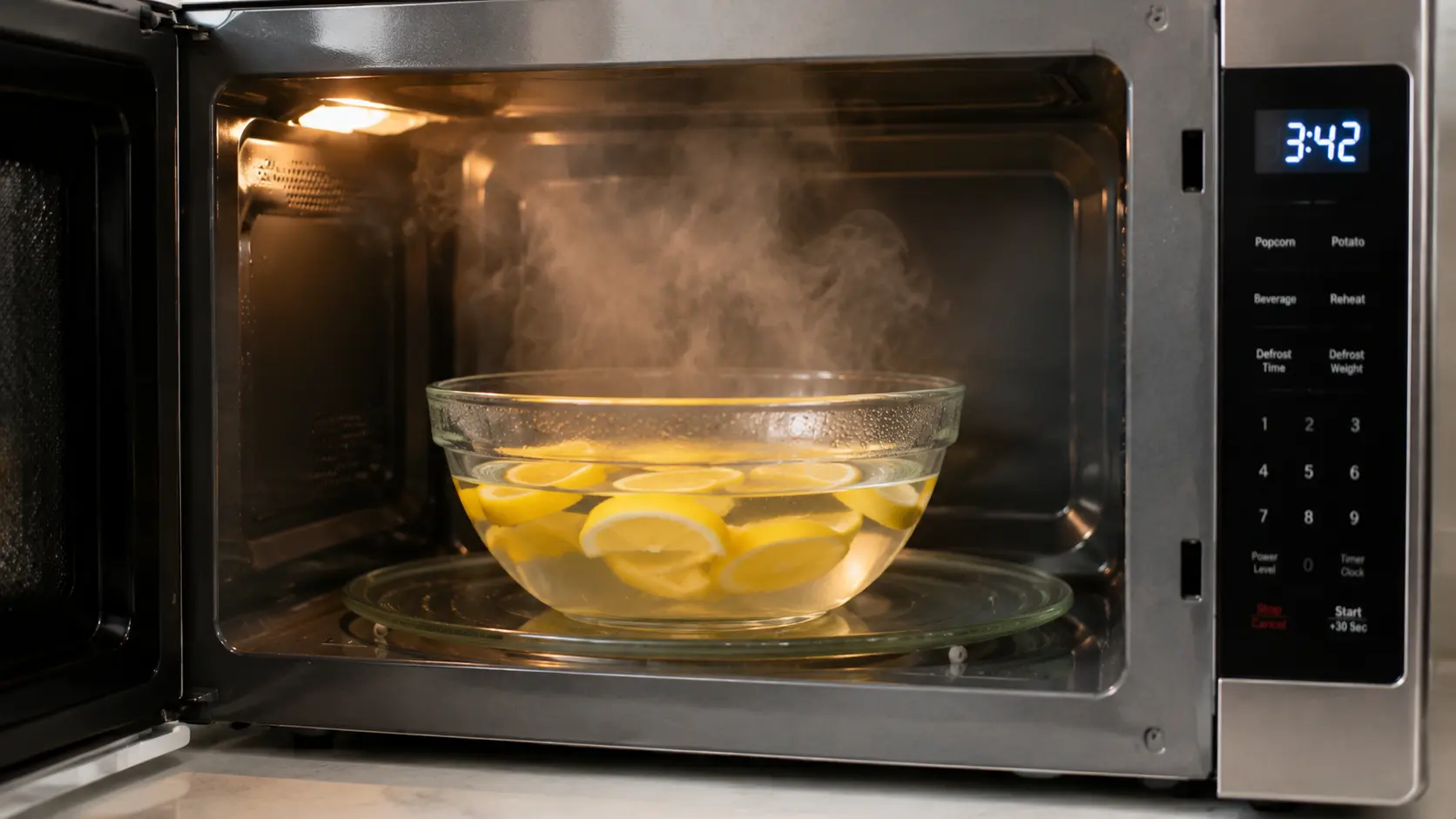
Steam softens dried food; lemon adds acidity for cutting grease and a fresh scent. For heavy splattering, repeat or let steam longer.
Ingredients and tools:
-
1 cup water
-
3 tablespoons lemon juice (or 1 sliced lemon)
-
Microwave-safe bowl, oven mitts, cloth
How to make it:
-
Add 1 cup of water and 3 tablespoons of lemon juice to a microwave-safe bowl (or squeeze a lemon and add the halves).
-
Microwave on high for 3–5 minutes until it steams vigorously. Let’s sit for 2 minutes with the door closed.
How to use it: Carefully remove the hot bowl with mitts. Wipe interior surfaces with a damp cloth; the softened splatter comes off easily.
5. Stainless Steel Shine Polish
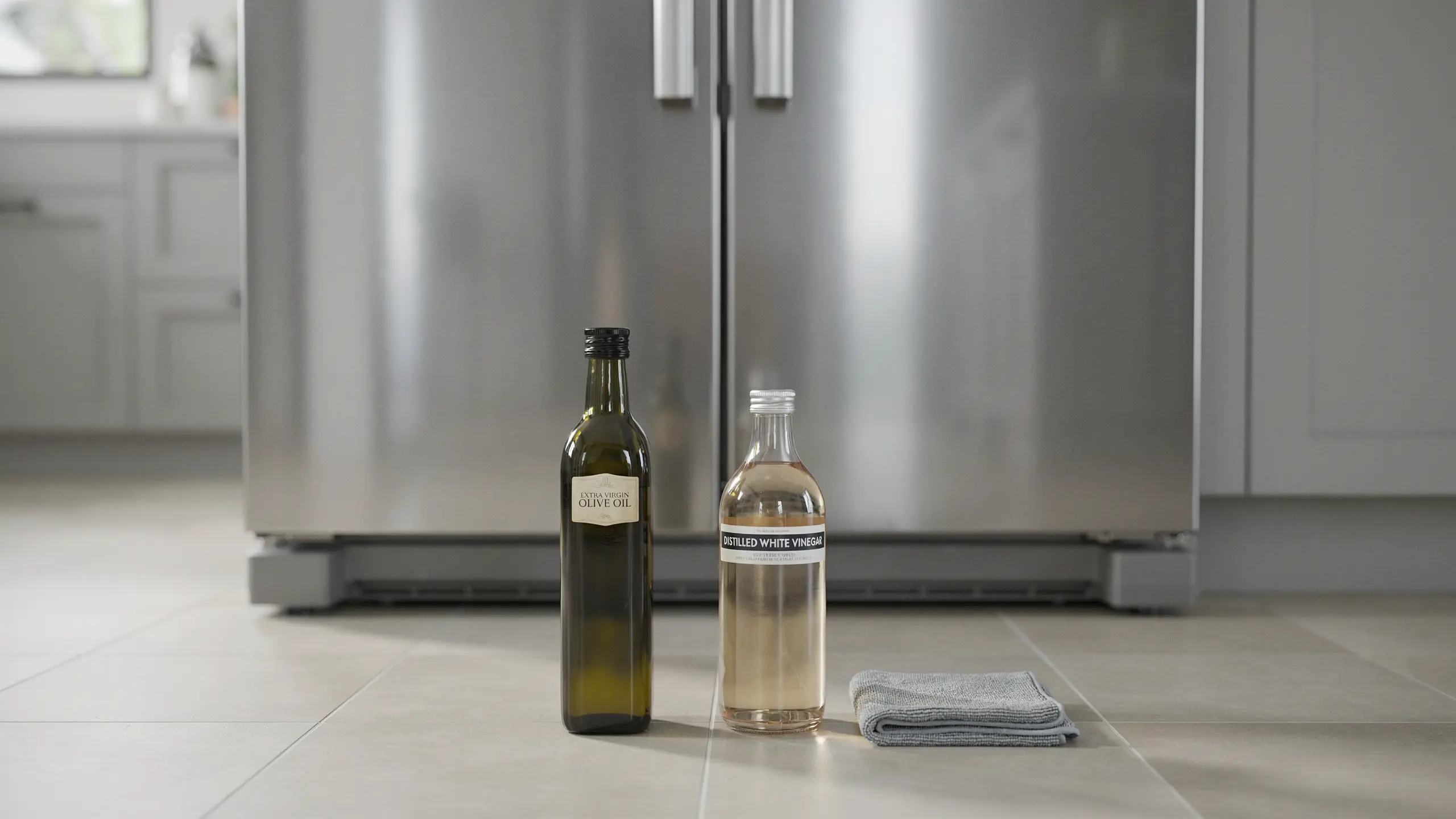
A simple oil-and-vinegar combo removes fingerprints and buffs stainless steel without streaks.
Ingredients and tools:
-
Olive oil (a few drops)
-
White vinegar, microfiber cloths
How to make it:
-
Put a few drops of olive oil on a microfiber cloth and rub in the direction of the grain.
-
Wipe with a second cloth dampened with diluted vinegar to remove excess oil.
-
Buff dry with a clean cloth.
How to use it: Use on appliances, sinks, and fixtures. Always follow the metal’s grain to avoid streaking.
6. Dishwasher Rinse Aid for Hard Water
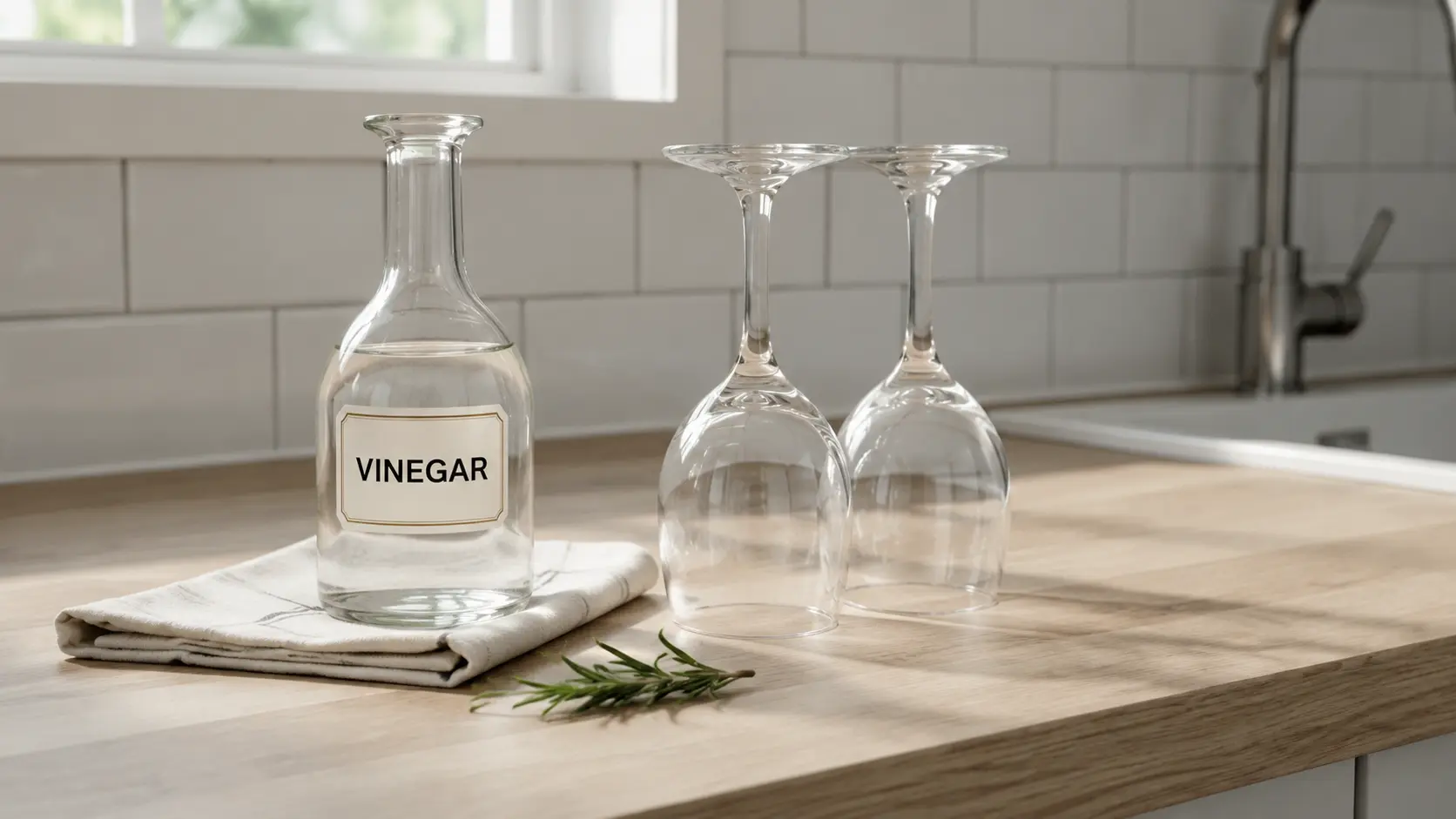
A cup of vinegar helps minimize mineral spots on glassware in areas with hard water.
Ingredients and tools: ½ cup white vinegar
How to use it: Pour ½ cup of vinegar into the dishwasher’s rinse aid compartment or place a cup in the top rack. Run a normal cycle.
7. Dishwasher Detergent Tabs
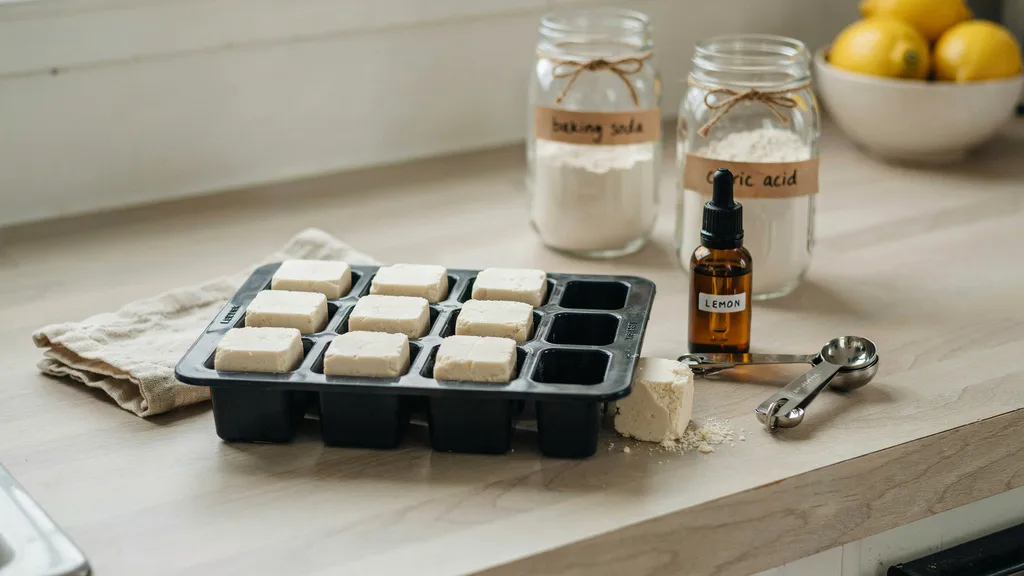
Homemade dishwasher tabs are cost-efficient and avoid phosphates commonly found in some commercial formulas.
Ingredients and tools:
-
1 cup baking soda
-
½ cup citric acid
-
¼ cup salt
-
A few drops of lemon essential oil
-
Ice-cube tray or silicone mold, bowl, spoon
How to make it:
-
Mix baking soda, citric acid, and salt. Add a few drops of lemon oil and stir.
-
Press the mixture firmly into the molds. Let it dry for 24 hours until hard.
-
Store in an airtight container.
How to use it: Use one tab per dishwasher load. Place in a dispenser or cut open a mesh bag.
8. Fruit and Vegetable Wash
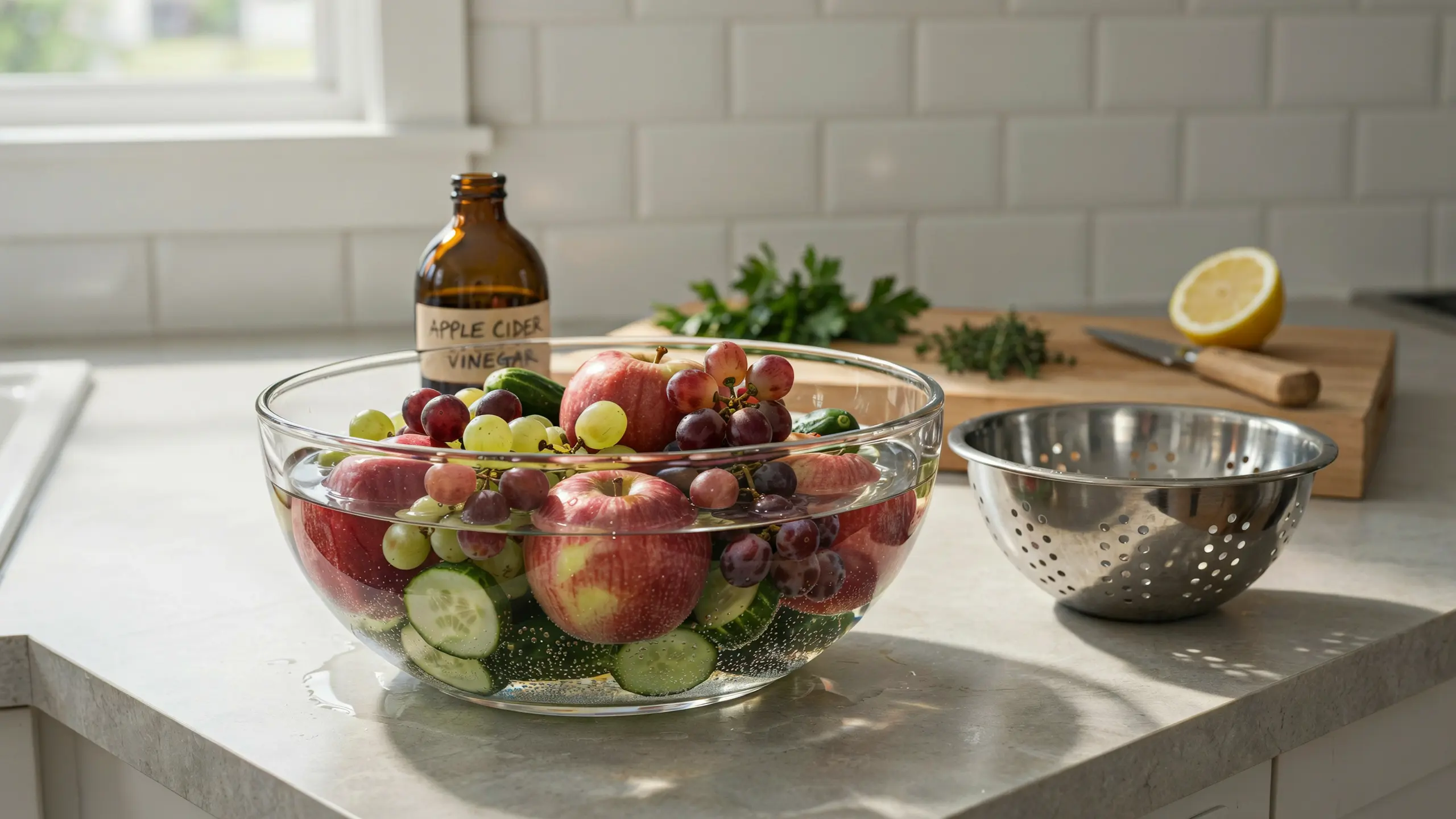
A vinegar soak helps remove surface residues and some microbes from produce without leaving harmful residues.
Ingredients and tools:
-
3 cups water
-
1 cup white vinegar
-
Large bowl, colander
How to make it:
-
Fill a large bowl with 3 cups of water and 1 cup of vinegar.
-
Soak fruits and vegetables for 2–3 minutes, then rinse under cold running water.
How to use it: Use for apples, pears, grapes, and sturdy produce. For delicate berries, rinse gently without a long soak.
9. Bathroom Tile and Tub Cleaner
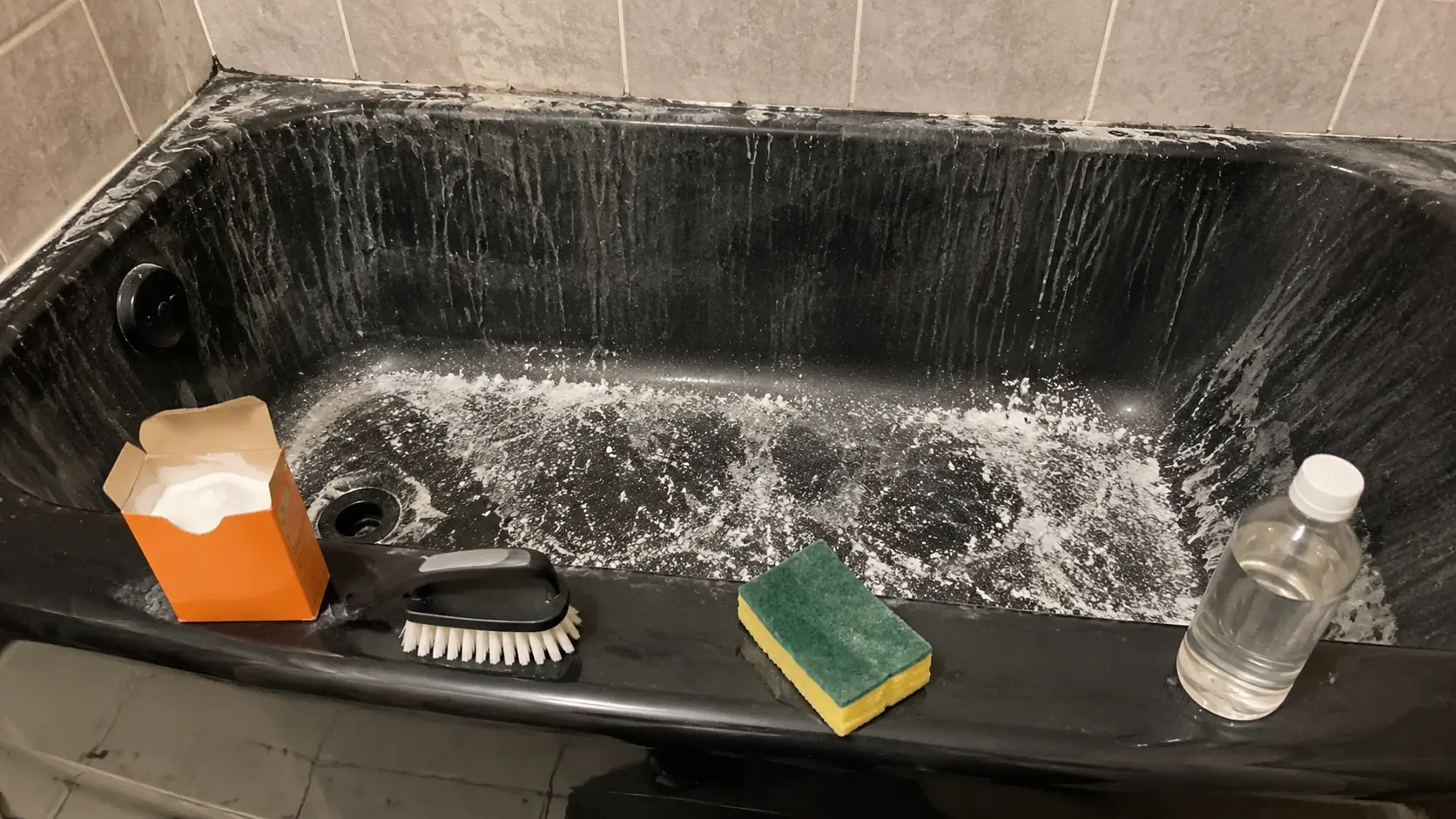
Baking soda and vinegar form a gentle foaming action that lifts soap scum and mineral deposits on tubs and tiles.
Ingredients and tools: Baking soda, white vinegar, spray bottle, scrub brush or sponge
How to make it:
-
Sprinkle baking soda on the surface.
-
Spray with straight white vinegar and let it fizz for 5 minutes.
-
Scrub and rinse.
How to use it: Apply to tiles, tubs, and sinks. For persistent scum, let the mixture sit 15–20 minutes before scrubbing.
10. Toilet Bowl Deep Cleaner
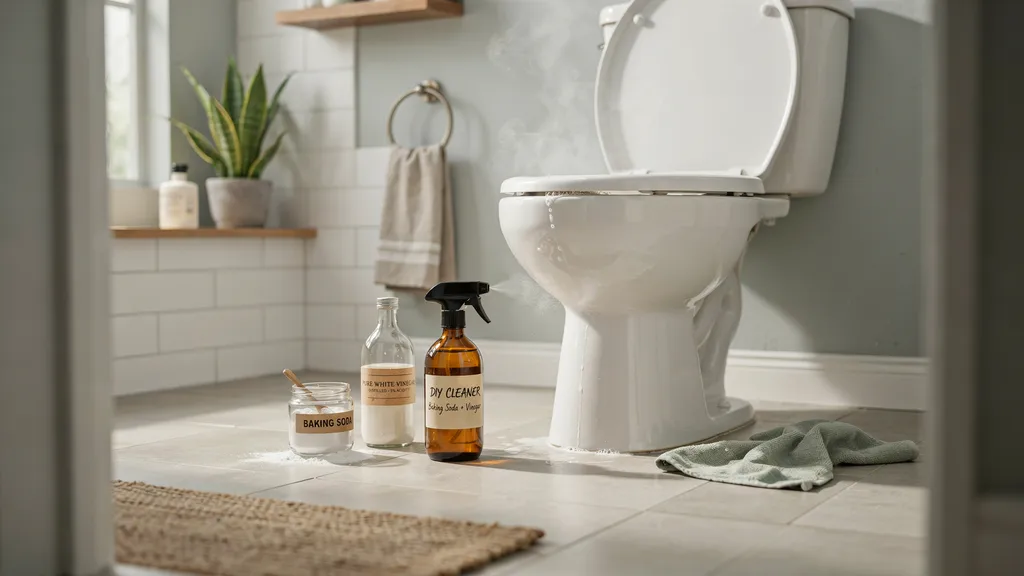
Baking soda and vinegar work together to deep-clean the toilet bowl, deodorize, and help reduce mineral deposits without harsh fumes.
Ingredients and tools:
-
½ cup baking soda
-
½ cup white vinegar
-
Toilet brush
How to make and use it:
-
Pour baking soda into the bowl, then add vinegar.
-
Let it fizz for 10–15 minutes.
-
Scrub with a toilet brush and flush.
11. Mold and Mildew Removal Spray
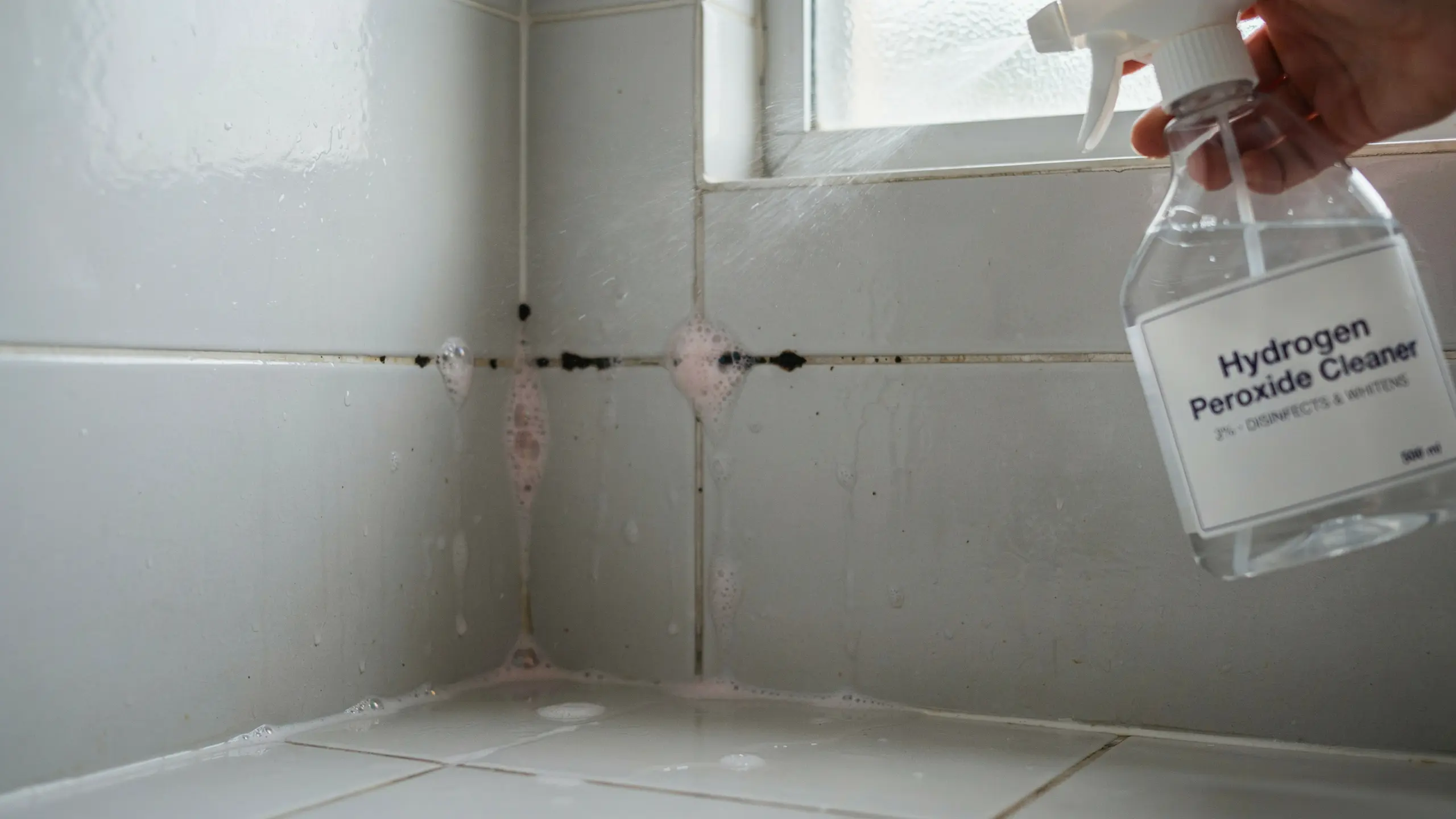
Hydrogen peroxide is a mild, bleach-free option that kills mold on non-porous surfaces.
Ingredients and tools: 3% hydrogen peroxide, spray bottle, gloves
How to make it:
-
Pour undiluted 3% hydrogen peroxide into a spray bottle.
-
Spray moldy areas and let sit for 10 minutes.
-
Wipe away and dry thoroughly.
12. Tile and Grout Brightening Paste
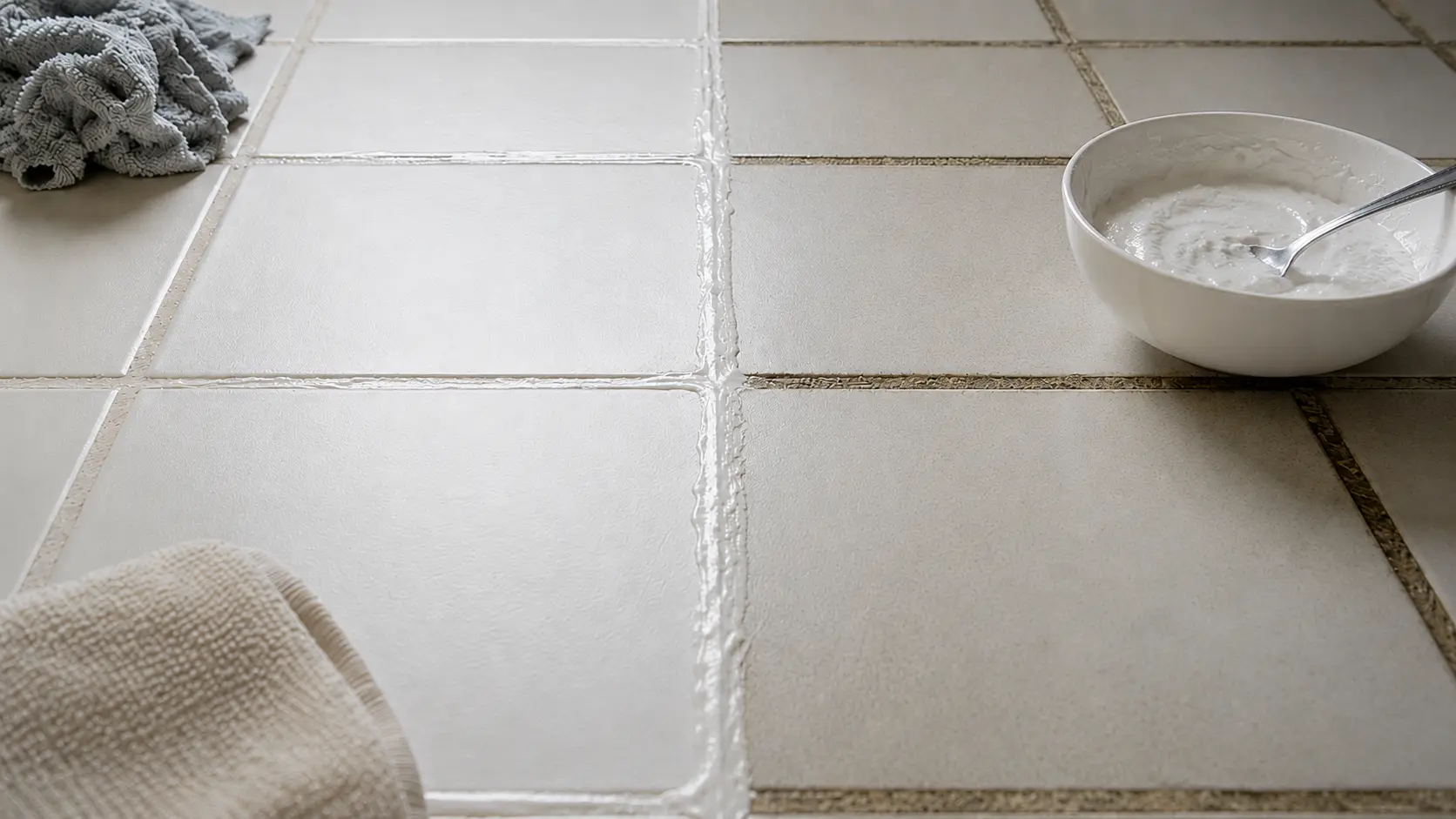
A baking soda paste provides controlled abrasion to lift grime from grout without bleach.
Ingredients and tools: Baking soda, water, an old toothbrush, warm water rinse
How to make it:
-
Mix baking soda and water into a thick paste.
-
Apply grout with a toothbrush and scrub.
-
Rinse with warm water.
13. Natural Disinfecting Surface Spray
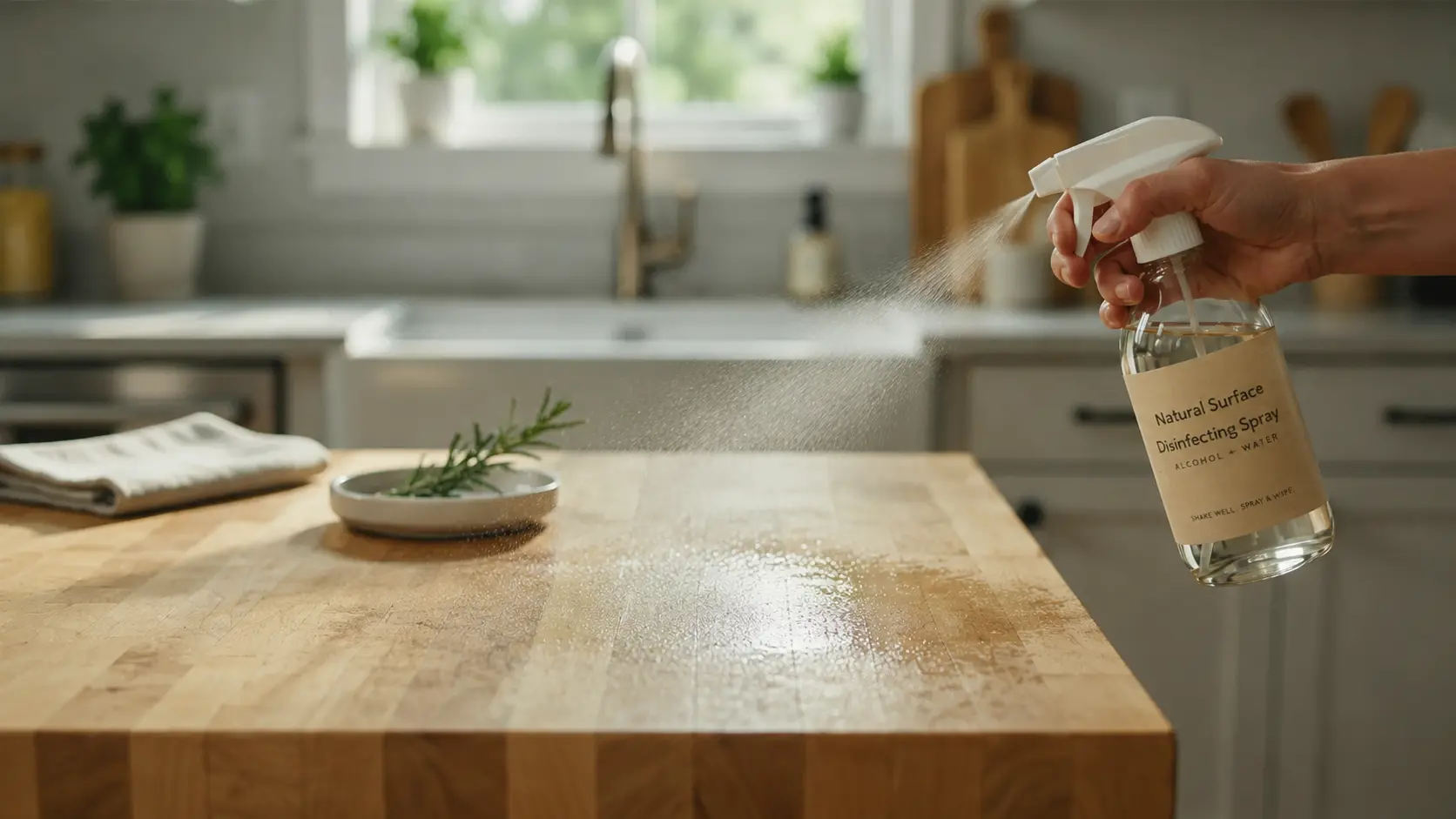
A rubbing alcohol spray reduces everyday microbes on high-touch surfaces without strong odors if you add essential oil.
Ingredients and tools:
-
½ cup 70% isopropyl rubbing alcohol
-
½ cup water
-
10 drops lavender essential oil
-
Spray bottle
How to make it:
-
Combine alcohol, water, and essential oil in a bottle and shake.
-
Label and use on doorknobs, light switches, and counters.
How to use it: Spray, then let it air-dry for 30 seconds to a minute. This is not an EPA-registered disinfectant, but it reduces common surface microbes.
14. Hardwood Floor Gentle Cleaning Solution
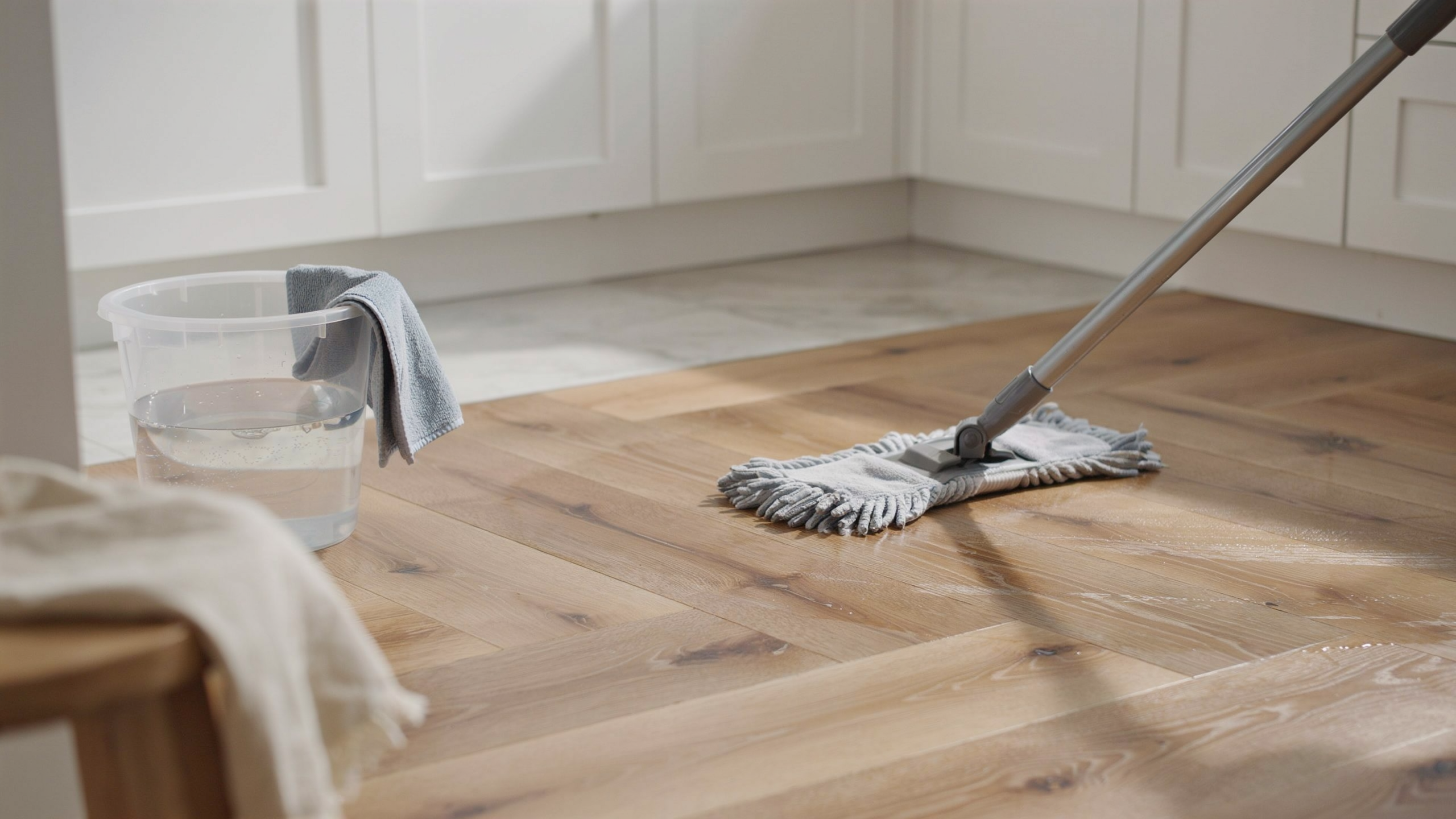
A very mild soap solution is safe for cleaning hardwood floors without damaging the surface or leaving excess moisture. It removes light dirt and grime while protecting the wood.
Note: Never soak hardwood floors, as excess water can cause warping or damage over time.
Ingredients and tools:
-
1 gallon of warm water
-
1 teaspoon liquid Castile soap
-
Mop (microfiber or sponge), bucket
How to make it:
-
Mix 1 teaspoon Castile soap into 1 gallon of warm water.
-
Dip the mop, wring out thoroughly until barely damp.
How to use it: Mop in small sections, drying with a towel if needed. Avoid excess water to prevent warping.
15. Wood Furniture Polish
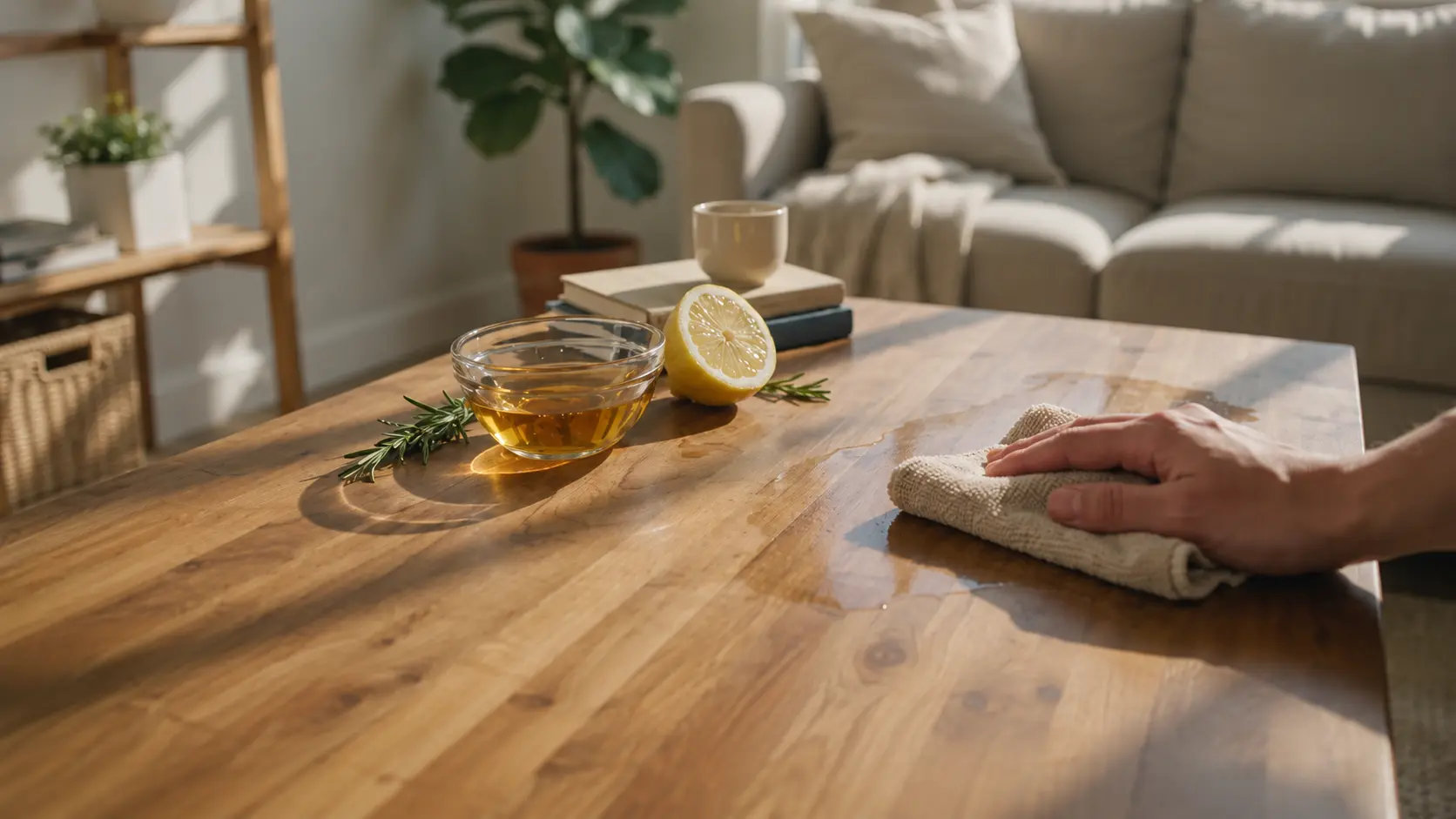
An olive oil and vinegar polish helps clean dust and restore a subtle shine to wood furniture. It works because oil nourishes the wood, while vinegar removes light grime. Use it sparingly on sealed wood furniture finishes to avoid buildup.
Ingredients and tools:
-
2 tablespoons olive oil
-
1 tablespoon white vinegar
-
Soft cloth
How to make and use it:
-
Mix olive oil and vinegar in a small dish.
-
Dampen a cloth with a small amount and rub with the grain.
-
Buff dry.
16. Glass and Mirror Streak-Free Cleaner
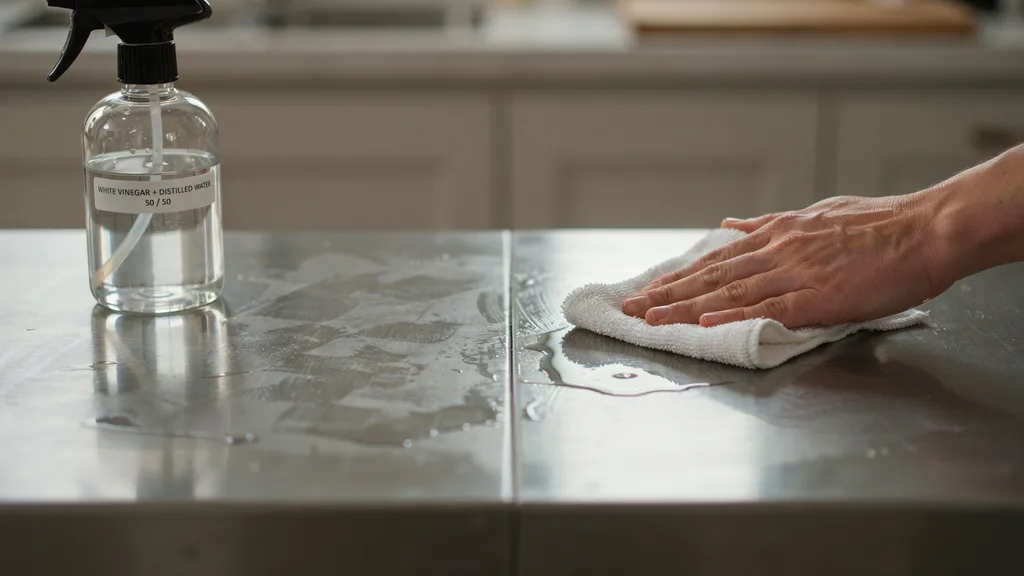
A vinegar-and-distilled-water mix dissolves fingerprints and dries without streaks.
Ingredients and tools:
-
½ cup white vinegar
-
½ cup distilled water
-
Spray bottle, microfiber cloth
How to make and use it:
-
Combine vinegar and distilled water in a spray bottle.
-
Spray and wipe with a lint-free microfiber cloth.
17. DIY Laundry Detergent Powder
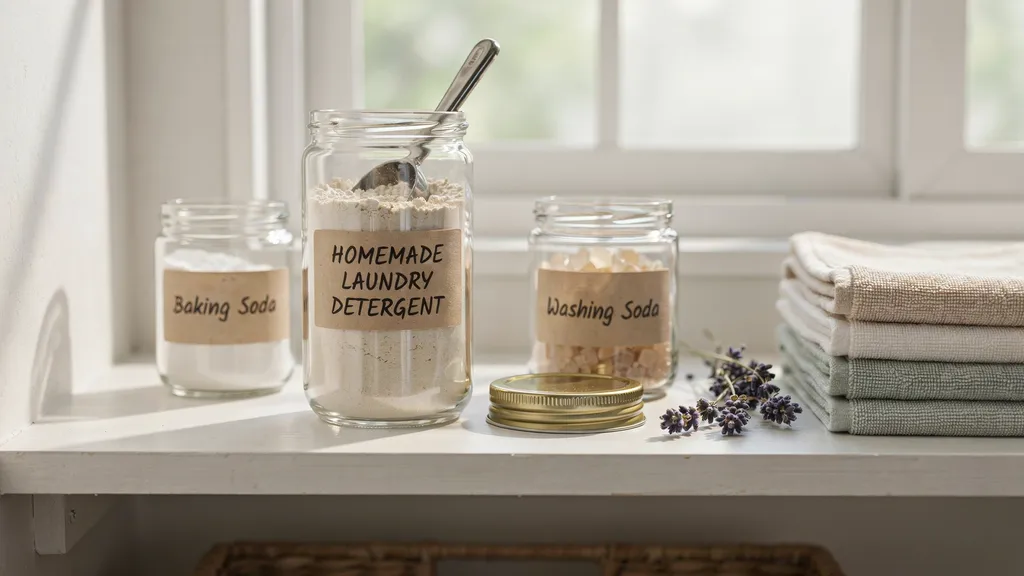
A powder detergent with washing soda and baking soda gives cleaning power without harsh additives.
Ingredients and tools:
-
1 cup baking soda
-
1 cup washing soda
-
½ cup grated Castile soap bar
-
Grater, mixing bowl, airtight container
How to make and use it:
-
Grate Castile soap, then mix with baking soda and washing soda.
-
Store in an airtight jar. Use 2–3 tablespoons per load.
18. Liquid Laundry Soap for Heavy Loads
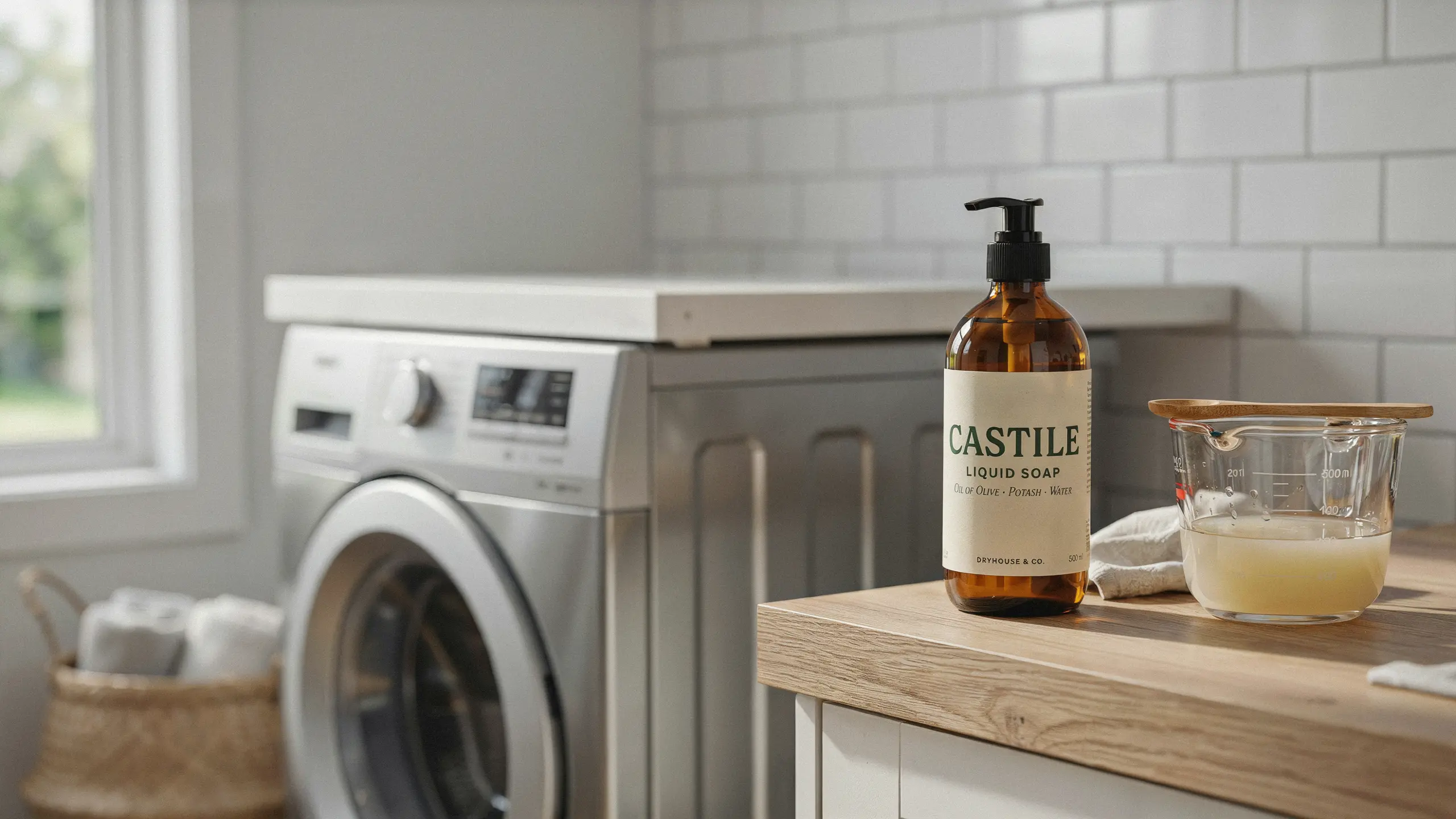
A diluted Castile soap option is gentle and effective for medium soiling.
Ingredients and tools:
-
2 tablespoons liquid Castile soap
-
1 cup warm water
How to make and use it:
-
Dissolve Castile soap in warm water.
-
Add to the detergent compartment for one heavy load.
19. Natural Fabric Softener Rinse
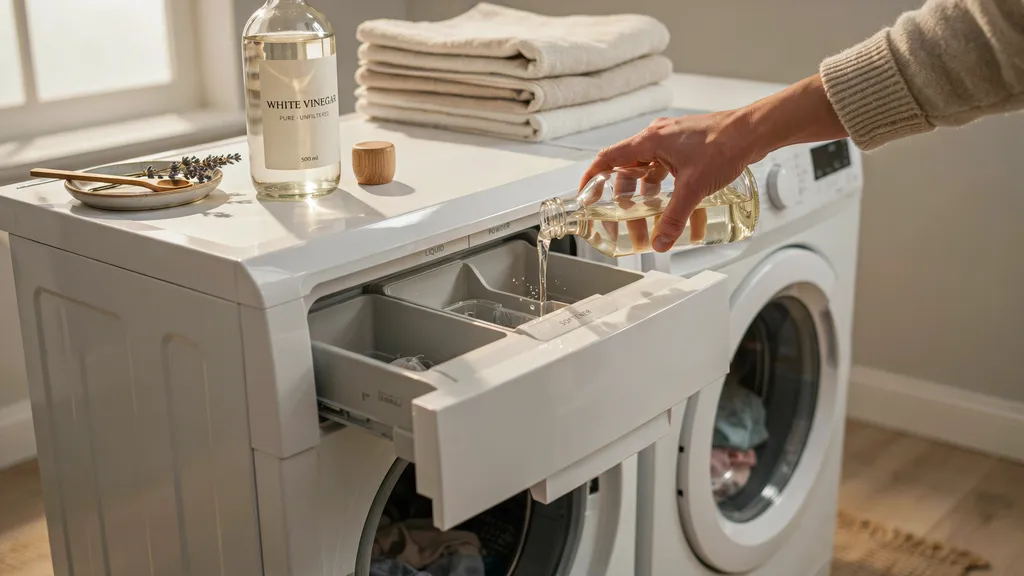
Vinegar acts as a rinse agent, reducing static and softening fibers without added fragrances.
Ingredients and tools: ½ cup white vinegar
How to use it: Pour ½ cup into the fabric softener compartment. Clothes will smell fresh after drying.
20. Carpet Stain Remover Spray
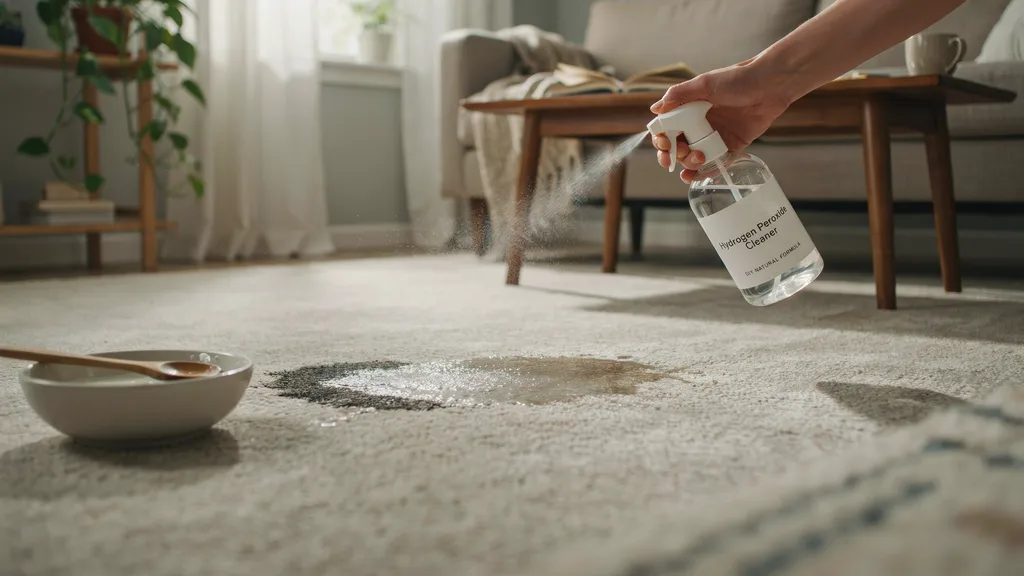
Hydrogen peroxide and dish soap break down organic stains without harsh chemicals if used carefully.
Ingredients and tools:
-
½ cup 3% hydrogen peroxide
-
1 tablespoon dish soap
-
Spray bottle, white cloth
How to make and use it:
-
Mix peroxide and dish soap in a spray bottle.
-
Spray on the stain, wait 5 minutes, then blot. Don’t rub.
21. Mattress Deodorizing Blend
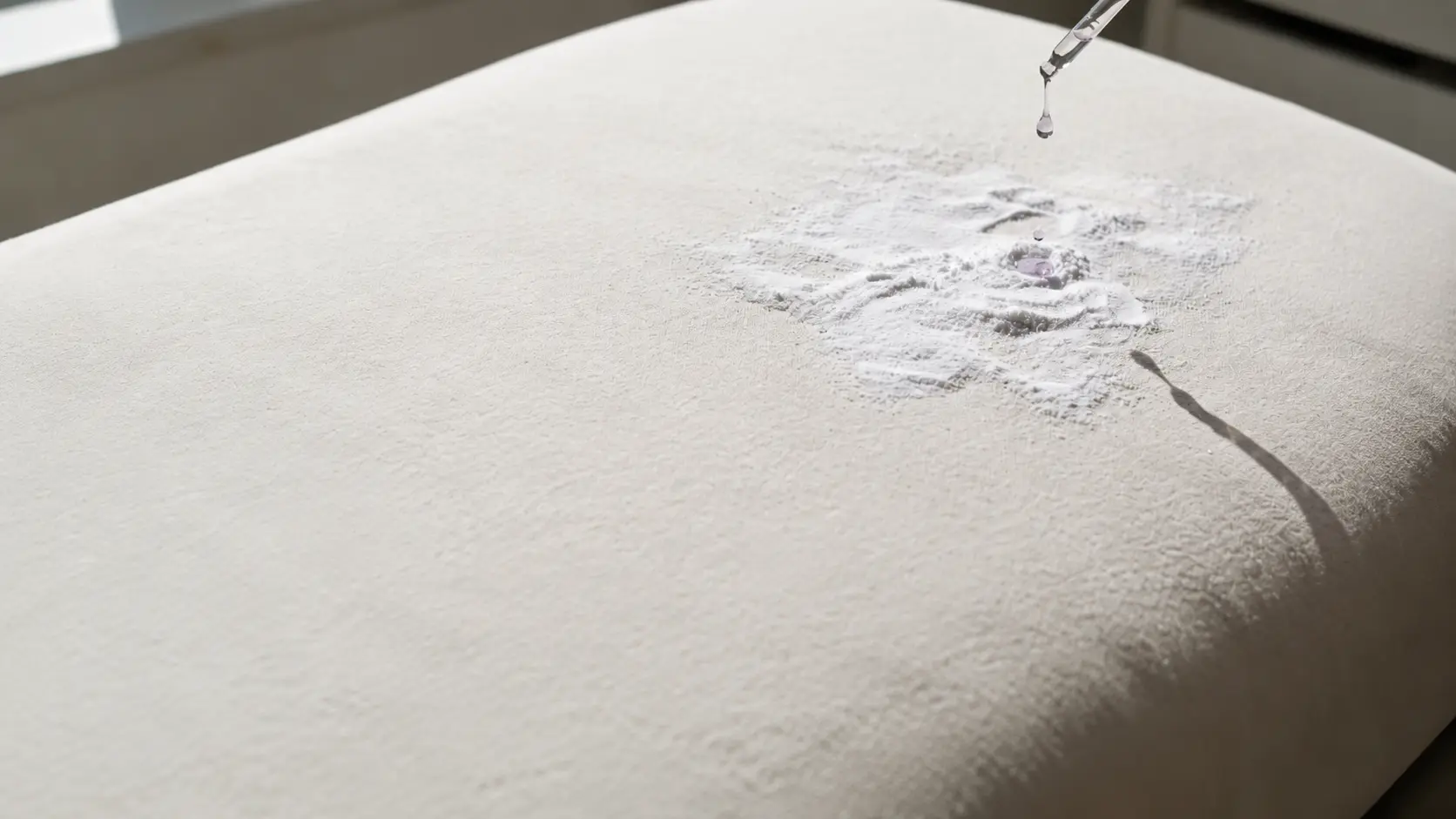
Baking soda absorbs odors and moisture; essential oil adds fragrance without heavy chemicals.
Ingredients and tools:
-
Baking soda
-
10 drops lavender essential oil
-
Vacuum cleaner with upholstery tool
How to make and use it:
-
Sprinkle baking soda over the mattress and add drops of oil.
-
Let it sit for 1 hour, then vacuum thoroughly.
22. Sink and Drain Deodorizer
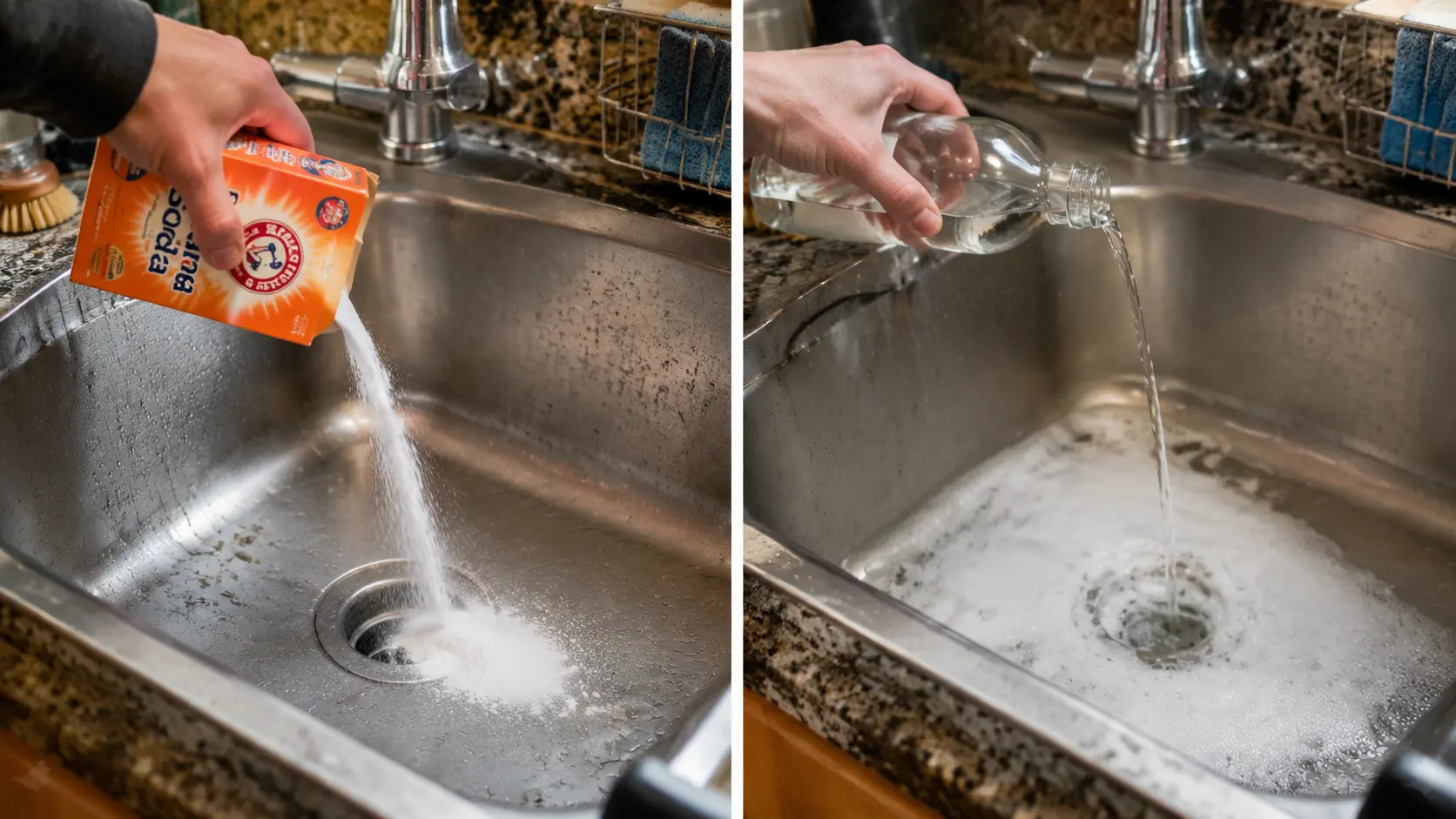
Baking soda and vinegar create a bubbling reaction that helps with cleaning a sink drain, clears light buildup, and neutralizes odors for a fresher drain system.
Ingredients and tools:
-
½ cup baking soda
-
½ cup white vinegar
-
Kettle of hot water
How to make and use it:
-
Pour baking soda down the drain, then add vinegar.
-
Let it bubble for 5 minutes, then flush with hot water.
23. Garbage Disposal Freshening Cubes
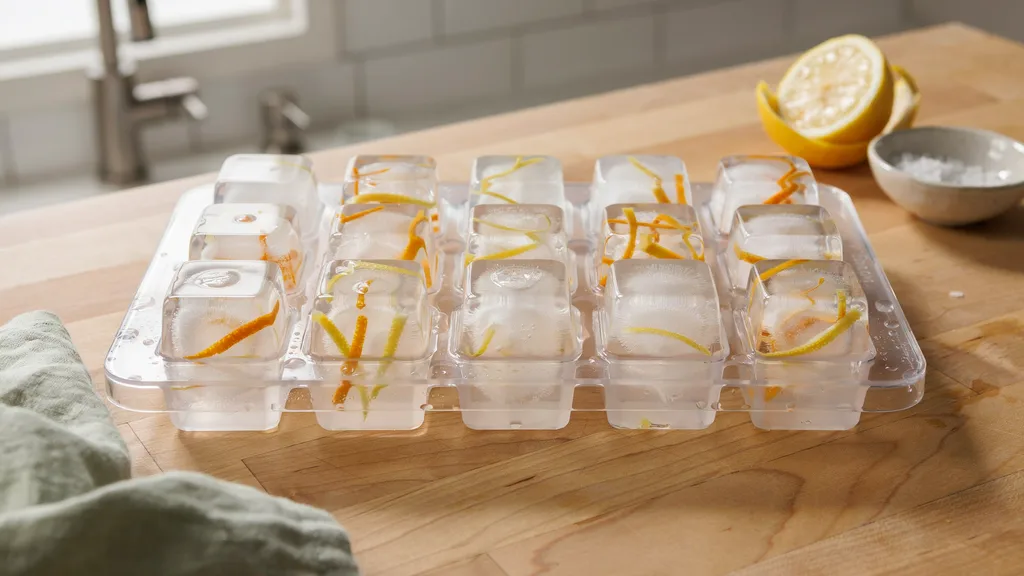
Frozen vinegar cubes with citrus zest scrub and deodorize garbage disposal blades.
Ingredients and tools:
-
White vinegar
-
Lemon or orange zest
-
Ice-cube tray
How to make and use it:
-
Place zest in the tray and fill with vinegar. Freeze solid.
-
Toss one cube in the disposal and run with cold water.
24. Shoe Odor Eliminator Powder
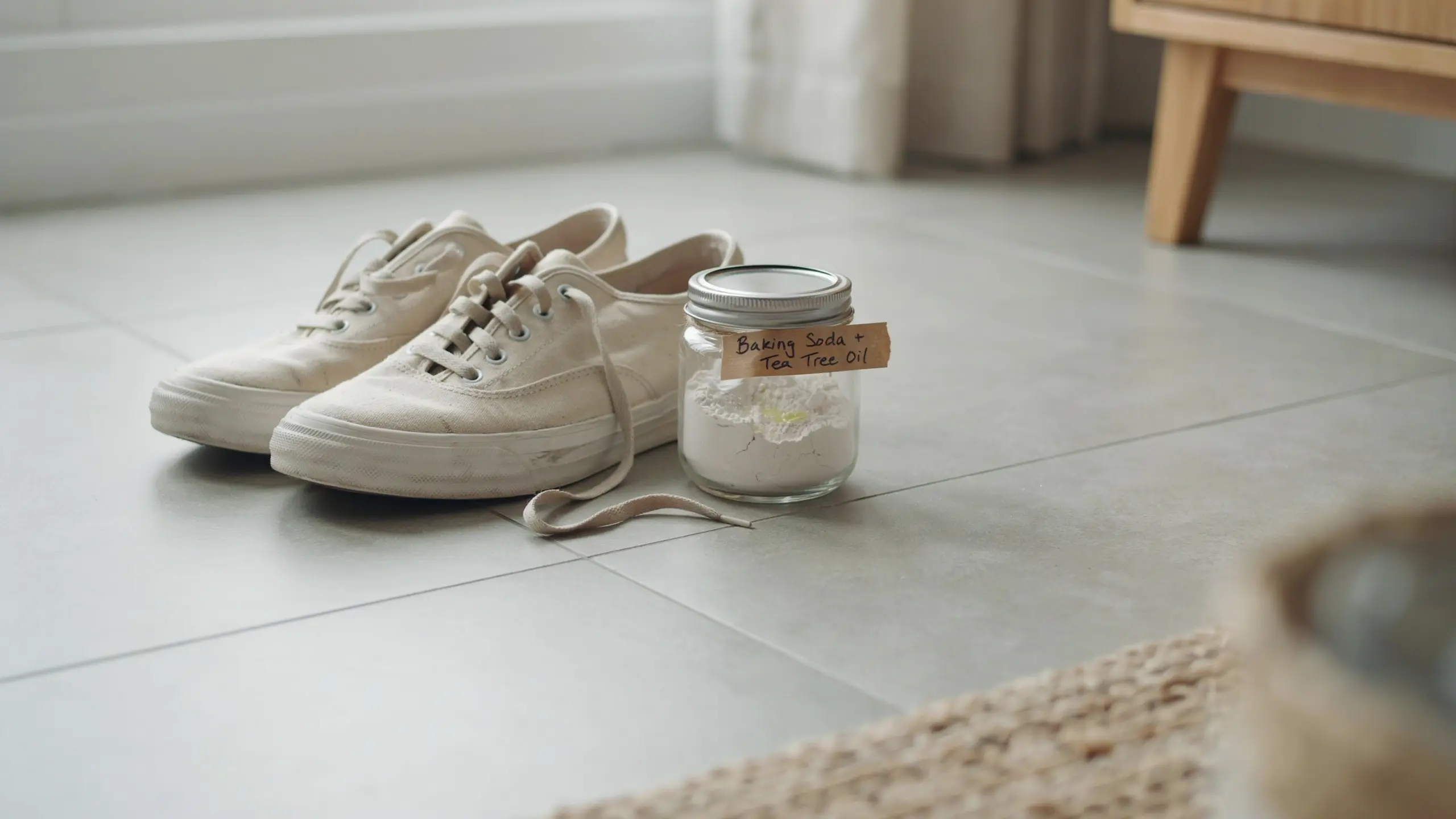
Baking soda with tea tree oil absorbs moisture and inhibits odor-causing bacteria.
Ingredients and tools:
-
½ cup baking soda
-
10 drops of tea tree oil
-
Small jar or shaker
How to make and use it:
-
Mix baking soda and tea tree oil. Let it sit for 10 minutes to disperse the scent.
-
Sprinkle inside shoes overnight, then shake out.
25. Trash Can Odor Spray
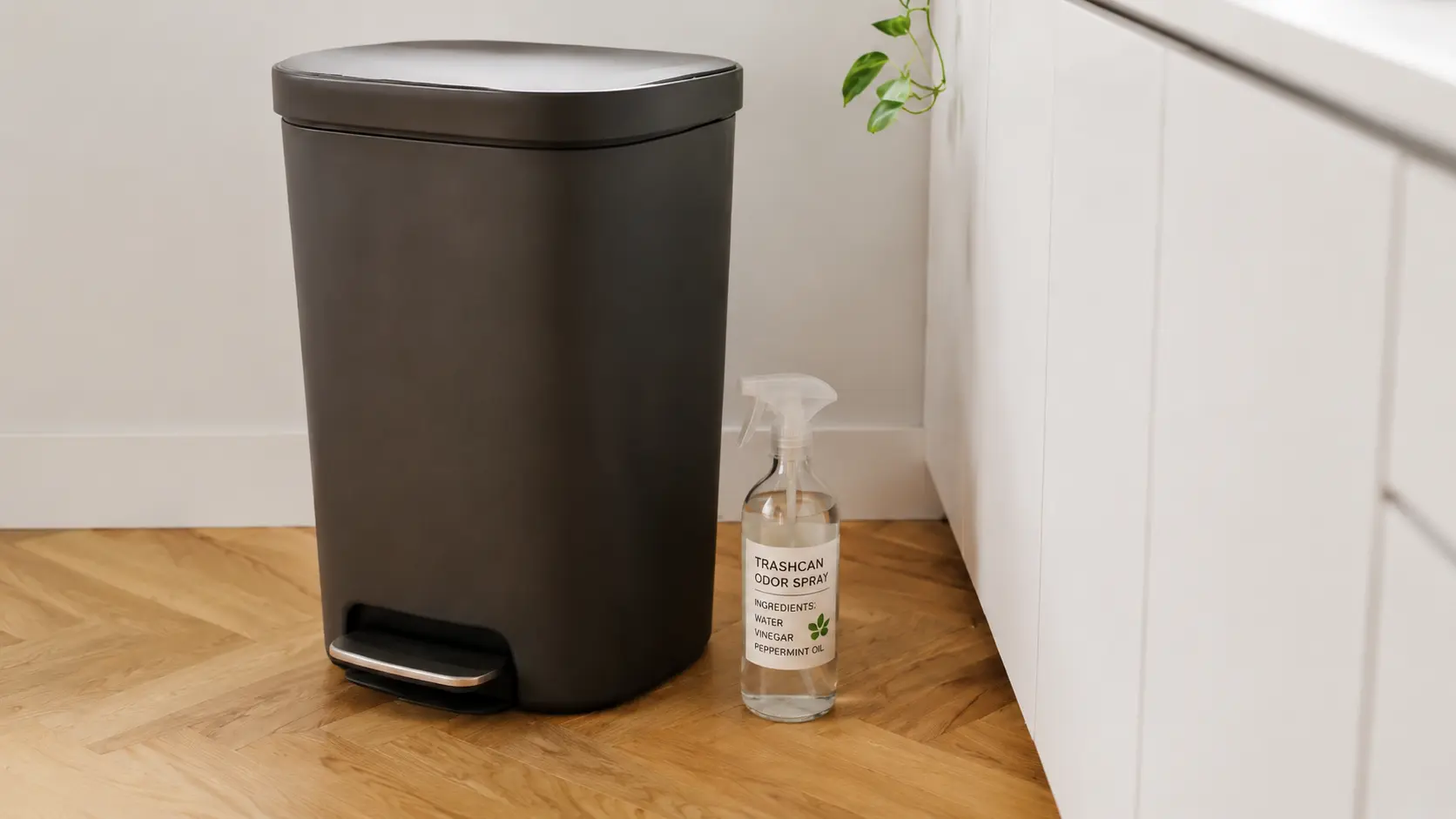
A simple spray with vinegar and peppermint oil keeps the bin smelling clean between washes.
Ingredients and tools:
-
1 cup water
-
1 tablespoon white vinegar
-
15 drops peppermint oil
-
Spray bottle
How to make and use it:
-
Mix water, vinegar, and peppermint oil in a spray bottle.
-
Spray inside the empty trash can and wipe dry. Repeat weekly.
What Safety Rules Should You Follow?
- Never mix vinegar with bleach: This creates chlorine gas. That’s dangerous.
- Never mix vinegar with hydrogen peroxide in the same bottle: They can form peracetic acid, which irritates skin and lungs.
- Avoid: vinegar on marble, granite, natural stone, cast iron, or waxed wood. The acid will slowly damage these surfaces.
- Always dilute properly: Undiluted Castile soap leaves a white film. Undiluted essential oils can irritate skin.
- Label every bottle: Write the ingredients and the date on a piece of tape. This matters if someone else uses it or if you forget what’s in it three weeks later.
- Store away from children and pets: Natural doesn’t mean harmless if swallowed or poured in the eyes.
How Should You Safely Store DIY Cleaning Products?
- Use glass spray bottles when possible. Vinegar and essential oils degrade plastic over time, especially if the mix sits for weeks.
- Keep solutions away from heat and direct sunlight: A dark cabinet under the sink works well.
- Label everything: Write the recipe name, ingredients, and date. A tape and a marker are all you need.
- Most mixes last 1–3 months: Enzyme- or soap-based mixes go off faster. When in doubt, make a fresh batch. It takes 5 minutes.
Fresh, small batches are more reliable than large ones sitting in storage for months.
What Are Common Issues with Natural Cleaning Solutions?
Natural cleaning solutions can be highly effective, but they sometimes have minor issues that are easy to fix once you know the cause.
Q: Cloudy residue on surfaces?
Ans: This usually happens when hard water mixes with vinegar or soap. Using distilled water or wiping the surface with a clean, damp cloth can help reduce residue.
Q: Sticky surfaces after cleaning?
Ans: This is usually caused by using too much Castile soap or essential oils. Reduce the amount in your next batch and rinse the surface with plain water if needed.
Q: Weak cleaning power?
Ans: This often happens due to over-dilution. Adjust the ratio by adding a bit more vinegar to address grease and mineral buildup, or a small amount more Castile soap to address grime.
Q: White mineral buildup not going away?
Ans: This is typically hard water scale or limescale. A straight vinegar soak for 10–15 minutes, followed by scrubbing, usually removes it effectively.
Conclusion
Making your own diy cleaning products doesn’t require a big commitment or a perfect system.
Start with two or three of these homemade cleaner recipes, for example, the all-purpose spray, the bathroom scrub, and the drain deodorizer are great places to start.
You’ll spend less. You’ll breathe better indoor air. And you’ll stop worrying about what’s in that unlabeled bottle under the sink.
My suggestion: pick one area of your home and swap out just the cleaners there. Once those work well, replace the rest one by one.
What’s the first natural cleaning solution you’re going to make? Let me know in the comments.
Frequently Asked Questions
Are DIY Cleaning Products Actually Cheaper Than Store-Bought?
Yes. Significantly. A gallon of white vinegar costs under $4. A 32 oz bottle of Seventh Generation all-purpose cleaner runs $7–$9.
Can I Use These Diy Cleaning Products on All Surfaces?
No. Avoid vinegar-based cleaners on marble, granite, natural stone, cast iron, and waxed wood. Always test a small hidden area before cleaning a full surface.
Can I Use Diy Cleaning Products in a Business?
Yes, but you must still follow local sanitation rules, and many jobs require the use of EPA-approved disinfectants to comply.
Do Essential Oils Improve Cleaning Power or Just Add Fragrance?
Mostly, they add fragrance with mild antimicrobial effects, but they don’t replace vinegar, soap, or peroxide for cleaning.
Why Do Some Natural Cleaning Solutions Stop Working Over Time?
Ingredients can separate or lose strength, especially in soap-based mixes, reducing overall cleaning performance.