California ADU Cost Guide, Backyard, Prefab & Attached ADUs

California ADU Cost Guide: Backyard, Detached, Prefab, and Attached ADU Costs Explained
More California homeowners are looking at ADUs because they need extra space, but do not want to move.
An ADU can become a place for aging parents, adult children, guests, renters, or a quiet home office. It can also help a homeowner make better use of a backyard, garage, or side yard that is not doing much today.
But before the design starts, most people ask the same question.
How much does an ADU cost in California?
The real answer is, it depends on the property and the type of ADU. A garage conversion is very different from a new backyard unit. A prefab ADU may sound simple, but it still needs site work, permits, foundation work, utility hookups, delivery access, and inspections. An attached ADU may save some space, but it still needs careful planning so it works well with the main home.
This guide explains the main cost factors in plain English, so you can have a better idea of what affects the price before you speak with a designer or builder.
What Is an ADU?
An ADU, short for accessory dwelling unit, is a second living space on the same lot as a main home. In California, an ADU usually has its own living area, sleeping area, kitchen, and bathroom.
There are a few common types.
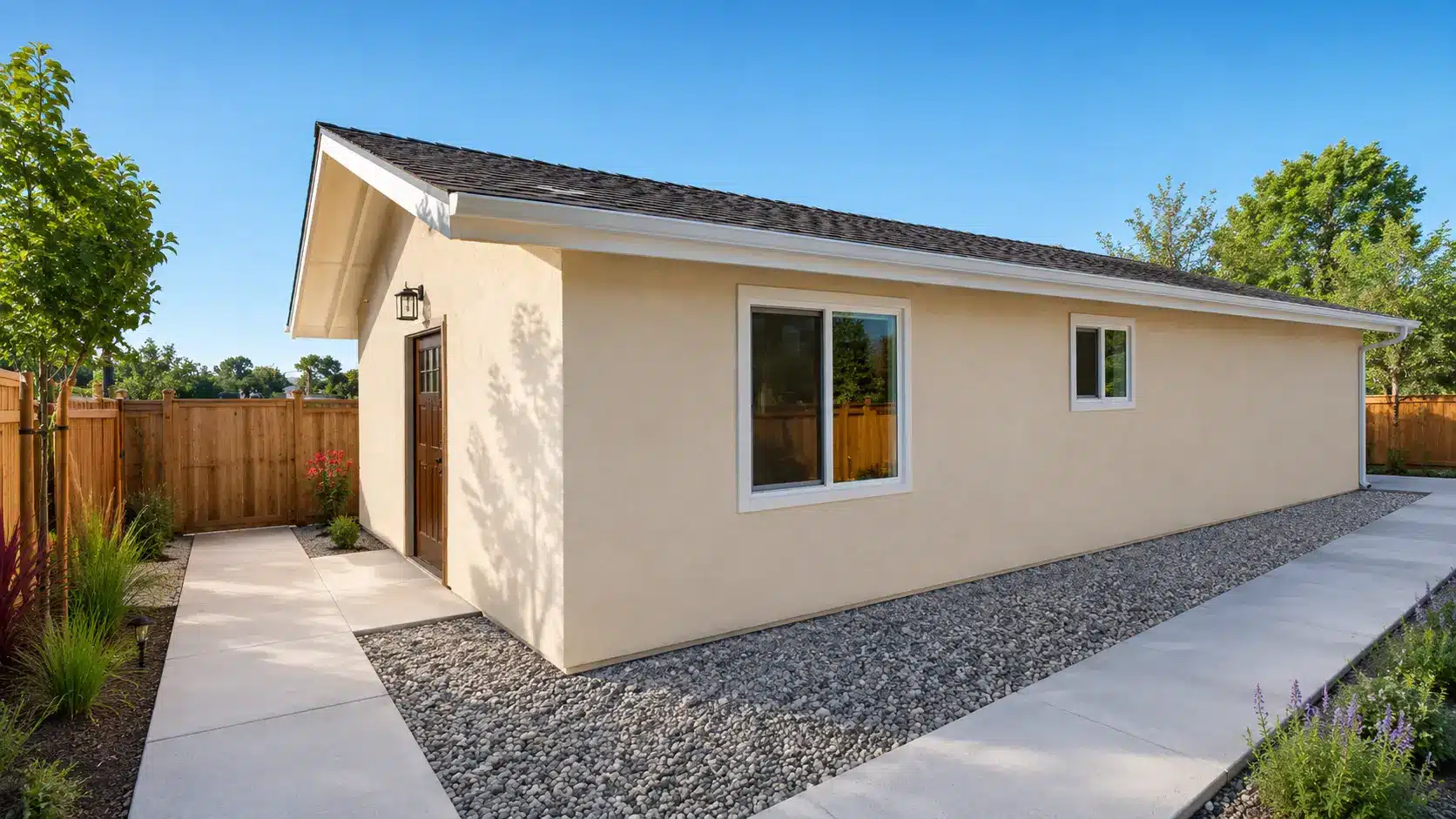
A detached ADU is separate from the main home. Many people call this a backyard ADU because it is often built behind the house.
An attached ADU is connected to the main home. It may be added to the side, back, or sometimes above part of the existing house.
A garage conversion ADU turns an existing garage into living space.
A prefab ADU is built partly or fully off-site, then delivered or installed on the property.
A junior ADU, also called a JADU, is smaller. In California, it is limited to 500 square feet and is built inside the existing home.
Each type can be useful, but each one has different cost factors.
How Much Does an ADU Cost in California?
One helpful statewide data point comes from the Terner Center for Housing Innovation at UC Berkeley. Its ADU owner survey found that the median ADU construction cost in California was $150,000, or about $250 per square foot.
That number is useful, but it should not be treated as a fixed price for every project today. Costs can be much higher in places like San Diego, Los Angeles, Orange County, and the Bay Area. Labor, materials, permits, utility upgrades, site access, and finish choices can all change the final price.
A small garage conversion may cost much less than a custom detached ADU. A large two-bedroom backyard ADU with new utilities, solar, a new foundation, and higher-end finishes may cost much more.
That is why the question should not only be, “How much does an ADU cost?” A better question is, “What does this ADU need on this property?”
Why Backyard ADUs Often Cost More
A detached backyard ADU gives you privacy. That is why many homeowners like this option for rental income, family housing, guests, or a private work space.
But a detached ADU is usually one of the more expensive options because it is a new building. It may need a new foundation, framing, roof, exterior walls, windows, plumbing, electrical, insulation, heating and cooling, drywall, flooring, cabinets, and appliances.
The distance from the main home can also affect cost. If the new ADU is far from water, sewer, gas, or electrical service, the project may need trenching and longer utility lines. If the yard is sloped, tight, or hard to reach, labor can also cost more.
Detached ADUs may also need solar under California energy rules. Solar does not always have to sit on the ADU itself, but it should be discussed early because it can affect the budget and the permit plan.
Is a Prefab ADU Cheaper?
Prefab ADUs can be a good fit for some homeowners, but the word “prefab” can cause confusion.
A prefab ADU may reduce some on-site building time because part of the unit is built in a factory or controlled setting. This can help with schedule and quality. But prefab does not mean the whole project is finished when the unit arrives.
The property still needs plans, permits, site preparation, foundation work, utility connections, delivery access, inspections, and sometimes finish work after installation.
This is where many homeowners get surprised. A prefab company may advertise a base unit price, but that price may not include everything needed to make the ADU legal, safe, and ready to use.
Before comparing prefab and traditional construction, ask what is included. Does the price include permits, foundation, sewer, water, electrical, heating and cooling, delivery, crane work, inspections, decks, stairs, and repairs to the yard after construction?
A prefab ADU can save time in the right situation, but the full project cost matters more than the unit price.
Garage Conversion ADUs Can Be Smart, but Not Always Simple
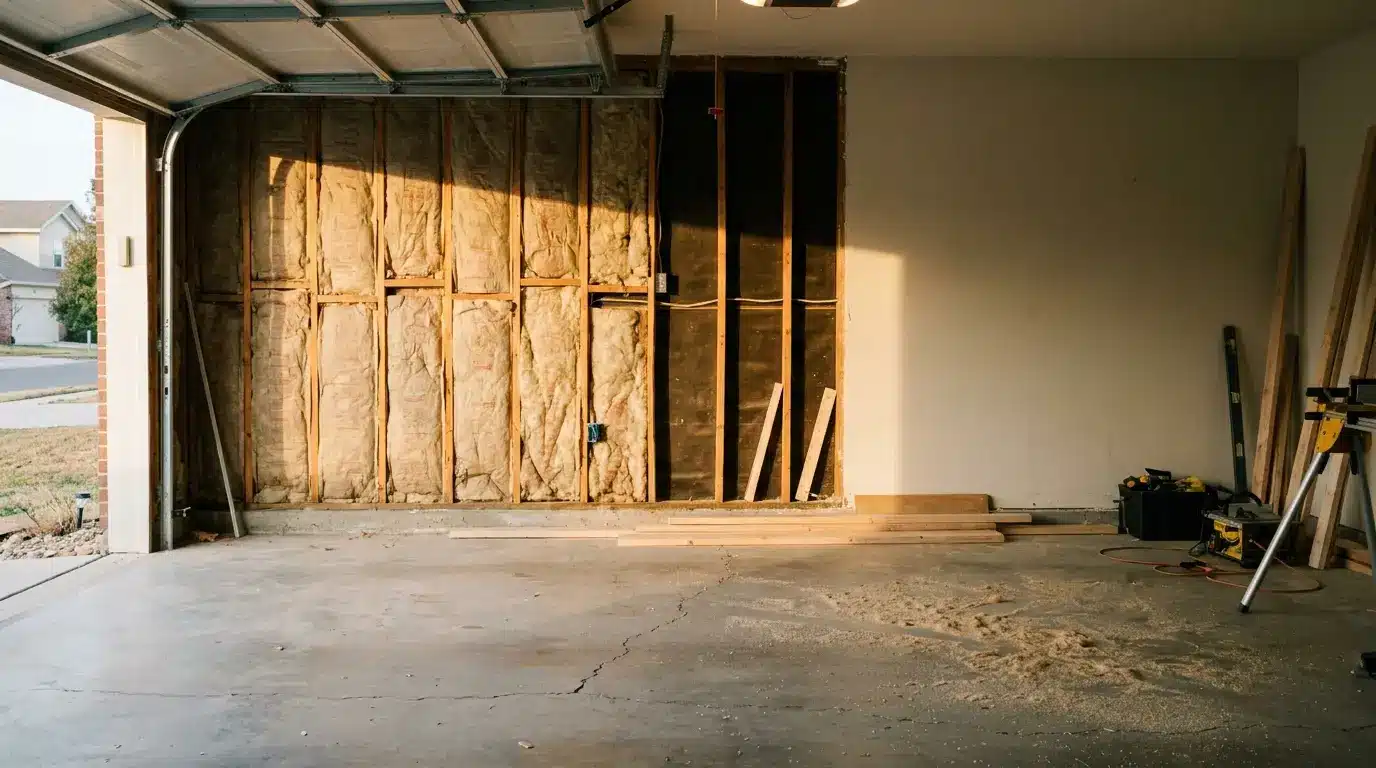
A garage conversion can be one of the more affordable ADU paths because the structure already exists. The walls, roof, and slab may already be there.
But a garage was not always built to feel like a home. Many garages need insulation, drywall, plumbing, electrical work, better windows, heating and cooling, fire separation, and moisture control. Some need foundation repairs or structural upgrades.
That is why a garage conversion should start with a real inspection. If the garage is in good shape, it may be a strong choice. If it has cracks, leaks, low ceiling height, or poor framing, the cost can rise fast.
One reason many California homeowners still like garage conversions is that they can add useful space without building a whole new structure in the yard. This can be helpful on smaller lots, or on properties where a detached ADU would take up too much outdoor space.
Attached ADUs Can Be a Good Middle Option
An attached ADU connects to the main house. It can work well for family members, caregivers, or guests who need privacy but still want to stay close.
Cost depends on how the new space connects to the home. Sometimes an attached ADU can use part of the existing structure. Other times it needs new foundation work, roof changes, framing, engineering, and careful design.
Attached ADUs also need good planning around sound, privacy, entrances, windows, and parking. If the ADU shares a wall with the main home, the layout should make daily life feel comfortable for both sides.
A good attached ADU should not feel like a random room added to the house. It should feel planned, useful, and easy to live in.
California ADU Rules That Can Affect Cost
California has made ADUs easier to build in many ways, but that does not mean every ADU is quick or cheap.
Under state rules, local agencies generally have 60 days to approve or deny a complete ADU application. That can help homeowners avoid long waits, but the application still needs to be complete and accurate.
Impact fees can also affect the budget. In California, ADUs that are 750 square feet or smaller are exempt from many impact fees. Larger ADUs may still have impact fees, but those fees must be based on the size of the ADU compared with the main home.
Parking rules can also help some projects. In many cases, cities cannot require extra parking for certain ADUs, such as those close to public transit or those built inside existing space. Garage conversions may also avoid replacement parking rules in many cases.
Still, local details matter. Coastal zones, fire areas, historic areas, hillside lots, utility rules, and city standards can all affect what is possible.
For example, a San Diego homeowner may deal with different site and permit details than a homeowner in Sacramento or Fresno. That is why local review matters before setting a firm budget.
Costs People Forget to Budget For
Many homeowners think first about the building itself. That makes sense, but the ADU budget usually includes more than walls, floors, and a roof.
You may also need architectural plans, engineering, permit fees, utility upgrades, sewer work, water lines, electrical panel upgrades, heating and cooling, appliances, solar, drainage, grading, hardscape repair, and landscaping repair.
Older homes can bring extra surprises. The main electrical panel may not have enough capacity. The sewer line may need work. The yard may have drainage issues. The garage may not be strong enough for a clean conversion.
It is also smart to keep a contingency in the budget. Even with good planning, ADU projects can uncover problems once work begins.
Property taxes are another point to know. In California, new construction can add assessed value to a property. In most cases, the existing home is not fully reassessed just because an ADU is built. The added value of the new construction is what can affect the tax bill.
How to Protect Yourself Before Hiring a Contractor
An ADU is a real home improvement project, so the contract matters.
California’s Contractors State License Board tells homeowners not to pay too much money upfront. In California, the down payment on a home improvement contract cannot be more than $1,000 or 10% of the contract price, whichever is less.
That rule is worth knowing. If someone asks for a large payment before work starts, slow down.
Homeowners should also check the contractor’s license, ask for references, confirm insurance, and make sure the contract explains who handles permits. Change orders should be in writing, and the scope should be clear before work begins.
A low bid can look good at first, but it may not include everything. Ask what is excluded. Ask what happens if utilities need upgrades. Ask who pays for permit corrections. Ask how changes are priced.
Clear answers at the start can prevent stress later.
Choosing the Right ADU Type
The best ADU type depends on your goal.
If you want rental income and privacy, a detached backyard ADU may make sense. If you want to house a family member close to the main home, an attached ADU may feel better. If you have an unused garage in good condition, a garage conversion may be the most practical option. If you want a more controlled build process, prefab may be worth reviewing.
The right choice also depends on your lot. A flat yard with easy access is different from a narrow yard, a sloped lot, or a property with older utilities.
This is why the first step should be planning, not picking a style from a photo. The ADU needs to match the property, the budget, and the way the space will be used.
For homeowners in Southern California, working with a design-build team such as IL Total Design and Build can make this early stage easier. A team that understands design, permits, and construction can help compare ADU types, spot cost issues, and explain what is realistic before the project moves too far.
Final Thoughts
An ADU can be a great way to add space in California, but the cost depends on many small details.
A detached ADU gives more privacy, but it often costs more because it is a new building. A prefab ADU may save time, but it still needs site work and permits. A garage conversion can be a smart use of existing space, but only if the garage is ready for living use. An attached ADU can be a strong middle option, but it needs thoughtful design.
The best ADU plan starts with honest questions. What will the space be used for? What does the lot allow? What utilities need work? What will the city require? What is included in the price?
When those answers are clear, it is much easier to build an ADU that fits the home, the budget, and the people who will use it.