Corporate Event Design Ideas for Conferences, Galas, and Product Launches

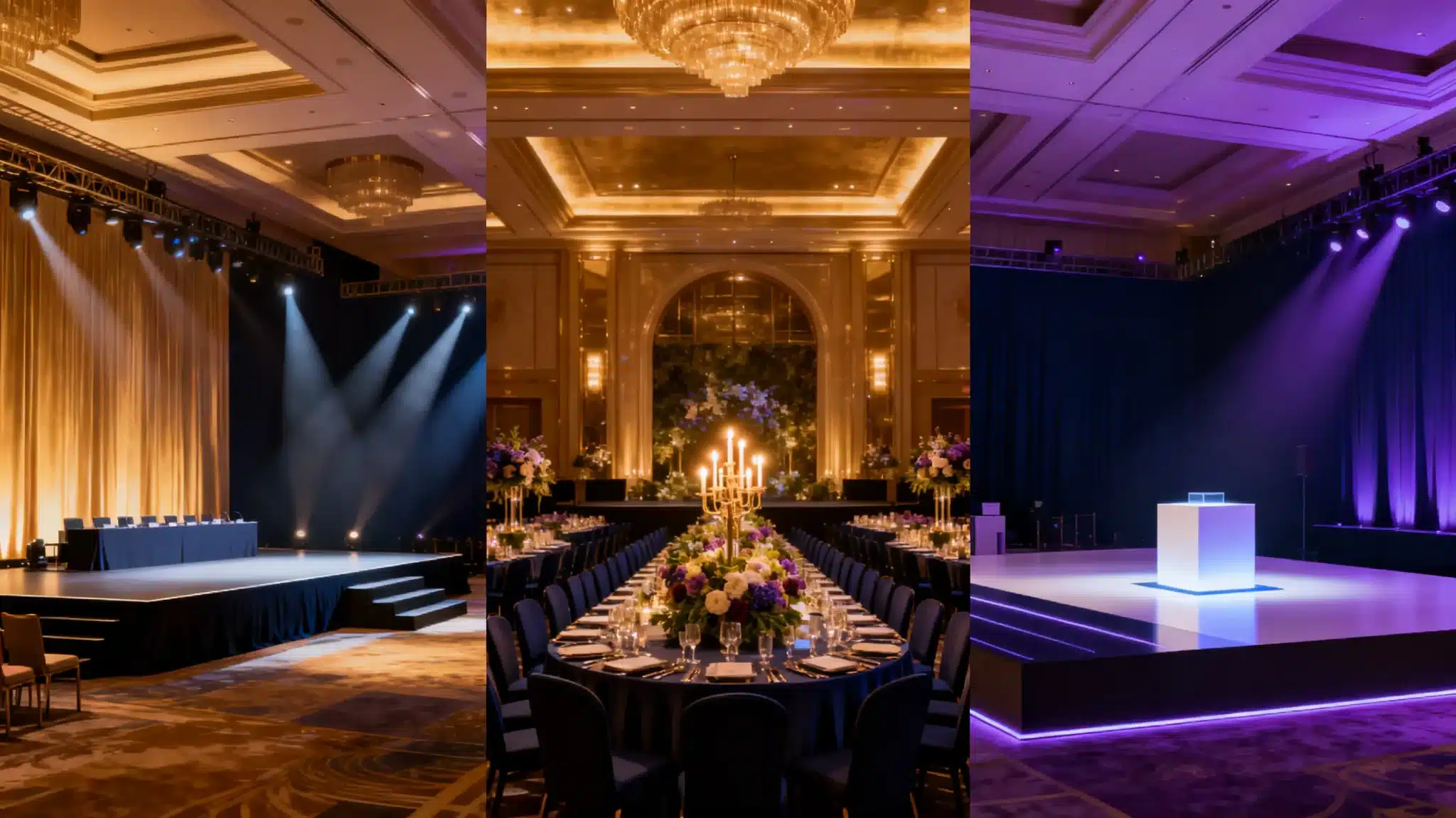
Corporate event design is what makes a business gathering feel intentional and memorable. A conference needs clarity, while a gala needs atmosphere, and a product launch needs energy that pulls people toward the story. The right design connects the room setup with the message people came to hear. When each detail supports the event goal, guests do more than attend. They leave with a clearer message and a stronger connection to the brand long after the event is fully over.
Why Corporate Event Design Matters
Corporate event design works best when every visual and technical choice supports the room’s purpose. Photo booths, branded backdrops, lighting, stage pieces, and LED wall Rental can all shape how the space feels. When these elements are planned together, the event looks more complete and less like separate vendors were added at the end.
Good design also helps guests understand where they are and what they should feel. A conference should feel clear and organized from the moment guests arrive. A gala should feel warm, polished, and worth dressing up for.
For product launches, the design needs to build attention before the reveal happens. The space should guide guests toward the product story without making the room feel too staged. When the design supports the moment, the launch feels more powerful and easier to remember.
Conference Event Design Ideas
Conference design should help people focus, move easily, and stay engaged throughout the day. The best ideas support learning without making the room feel cold or too corporate.
Build a Strong Main Stage
The main stage should feel important without becoming distracting. Use a clean backdrop, strong screen placement, and simple lighting to keep attention on the speaker. The goal is to make every keynote feel clear from the front row to the back.
Create Comfortable Breakout Areas
Breakout spaces should feel like part of the main event, not side rooms with chairs. Use branded signs, soft seating, and clear room layouts to help guests move with less confusion. A better breakout setup makes smaller sessions feel more valuable.
Add Networking Zones
Networking areas should give guests a reason to stay between sessions. A lounge-style setup can make conversations feel easier than standing in a hallway. Add light branding so the space still feels connected to the event theme.
Gala Event Design Ideas
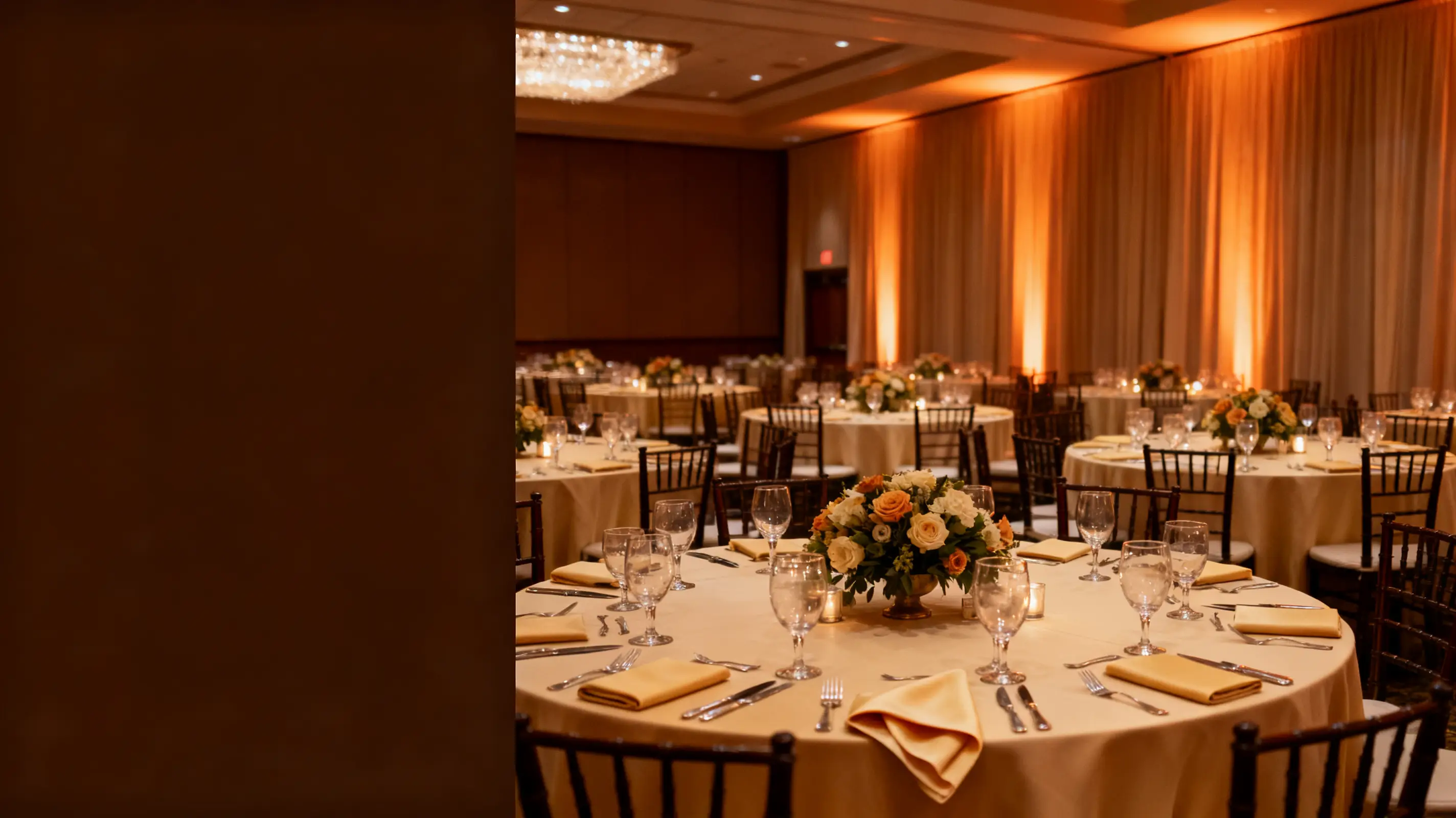
Gala design should create a sense of occasion from the first step inside the venue. Every detail should support the mood without making the event feel stiff or overdone.
Design a Memorable Entrance
The entrance sets the first emotional tone of the gala. Use lighting, floral details, branded displays, or a step-and-repeat area to create a clear arrival moment. Guests should feel like the event has already started before they reach the ballroom.
Use Lighting to Shape the Room
Lighting can change how guests feel inside the space. Soft lighting can make dinner feel elegant, while stronger lighting can support awards or live entertainment. When lighting changes throughout the evening, the event feels more planned and less flat.
Make Tables Part of the Experience
Tables should support the gala theme without blocking conversation. Centerpieces, menu cards, and place settings should feel polished but still practical for guests. A well-designed table helps the whole room feel complete.
Product Launch Event Design Ideas
A product launch should feel focused on the product’s story. The design needs to build interest before the reveal and keep that attention after the main moment.
Create a Reveal Moment
The reveal should feel like the center of the event. Use lighting, screens, sound, and stage timing to make the product introduction feel intentional. A strong reveal gives guests something to remember and share afterward.
Build Interactive Product Areas
Guests should be able to experience the product, not just hear about it. Create demo stations, guided testing areas, or small experience zones where people can explore key features. This makes the launch more useful for media, customers, and internal teams.
Keep the Brand Story Clear
Every design choice should support the product message. Colors, visuals, room flow, and speaker content should feel connected to the same story. If the room looks impressive but the message feels unclear, the launch can lose impact.
Design Details That Shape the Guest Experience
Small details can change how guests move, feel, and respond during a corporate event. These design choices help the space feel smoother without making the setup feel crowded.
- Use branded entry visuals to set the tone before guests reach registration or step into the main room.
- Add lounge spaces where attendees can rest between sessions while staying connected to the event atmosphere around the room.
- Use lighting changes to guide attention, support key moments, and make each part of the event feel planned.
- Place sponsor branding where it feels useful, not where it interrupts movement or weakens the overall guest experience.
- Create photo moments that fit the event theme, so guests share branded content without feeling pushed too hard.
- Keep signage simple enough to guide guests while still matching the design style planned for the event space.
Match the Design With Venue, Audience, and Flow
Entertainment should match the room, not just fill time on the schedule. Companies hire DJs for receptions, galas, after-parties, or launch events to support the energy of each moment. A soft arrival mix, a stronger post-dinner set, or a product reveal cue can all change how guests feel in the space.
The venue should also guide the design direction. A hotel ballroom may need stronger lighting and staging to feel unique. A museum, rooftop, or warehouse may already have character, so the design should build on the space rather than hide it.
Audience behavior matters just as much as the room. Executives may want a clean and calm setup, while younger brand audiences may expect something more social and interactive. When the design fits the people in the room, the event feels more natural.
Production Ideas That Bring the Room Together
Event design works better when creative choices and technical production are planned together. The best ideas look smooth because the setup, timing, and guest movement all support the same goal.
- Use scenic stage elements to make speaker sessions feel more branded without overwhelming the main presentation area.
- Add live camera feeds for larger rooms, so guests can see speakers clearly from every seat.
- Use branded motion graphics between sessions to keep the screen active and support the event identity.
- Plan sound coverage carefully, because poor audio can weaken even the most polished visual design.
- Add a photo booth or content station where guests can create branded memories during natural event breaks.
- Use lighting cues during awards, reveals, or speaker changes to make each key moment feel more intentional.
Conclusion
Corporate event design should make the event’s purpose easier to feel and understand. Conferences need focus, galas need atmosphere, and product launches need a clear sense of excitement.
The strongest event ideas are not always the most complicated ones. They are the ones who support the room, the audience, and the message without diverting attention from the main goal. When design and production work together, the event feels more polished from the first arrival to the final moment.