
How to Make HVAC Systems More Energy Efficient at Home

Managing home energy bills is a goal for many homeowners. Heating and cooling systems work hard to keep us cozy, but they often use a lot of electricity. Making simple adjustments to your daily habits can lower these utility bills. Small changes lead to big savings over time. Let us explore the best ways to make your home heating and cooling setup work better for your wallet.
Heating and Cooling Your Home Smartly
Keeping your living spaces comfortable requires a lot of power. Heating and cooling make up 55% of total household energy consumption in the U.S. Reducing this massive energy share requires smart management of your temperature settings. You can cut down on waste by paying attention to how your machinery operates daily.
Modern homes rely heavily on these climate control systems. When you optimize the way your machine runs, you protect the equipment from wearing out too fast. This means fewer repair bills down the road. It pays to understand where your energy dollars go every single month.
Taking control of your energy use starts with awareness. You can track your daily utility consumption online to see when your home uses the most power. This information helps you pinpoint areas where you can cut back. Making minor lifestyle changes can yield excellent results.
Find Your Sweet Spot on the Thermostat
Many people constantly nudge their thermostat up and down throughout the day. This constant shifting forces your heater or air conditioner to work in short, inefficient bursts. Finding a stable temperature helps maintain a steady energy flow. Your system runs much better when it stays at one set point for long periods.
Adjusting your habits might take a few days to get used to. You can dress in layers during colder months to stay warm. During hot summer days, light clothing and open windows can help you feel comfortable without turning on the AC.
Managing your comfort does not mean you have to freeze or sweat. Finding a middle ground allows your machine to rest without sacrificing your personal comfort. Small adjustments can keep your wallet happy.
Adjusting for Seasonal Shifts
Small changes to your temperature target can yield surprising financial rewards. You can save as much as 10% a year on heating and cooling by turning your thermostat down 7 to 10 degrees for 8 hours a day in the fall and winter. This simple trick works perfectly when you are asleep or away at work. It keeps your system resting when you do not need active climate control.
Warm weather offers similar opportunities for easy budget cuts. Each degree you raise your thermostat can save you about 3 to 5 percent on cooling costs. Setting the air conditioner slightly higher when you leave the house pays off. Your budget will reflect these savings quickly.
- Lower temperatures at night
- Use programmable schedules
- Adjust when you leave
- Keep sensors clear
- Dress for the season
Automate with Smart Tech
Manual adjustments are easy to forget when you live a busy life. Smart thermostats take the guesswork out of managing your indoor climate. These modern devices learn your daily schedule and adjust the temperature automatically. You can control them using your smartphone from anywhere in the world.
This technology prevents energy waste when plans change unexpectedly. If you stay late at the office, you can delay your heating system from starting up. Some models even track local weather patterns to adjust your indoor air. Investing in smart tech helps your household run much more smoothly.
These tools also provide detailed reports on your weekly energy habits. You can see exactly when your heater runs and how much electricity it consumes. This data empowers you to make smarter decisions about your daily settings.
Seal Up Those Hidden Air Leaks
Tiny gaps around your house can drain your heating and cooling budget. Up to 30% of a home’s heating and cooling can escape through leaks and cracks. These hidden holes allow conditioned air to drift outside while letting drafts slip indoors. Finding and sealing these spots is a smart weekend project.
You can use caulk or weatherstripping to seal gaps around doors and windows. Inspect your attic and basement for drafty areas where pipes enter the house. Filling these empty spaces keeps your indoor air exactly where it belongs. Your air conditioner will not have to work double time to combat outside drafts.
Poor insulation in key areas can make these draft issues even worse. Adding sealant to these gaps creates a tight barrier that blocks outside elements. This simple task makes your indoor spaces feel much cozier during extreme weather.
Give Your Air Ducts Some Love
Air ducts act as the highway system for your indoor climate control. In a ducted HVAC system, 20 to 30 percent of the air that moves through the ducts is lost due to leaks, holes, and poorly connected ducts. This means your system is actively heating or cooling unused spaces like your attic or crawlspaces. Fixing these pathways makes a massive difference.
Keeping up with system maintenance keeps your home comfortable year-round. Calling a trustworthy HVAC company in Carrollton helps prevent unexpected system breakdowns before summer. These experts keep your setup running efficiently, so you save cash on power bills.
Sealing and insulating ducts can improve the efficiency of your heating and cooling system by as much as 20 percent. You can use mastic sealant or heavy metal tape to fix loose joints. Insulating ducts in unconditioned areas keeps the air hot or cold until it reaches your living spaces. Your system will run much more smoothly as a result.
Choose High Efficiency Upgrades
Old appliances simply use more electricity than modern options. If your heating or cooling system is over ten years old, it might be time to shop for an upgrade. New models utilize advanced engineering to provide excellent comfort while using far less fuel.
While the initial purchase requires an upfront cost, the long-term savings are significant. Your monthly power bills will drop immediately after installation. You may qualify for local tax credits by choosing certified energy-saving equipment.
Modern units also operate much more quietly than older, clunky machines. This upgrade improves your peace of mind while lowering your carbon footprint. Investing in your home infrastructure raises your overall property value.
Look at the Ratings
When shopping for a new machine, always check the efficiency ratings. Air conditioners use the Seasonal Energy Efficiency Ratio to measure performance. Higher numbers mean better performance and lower utility costs.
Heating systems use similar rating metrics to show how much fuel they convert to heat. Understanding these numbers helps you make an educated purchase. You can choose a system that perfectly fits your regional climate and home size.
Consulting with a professional can help you decipher these rating systems. They can calculate the exact size your home requires to prevent overworking a small unit. Choosing the correct size is a critical step in maximizing your monthly savings.
Think About Variable Speed Systems
Older units typically run at one speed, turning fully on or completely off. Replacing a single-stage or two-stage air conditioner or heat pump with a multi-speed or variable speed system can increase comfort while decreasing energy usage. These modern units run continuously at lower speeds to maintain a steady temperature.
This continuous operation uses less power than starting up repeatedly. It helps manage indoor humidity levels much more effectively. Your home stays consistently comfortable without the annoying temperature swings of older machinery.
These systems adapt to the shifting weather outside throughout the day. They only run at full power when extreme temperatures demand it. This smart adaptation saves wear and tear on your equipment.
Schedule Regular System Tune Ups
Regular maintenance keeps your machinery operating at peak performance. A well-maintained HVAC system can use up to 15 percent less energy, helping reduce your monthly energy costs. Techs can spot minor issues before they turn into expensive breakdowns.
Annual tune-ups usually include cleaning coils, checking electrical connections, and testing system safety. Getting your system checked before summer and winter prevents major headaches during extreme weather. Taking care of your equipment extends its overall lifespan.
Skipping these tune-ups can lead to sudden, expensive system failures when you need comfort the most. A clean machine runs smoothly without wasting power on dirty parts. Regular checkups protect your investment over the long haul.
- Clear outdoor debris
- Change dirty filters
- Seal leaky vents
- Check thermostat batteries
- Schedule annual tune-ups
Swap Out Old Air Filters
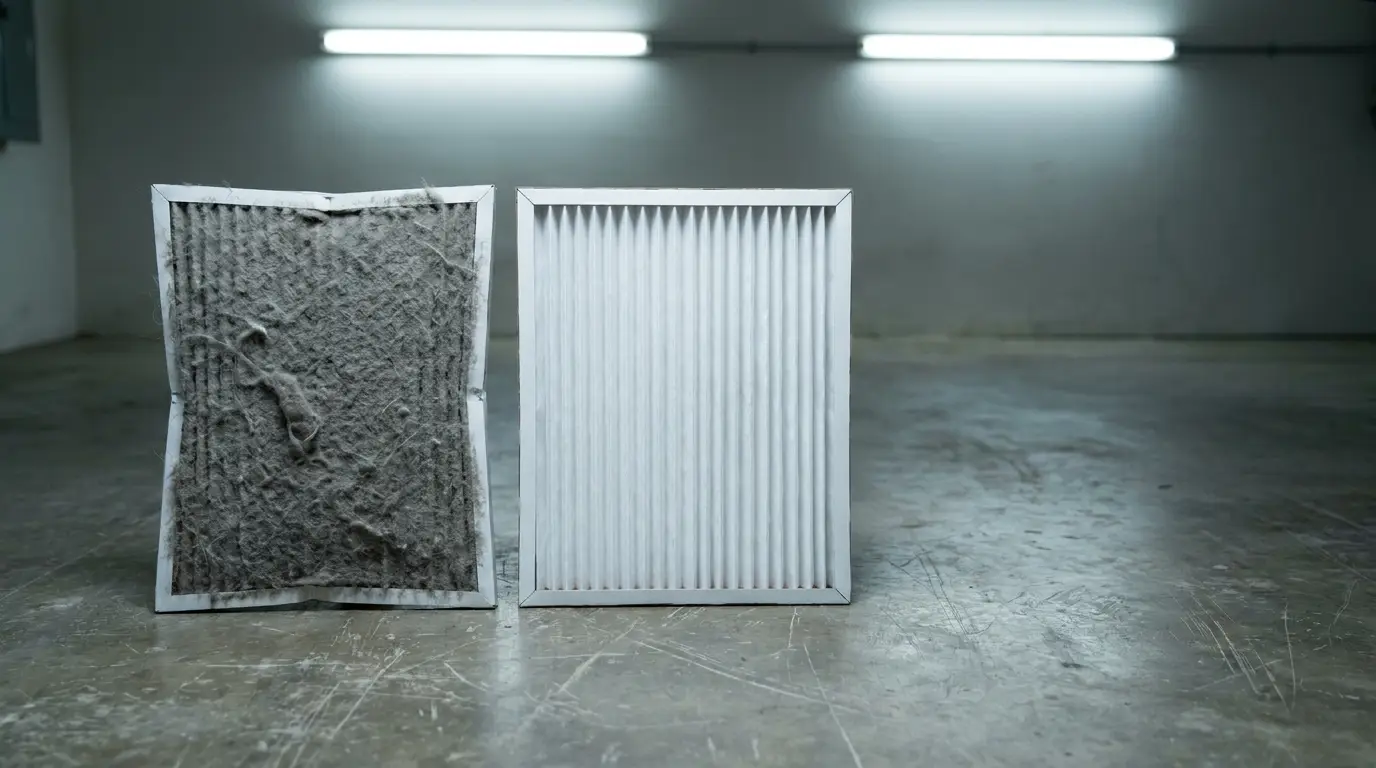
Dirty air filters block normal airflow through your heating and cooling equipment. This restriction forces your blower motor to work much harder to distribute air. Changing your filter every one to three months is one of the easiest ways to save energy.
Standard filters collect dust, pet dander, and pollen over time. If you have pets or allergies, you may need to swap them out more frequently. Clean filters improve your indoor air quality while protecting sensitive internal system components.
This simple task takes less than five minutes to complete. It keeps your system breathing easily and prevents the motor from overheating. Stocking up on replacement filters makes it easy to stay on schedule.
Keep Outdoor Units Clean and Clear
Your outdoor condenser unit needs plenty of space to release heat. Plants, high grass, and fallen leaves can block the airflow around this critical piece of machinery. Clearing away debris helps the system shed heat quickly and efficiently.
You can use a garden hose to gently spray dirt and pollen off the metal fins. Avoid using a high-pressure washer, as this can bend the delicate aluminum parts. Keeping the surrounding area clear allows your system to breathe.
Try to maintain a two-foot clearance zone around the entire unit. Trim back bushes and pull weeds regularly to keep the pathway open. This simple chore keeps your cooling system working at its best.
Use Window Coverings to Block Heat
Sunlight pouring through windows can warm up your home quickly during summer. This solar heat gain forces your cooling system to run constantly. Closing your blinds, curtains, or drapes during the hottest parts of the day keeps your home cooler.
You can choose light-colored window treatments to reflect the sun away from your house. In winter, opening those same curtains allows natural sunlight to warm your rooms for free. Utilizing natural light and shade is an effortless way to manage indoor temperatures.
Adding thermal curtains provides an extra layer of protection against drafts. These specialized fabric coverings help block heat transfer through glass windows. This simple upgrade enhances your comfort without using electricity.
Leverage Ceiling Fans for Better Airflow
Ceiling fans do not actually cool the air in a room. Instead, they create a wind-chill effect on your skin, making you feel several degrees cooler. This allows you to raise your thermostat setting without sacrificing comfort.
Make sure your fans spin counterclockwise in the summer to push cool air down. In the winter, reverse the direction to clockwise at a low speed to distribute warm air that has risen to the ceiling. Turn fans off when you leave the room to avoid wasting electricity.
Using fans alongside your cooling system allows you to save power on hot days. This team effort keeps the air moving and prevents stuffy spots in your home. It is a cost-effective way to boost your comfort levels.
Ceiling fans also help reduce the workload on your air conditioner during the hottest months. Less strain on the system can improve its efficiency and may even help extend its lifespan with regular use.
Inspect and Upgrade Your Insulation
Good insulation acts like a protective blanket around your living spaces. It keeps warmth inside during winter and blocks outdoor heat during summer. If your home has thin or damaged insulation, your climate systems will work overtime.
Checking your attic is a great place to start, as heat rises and escapes through the roof. Adding fresh fiberglass or blown-in insulation can cut your energy needs dramatically. This simple home improvement pays for itself through lower monthly bills.
You can also check the insulation around your pipes and water lines. Keeping these lines protected prevents energy loss before the heat reaches your vents. A well-insulated home maintains a steady temperature much longer.
If you are unsure whether your insulation is still effective, a professional energy assessment can identify problem areas. Fixing these weak spots helps improve comfort throughout the home while reducing heating and cooling costs year-round.
Future Proofing Your Home with Better Coolants
The heating and cooling industry is constantly changing to protect our planet. Modern cooling systems are moving toward low-GWP refrigerants like R-454B and hydrofluoroolefins, which are less harmful to the environment. Upgrading to these systems prepares your home for future standards.
Older coolants are slowly being phased out by manufacturers. Choosing modern, eco-friendly systems guarantees you can find parts and fluids easily in the coming years. Your home will be both energy-efficient and prepared for future green regulations.
Staying ahead of these industry shifts saves you from future conversion costs. It also ensures your equipment uses the latest technology to keep your home comfortable. Making green choices benefits both your budget and the planet.
Start Your Energy Saving Journey Today
Taking small steps to improve your home’s efficiency can make a massive difference in your monthly budget. From sealing drafty ducts to installing a smart thermostat, every minor adjustment adds up to substantial savings. You do not have to tackle every project at once to see a difference in your bills. Start with easy tasks like cleaning filters and slowly work your way up to system upgrades.
Looking for more tips and ideas? We have got you covered. Check out some of our other posts now.