
How to Integrate Your Roof Into Your Home’s Overall Design

Many people view a roof as a purely functional shield against rain and wind. A roof actually makes up a massive portion of your home’s visible exterior. Leaving it out of your aesthetic plans can ruin an otherwise beautiful design.
Coordinating your roof with your siding, trim, and landscaping creates a cohesive look that boosts curb appeal. Designing a balanced home requires thinking about how every single piece fits together, from the foundation up to the highest peak.
The Roof as a Design Anchor
The crown of your home serves as the primary visual boundary against the blue sky. It defines the silhouette of your entire property and establishes a strong initial impression.
Choosing the right shape, texture, and profile acts as an anchor for everything else you build below it.
A structural mismatch here can make even the most expensive and modern siding look cheap and outdated.
A modern flat layout pairs poorly with traditional colonial columns, creating an odd visual clash that ruins the exterior. You must plan the overhead structure as a core design element rather than a last-minute addition to your construction plans.
When you coordinate the colors and materials properly, the entire home feels far more unified, cozy, and complete.
This visual harmony can raise property values and attract plenty of positive attention from neighbors. Think of your roof as the starting point of your entire exterior design journey.
Finding the Right Professional Support
Homeowners often have a hard time finding local pros who know how the weather affects building choices.
Getting an experienced contractor on your side makes a massive difference whether you need a roofing company in Deerfield Beach or someone else to handle the complex structural work. Pick a local team that knows the area. That keeps your remodel running smoothly from start to finish.
A good contractor can help you pick materials that last through harsh weather and still look great. They know local building codes and can match your style. Hiring a pro helps avoid costly mistakes that could ruin your home’s look later on.
They’ll also help you choose strong underlayment and custom vents. These hidden parts matter just as much as the shingles you see. A solid base under the roof keeps your home looking good and staying strong for decades.
Selecting Materials That Match Your Architectural Style
Different house styles need different roofing materials to look their best. A rustic cottage looks great with cedar shakes or textured asphalt shingles. A modern home works better with clean metal panels.
The wrong material can ruin the charm of an older home. A Spanish colonial house needs clay tiles to keep that classic look. Cheap flat shingles just don’t fit.
Look at historical designs to see what works for your style. New synthetic options can mimic traditional materials for less money. They give you the same look with less upkeep.
Color and texture matter just as much as the material when matching a roof to your home. The right combo can make your home’s features pop and look more balanced. Think about how the roof works with your siding, windows, and other details before deciding.
Look at samples in natural light to compare. A well-matched roof boosts curb appeal and fits your home’s style.
Playing With Color and Visual Weight
Color choice plays a massive role in how the physical scale of your home is perceived by passersby. Dark tones make a high roof look smaller and help ground a tall house on its natural lot. Light colors can make a low-profile home seem grander, taller, and much more spacious.
You must check the undertones of your siding before choosing a roof shade. Warm siding tones pair best with brown, tan, or soft bronze asphalt shingles. Cool gray siding looks beautiful when matched with dark charcoal, deep blue, or slate colors.
A bad color match can make the house look split awkwardly in half. Matching the color temperatures across your entire exterior creates a smooth, pleasant transition for the human eye. This simple step turns a basic structure into a well-designed home you can be proud of.
Incorporating Clean Energy Into Modern Outlines
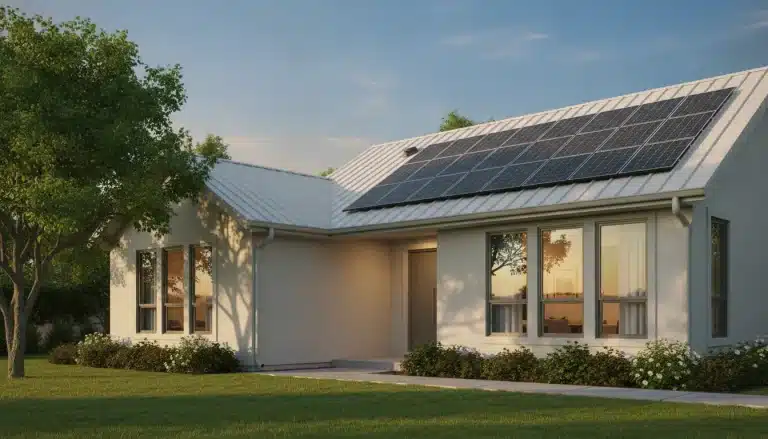
Homeowners today want their homes to be eco-friendly and still look great. Old-style solar panels can be bulky and mess up a clean roofline. But new tech offers sleek options that build solar power right into the roof.
Building-integrated solar is changing how we think about energy. A global green building report says combining clean energy with building materials is the future. These systems let you produce free power without ruining your home’s good looks.
You can choose solar tiles that look exactly like standard slate or classic clay. They match the design of modern homes and work well with clean minimalist styles. Investing in these options protects both your design vision and the environment around you.
Solar roofs can help your home rely less on the power grid. Many designs fit different house styles, so they work for new builds or remodels.
You get lower energy bills and a great-looking roof. As solar tech keeps improving, more homes will have access to clean energy that looks good too. These upgrades mix modern style with smart, responsible energy use.
The Rise of Solar Shingles
Solar shingles are the next smart upgrade for homes. They look like regular shingles but generate electricity. They sit flat on the roof, so no clunky frames. Homeowners pick them for several reasons.
They’re tough, hold up against storms and wind, and produce free power. That cuts your monthly bills and saves you money every year.
These smart tiles blend into any modern architectural plan. They come in several beautiful varieties to match your personal design goals:
- Textured glass tiles
- Smooth black tiles
- Earthy clay styles
Managing Safety Risks With Fire-Resistant Options
Safety should always go hand-in-hand with beautiful residential design. When you plan your home exterior, you must think about local environmental hazards like coastal storms and wildfires. A beautiful roof is useless if it cannot protect your family from regional dangers.
Choosing the wrong material can put your entire property at risk during a dry season.
A fire safety guide warns that untreated wood shake or shingle coverings represent the single biggest threat to a private home. Selecting fire-resistant options protects your investment and maintains a clean, modern look.
Modern Class A-rated materials can look identical to natural wood. You can enjoy the rustic charm of wood shakes without the high fire risks and insurance premiums. Metal and clay tiles offer excellent safety ratings and fit both traditional and modern styles.
Embracing Cool Roof Technology for Eco-Friendly Designs
Energy efficiency is a major part of modern residential architecture and design. Designers now focus on materials that reflect sunlight rather than absorbing solar heat. This keeps your home cooler during the summer and reduces your reliance on heavy air conditioning.
Highly reflective materials do more than just lower your monthly energy bills. An environmental study report explains that cool roofs and reflective walls support global progress toward climate targets. Selecting these smart products helps you build a modern home that supports global green efforts.
You do not have to sacrifice design to get these modern benefits. Reflective coatings and specialized shingles come in many attractive, diverse shades. They fit beautifully with modern minimalist designs, classic ranch-style homes, or beachfront properties.
Structural Angles and Pitch Dynamics
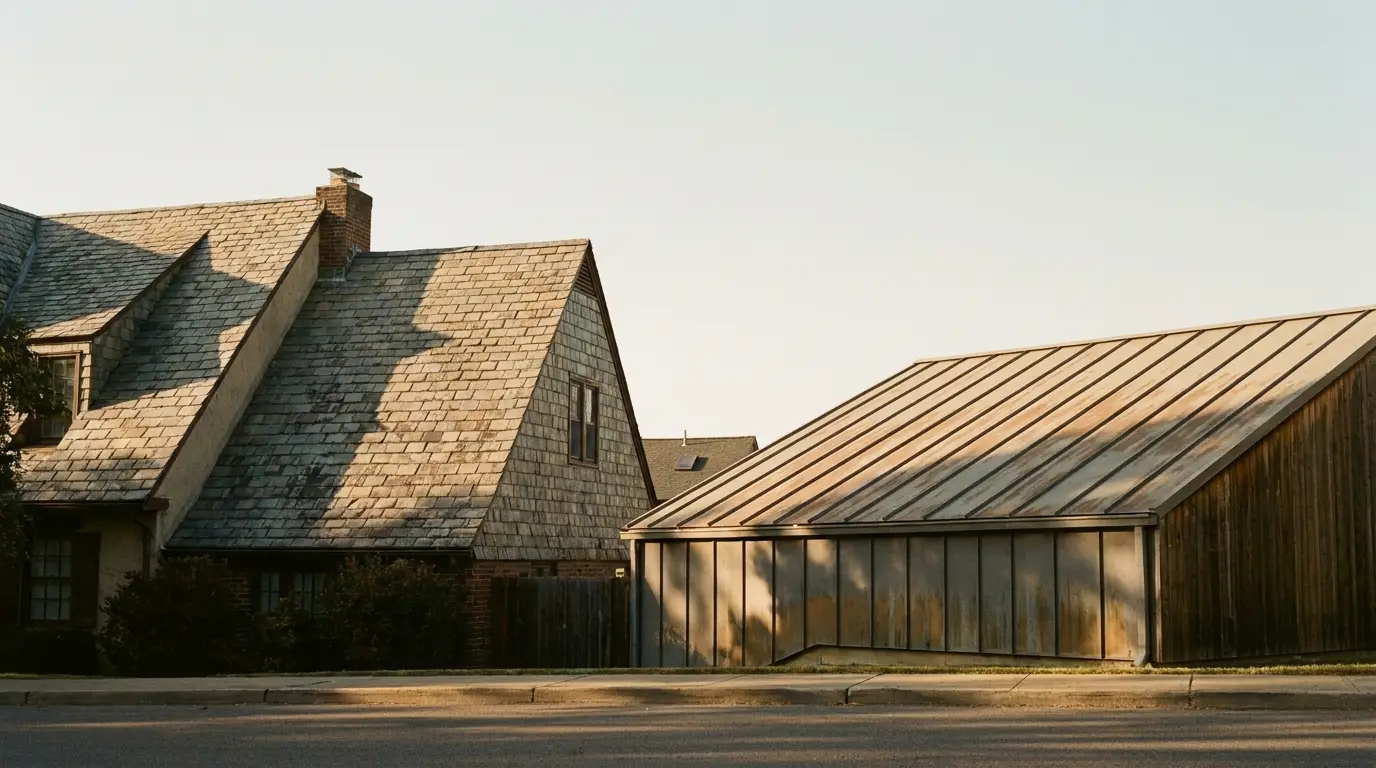
The pitch of your roof dictates both its visual style and how it drains heavy stormwater. Flat roofs offer a sleek modern look that works well with geometric architecture and minimalist homes. High-pitched roofs feel more traditional and draw the observer’s eye upward.
The pitch affects how much of the roof material is visible from the street level. A low-slope roof remains hidden, shifting the design focus to your unique siding and entryway. A steep pitch turns the roof into the dominant feature of your entire exterior design.
Choosing the right angle requires balancing style with local weather needs. Areas with heavy snow need steep pitches to prevent dangerous snow buildup on the structure. Dry climates can use flat designs to create modern outdoor living spaces or decks on top of the house.
Gable Versus Hip Roof Profiles
Gable and hip designs are the two most common profiles in residential construction today. A gable style features two sloping sides that meet at a ridge, creating a classic triangle shape. This design is simple to build, cost-effective, and offers excellent natural ventilation.
A hip style has slopes on all four sides, which meet at a central ridge. This layout offers superior stability against high winds and severe tropical weather events. The choice between these two profiles shapes the entire look of your home.
Balancing Lighting and Ventilation Design
Integrating windows into your roof style can transform both your interior and exterior design.
Skylights bring natural light deep into your home, reducing the need for artificial lighting during the day. They must be placed carefully to avoid creating hot spots during summer.
Dormer windows add amazing architectural interest to a steep, traditional roofline.
They break up flat surfaces and make your home look more inviting from the curb. These elements should match the style of the lower windows to keep the design balanced.
Proper ventilation is another crucial design factor that affects your roof’s total lifespan. Ridge vents blend seamlessly into the peak of the house, keeping them invisible from the ground.
Managing airflow correctly prevents moisture buildup that can rot your structural beams.
Protecting Exterior Boundaries With Overhangs
Roof overhangs play a critical role in protecting your siding from water damage and staining.
They direct rainwater away from your windows and foundation during heavy storms. Choosing the right width for these overhangs changes the visual silhouette of your house.
Deep overhangs create dramatic shadows that work beautifully with mid-century modern designs. They provide shade during hot afternoons, which helps lower your cooling costs.
Small overhangs offer a cleaner, more compact look for traditional cottages, cabins, and small homes.
You must balance these design choices with local weather patterns. Wide overhangs can catch strong winds during coastal storms, increasing the risk of structural damage. Work with your design team to find the perfect width for your local climate.
Integrating Trim and Fascia Details
The trim and fascia boards provide the transition between your roofline and your siding. Choosing a color that matches or contrasts nicely with your shingles creates a polished look. These small details frame your roof and give it a clean, finished border.
Materials like vinyl or composite work best for these high-exposure areas. They resist rot and moisture, which keeps your trim looking crisp without constant repainting. Matching the material durability guarantees that your entire exterior ages at the same rate.
You can use contrasting colors to highlight unique architectural shapes and curves. A bright white trim on a dark house creates a sharp, modern pop of style. Matching the trim to the shingles creates a more subtle, classic appearance.
Maintaining Your Home’s Long-Term Visual Appeal
Even the most beautiful design will lose its charm without regular upkeep and care. Debris like leaves and twigs can collect in valley areas, causing stains and water pooling. Cleaning your roof twice a year keeps it looking as fresh as the day it was installed.
You should schedule professional inspections to catch minor damage before it spreads. Replacing a few broken shingles is easy and preserves the clean visual lines of your house. Regular care protects the design you worked so hard to create.
Investing in moss and algae prevention keeps dark stains from ruining light-colored shingles. A well-maintained roof keeps your entire home design looking sharp for decades.
Balancing Beauty and Performance
A good roof isn’t just about keeping rain out. It also affects how your home looks and feels.
Choosing the right materials, colors, and structure makes your home more attractive and lasting. When everything outside works together, your home looks balanced and strong.
Instead of treating your roof as an afterthought, make it a design feature. The right mix of style, strength, and function adds lasting value and boosts curb appeal.
Looking for more tips and ideas? We’ve got you covered. Check out some of our other posts now.