Bathroom Renovation Plumbing Checklist for First-Time Homeowners

Renovating a bathroom for the first time can be exciting, but it can also become stressful quickly if the plumbing details are not checked early. Many homeowners focus on tiles, mirrors, lighting, and vanity style, but the plumbing behind those finishes is what determines whether the installation goes smoothly. A faucet that does not match the supply line, a shower valve that does not fit the trim kit, or a drain connection in the wrong size can delay the whole project.
Before you start installing new fixtures, use this beginner-friendly plumbing checklist to make sure the basics are covered.
1. Check the Vanity Plumbing Layout First
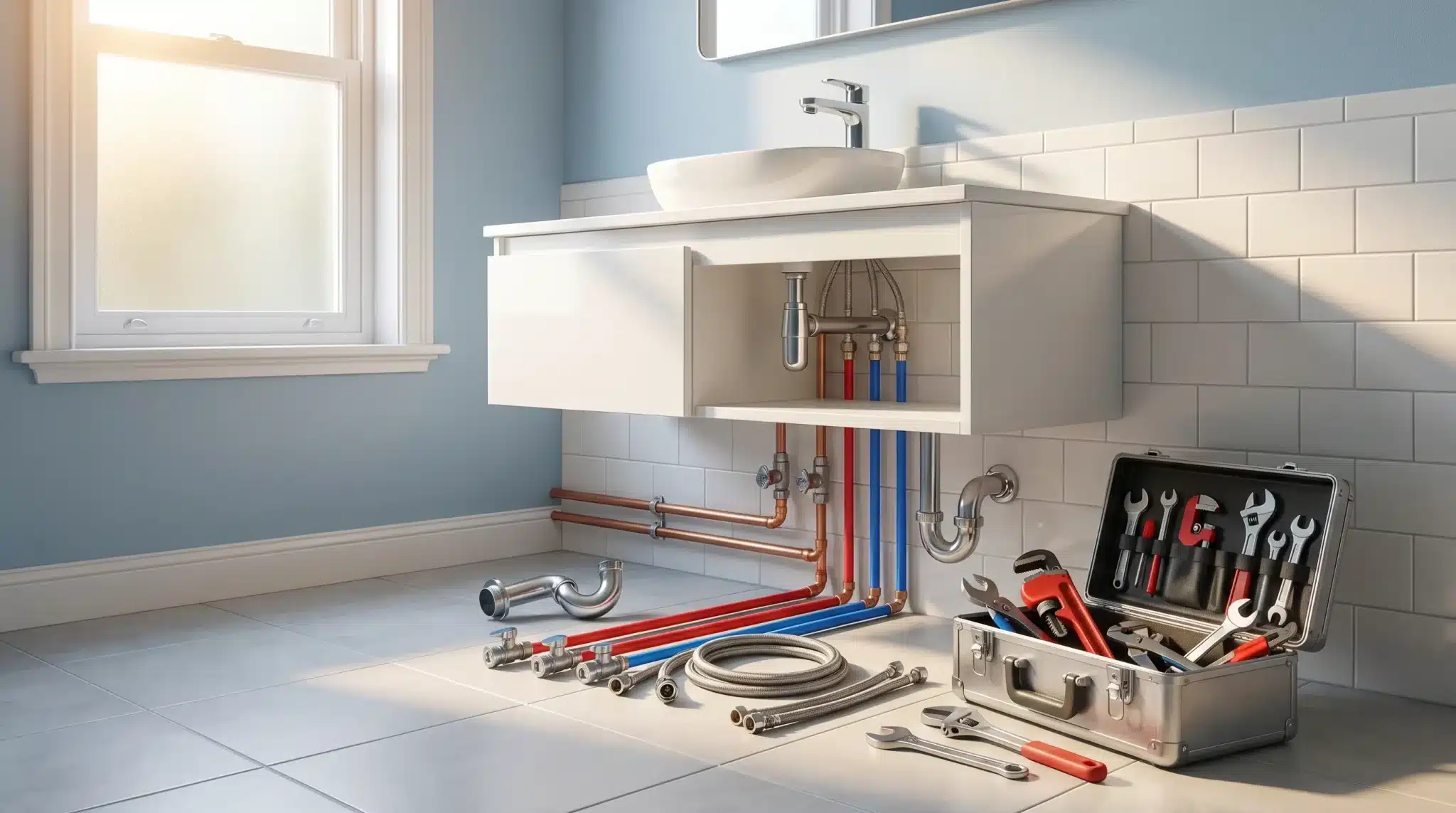
The vanity area is one of the most common places where renovation delays happen. Before ordering a new vanity, check where the water supply lines and drain pipe come out of the wall or floor.
Some vanities have drawers, shelves, or center dividers that may interfere with existing plumbing. If the drain pipe is too low, too high, or not centered, the vanity may need to be modified. That can add extra work and cost. For first-time homeowners, it is helpful to measure the distance from the wall, floor, and cabinet openings before purchasing the vanity.
Also check whether your setup uses a single-sink or double-sink layout. A double vanity may require extra drain fittings, supply lines, shut-off valves, and sometimes changes to the existing rough-in.
2. Inspect the Shut-Off Valves
Shut-off valves are small parts, but they are very important during a bathroom renovation. These valves allow you to turn off water to the faucet or toilet without shutting down water to the whole house.
Before removing an old vanity or faucet, test the existing shut-off valves. If they are hard to turn, leaking, corroded, or outdated, it is usually better to replace them before installing new fixtures. A worn valve can cause leaks later, especially after it has been touched during renovation work.
Common bathroom shut-off valves include angle stop valves and straight stop valves. The correct type depends on whether the water line comes from the wall or the floor. Checking this before installation helps you avoid buying the wrong part.
3. Confirm Faucet Supply Line Size and Connection Type
Not every faucet connects the same way. Before installing a new bathroom faucet, check the supply line size and connection type. Many modern faucets use flexible braided supply lines, but the connection to the shut-off valve still needs to match.
Common connection sizes include 3/8-inch compression and 1/2-inch connections, depending on the faucet and valve setup. If the supply line is too short, too long, or has the wrong fitting, installation may stop until the correct part is available.
For homeowners preparing a DIY renovation, it is smart to order basic plumbing parts early from a reliable supplier such as PlumbingSell, especially if you are replacing valves, faucet connectors, or other small fittings at the same time.
4. Review the Shower Valve Before Choosing Trim
The shower valve is another important item to check before renovation begins. Many first-time homeowners choose a shower handle or trim kit based on appearance, only to find out later that it does not fit the existing valve behind the wall.
The shower valve controls water flow and temperature. The trim is the visible handle and cover plate. These parts must be compatible. In many cases, trim kits are brand-specific or valve-series-specific. If you are opening the wall during renovation, this may be the best time to replace an old shower valve.
Also think about whether you need a pressure-balancing valve, thermostatic valve, tub-and-shower valve, or shower-only valve. Choosing the correct valve early helps avoid wall rework after tile installation.
5. Check Drain Connections and Trap Clearance

Bathroom drains may look simple, but the sizing and alignment matter. For a vanity sink, check the drain outlet size, tailpiece, P-trap, and wall drain connection. If these pieces do not line up, you may need an extension tube, adapter, or different trap configuration.
Do not ignore clearance inside the vanity cabinet. Some modern vanities have drawers that reduce the available space for the P-trap. Wall-mounted vanities may also require cleaner, more precise drain placement because the plumbing is more visible.
For showers and tubs, drain location is even more important. A new shower base or bathtub must match the rough-in drain position, or the drain line may need to be moved. That is much easier to plan before flooring and waterproofing work begins.
6. Verify Fixture Compatibility Before Installation
Before installation day, compare every fixture with the plumbing connections already in your bathroom. This includes the faucet, sink, vanity, toilet, shower valve, shower trim, tub spout, supply lines, drain parts, and any adapters.
Check these details:
- Does the faucet match the sink hole configuration?
- Do the supply lines match the shut-off valves?
- Does the vanity have enough space for the drain and P-trap?
- Does the shower trim match the valve body?
- Does the shower or tub drain match the existing rough-in?
- Are all required fittings, connectors, and valves ready before installation?
Small parts can cause big delays. Having them ready before the contractor arrives, or before you begin DIY work, can save time and reduce frustration.
Final Thoughts
A bathroom renovation does not have to feel overwhelming. For first-time homeowners, the key is to check the plumbing details before the visible finishes go in. Vanity plumbing, shut-off valves, faucet supply lines, shower valves, drain connections, and fixture compatibility should all be reviewed early.
Planning these items ahead of time helps prevent last-minute store runs, installation delays, and unexpected changes behind the wall. Whether you are doing a full remodel or a simple fixture update, sourcing the right plumbing parts from a dependable online store like PlumbingSell can make the renovation process much smoother from start to finish.