What to Do After a Car Accident: A Step-by-Step Guide

Few moments are as disorienting as the seconds right after a car accident. Your heart races, your thoughts scatter, and it can be hard to know what to do first. Yet the steps you take in the minutes and days that follow can have a real impact on your safety, your health, and your ability to recover any losses. Having a clear plan in mind before it ever happens makes all the difference. Here is a practical, step-by-step guide to handling the aftermath of a car accident calmly and confidently.
Stay Safe and Check for Injuries
Your first priority is safety. Take a breath and check yourself and any passengers for injuries. If anyone is hurt, call emergency services right away. Even in a minor collision, it is wise to move vehicles out of the flow of traffic if they are drivable and it is safe to do so, then turn on your hazard lights to alert other drivers.
If a vehicle cannot be moved, get yourself and others to a safe spot away from traffic. Avoid standing in the roadway, and be cautious of oncoming cars, especially at night or in poor weather. Staying calm and focused in these first moments helps you protect everyone involved and sets the tone for handling the rest of the situation sensibly.
Document the Scene and Exchange Information
Once everyone is safe, gather as much information as you can. Exchange names, contact details, driver’s license numbers, and insurance information with the other driver. Be polite but avoid admitting fault or making statements about who caused the accident, as those determinations come later and depend on evidence.
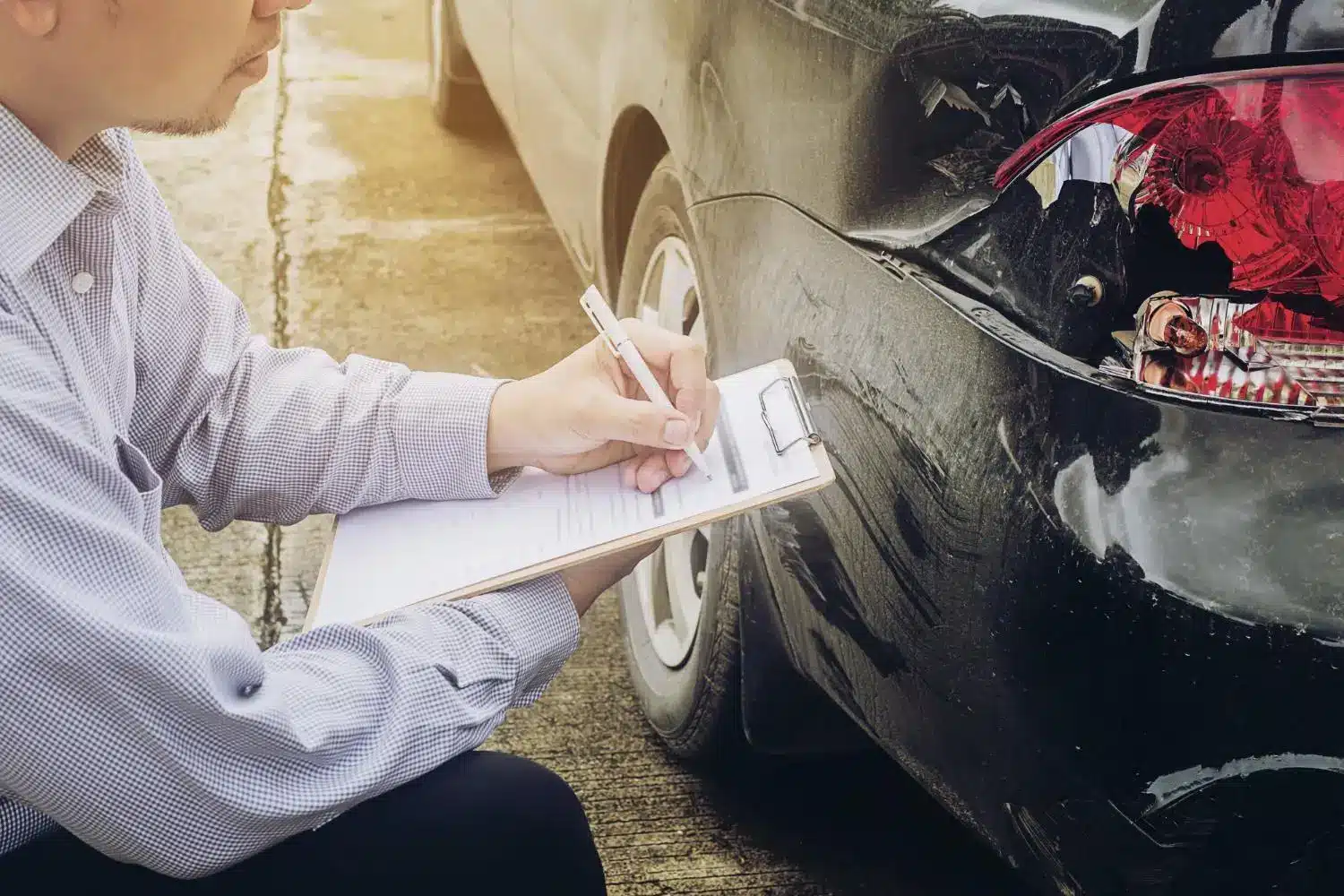
Use your phone to take photos of the vehicles, the damage, the road conditions, traffic signs, and the overall scene. If there are witnesses, ask for their contact information, as their accounts can be valuable later. If police respond, get the report number. This documentation creates a clear record while details are fresh, which is far more reliable than memory alone.
Consider Professional Legal Help
If you have been injured or are facing significant vehicle damage, it is worth understanding your options before dealing with insurance companies on your own. Insurers often aim to settle quickly and for as little as possible, which is not always in your best interest. This is where experienced guidance helps. A seasoned car accident lawyer Chadwick McGrady, who handles motor vehicle accident claims in Colorado, can deal with the insurance company on your behalf and work to protect what you are owed.
Many personal injury attorneys, including this Grand Junction firm, work on a contingency fee basis, meaning you pay nothing up front and they are only paid if you recover compensation. That arrangement makes professional help accessible when you need it most, without adding financial pressure during an already stressful time.
Get Medical Attention, Even If You Feel Fine

One of the most common mistakes people make after a car accident is assuming that the absence of immediate pain means they escaped injury. In reality, the body’s natural stress response can temporarily conceal symptoms. During and immediately after a crash, adrenaline and other hormones surge through the body, often masking pain and discomfort that may not become noticeable until hours or even days later.
Certain injuries are especially known for delayed symptoms. Whiplash, soft tissue damage, concussions, back injuries, and internal bleeding may not be obvious at the scene. Some people walk away feeling relatively normal only to wake up the next day with significant neck stiffness, headaches, dizziness, or limited mobility. Because of this, seeking medical evaluation as soon as possible after an accident is one of the most important steps you can take.
Prompt medical attention serves several purposes. Most importantly, it protects your health by allowing healthcare professionals to identify injuries before they worsen. Early diagnosis often leads to more effective treatment and can prevent minor injuries from developing into chronic conditions that affect daily life for months or years.
Medical records also play an important role if insurance claims or legal issues arise later. Documentation created shortly after the accident establishes a clear connection between the collision and any injuries you sustained. Without timely medical records, insurance companies may question whether your injuries were actually caused by the accident or whether they resulted from another event.
It is equally important to follow through with recommended treatment plans. Attend follow-up appointments, complete prescribed physical therapy sessions, take medications as directed, and keep copies of all medical records, receipts, and related expenses. Consistency demonstrates that you are taking your recovery seriously and creates a detailed record of the impact the accident has had on your life.
Even seemingly minor injuries can create unexpected financial and personal burdens. Missed work, ongoing treatment, transportation costs, and reduced physical abilities can all affect your quality of life. Comprehensive medical documentation helps ensure that the full extent of these consequences is properly recorded and understood.
Keeping Road Safety in Perspective
Car accidents can feel shocking and overwhelming, especially when they happen without warning. While many people view crashes as rare events, traffic collisions occur every day across cities, suburbs, and rural communities. Understanding this reality is not intended to create fear but rather to encourage preparation and awareness.
Safe driving involves much more than obeying traffic laws. Defensive driving requires anticipating potential hazards, maintaining safe following distances, staying focused behind the wheel, and recognizing that other drivers may make mistakes. Distracted driving, speeding, fatigue, impaired driving, and poor weather conditions continue to contribute to thousands of preventable collisions every year.
Organizations such as the National Highway Traffic Safety Administration provide valuable educational resources that help drivers better understand common accident causes and strategies for reducing risk. Learning from real-world crash data can improve awareness and encourage safer driving habits that may help prevent future incidents.
At the same time, even the most cautious driver cannot control every situation on the road. Another motorist may run a red light, become distracted by a mobile phone, drive aggressively, or make an unexpected maneuver that leads to a collision. Because some risks remain outside your control, knowing how to respond after an accident is just as important as knowing how to avoid one.
Preparing for the possibility of an accident does not mean expecting the worst. It simply means being ready to act calmly and effectively if an emergency occurs. Keeping emergency contact information accessible, carrying proof of insurance, understanding the basic steps to take after a crash, and maintaining an emergency kit in your vehicle can all contribute to a safer outcome during a stressful situation.
The drivers who often handle accidents most effectively are not necessarily those with special expertise. They are individuals who have taken the time to understand what needs to be done before an emergency ever occurs. Preparation reduces confusion, supports better decision-making, and helps ensure that important details are not overlooked when emotions are running high.
Moving Forward After an Accident
The aftermath of a car accident can be physically, emotionally, and financially challenging. Even relatively minor collisions can disrupt daily routines, create unexpected expenses, and leave drivers feeling anxious about returning to the road. It is normal to feel unsettled after such an event, and recovery often involves more than simply repairing a vehicle.
Taking a calm, organized approach can make a significant difference. Prioritize safety at the scene, gather as much information as possible, seek appropriate medical care, notify your insurance company, and maintain detailed records throughout the process. These steps can help protect both your well-being and your legal interests.
It is also important to recognize when professional assistance may be beneficial. Medical providers, insurance professionals, accident reconstruction experts, and legal representatives can all play important roles depending on the circumstances of the collision. Seeking guidance when needed can help you navigate complex situations more confidently and avoid costly mistakes.
While no one plans to be involved in a traffic accident, preparation remains one of the most effective forms of protection. Understanding your responsibilities, knowing your rights, and being familiar with the proper post-accident procedures can help you respond effectively when every decision matters.
A car accident is never a pleasant experience, but informed action can significantly reduce its long-term impact. By focusing on safety, documentation, medical care, and thoughtful decision-making, you place yourself in the strongest possible position to recover and move forward. The unexpected can happen to anyone, but being prepared ensures that you are ready to protect yourself, your passengers, and your future when it does.