Warning Signs Your Water Heater Could Fail Soon

A water heater rarely fails without warning, because stress inside the tank usually shows up first through sound, temperature, color, or moisture. In San Diego homes, mineral-heavy water can speed scale buildup and strain heating parts long before a full shutdown occurs. Early attention protects daily hygiene, cooking, laundry, and comfort. Careful observation also lowers the chance of sudden leaks, interior water damage, and cold showers during routine household use.
Hard Water Speeds Wear
San Diego water often carries a high mineral load, and that burden settles inside tanks as hard scale. Over time, deposits trap heat, slow recovery, and irritate metal surfaces. In homes with banging sounds, rusty hot water, or shorter showers, many residents start searching for water heater repair San Diego CA once those mineral effects begin disrupting ordinary bathing, cleaning, and meal preparation.
Rumbling Sounds Matter
Rumbling, popping, or crackling usually means trapped sediment is heating at the tank floor. That layer acts like insulation, so burners or electric elements must work longer. Extra runtime raises fuel use and increases internal temperature stress. A quiet heater is the normal pattern. Fresh noise deserves prompt attention, especially when the unit is older or already heating water unevenly.
Discolored Hot Water
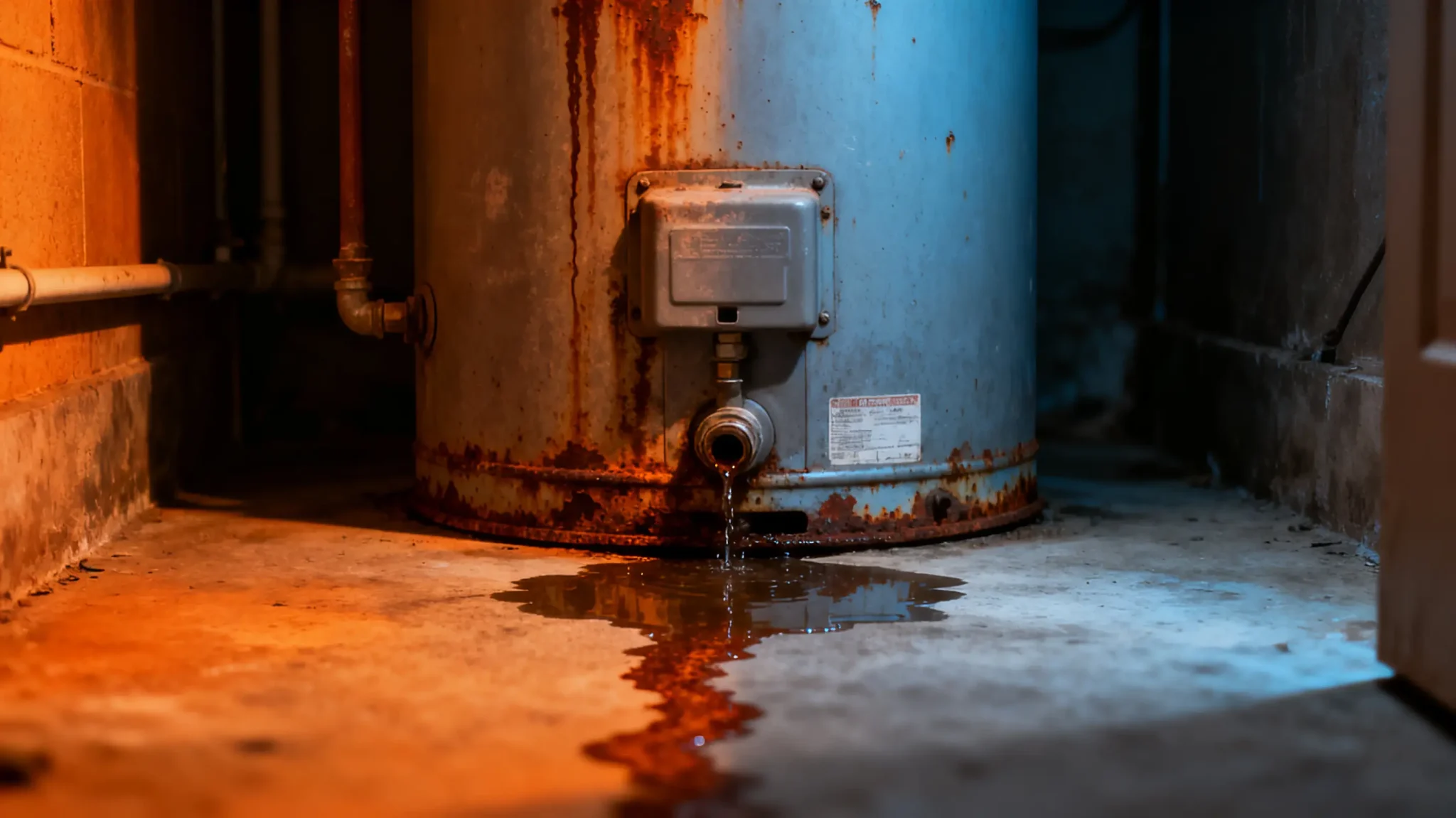
Brown, orange, or cloudy hot water can point to corrosion inside the tank. Rust may come from a depleted anode rod, damaged lining, or aging steel surfaces. If cold taps run clear while hot taps look stained, the heater becomes the likely source. That color change should never be dismissed, because internal corrosion often advances before exterior damage becomes easy to spot.
Small Leaks Grow Fast
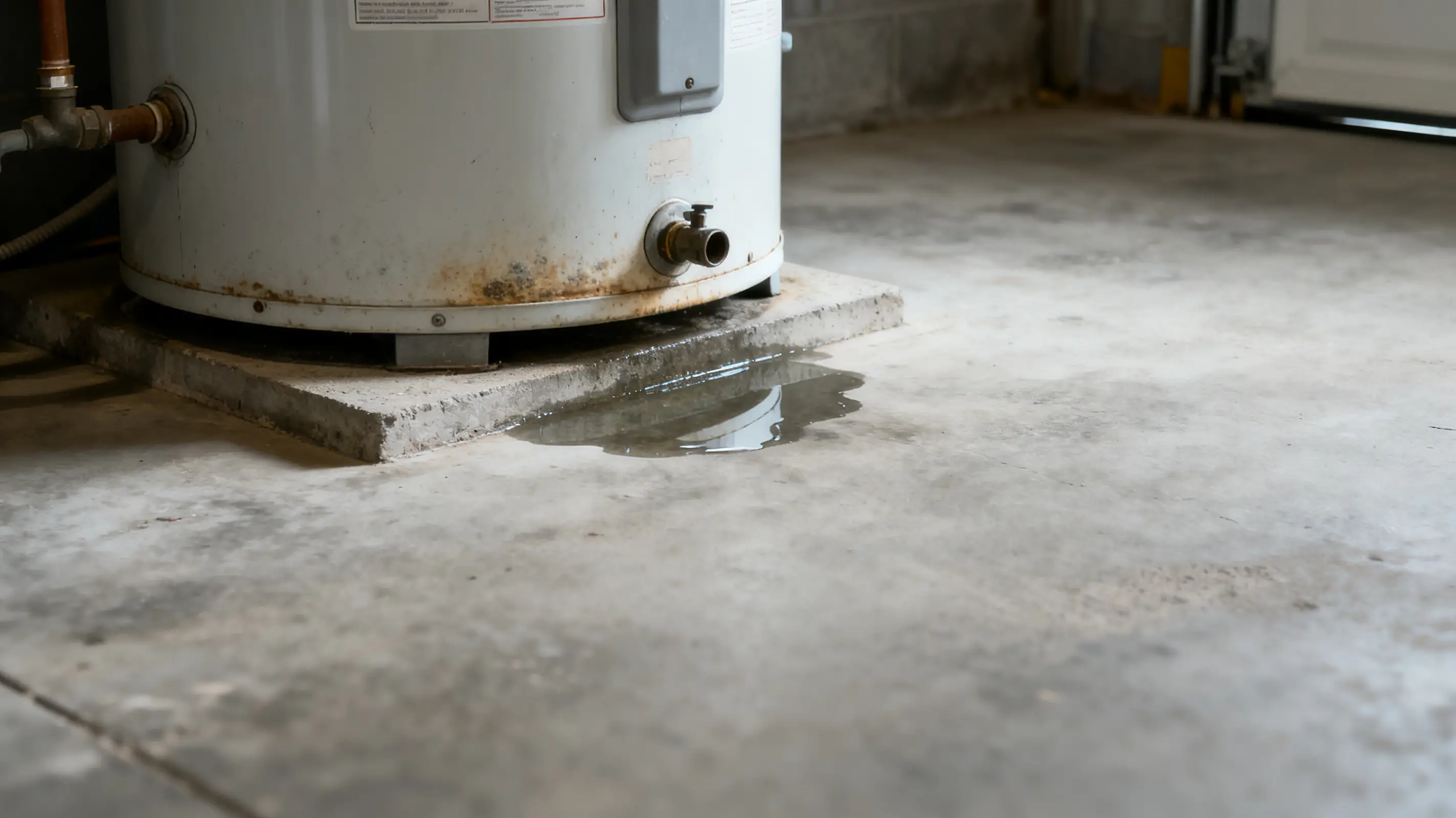
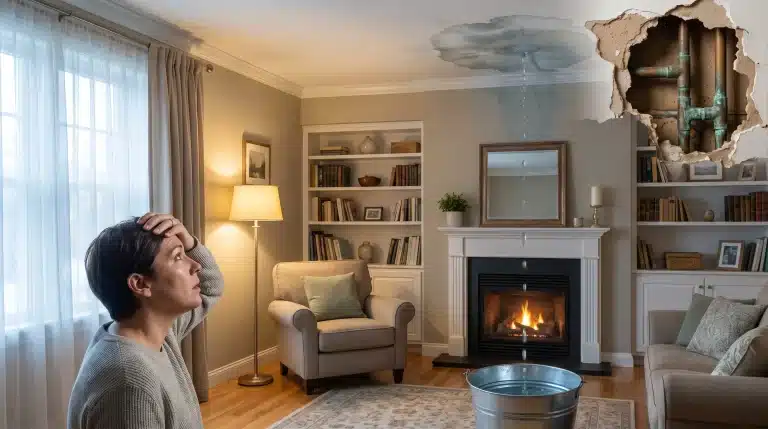
Moisture near the base may begin with a loose fitting, a worn valve, or a small crack. Even limited seepage can spread under flooring, drywall, or stored items. Standing water also supports mold growth and surface decay. Once the tank body splits, repair choices narrow quickly. A damp area around the heater should always trigger a closer inspection.
Inconsistent Hot Water
Steady performance should remain predictable during showers, dishwashing, and laundry cycles. Lukewarm output, sudden chilling, or rapid depletion often signals a heater that is losing capacity. Sediment can crowd out stored volume, while thermostat trouble may cause poor temperature control. Some units recover slowly after one use. That pattern often appears shortly before a more serious breakdown interrupts daily routines.
Higher Utility Bills
An older heater often consumes more gas or electricity before it stops working. Mineral deposits force longer heating cycles, and worn parts reduce transfer efficiency inside the tank. That hidden strain can raise monthly bills without any major change in household habits. If utility costs climb for no clear reason, the water heater deserves review as a possible source.
Age Still Counts
Most standard tank units enter a higher-risk period after roughly eight to twelve years of service. Age does not guarantee failure, yet older systems have thinner anode protection, more scale, and more worn valves. Many San Diego homes still rely on units installed during earlier building booms. An aging heater should be watched more closely, even if it still seems functional.
Frequent Repairs Add Up
Repeated service calls often show that a unit is nearing the end of useful life. One new valve or thermostat can be reasonable. Ongoing part replacement usually means several components are wearing out together. Costs rise, reliability falls, and confidence drops with each visit. At that stage, the repair pattern itself becomes a warning sign, not a long-term answer.
Pressure Valve Clues
A Safety Part Should Stay Calm
The temperature and pressure relief valve is a key safety device. Dripping, hissing, or periodic discharge suggests abnormal pressure, overheating, or expansion trouble inside the system. That response should never be ignored. A valve that keeps opening is often reacting to a deeper mechanical problem. Prompt assessment matters, because uncontrolled pressure can place dangerous strain on the tank.
Rust on the Exterior
Visible corrosion on fittings, pipes, or the tank shell usually reflects long-term moisture exposure. Rust near the top may signal venting issues, while corrosion lower down can suggest persistent leakage. Surface damage can look minor even when internal wear is much worse. Once exterior metal starts flaking or staining nearby areas, the heater may already be in advanced decline.
Conclusion
Water heaters usually send clear distress signals before complete failure occurs. Strange noises, discolored hot water, moisture at the base, unstable temperatures, higher energy use, and repeated repairs all deserve quick attention. In San Diego, hard water can speed those changes and make damage progress faster than expected. Recognizing early clues helps households protect comfort, avoid property loss, and plan replacement before an emergency forces the decision.