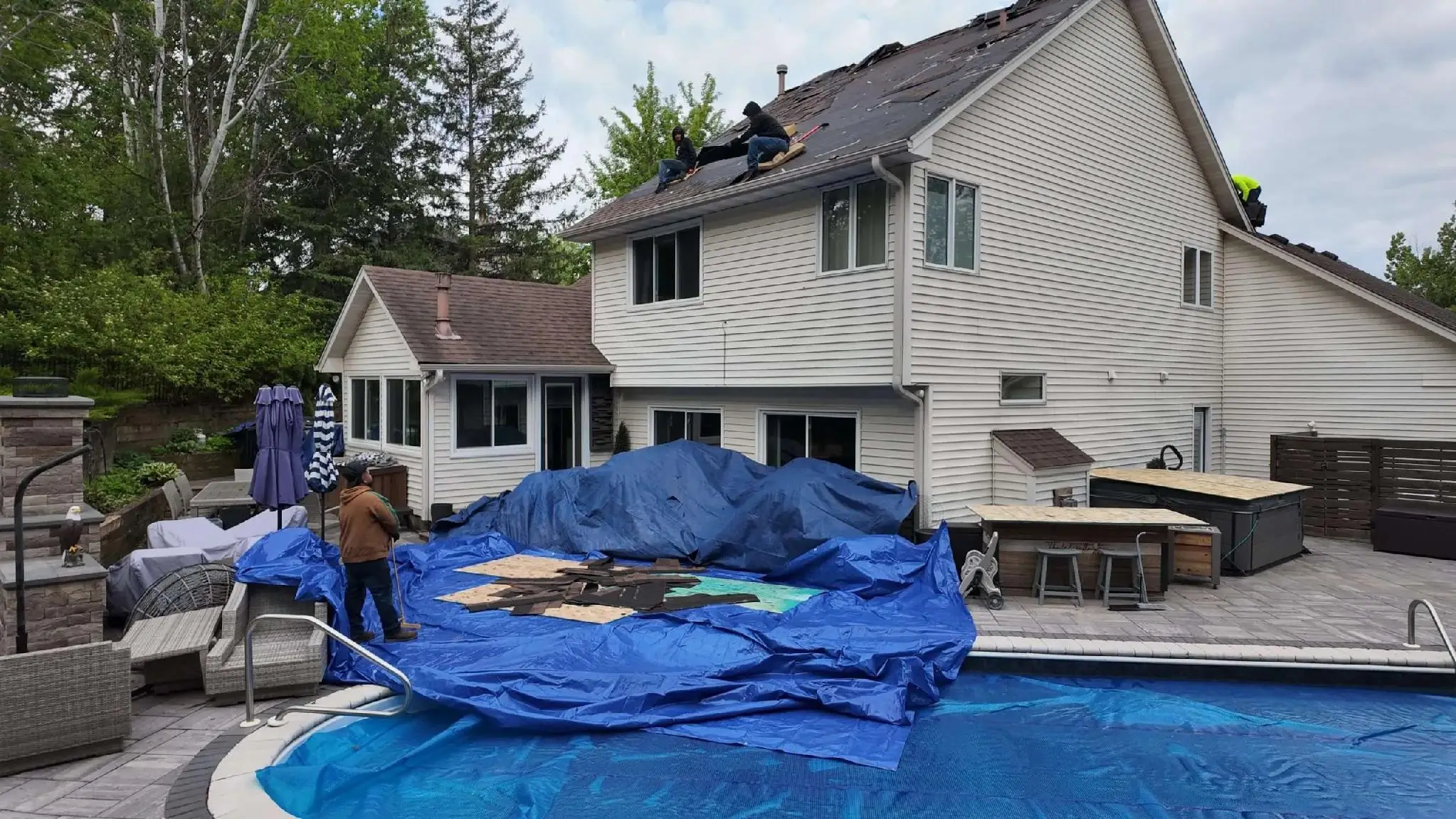
A Homeowner’s Roof-Longevity Playbook: Get 40+ Years From Your Next Roof

Replacing a roof is one of the biggest single investments most of us ever make in our homes — and yet the decision often comes down to whichever quote lands lowest on price. That’s a shame, because the difference between a roof that lasts 18 years and one that lasts 50 isn’t luck. It’s a handful of choices you make before the first shingle goes on.
If you’re going to do this once and do it right, it helps to understand what actually drives roof longevity. Here’s the playbook.
First, Know What Each Material Really Gives You
“How long does a roof last?” is one of the most-searched roofing questions there is, and the honest answer is: it depends entirely on what you put up there. Here’s the realistic range for the most common residential materials, assuming a quality installation and reasonable maintenance.
Asphalt shingles are the default choice on most American homes, and for good reason — they’re affordable and they work. A standard three-tab asphalt roof tends to last around 15 to 20 years, while thicker architectural (dimensional) shingles push that to roughly 25 to 30. They’re the shortest-lived option on this list, but they’re also the easiest on the upfront budget.
Cedar shake brings a warm, natural look that a lot of homeowners love. Well-maintained cedar can last 20 to 40 years, but the key words are “well maintained” — cedar needs periodic care to keep moss, rot, and moisture in check, especially in climates with heavy snow and freeze-thaw cycles.
Metal roofing is where longevity really starts to climb. A quality standing-seam or metal roof commonly lasts 40 to 70 years, shrugs off snow, and resists fire and wind. It costs more up front than asphalt, but amortized over its lifespan it’s often the better deal.
Synthetic and composite slate and shake are the newer stars of the category. These engineered products are designed to mimic the look of natural slate or hand-split cedar while lasting roughly 40 to 50 years or more — often with strong warranties and far less weight and maintenance than the real thing. For homeowners who want the premium look without the fragility of natural slate, this is frequently the sweet spot.
Natural slate is the heirloom option. A genuine slate roof can last 75 to 100 years or more — longer than most of us will own the house. It’s heavy, expensive, and requires a structure built to carry it, but few materials last longer.
Notice the pattern: the materials that cost more up front are almost always the ones that go the distance. Which brings us to the most useful mental shift you can make.
Think in Decades, Not Dollars
The cheapest roof is rarely the least expensive roof. If you install a 20-year asphalt roof for a lower price today, there’s a real chance you’ll be paying for another full replacement while a neighbor who chose a 50-year material still has decades of life left in theirs. Spread the cost across the years you’ll actually own the home, and the “expensive” premium roof often turns out to cost less per year of protection.
This is exactly how a good contractor will frame the conversation — not “what’s the cheapest option,” but “what’s the last roof you’ll ever need to buy.” A premium Minnesota roofing contractor building for longevity will happily walk you through lifetime cost rather than just handing you the lowest sticker price, because a roof that outlives its warranty is the best advertisement they’ll ever have.
Material Is Only Half the Story
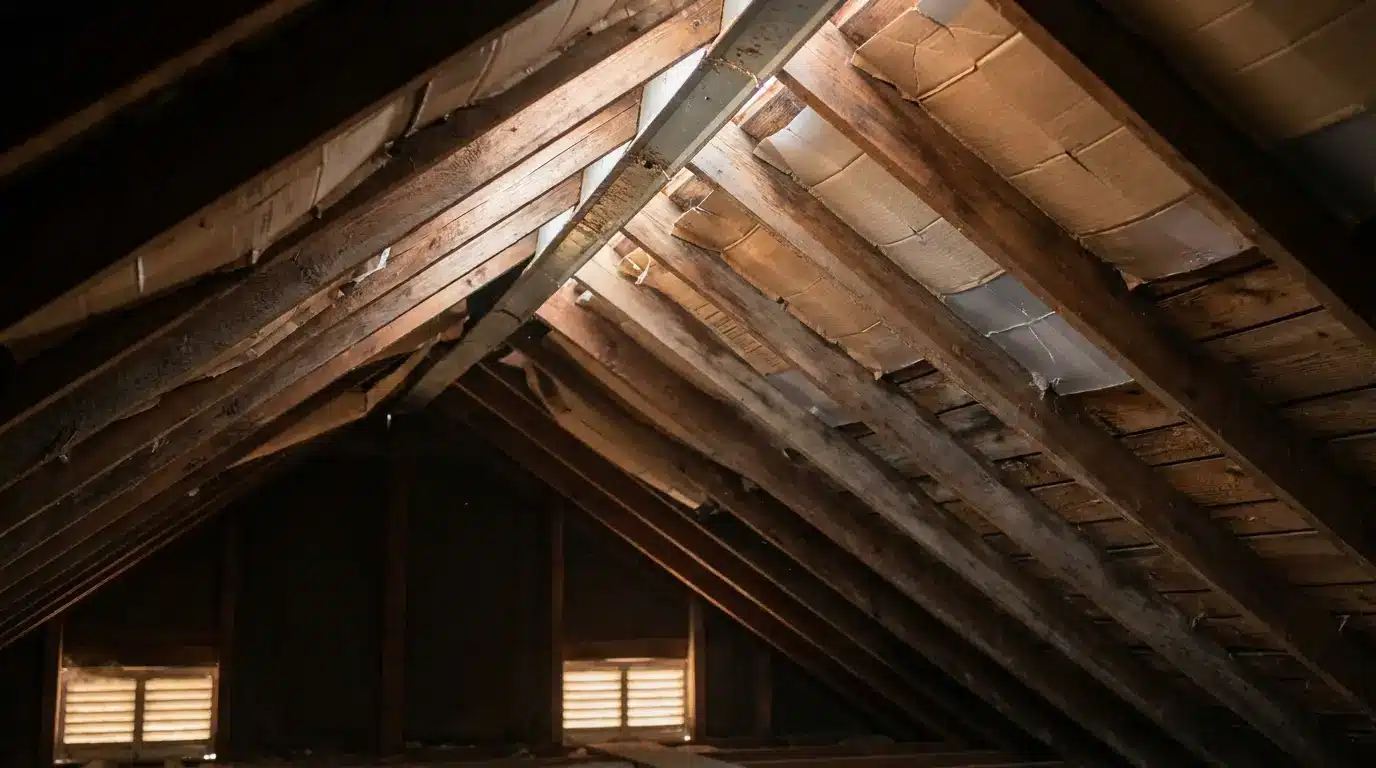
Here’s what surprises a lot of homeowners: even the best material will fail early if the rest of the system is wrong. Three factors quietly determine whether your roof reaches its full lifespan or dies young.
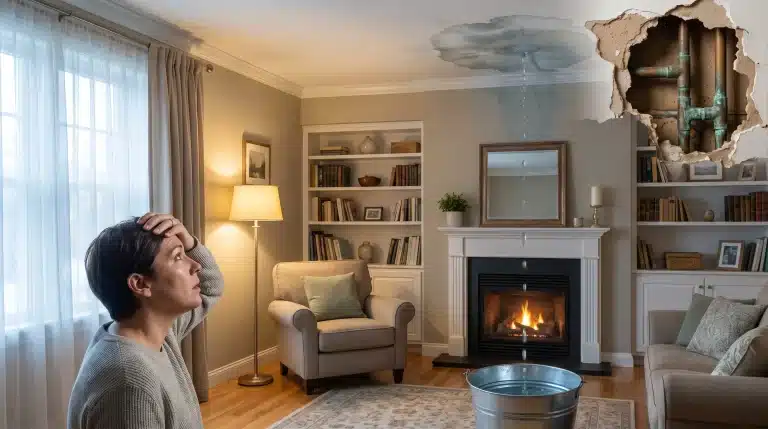
Attic ventilation and airflow. A roof is a system, not just a surface. Without proper intake and exhaust ventilation, heat and moisture build up in the attic, cooking shingles from below in summer and feeding ice dams and rot in winter. Good ventilation is one of the least glamorous and most important things a roofer can get right.
Installation quality. Flashing around chimneys and valleys, proper underlayment, correct fastening, adequate ventilation — these details are invisible once the job is done, but they’re where roofs live or die. A premium material installed poorly will underperform a modest material installed correctly. This is the single biggest reason it’s worth vetting your installer as carefully as your material.
Your climate. Where you live matters enormously. In cold, snowy regions, the real enemy is the freeze-thaw cycle: water works into small gaps, freezes, expands, and pries roofing apart a little more each winter. Ice dams — ridges of ice that form at the eaves and force meltwater back up under the shingles — are a leading cause of leaks in northern climates. Hail and high winds add their own wear. A roof built and ventilated for a mild climate simply won’t last as long somewhere with hard winters, which is why local experience is worth so much.
Questions to Ask Before You Re-Roof
Before you sign anything, get clear answers to these. They’ll tell you more about how long your roof will last than the price ever will.
- What’s the realistic lifespan of the material you’re recommending for my specific climate?
- How will you handle attic ventilation and intake/exhaust airflow?
- What underlayment and flashing details are included, especially around valleys and chimneys?
- What exactly does the warranty cover — the material, the labor, or both — and for how long?
- Can you show me roofs like mine that you’ve installed locally?
The Bottom Line
Getting 40-plus years out of your next roof isn’t about finding a magic product. It’s about choosing a material suited to your climate, insisting on proper ventilation and a careful installation, and working with someone who thinks in decades rather than quarters. Pay attention to those things up front, and the roof over your head can quietly do its job long after you’ve forgotten what it cost.