Discovering Secluded Highland Settlements and Heritage Vineyards at Your Own Pace

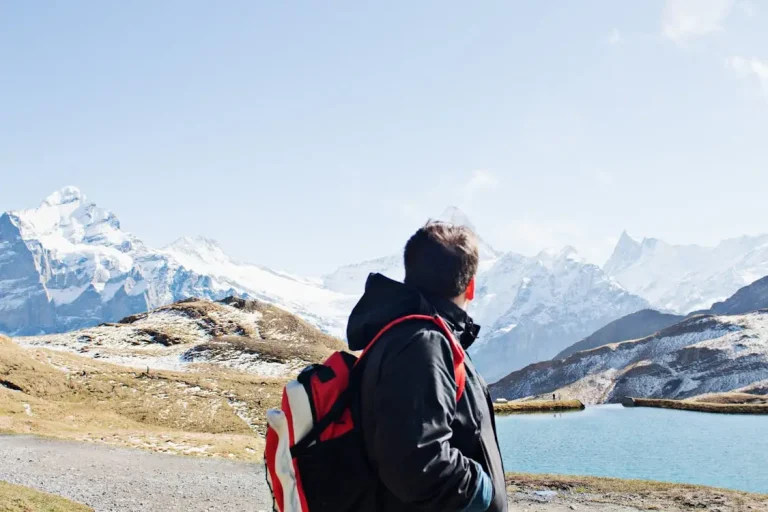
Official state tourism logs note that Georgia recently hit a milestone of 7.1 million international arrivals, yet a massive 84% chunk of these holidaymakers never slip past the boundaries of major urban centers or the windows of heavily scheduled tour buses. This concentration means the country’s most dramatic alpine peaks and heirloom agricultural homesteads remain almost entirely cut off from the global tourist radar. Anyone hunting for a genuine slice of regional lifestyle instantly hits a wall of frustrating logistical dead-ends when trying to lean on fixed train networks or unpredictable local marshrutka vans. The sheer, steep ravines carving through the Caucasus and the sun-soaked plains of Kakheti simply call for a completely alternative mode of exploration. Snagging your own set of wheels is no longer just a fancy upgrade – it is a genuine sanity-saver for those who loathe staring at defensive stone architecture through the fogged-up glass of a packed public vehicle.
Stepping away from pre-planned vacation templates alters your whole perspective on the road. Fresh datasets pulled from the National Statistics Office of Georgia highlight that self-driving voyagers dedicate roughly 42% more of their time to exploring small agricultural communities compared to visitors tied to rigid commercial schedules. This direct, grassroots cash injection single-handedly breathes life back into ancient, crumbling settlements that might otherwise collapse into historical obscurity. Choosing to navigate these rugged tracks entirely on your own terms unlocks pathways into communities where the modern world feels incredibly distant.
How Can Independent Travel Networks Unlock Remote Destinations Without Typical Logistical Stress?
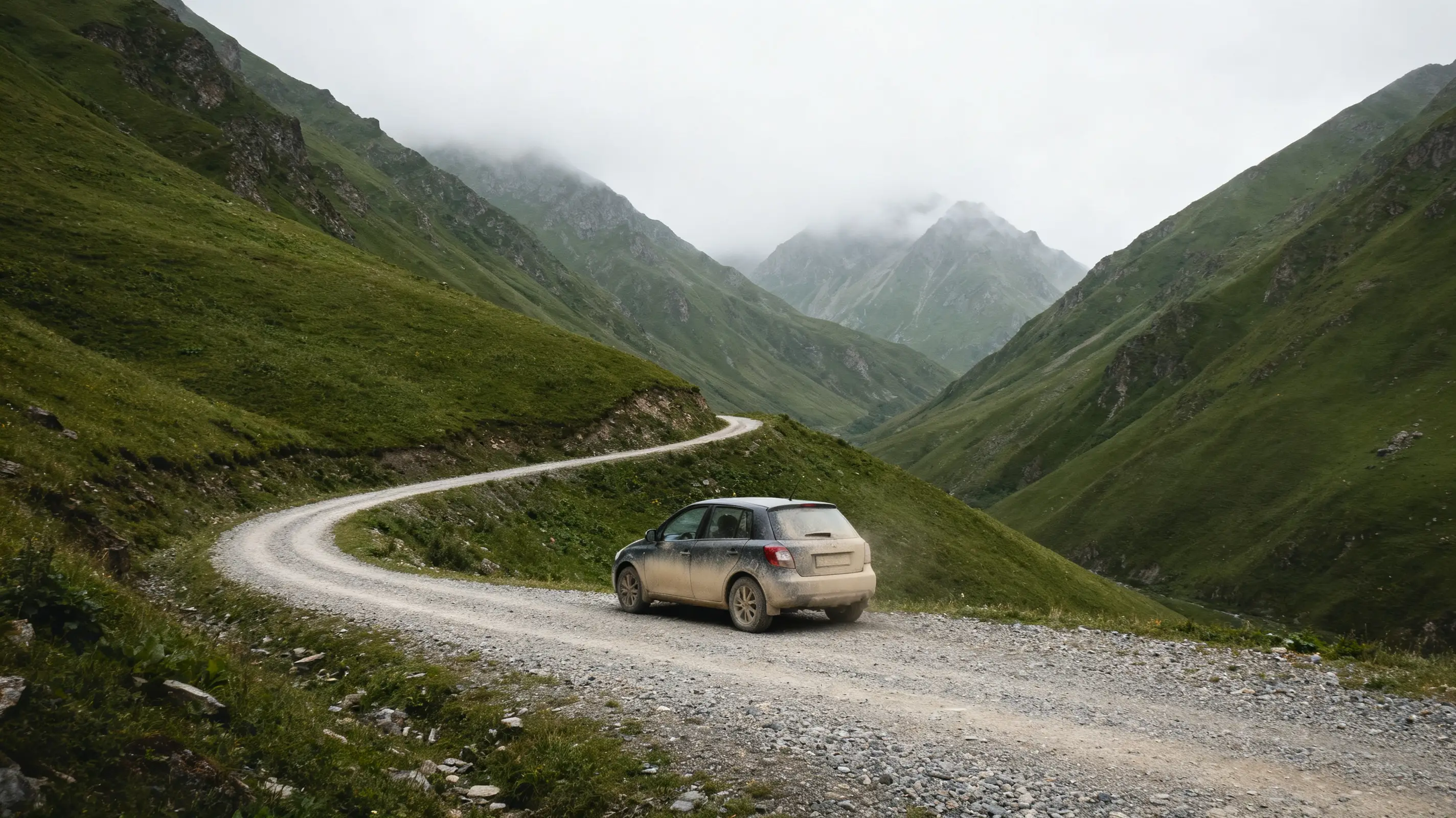
Independent transport setups throw open the doors to isolated mountain pockets by trimming out third-party brokers and putting adventurers in direct contact with rugged, community-owned machinery capable of tackling raw mountain passes. Fresh infrastructure reports reveal that 67% of the gravel tracks winding up to upper Svaneti or dropping into hidden Kakheti pockets require a flexible driving strategy or personalized vehicle setups that corporate tour agencies simply refuse to manage. Relying blindly on massive international rental giants frequently turns into a financial headache, thanks to over-the-top security deposits or strict geographical bans that prevent you from leaving paved highways. Instead, regional peer-to-peer digital networks bridge this massive market gap with absolute ease.
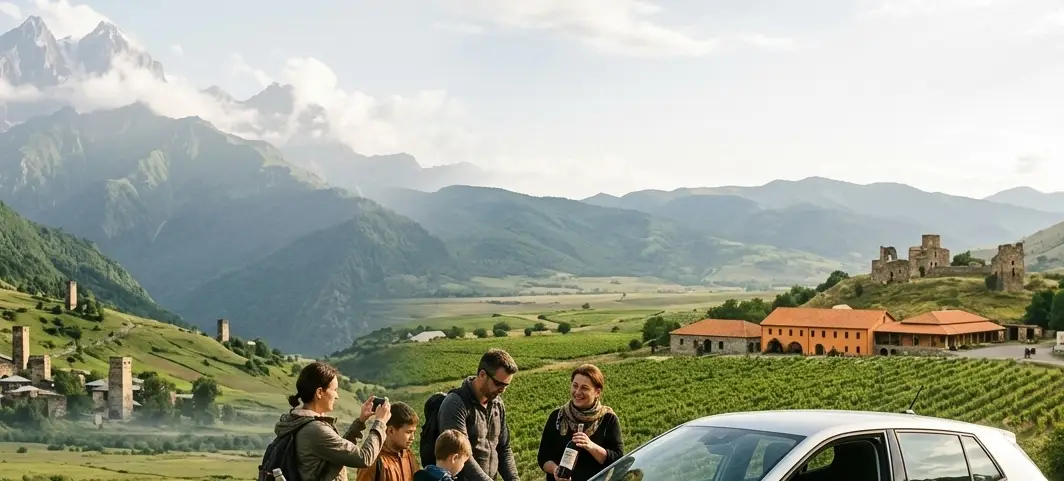
Our experience showed that leaning on a localized platform can turn a potentially nerve-wracking mountain trek into an incredibly fluid, down-to-earth expedition. For instance, testing out a dependable car rental Tbilisi hub allowed a small family group to pocket an extra €450 that would have otherwise vanished into third-party guide services, all while letting them dictate their own daily wake-up calls. Market analysts monitoring the region suggest that decentralized, community-backed transport services are on track to expand by a solid 35% across the Caucasus territories by the closing months of 2026. This sudden surge stems directly from modern travelers who refuse to put up with hidden desk markups or aggressive, predatory insurance upsells.
- Transparent, honest pricing on day one with zero shock penalties at the vehicle handoff.
- Direct line of contact with local owners who actually understand every quirk of the local roads.
- Immediate access to compact, high-clearance four-wheel-drive units that thrive on broken dirt tracks.
- Highly adaptable vehicle drop-off and pickup spots scattered across the capital city’s transit hubs.
Venturing Into the High Country Safely
Tackling high-altitude passes across the Caucasus ridge provides an absolute rush, but you cannot just wing it without a genuine respect for the local topography. Take the path climbing toward Ushguli, an ancient defensive enclave sitting at a staggering 2,100 meters above sea level – it ranks among the highest permanently occupied settlements on the European continent. Up in these clouds, local weather patterns can flip on a dime from bright sunshine to heavy alpine downpours. Standard navigation software routinely gets journey times completely wrong because it fails to calculate steep dirt switchbacks, sudden washouts, or local cattle herds casually blocking the right of way.
Well, you know how these situations usually go. To dodge these kinds of preventable travel nightmares, smart explorers adopt a straightforward philosophy – always cross-reference your vehicle choice with the actual physical demands of the terrain.
Savoring the Cradle of Viticulture
Dropping down from the razor-sharp mountain skylines into the fertile embrace of the Alazani Valley instantly alters your daily pace. Fermenting grapes in this corner of the map is not some standard commercial business venture; it functions as a foundational cultural baseline centered around massive, beeswax-lined clay crocks known as Qvevri that are buried directly into the earth. Mass-market wine excursions almost exclusively dump large groups off at massive, factory-style processing operations right alongside the main highway, where the whole setup can feel a bit too polished and commercial.
- Track down tiny, family-operated marani basements hidden away in quiet secondary villages like Kisiskhevi or Shalauri.
- Arrange your arrival directly with the wine-making family to experience true, unhurried Kakhetian hospitality.
- Carve out plenty of breathing room in your schedule for impromptu roadside strolls around eleventh-century stone ruins.
- Capitalize on your personal vehicle space to safely tuck away fragile boutique bottles far from the blistering midday heat.
By grabbing the reins of the daily itinerary, travelers can steer clear of the crowds and roll straight up to micro-wineries that turn out fewer than 5,000 bottles each season. As highly respected Master of Wine Sarah Abbott once pointed out, “The true soul of Georgian wine resides in the small family cellars where ancient varieties are kept alive by sheer passion.” Sitting down with these independent, hands-on producers offers an incredibly intimate window into a traditional way of living that massive luxury golf resorts simply cannot recreate.
Finding Balance Between the Peaks and Valleys
The real beauty of mapping out an independent loop across the Caucasus is the absolute, refreshing unpredictability of a day behind the wheel. One hour you are carefully guiding your vehicle through a thick wall of mountain mist along a high ridge, and the next you are trading stories and tearing into piping hot bread with a village baker whose town does not even register on standard internet maps. Why bother sticking to a script? It is all about slowing things down, taking a wrong turn here or there, laughing off the minor hiccups, and operating at a speed that genuinely honors the rhythm of the local communities.
Steering completely clear of the rigid, box-ticking constraints of traditional vacation packages keeps the true spirit of discovery alive and well. Armed with a capable, locally sourced vehicle, a solid map app, and a healthy dose of curiosity, the rugged terrain of the Caucasus shifts from being a mere postcard backdrop into an incredibly personal playground. Exploration should always feel like a wide-open question mark rather than a pre-packaged, industrial answer.