Outdoor Renovation Ideas That Make a Home More Enjoyable Year Round

Outdoor spaces are often underutilized, especially when they are only designed for a single season. Many homeowners invest in patios or gardens but find themselves avoiding the space during colder months or extreme heat. A well-planned outdoor renovation changes that by creating an environment that remains comfortable and functional throughout the year.
The idea is not just to improve appearance but to extend how often and how effectively the space can be used. When outdoor areas are designed with year-round comfort in mind, they become a natural extension of the home. This shift allows homeowners to enjoy fresh air, entertain guests, and relax outside regardless of the season.
With the right combination of features and thoughtful planning, an outdoor space can transition seamlessly from summer gatherings to cozy winter evenings.
Designing with Seasonal Flexibility in Mind
One of the most important aspects of year-round outdoor living is flexibility. A space that works well in summer may not be as inviting during colder months unless it is designed to adapt. Planning for different weather conditions ensures that the space remains usable without constant adjustments.
Covered areas, adjustable shading, and wind protection features help create a more controlled environment. These elements allow homeowners to manage exposure to sun, rain, or cold temperatures. By thinking ahead, the space can remain comfortable even as seasons change.
Flexibility also means choosing layouts that can support multiple activities. A space that transitions easily from dining to relaxation makes it more practical for everyday use.
Strengthening the Foundation with Thoughtful Landscaping
A strong outdoor design begins with proper landscaping in Ottawa, as it shapes both the structure and flow of the space. Landscaping is not just about planting greenery; it defines how different areas connect and how the space is experienced overall.
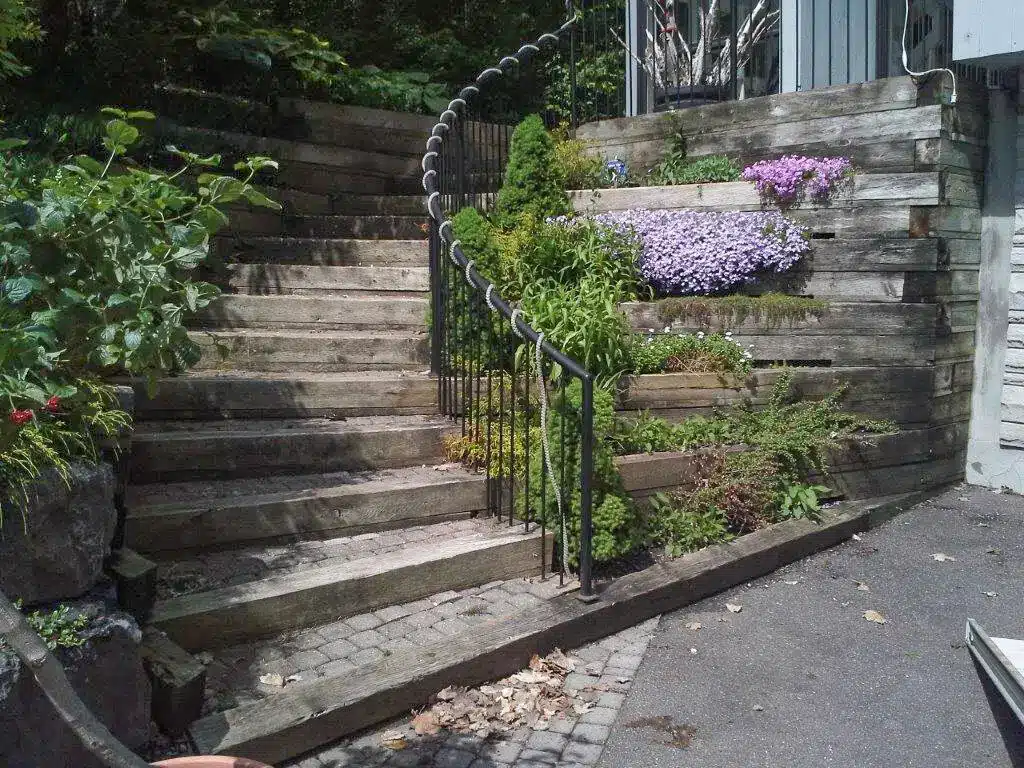
Combining hardscaping elements like patios and walkways with natural features creates a balanced environment. This approach ensures durability while maintaining a visually appealing look. Proper grading and drainage also play a crucial role in keeping the space functional during rain or snow.
Well-planned landscaping helps prevent common issues such as water buildup or uneven surfaces. It also contributes to a cleaner, more organized layout that supports year-round use.
Adding an Outdoor Kitchen for All Season Use
Cooking outdoors is often associated with summer, but a properly designed outdoor kitchen in Ottawa can be used throughout the year. With the right setup, it becomes a central feature that enhances both convenience and enjoyment.
Positioning the kitchen in a sheltered area helps protect it from harsh weather conditions. Adding features such as weather-resistant materials, proper lighting, and nearby seating areas makes it more practical during cooler months. This allows homeowners to prepare meals while staying connected with guests.
An outdoor kitchen also reduces the need to move back and forth between indoor and outdoor spaces. This creates a smoother flow and encourages more time spent outside, regardless of the season.
Creating Warmth with Fire Features

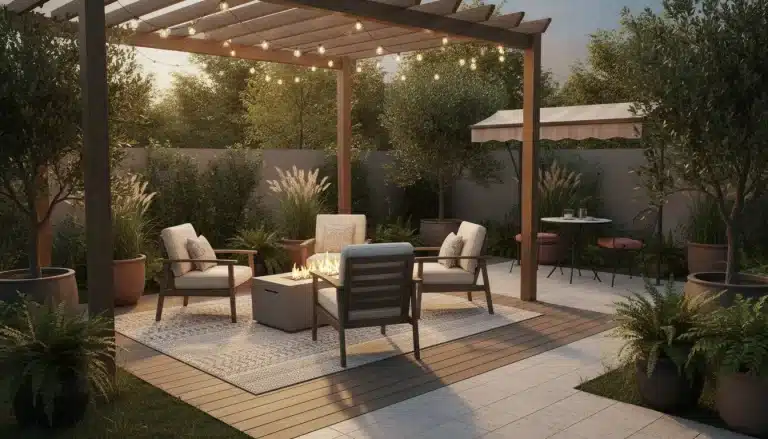
Fire features are one of the most effective ways to extend the usability of an outdoor space. They provide both warmth and a focal point, making the area inviting even during colder evenings. Whether it is a fire pit or a built-in fireplace, this addition can transform the overall atmosphere.
The presence of a fire element naturally draws people together. It encourages longer gatherings and creates a sense of comfort that is hard to replicate with other features. This makes it especially valuable during fall and winter months.
Proper placement is important to ensure safety and functionality. When integrated thoughtfully, fire features enhance both the design and usability of the space.
Incorporating Covered and Enclosed Areas
Open spaces are appealing, but they can limit usability when weather conditions change. Adding covered or partially enclosed areas provides protection while maintaining an outdoor feel. Structures such as pergolas, pavilions, or screened enclosures create a more versatile environment.
These features allow homeowners to enjoy the outdoors without being fully exposed to rain, wind, or intense sunlight. They also make it easier to incorporate additional elements like lighting, heating, or fans.
Covered areas act as a bridge between indoor and outdoor living. They provide comfort while still allowing fresh air and natural light to be part of the experience.
Using Lighting to Extend Evening Use
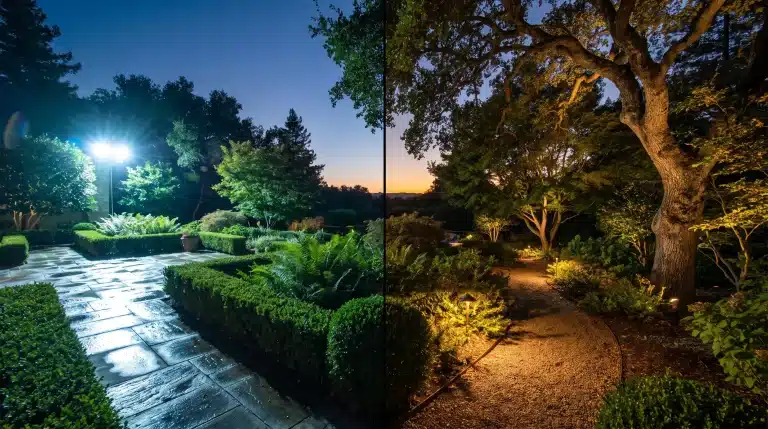
Outdoor spaces should not lose their functionality once the sun sets. Proper lighting ensures that the area remains usable and inviting during the evening hours. It also enhances safety by illuminating pathways and key features.
Layered lighting creates a balanced effect, combining ambient, task, and accent lighting. Soft lighting around seating areas adds warmth, while brighter fixtures near cooking or dining zones improve visibility. This combination allows the space to adapt to different activities.
Energy-efficient lighting options provide long-term benefits without increasing maintenance. Thoughtful placement ensures that the space feels comfortable rather than overly bright.
Choosing Materials That Withstand Changing Conditions
Outdoor renovations must account for varying weather conditions throughout the year. Materials should be selected based on their ability to handle temperature changes, moisture, and regular use. This ensures that the space remains durable and visually appealing over time.
Stone, concrete, and treated wood are popular choices due to their resilience. These materials can withstand harsh conditions while maintaining their structure and appearance. Selecting high-quality finishes also reduces the need for frequent repairs.
Durable materials not only improve longevity but also contribute to a more polished and cohesive design. This makes the investment more worthwhile in the long run.
Creating Comfortable Spaces for Relaxation
Comfort is essential for encouraging year-round use. Seating areas should be designed to provide both support and durability. Weather-resistant cushions and fabrics help maintain comfort without compromising longevity.
Adding elements such as outdoor rugs, blankets, or even heating solutions can make a noticeable difference during cooler months. These small details create a more inviting atmosphere and encourage people to spend more time outside.
Arranging seating to promote interaction enhances the overall experience. A well-designed layout makes the space feel welcoming and easy to use.
Planning for Long Term Enjoyment
Outdoor renovations should be approached with a long-term perspective. Needs may change over time, and the space should be able to adapt without requiring major modifications. Flexible layouts and multi-purpose areas support this adaptability.
Leaving room for future additions allows homeowners to expand or update the space as needed. This ensures that the design remains relevant and functional for years to come.
By focusing on both current needs and future possibilities, homeowners can create an outdoor space that continues to provide value over time.
Bringing Everything Together for Year Round Living
A successful outdoor renovation is one that balances comfort, functionality, and durability. Each feature should contribute to making the space usable in different conditions and for various activities. When all elements work together, the result is a cohesive and inviting environment.
With thoughtful planning and the right design choices, outdoor spaces can become a true extension of the home. They offer a place to relax, entertain, and enjoy throughout the year, making them one of the most rewarding areas to invest in.