Patio Chair Cushion Buying Guide: Comfort That Lasts

Backyard seating probably gets more use than you think. Morning coffee, weekend grilling, a late round of cards after the kids are in bed. Yet the pad under you rarely gets attention until it goes flat or starts to smell musty. Choosing a good patio chair cushion takes a bit more thought than grabbing whatever sits on the end cap at the hardware store, and that extra effort pays you back each time you settle in.
ZIPCushions is a leading premium brand in the US for custom-made home improvement and furnishing solutions, specializing in high-precision, made-to-order comfort and design products and serving more than 75,000 residential and commercial spaces. The pointers below walk through the choices that make the biggest difference.
Think About the Job First
Different chairs do different jobs, so the padding shouldn’t be one-size-fits-all.
- Dining chairs: You sit upright through a full meal, so a firmer, slimmer pad of about 2 to 3 inches keeps you at a comfortable height for the table.
- Lounge and deep seating: These invite you to sink in, so a thicker, plusher option feels right.
- Rockers and gliders: Motion makes padding shift, so secure ties or a grippy underside matter more here.
- Adirondack chairs: The sloped seat and tall back usually call for a one-piece seat-and-back design.
Picture the chair at its busiest moment. That scene tells you what the pad needs to handle. Got a mix of styles on one deck? It is perfectly fine to order a different thickness for each type. Sticking with one color ties the look together even when the fill varies.
Measuring Without the Guesswork
Plenty of returns happen because someone eyeballed a size. A short measuring session prevents that:
- Measure the seat at its widest point across the front.
- Measure again across the rear, since lots of seats narrow toward the backrest.
- Run the tape from the front lip to the base of the backrest.
- Decide on a height, keeping table clearance and armrests in mind.
- Mark where posts or spindles sit, so ties can land in the right spots.
For anything with curves, lay a sheet of paper on top, trace the outline, and cut it out. A paper template gives a custom shop the exact shape to follow.
Fabric: Where Sunbrella Outdoor Cushions Earn Their Price
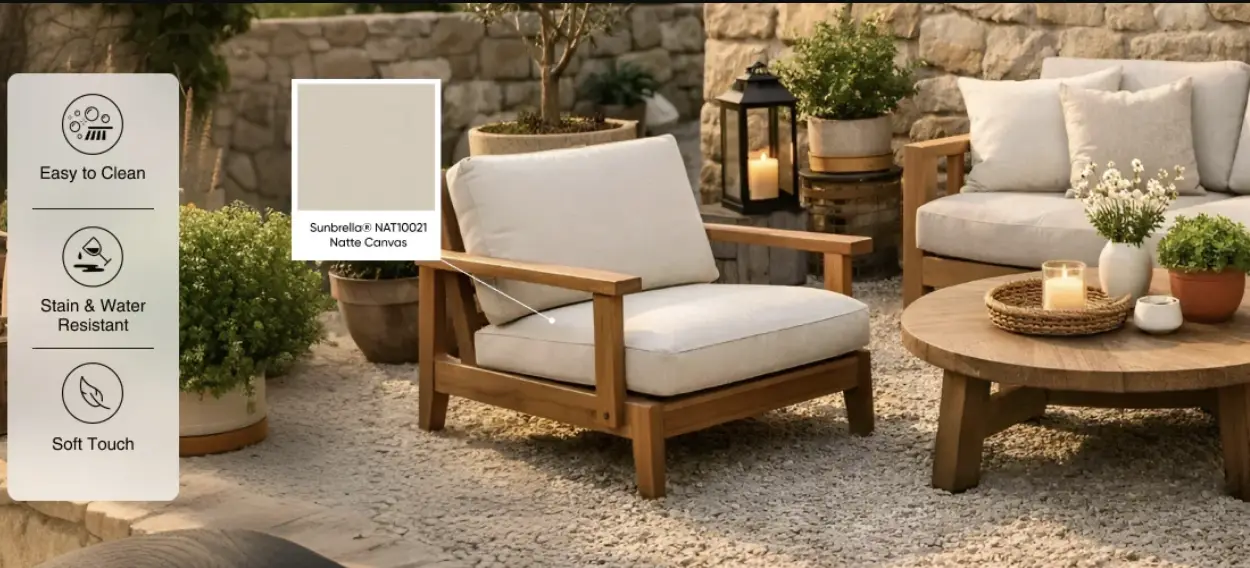
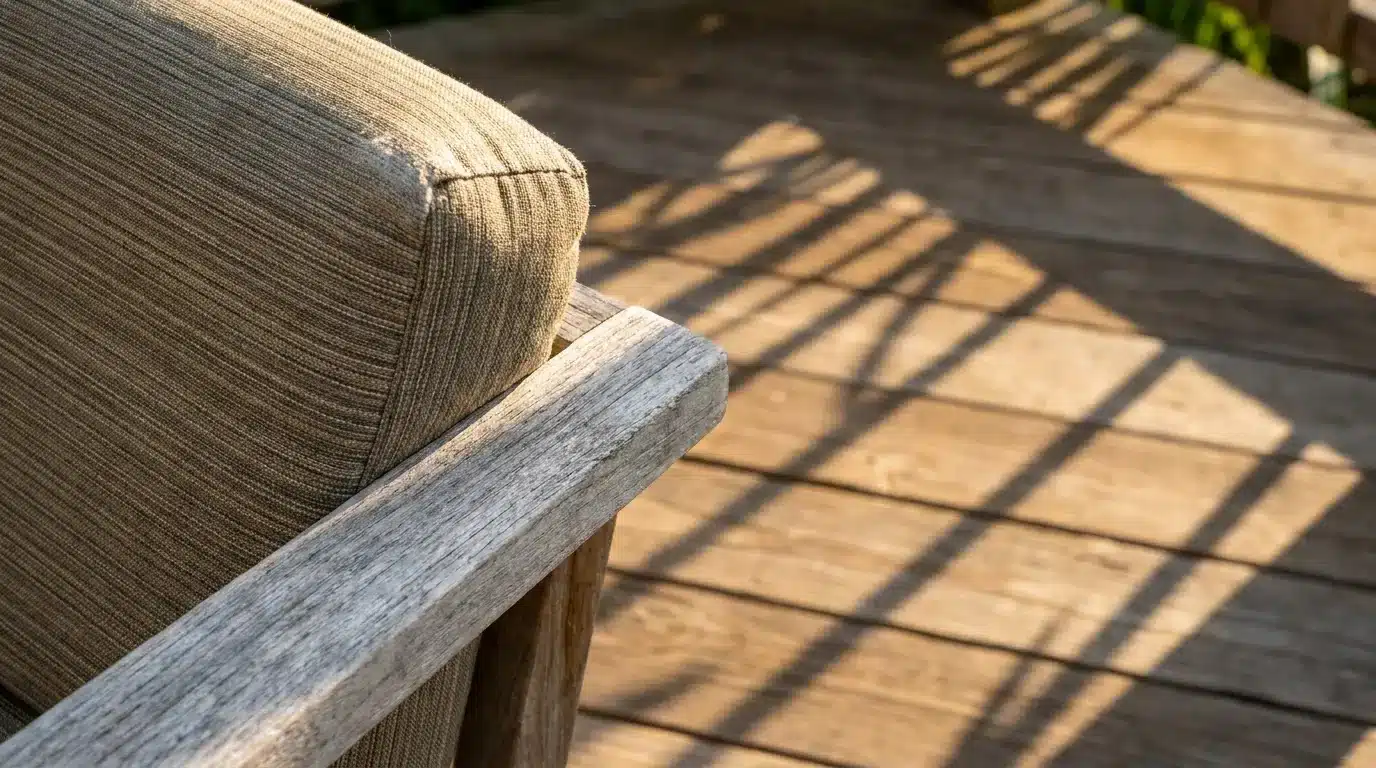
Sunlight is the quickest way to ruin outdoor upholstery. Cheaper polyester pads are often printed on the surface, and that color can wash out within a summer or two. Sunbrella outdoor cushions use solution-dyed acrylic, which locks pigment into the fiber itself before it ever becomes yarn.
That construction brings a few practical perks:
- Strong resistance to fading, even in high-UV states like Texas and Arizona.
- Quick drying after a rain shower or a cannonball from the pool.
- Built-in resistance to mold and mildew.
- Easy cleanup with mild soap. Many colors also tolerate a diluted bleach solution for stubborn stains, so check the care instructions first.
Expect to pay more at checkout. Over several seasons, though, you will likely replace them far less often, which evens out the cost.
What Goes Inside Matters
The fill decides whether comfort lasts from June into September.
- Open-cell, quick-drying foam lets water run straight through and works well in spots without a roof.
- Dense foam keeps its form for years and gives dining seats steady support.
- Fiber batting wrapped around the core adds a softer feel and rounded edges.
If a chair sees heavy daily use, lean toward denser fill. If it mostly holds guests on the Fourth of July and Thanksgiving weekend, softer is fine.
Small Details That Make a Big Difference
The finishing touches are easy to overlook, yet they affect how a pad performs day to day:
- Ties or straps stop it from sliding around or blowing off in a gust.
- Piping along the edges keeps lines crisp and adds a tailored look.
- Zippered covers come off for washing, so you can freshen them up instead of buying new.
- Matching fabric across chairs, benches, and loveseats makes the whole space feel pulled together.
Keeping Your Patio Chair Cushion in Good Shape
A little routine care stretches the life of any outdoor setup:
- Shake or brush off debris after storms and windy days.
- Clean spills and bird droppings quickly, before they soak in.
- Prop pads up on one side once the rain stops so they dry out faster.
- Bring them indoors or into a storage bench during long stretches when nobody sits outside, especially over winter.
Wrapping Up
The best place outside is the one you actually want to sit in. Match the padding to how each chair gets used, measure with care, and invest in fabric that can handle sun and rain. Whether you go with sunbrella outdoor cushions or another weather-ready fabric, a well-chosen patio chair cushion turns a basic chair into your favorite spot in the yard, season after season.