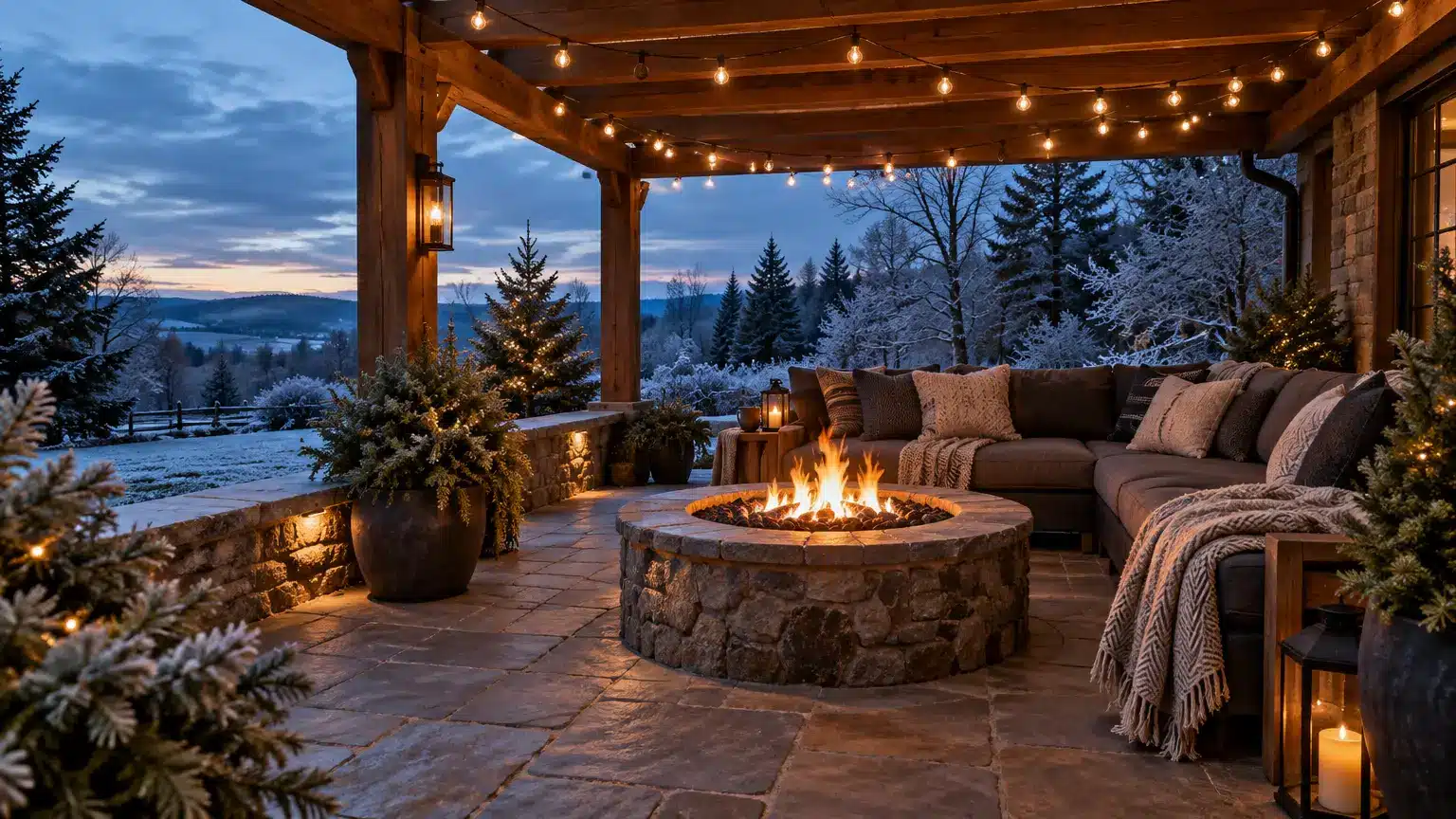
10 Ways to Create a Cosy, Winter-Ready Outdoor Space

When the temperatures start to drop and the evenings draw in, it’s tempting to pack away the garden furniture and forget about spending time outdoors until spring. But with a few small changes, your garden, patio or balcony can still be a welcoming place to relax during the colder months.
Creating a cosy, winter-ready outdoor space doesn’t necessarily mean starting from scratch. Simple additions like soft lighting and comfortable seating can make a real difference. If you’re planning bigger changes, a few well-chosen upgrades can help you make the most of your garden all season.
With that in mind, here are ten simple ideas to help you create a cosy, welcoming outdoor space you’ll want to enjoy throughout winter.
1. Create a Sheltered Spot
One of the easiest ways to make an outdoor space more comfortable in winter is to introduce some protection from the elements. Even a small covered area can make a difference when you want to enjoy a morning coffee or spend a little time outside.
A pergola with a suitable weatherproof roof, a covered patio or a retractable awning can provide shelter from rain. If you’re working with a smaller garden or balcony, consider positioning your seating beneath an existing overhang or in a naturally sheltered corner.
Think about how rain and wind move through your garden before deciding where to create your seating area. A well-chosen location can make the space feel noticeably more comfortable without requiring major changes.
2. Make Seating Warm and Comfortable
Comfortable seating is essential if you want to spend more time outdoors during the colder months. Hard garden chairs might be perfectly suitable in summer, but they can feel much less inviting when temperatures fall.
Choose seating with supportive backs and enough room to settle in comfortably. Weather-resistant furniture is a practical option, particularly if you don’t have space to store larger pieces indoors.
You can make existing furniture more welcoming with removable seat pads and cushions designed for outdoor use. Keep them somewhere dry between uses so they’re ready whenever you feel like heading outside.
Arranging chairs around a small table can also create a more sociable setting, whether you’re enjoying a quiet afternoon or catching up with friends.
3. Add a Little Warmth
A source of warmth can help make an outdoor seating area more enjoyable on chilly days and evenings. The best option will depend on the size of your space, how often you plan to use it and the type of shelter available.
An outdoor-rated electric heater may work well for a suitable patio, while a fire pit can create an inviting focal point in a larger, open garden. Both can make spending time outside feel like an occasion rather than something you have to brave.
Whatever you choose, make sure it’s suitable for your outdoor space and has plenty of room around it. Fire pits are best enjoyed in open areas, well away from anything that could catch fire.
4. Layer Your Outdoor Lighting
With daylight disappearing earlier in winter, good lighting can completely change how an outdoor space looks and feels.
Rather than relying on one bright light, try combining several softer sources to create a welcoming atmosphere:
- Festoon lights can add a warm glow above a seating area or along a fence.
- Outdoor lanterns provide softer lighting on tables and in sheltered corners.
- Pathway lights help illuminate steps, walkways and other areas that need better visibility.
Lighting can also make the garden more enjoyable to look at from inside your home. A softly lit tree, planter or garden feature creates interest beyond the windows on dark evenings.
5. Choose Surfaces That Handle the Weather
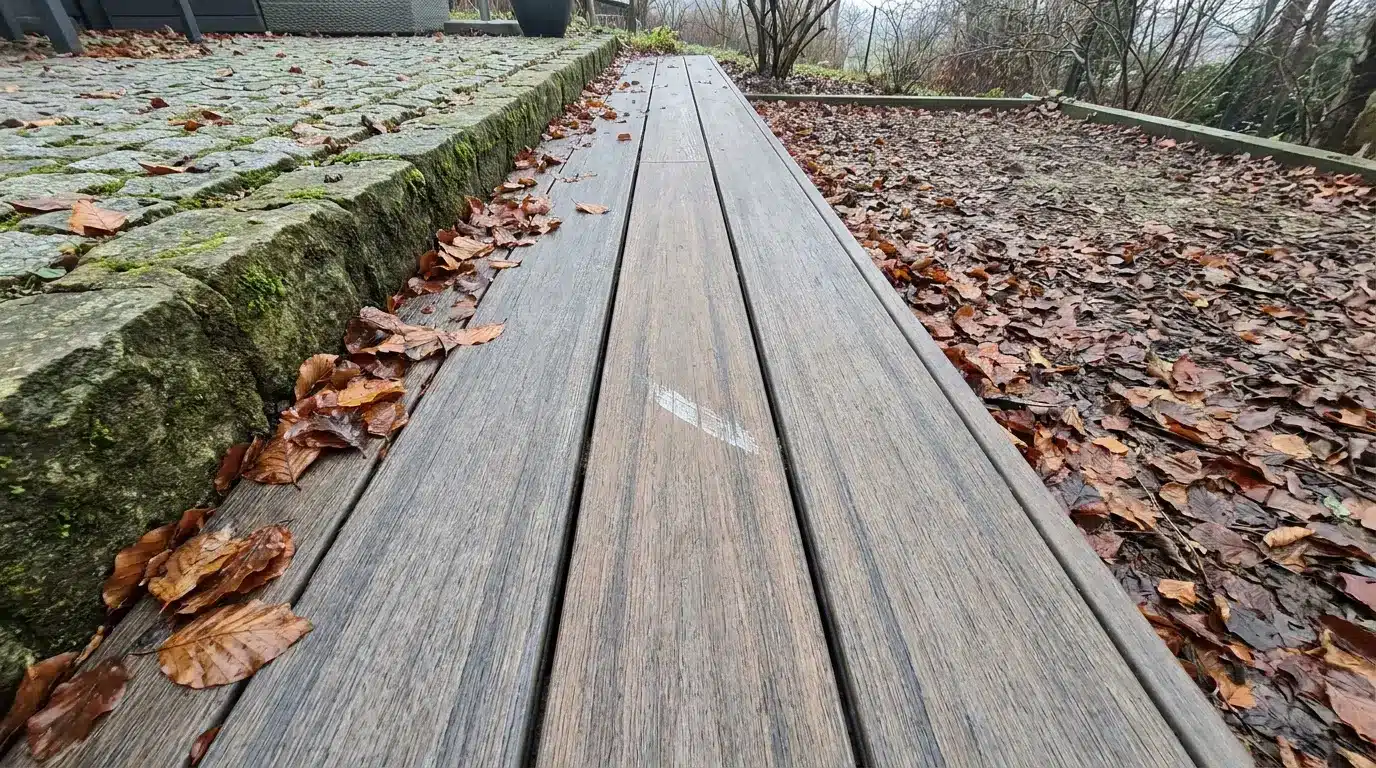
The surface beneath your outdoor furniture plays an important role in how practical the space feels throughout winter. Frequent rain, damp conditions and changing temperatures can all affect the appearance and upkeep of patios, terraces and garden paths.
If you’re planning to refresh an outdoor seating area, it’s worth considering materials that suit your local conditions and the amount of maintenance you’re happy to undertake.
If you love the look of timber but would rather spend less time maintaining it throughout the year, composite decking could be worth considering. Paving and natural stone are also good options, depending on the style of your garden and how you plan to use the space.
Whatever surface you have, good drainage and regular care will help keep it looking its best. Removing fallen leaves and dealing with moss or algae when necessary can also make the area more pleasant to use during wet weather.
6. Bring in Some Winter Greenery
A garden doesn’t have to look bare just because the summer flowers have disappeared. Adding a few carefully chosen plants can bring colour, texture and life to your outdoor space throughout winter.
Evergreen shrubs are a useful starting point, as they provide structure even when other plants are dormant. Small conifers, hardy ferns and ornamental grasses can also look attractive in containers around a patio or seating area.
For seasonal colour, consider winter-flowering plants such as hellebores or winter pansies, provided they’re suitable for your garden’s conditions.
You don’t need a large collection of pots to make an impact. Grouping a few containers of different heights near your seating area can create an attractive display without making the space feel crowded.
Choose frost-resistant containers with drainage holes, and remember that potted plants may need extra protection during prolonged freezing weather.
7. Add Texture with Outdoor Rugs and Soft Furnishings
A few well-chosen accessories can make an outdoor seating area feel more like an extension of your living room.
An outdoor rug can help define a seating space, particularly on a larger patio where furniture might otherwise feel a little scattered. Look for a rug specifically designed for outdoor use, and choose a size that sits comfortably beneath or in front of your furniture.
Textured cushions and soft throws can add another layer of warmth and personality. Earthy colours, warm neutrals and deeper greens work particularly well with winter planting and natural garden materials.
The trick is to keep the look comfortable rather than cluttered. A couple of cushions and a blanket within easy reach can be more inviting than an elaborate arrangement that takes ages to set up.
Even weather-resistant textiles benefit from being kept dry when they’re not in use, so plan somewhere convenient to store them.
8. Set Up a Winter Drinks Corner
Sometimes the simplest way to encourage yourself to spend more time outdoors is to make the experience feel like a little treat.
A small side table beside your favourite chair gives you somewhere to put a mug of tea, hot chocolate or coffee. If you enjoy entertaining, a larger table will work even better.
You could also add a tray to keep everything together and make carrying drinks outside easier. A small serving board for biscuits or homemade treats adds a thoughtful touch when friends or family come over.
There’s no need to create a full outdoor kitchen or drinks station. A comfortable chair, a convenient surface and something warm to sip can be enough to make a crisp winter afternoon feel special.
9. Make Storage Part of the Design
One of the challenges of using an outdoor space in winter is keeping everything you need close at hand without leaving it exposed to damp weather.
A garden storage bench can be a useful addition, offering extra seating alongside a place for suitable outdoor accessories. Compact storage boxes and cupboards are also worth considering, especially in smaller gardens where every bit of space matters.
Look for storage that suits the conditions in your garden, and check whether items inside need additional protection from moisture. Blankets and fabric cushions are generally best kept in a dry indoor space rather than left outside for long periods.
10. Create a Cosy Outdoor Nook
You don’t need to transform your entire garden to enjoy spending time outside in winter. Sometimes, creating one inviting corner is the most effective approach.
Start by choosing a spot that feels sheltered and offers a pleasant view, whether that’s towards the garden, a favourite tree or a collection of winter planters. Add a comfortable chair or small bench, then bring in a side table and some gentle lighting.
A few finishing touches can make the area feel personal. You might position a planter nearby, choose cushions in colours you love or keep a favourite blanket ready for dry, chilly afternoons.
The aim is to create somewhere you’ll genuinely want to sit, even if it’s only for fifteen minutes. A thoughtfully arranged corner can feel just as welcoming as a much larger outdoor entertaining area.
Conclusion
Your garden or patio doesn’t have to become an unused space as soon as winter arrives. From simple finishing touches to more substantial upgrades, a few considered changes can help you make the most of it until spring.
The key is choosing ideas that suit your space, your budget and how you enjoy spending time outdoors. With the right touches, your garden could become somewhere you look forward to spending time, even on a crisp winter afternoon.