Creating an Outdoor Space That’s Truly Valuable to Your Tenants

When we think about making a house feel like home, our minds usually go straight to the interior — a cozy reading nook, a clean kitchen, a photo gallery in the hallway. But the outdoors is where most rental properties actually have the greatest untapped potential. A well-designed patio, deck, or backyard sitting area doesn’t just make a rental property more enjoyable to live in — it can significantly improve how quickly a unit rents and how long tenants choose to stay.
Whether you’re a landlord looking to upgrade a rental property between tenants, or a tenant wanting to get the most out of your current outdoor space, here’s how to take a typical backyard and turn it into a place people actually enjoy spending time in.
Identify a Centerpiece
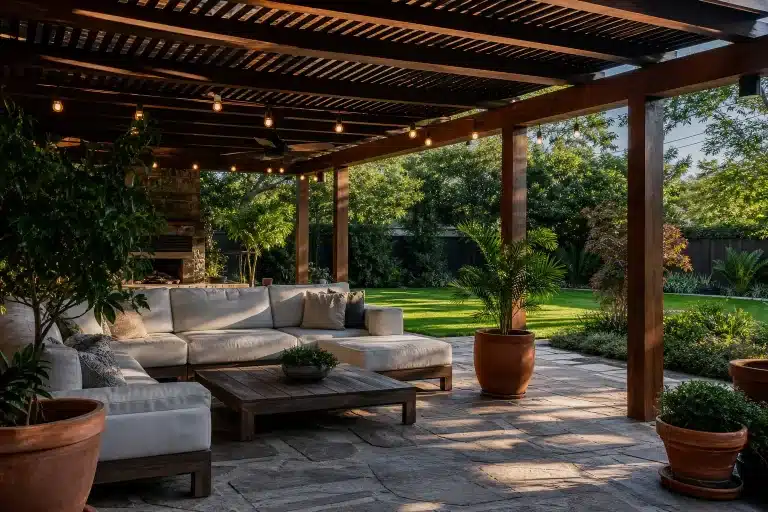
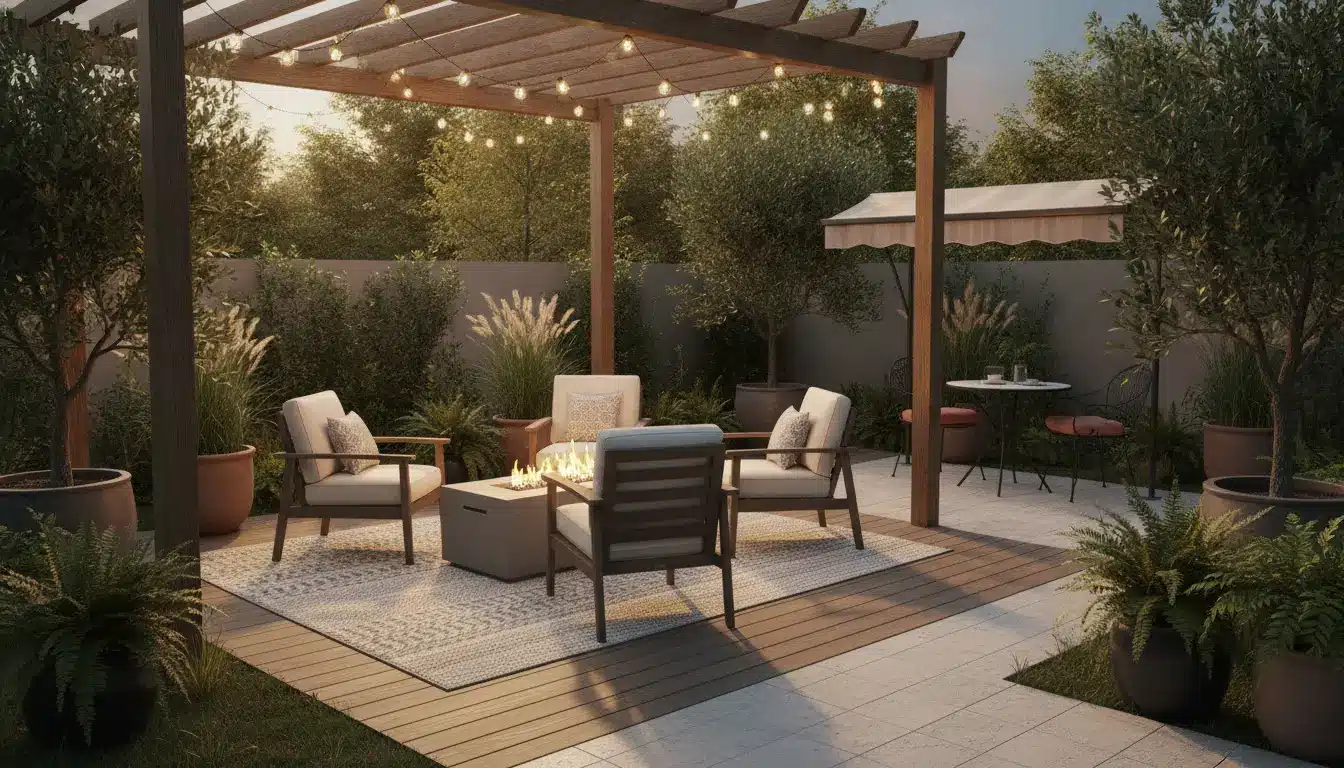
Every well-designed outdoor space has some kind of anchor — something that draws the eye right away. Fire pits, pergolas, dining tables, and even a single great piece of outdoor furniture can all serve this role. Without an anchor, outdoor spaces tend to look disorganized, with furniture and plants scattered together almost at random.
In smaller yards or patios common to rental properties, a bistro-style table with two chairs makes a beautiful centerpiece that doesn’t crowd the space. In larger backyards, consider a designated seating area built around a low table, framed with an outdoor rug to define the space — much the way an area rug defines a living room indoors.
Define Zoned Areas, Not Just Furniture Placement
One of the simplest ways to elevate an outdoor space is to break it into functional zones, even if the total square footage is relatively small. A small backyard might include:
- A dining area near the entrance so food can be easily carried from the kitchen
- A lounge area with comfortable seating for relaxing after work
- A greenery zone, such as a small raised garden bed or a cluster of potted plants
Dividing a backyard into zones like this mirrors how we naturally organize rooms inside a house. The result is a rental backyard that feels deliberate, rather than like leftover space behind the house.
Keep Yard Work Low-Maintenance
Rental properties benefit enormously from landscaping that looks great while requiring minimal upkeep, since neither tenants nor landlords typically want to spend weekends on yard work. Drought-tolerant plants, native perennials, and mulched beds (instead of a thirsty lawn) are all excellent alternatives. Container gardening is another great option for renters, since pots can go with them at move-out and require no permanent changes to the property.
Reliable, low-fuss plant choices for most climates include ornamental grasses, succulents, lavender, and ferns — all of which add texture and color with virtually no maintenance.
Add Lighting
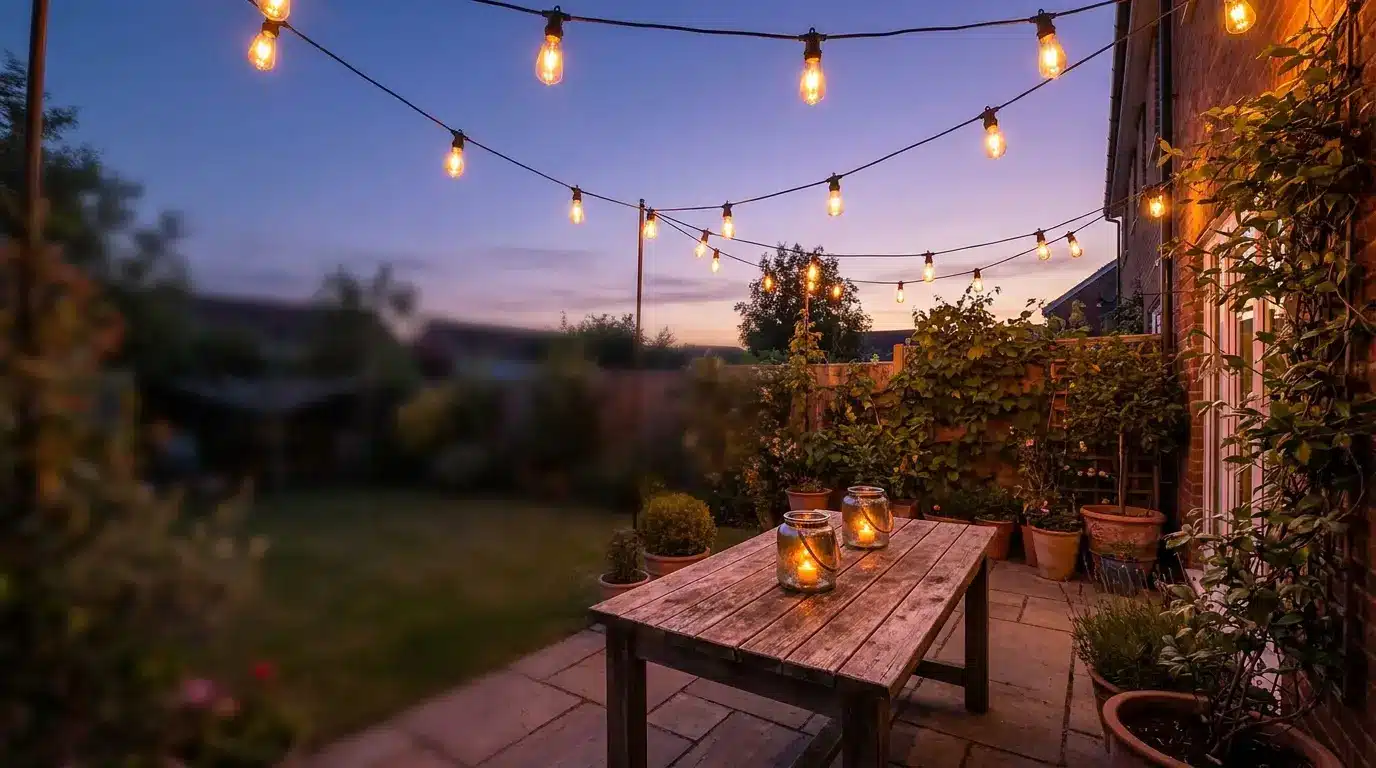
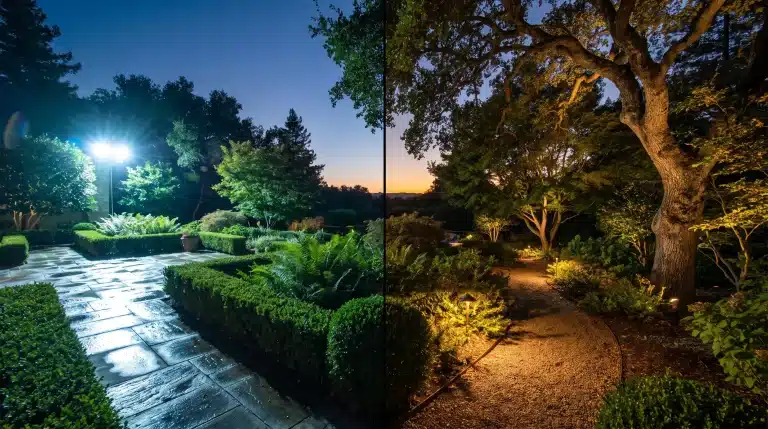
Solar-powered string lights, path lights, and lanterns can dramatically transform an outdoor space once the sun goes down. This is one of the least expensive, lowest-effort upgrades available, and it works whether you’re photographing a vacant rental for listing photos or simply want to enjoy your own patio in the evening. Since these lights are solar-powered, they require no electrical wiring and can be moved or removed as needed.
Why Outdoor Spaces Matter for Rentals
An inviting outdoor space isn’t just a desirable feature in today’s competitive rental market — it can be a genuine differentiator for a property. Listings with well-photographed outdoor spaces tend to generate more interest, and tenants who enjoy their outdoor space are more likely to stay satisfied and stay longer, which helps reduce costly turnover.
Many renters today prioritize an enjoyable outdoor living space right alongside affordability. Property owners who want to maximize the exposure and appeal of their rental properties are increasingly turning to a professional Missouri City property management firm for guidance on which exterior enhancements are worth the investment and which outdoor renovations tend to resonate most with local renters.
Owners managing their own rental units can still find real value in smaller exterior improvements — a freshly painted fence, a couple of planters flanking the entry door, or new house numbers surrounded by a small planted bed — all of which can shape how first-time visitors perceive the property during a showing.
Create Impact Without Spending Much
If you’re working with a limited budget, or your rental agreement prohibits permanent structural changes, focus on additions that are inexpensive to install and easy to remove:
- Outdoor rugs instantly frame a seating area and add warmth underfoot
- Potted plants bring color and life without altering existing landscaping
- Weatherproof cushions and throw pillows make existing furniture feel more inviting
- A small side table gives you a spot for drinks, books, or a candle in the evening
None of these require construction, and they typically leave with the tenant at lease end — making them ideal for anyone unsure how long they’ll be staying in a particular home.
Bringing It All Together
The best outdoor spaces feel like a natural extension of the house rather than an afterthought tacked onto the back of it. Start with a focal point, break the space into distinct zones, choose low-maintenance greenery, and layer in a bit of lighting. Done intentionally, even a small rental backyard or patio can become a place worth spending time in.
For more seasonal inspiration and outdoor design ideas, Better Homes & Gardens offers a great collection of tips that pair well with the rental-friendly approach outlined above.