13 Best Low-Light Plants for Indoor Spaces

Quick Answer: The best low-light plants include snake plants, ZZ plants, pothos, peace lilies, Chinese evergreen, and cast iron plants. These houseplants grow well with little natural light and need simple care.
I avoided plants in dim rooms for years. I assumed they needed direct sun to survive. Then I tried a few low-light plants in a dark corner near my desk.
They grew well with barely any window light. Low light does not mean darkness. It simply means less natural brightness than a spot by a window.
This list covers low-light plants that are easy to grow. You’ll also find care tips and a note on which ones are safe around pets.
What Does Low Light Mean for Indoor Plants?
Low light means a spot still gets some daily brightness, just not direct sun. Understanding this difference helps you pick the right spot for each plant.
No houseplant can grow without any light. Plants need light for photosynthesis, the process that converts light into energy.
Common low-light areas include north-facing rooms, hallways, offices without big windows, and corners a few feet from a window.
Even low-light plants need some brightness to stay healthy.
Watch for stretched or leggy stems, smaller new leaves, and yellowing on older leaves. These often match common signs of plant stress that surface before growth fully stops. Slow or stalled growth is another sign the plant needs more light.
13 Best Low Light Plants for Indoor Spaces
Each of these low-light plants tolerates dim rooms and needs simple care. A few, like the spider plant, peace lily, and snake plant, also help filter indoor air as a bonus. Use the table below to compare them at a glance before reading the full list.
| Plant | Light & Water Needs | Best For |
|---|---|---|
| Snake Plant | Very low light, low water | Bedrooms, offices |
| ZZ Plant | Very low light, very low water | Beginners |
| Pothos | Low light, moderate water | Shelves, hanging baskets |
| Peace Lily | Low light, moderate water | Living rooms |
| Chinese Evergreen | Low light, moderate water | Dark corners |
| Cast Iron Plant | Low light, low water | Neglected spaces |
| Spider Plant | Low to medium light, moderate water | Beginners |
| Lucky Bamboo | Low light, low water | Small spaces |
| Heartleaf Philodendron | Low light, moderate water | Hanging areas |
| Parlor Palm | Low light, moderate water | Living rooms |
| Prayer Plant | Low light, moderate water | Decorative foliage |
| Bird’s Nest Fern | Low light, higher humidity | Bathrooms |
| Dracaena | Low light, low water | Offices |
1. Snake Plant (Sansevieria)
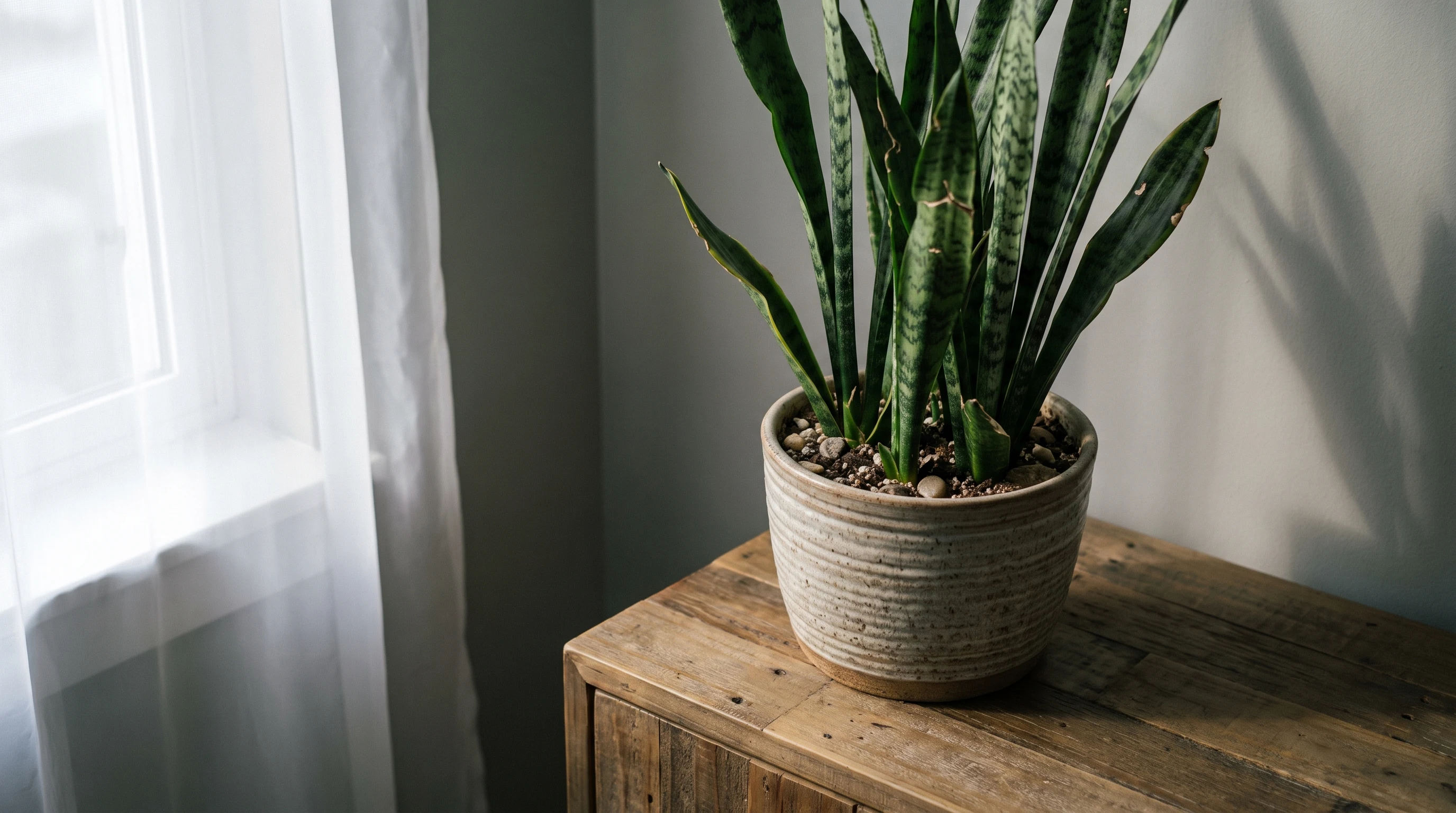
The snake plant handles low light better than most houseplants. Its stiff, upright leaves give any room a clean, structured look.
Growth slows down in darker areas, so patience helps here. Overwatering causes more harm than low light does, so let soil dry between waterings.
Why it survives low light so well: Snake plants store water in their thick leaves. This makes them drought-tolerant and forgiving if you forget to water on schedule.
Best placement: Bedrooms, entryways, offices
2. ZZ Plant (Zamioculcas zamiifolia)
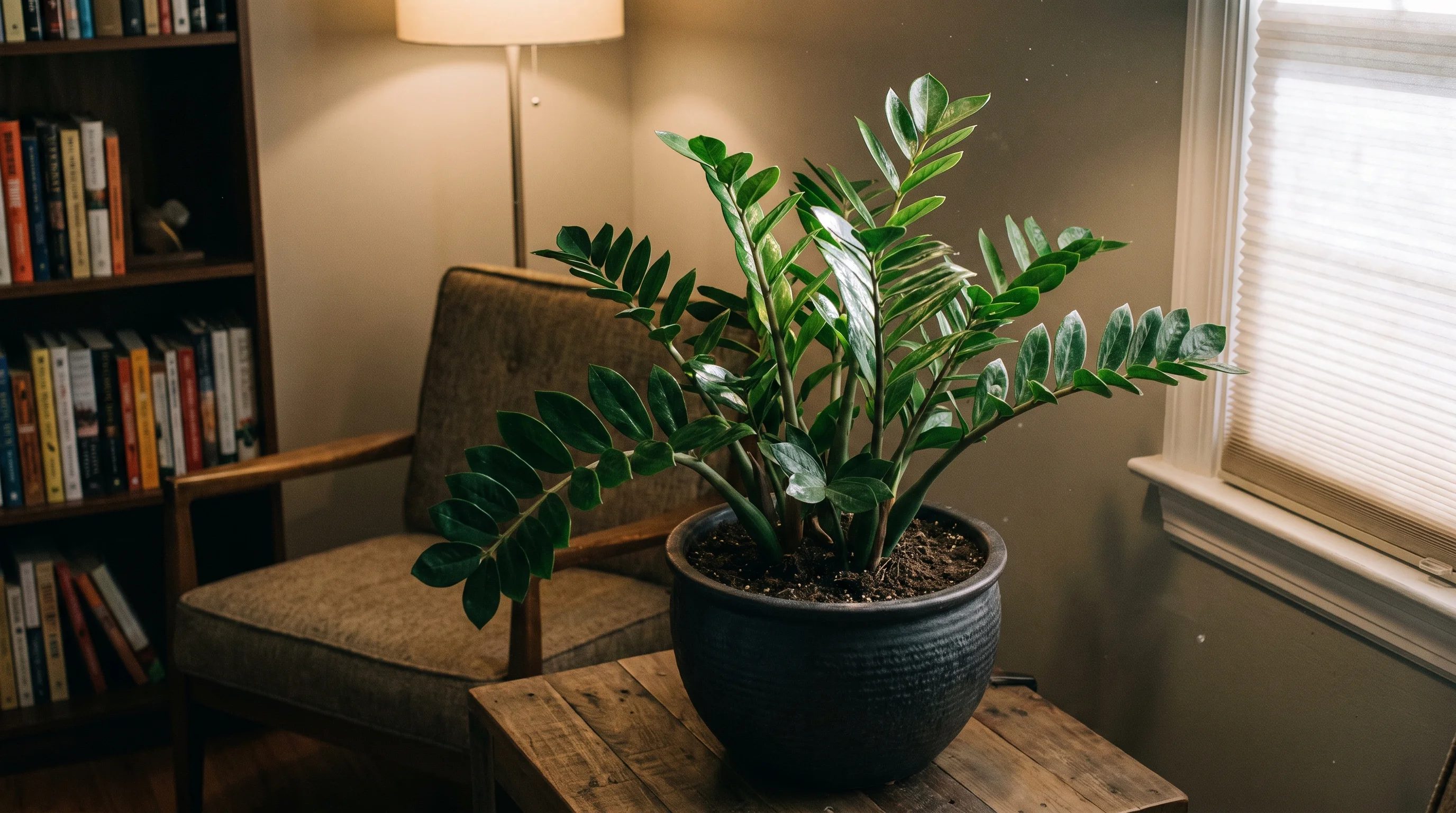
The ZZ plant ranks among the easiest low-light plants to keep alive. It tolerates neglect and still looks glossy and full.
Underground rhizomes store water, so the plant survives inconsistent watering. This makes it a smart pick for busy plant owners.
Avoid overwatering in low light spaces. Soil dries slowly without strong sun, so check moisture before adding more water.
3. Pothos (Epipremnum aureum)
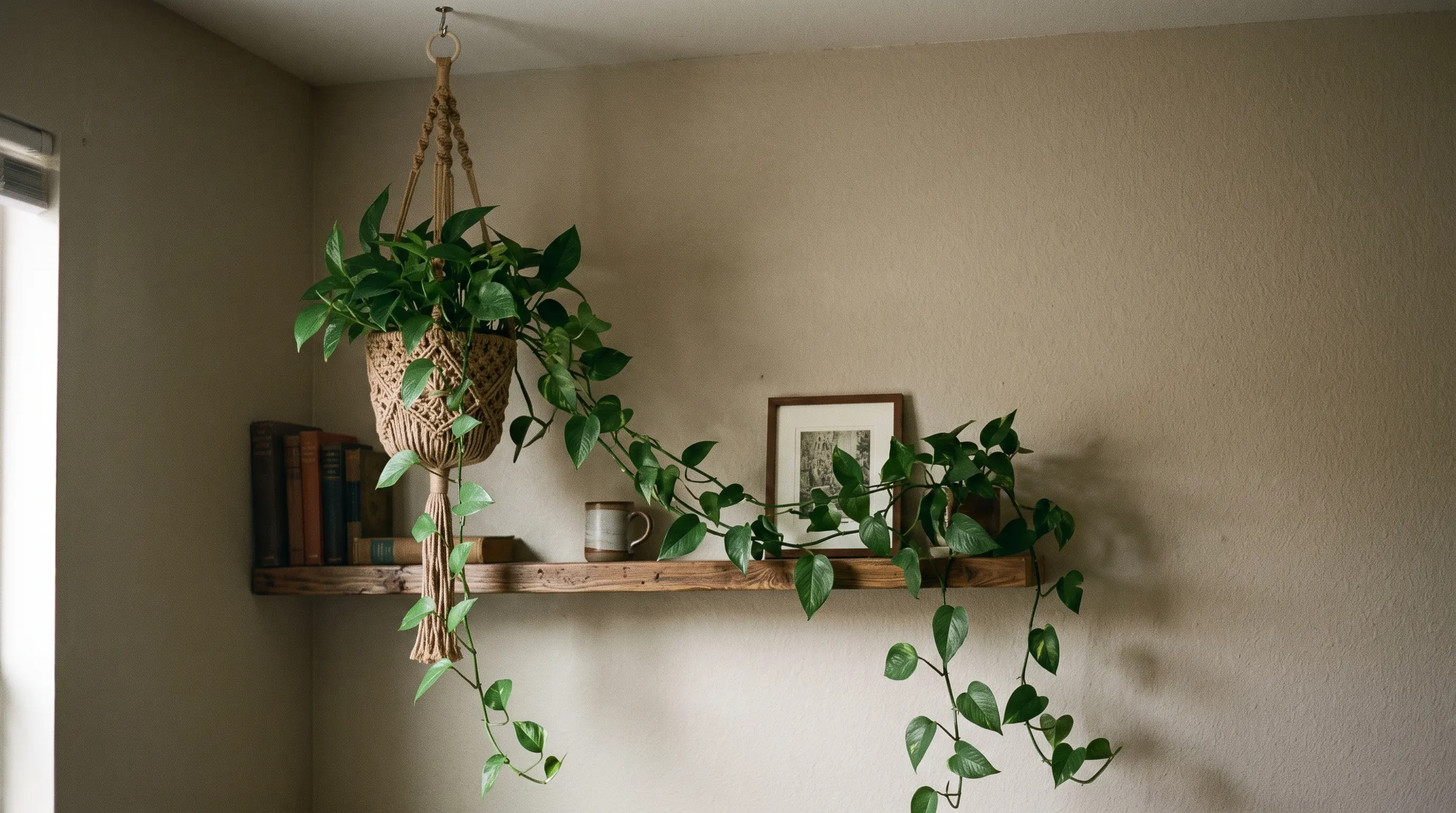
Pothos is a popular trailing plant that works well on shelves and in hanging planters. Its vines can grow long with little effort from you.
Solid green varieties handle lower light better than highly variegated types. The lighter patches on variegated leaves need more brightness to stay healthy.
Propagation is simple too. Cut a stem below a node, place it in water, and roots form within weeks.
4. Peace Lily (Spathiphyllum)
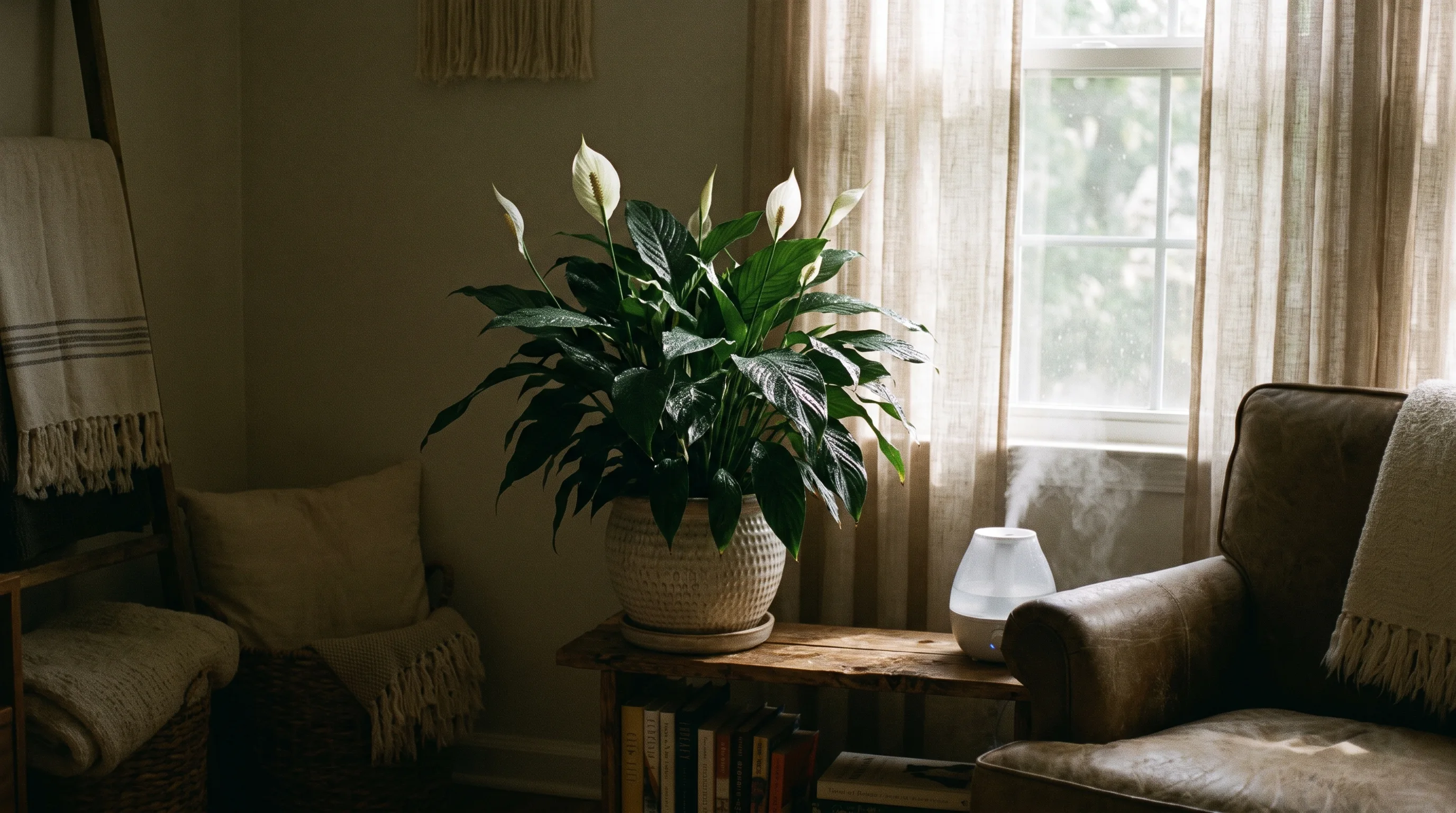
The peace lily stands out as one of the few low-light plants that still produces flowers. It prefers indirect light over direct sun.
Drooping leaves act as a natural signal. When leaves droop, the plant needs water soon.
Peace lilies also enjoy some humidity. Too little light can reduce blooming, so give it the brightest spot your low-light room allows.
5. Chinese Evergreen (Aglaonema)
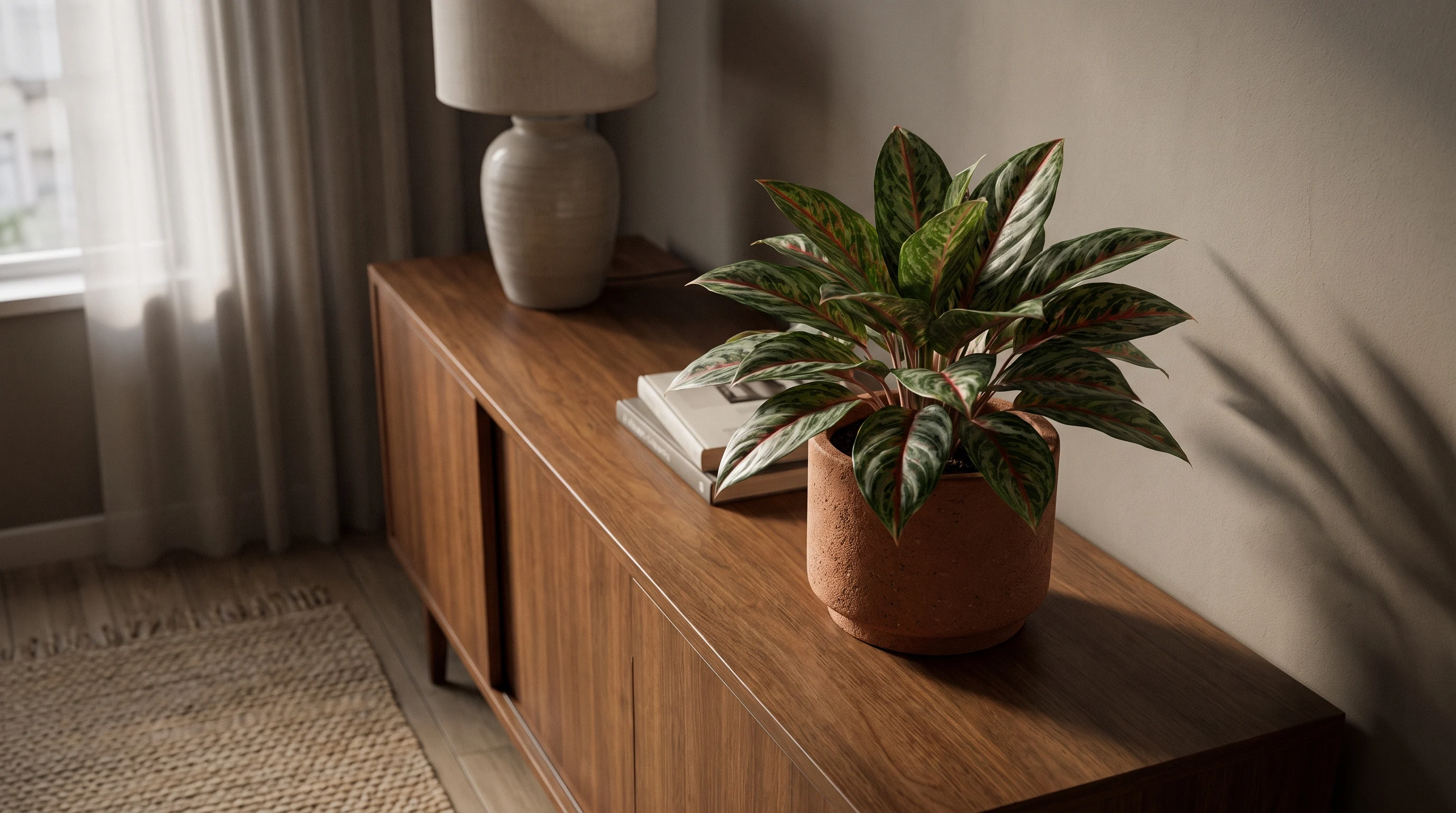
Chinese evergreen offers colorful foliage in patterns of green, silver, and red. It tolerates lower light better than many other decorative plants.
Growth stays slow but steady. Once established, this plant needs little attention to keep its color.
It suits offices and apartments with limited window space. This makes it a dependable choice for anyone short on time.
6. Cast Iron Plant (Aspidistra elatior)
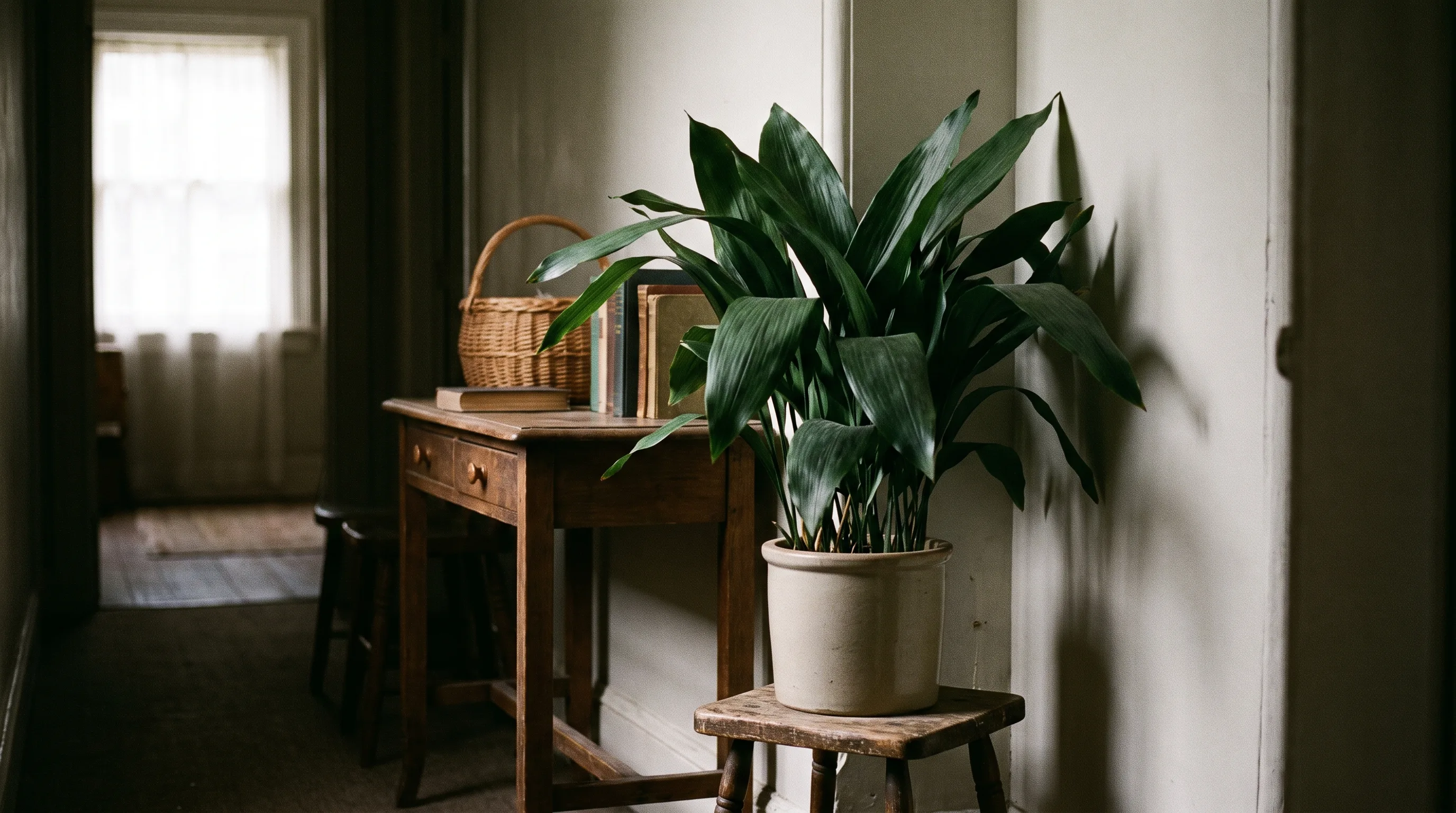
The cast iron plant earns its name from its toughness. It handles shade, dry air, and irregular care without much complaint.
Growth stays slow, but the dark green foliage lasts for years. This makes it a strong option for corners that get forgotten.
If you want low-light plants that survive neglect, this one belongs on your list.
7. Spider Plant (Chlorophytum comosum)
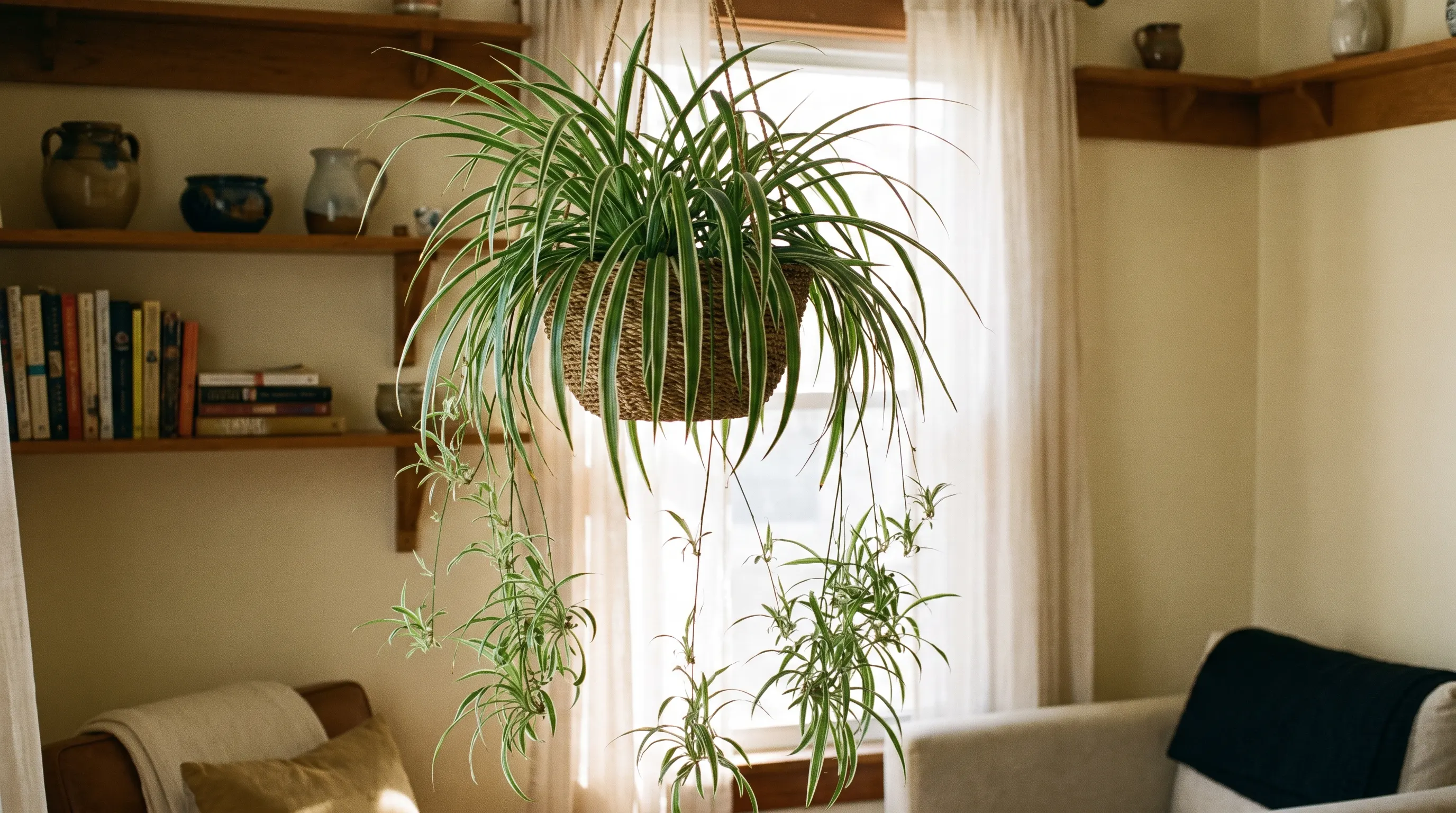
Spider plants suit beginners who want easy, low-light plants. They adapt well to indoor conditions and rarely demand much attention.
Mature spider plants produce small baby plants on long stems. You can cut these off and root them in water or soil.
Water when the top inch of soil feels dry. Avoid soggy soil, since it can cause root rot.
8. Lucky Bamboo (Dracaena sanderiana)
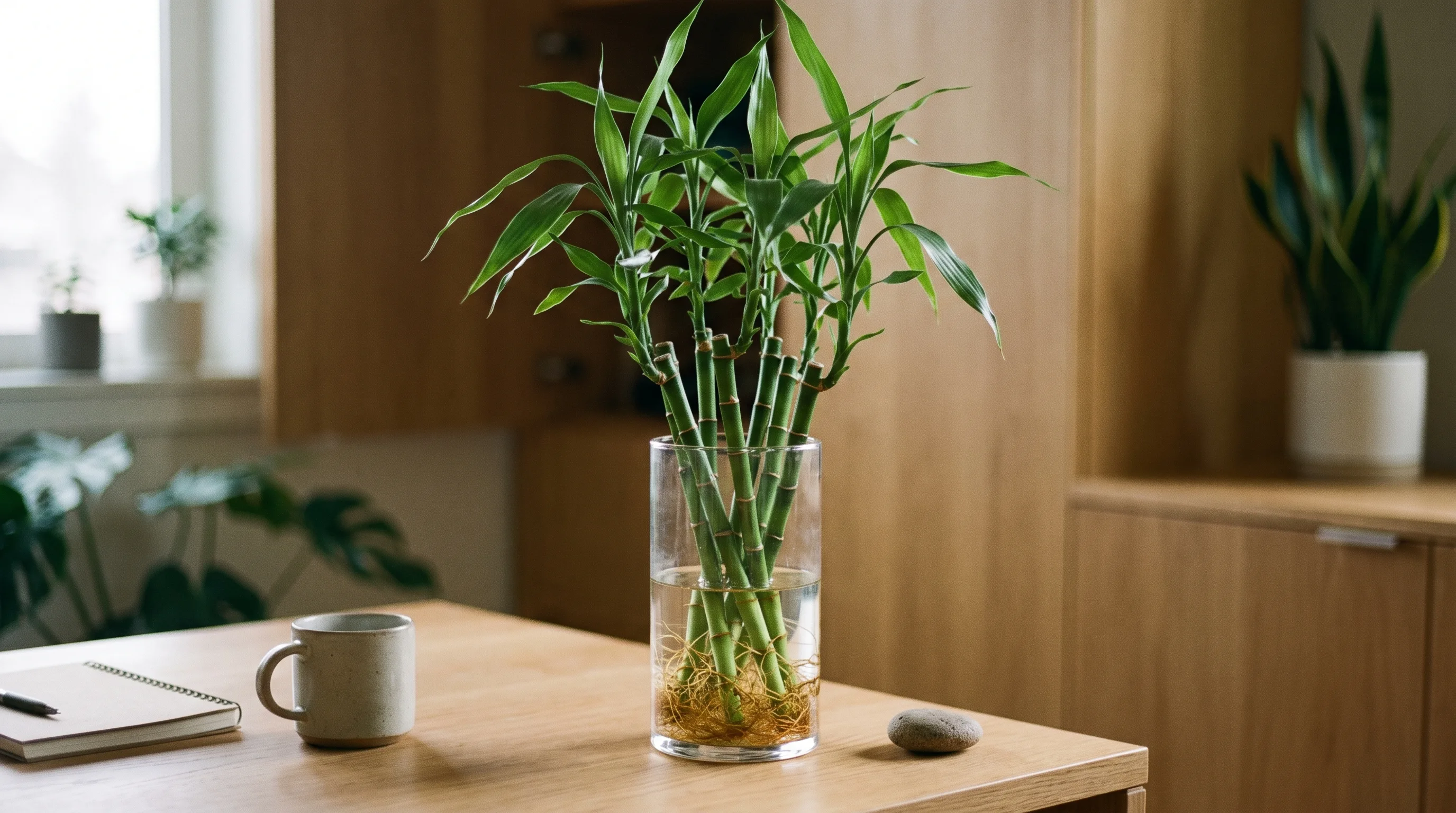
Lucky bamboo is a common desk plant that grows in water or soil. Its simple care routine fits busy offices and small apartments.
Keep it away from direct sunlight, since strong rays can scorch its stalks. Indirect, low light suits it best.
Change the water every week or two if grown hydroponically. This keeps the roots healthy and free of algae.
9. Heartleaf Philodendron
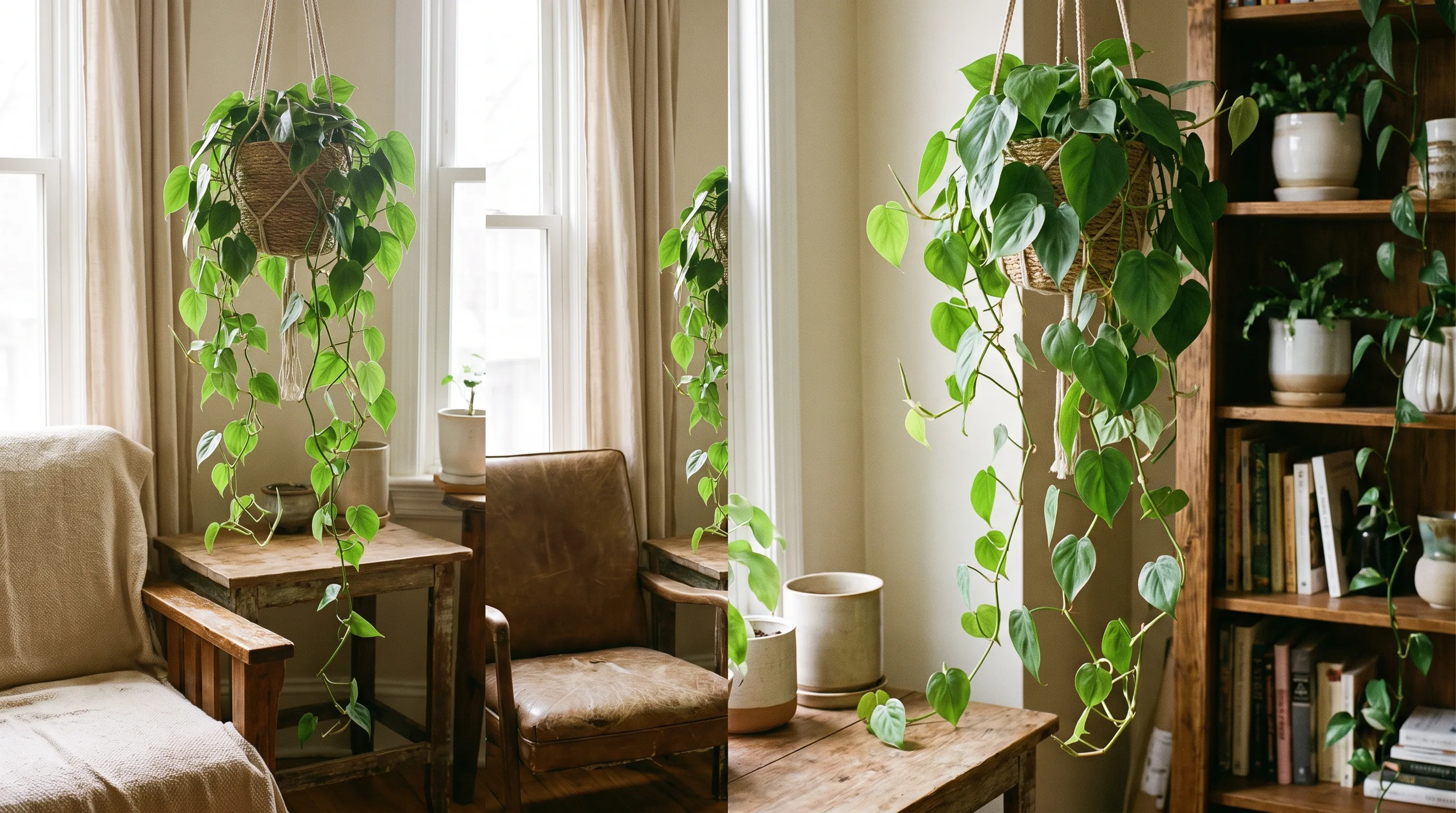
This trailing plant grows fast and fills hanging baskets with heart-shaped leaves. It handles indirect and lower light with ease.
Regular pruning keeps growth full instead of leggy. Trim long vines back to encourage new leaves near the base.
Among low-light plants, the heartleaf philodendron stays one of the most forgiving choices for hanging displays.
10. Parlor Palm
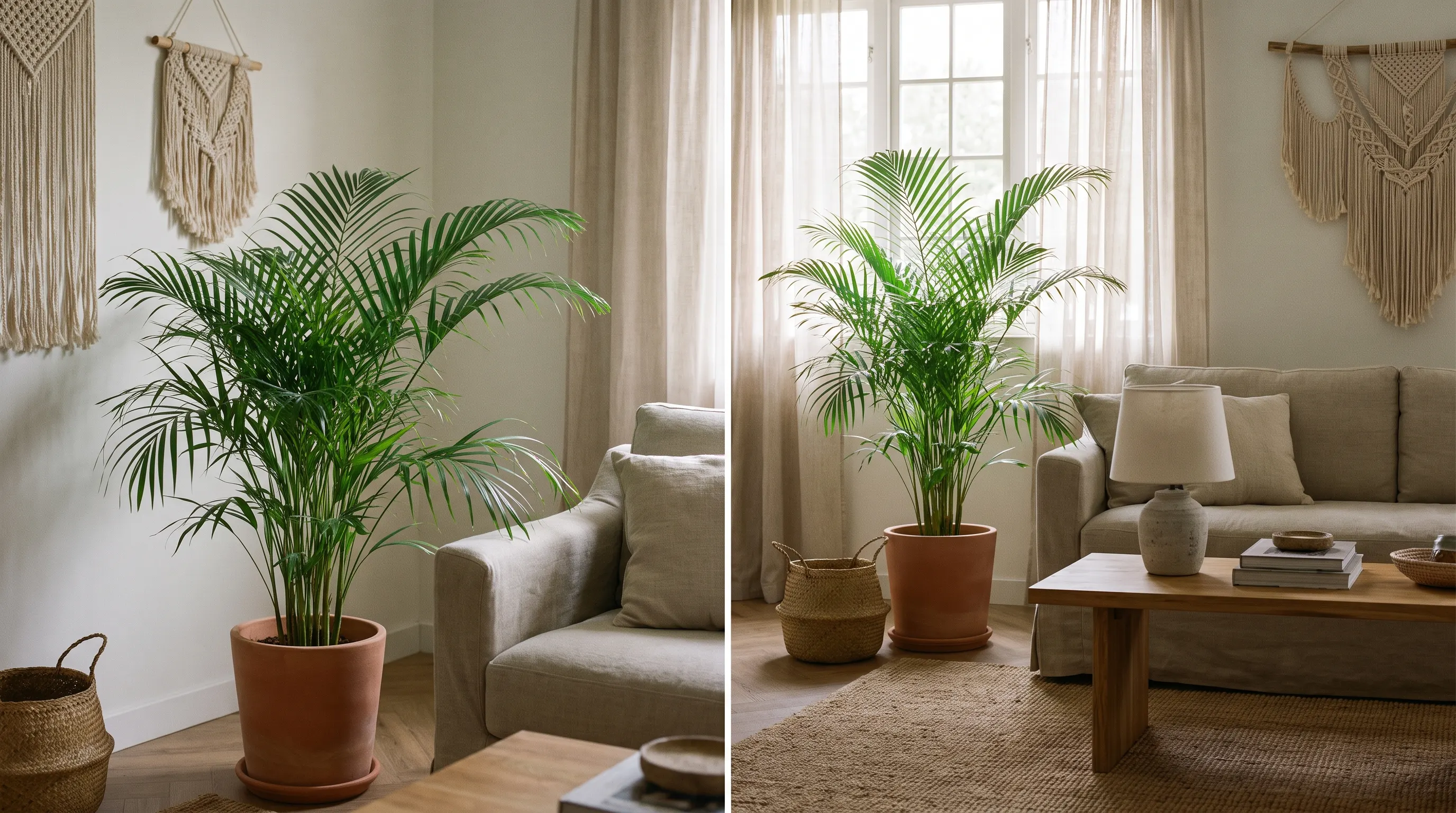
The parlor palm brings tropical foliage indoors without needing bright sun. It handles lower light better than most palm varieties.
Growth stays slow, so repotting is rarely urgent. Avoid overwatering, since soggy roots cause more problems than dim light.
This palm works well in living rooms that want a tropical feel without a sunny window.
11. Prayer Plant (Maranta leuconeura)
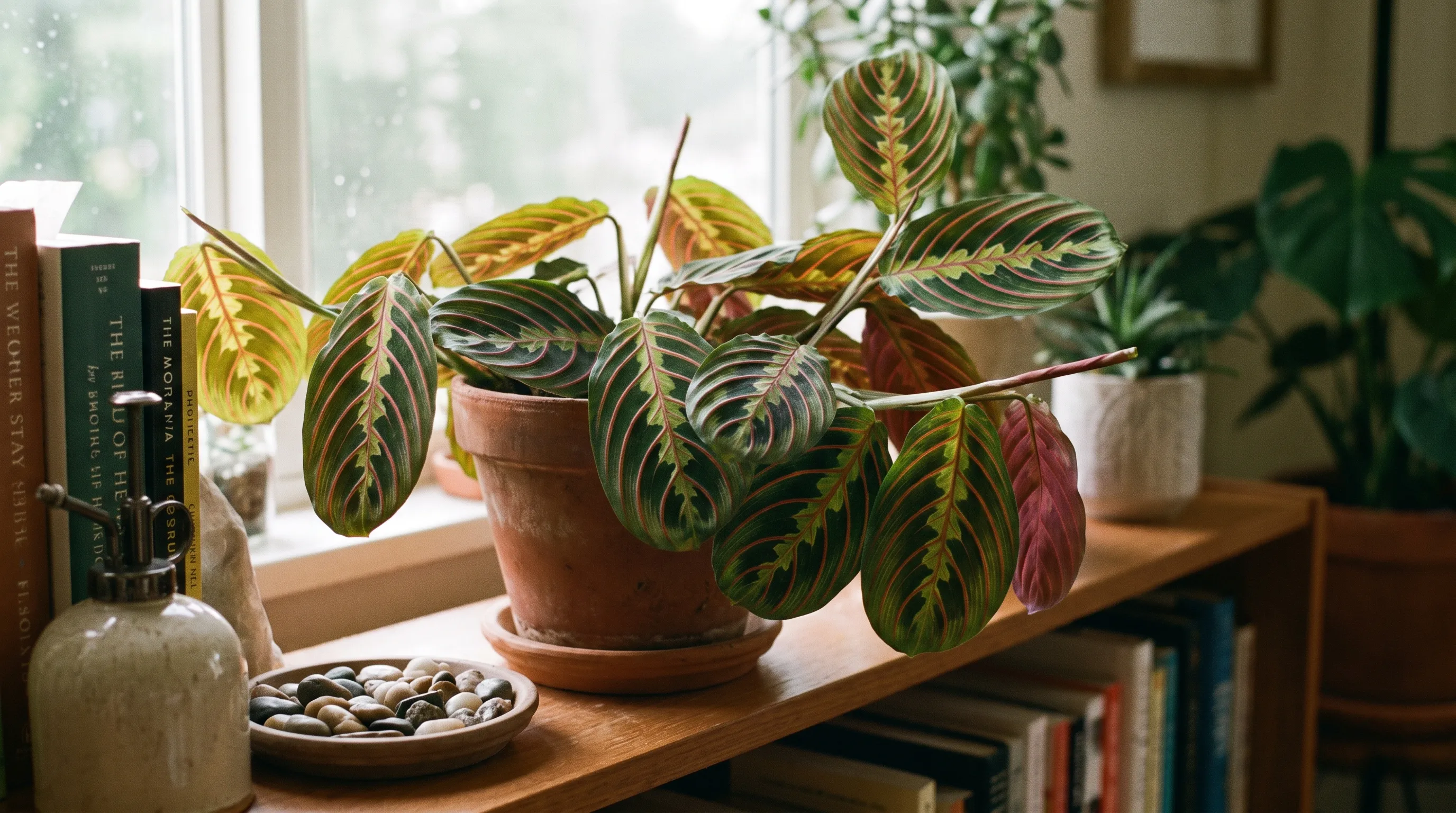
The prayer plant stands out for its patterned leaves that fold up at night. It prefers indirect, low light over strong sun.
Consistent moisture keeps this plant healthy, so avoid letting the soil dry out completely. It also benefits from some added humidity.
Among low light plants, this one rewards attentive owners with striking foliage.
12. Bird’s Nest Fern
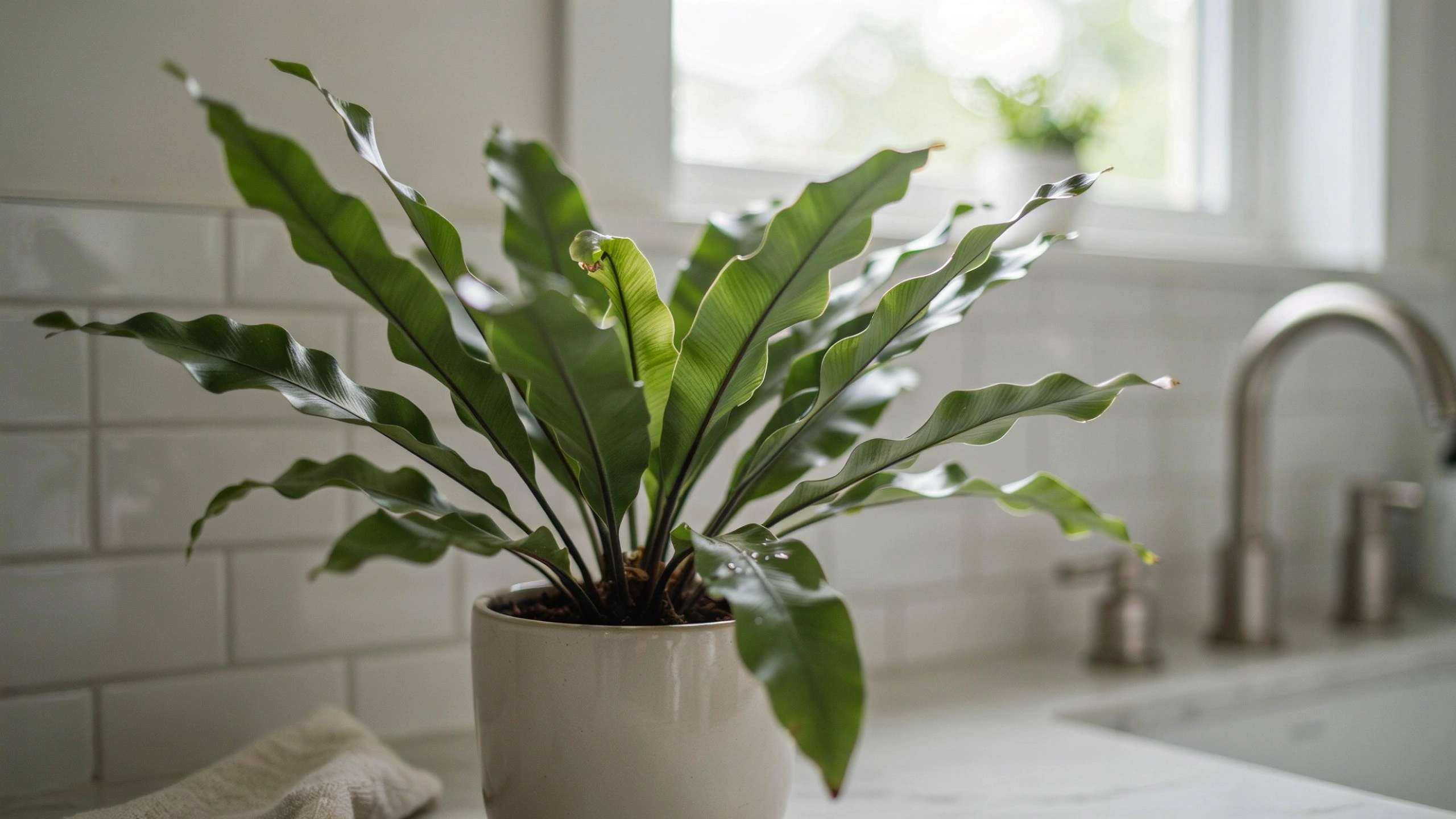
This fern grows well in humid rooms with filtered light. Bathrooms with a small window often suit it well.
Keep the soil lightly moist at all times. Dry air can cause the fringed leaves to brown at the edges.
Bird’s nest fern brings a soft, textured look to low-light plant collections in humid spaces.
13. Dracaena
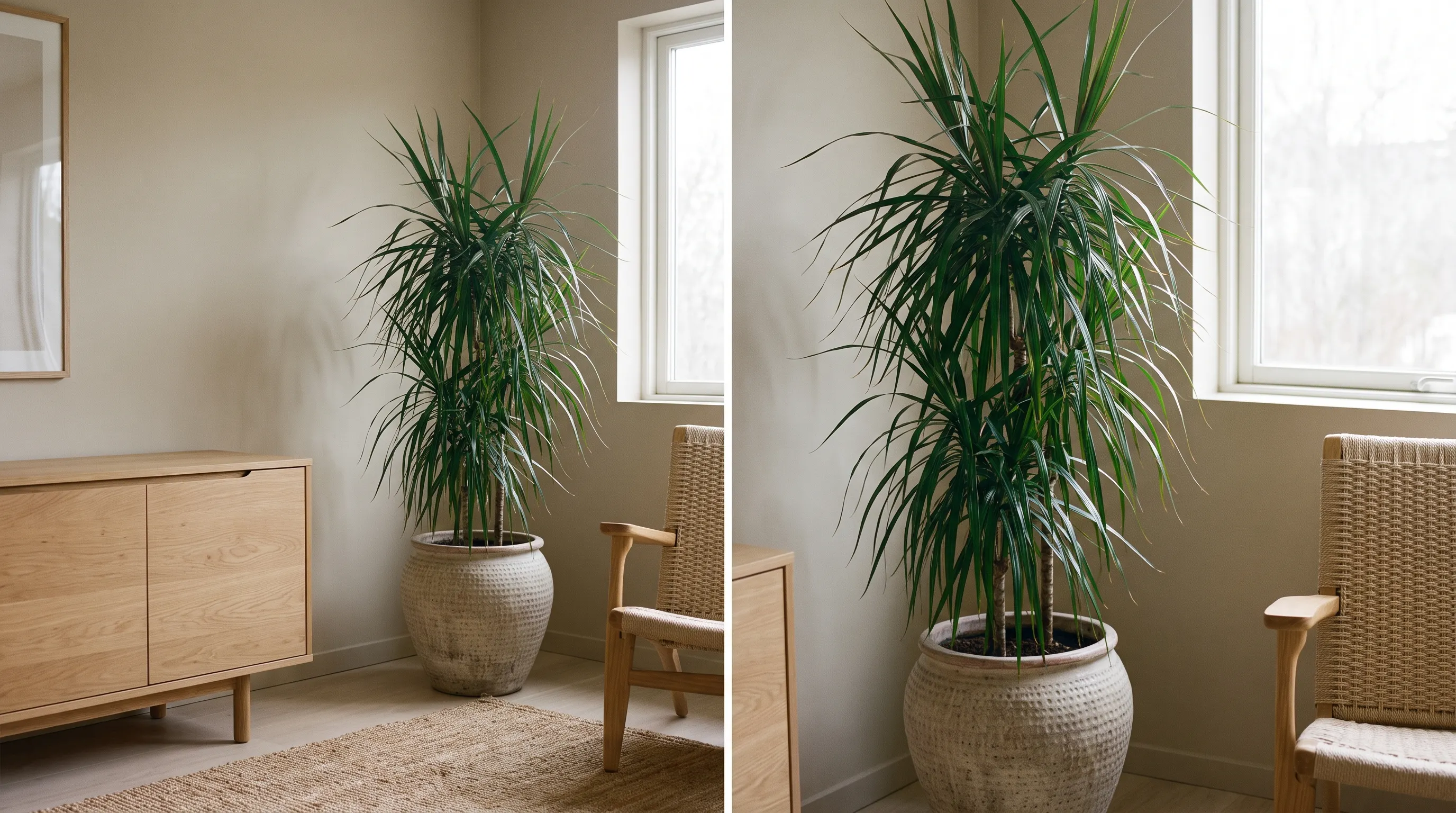
Dracaena varieties grow tall and add height to offices and corners. Several types exist, each with slightly different leaf patterns.
Water less often in low light, since the soil dries slowly without strong sun. Check the top inch of soil before adding more.
This tall, dependable option rounds out our list of low-light plants for indoor spaces.
Are Low-Light Plants Safe for Pets?
Some popular low-light plants are toxic to cats and dogs, according to the ASPCA.
Pothos, snake plants, ZZ plants, peace lilies, Chinese evergreen, dracaena, and philodendron are all on the ASPCA’s toxic plant list. Ingestion can cause mouth irritation, vomiting, or stomach upset in pets.
Safer picks from this list include cast iron plant, spider plant, parlor palm, prayer plant, and bird’s nest fern. The ASPCA lists all five as non-toxic to cats and dogs.
If you share your home with curious pets, keep toxic varieties on high shelves or in rooms they cannot reach. Small placement choices like this are part of building a pet-friendly home.
How to Care and Maintain Low Light Plants?
Caring for low-light plants mostly means watering less, cleaning leaves, and rotating pots for even growth.
- Water less often: Soil in low light stays wet longer, so let it dry between waterings to avoid root rot and fungus gnats.
- Clean leaves regularly: Dust blocks the small amount of light these plants already receive. Wipe broad leaves gently with a damp cloth every few weeks.
- Rotate your plants: Turning pots every week or two helps prevent uneven growth toward the light source.
- Use grow lights when needed: Grow lights help in rooms with almost no natural light. They also help during winter months when daylight hours shrink.
If you travel often or forget to water, an automatic watering setup keeps low-light plants on schedule.
Where to Place Low Light Plants Around Your Home?
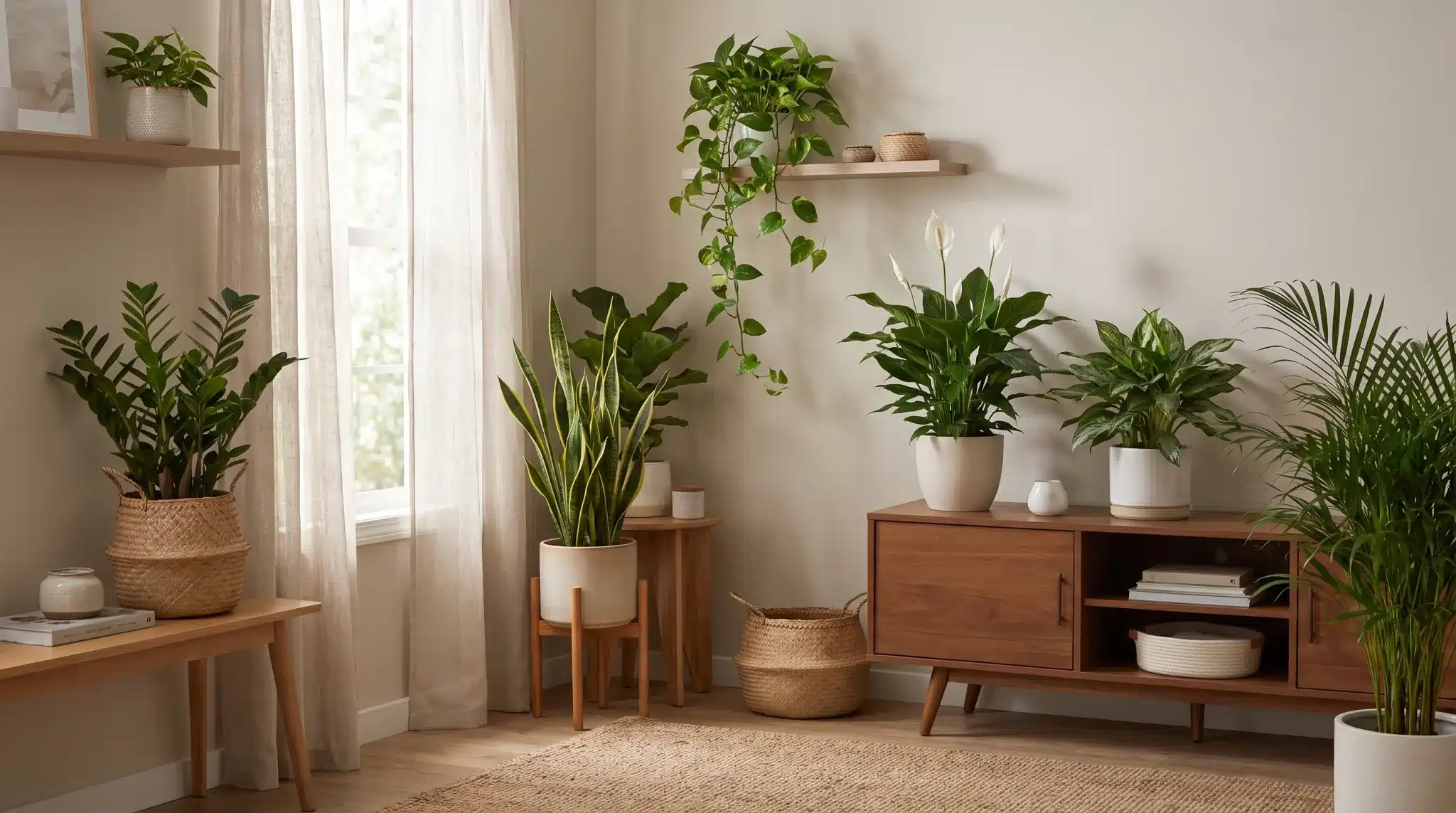
The best spots for low-light plants are north-facing rooms, hallways, bathrooms, and corners away from windows. Match each plant to the room that fits its needs, using the guide below.
| Area | Recommended Low Light Plants |
|---|---|
| Bedrooms | Snake plant, ZZ plant |
| Bathrooms | Bird’s nest fern, Peace lily |
| Offices | ZZ plant, Lucky bamboo, Dracaena |
| Dark corners | Cast iron plant, Chinese evergreen |
| Shelves and hanging areas | Pothos, Heartleaf philodendron |
Common Mistakes While Planting Indoor Plants
Even easy low-light plants can struggle if a few habits go wrong. Avoid these common errors to keep your plants healthy.
- Assuming low light means no light at all
- Overwatering plants placed in darker rooms
- Choosing highly variegated plants for very dim areas
- Placing plants near cold drafts or heating vents
- Expecting fast growth in low light conditions
Frequently Asked Questions
What plants do well in a low light room?
Snake plants, ZZ plants, pothos, Chinese evergreen, and cast iron plants suit low light rooms well. They adapt to limited indirect light and need less maintenance.
What houseplants tolerate low light?
Snake plants, peace lilies, spider plants, parlor palms, and dracaenas tolerate low light well. They still need some natural or artificial light to stay healthy.
What plants grow well in full shade?
Cast iron plants, ZZ plants, snake plants, and some ferns handle shaded areas better than most houseplants. Indoor low light still differs from full outdoor shade.
What can I plant that does not need a lot of sun?
Pothos, Chinese evergreen, lucky bamboo, and snake plants grow well with minimal sun. These options need far less light than sun-loving varieties.
What houseplants like full shade?
Cast iron plants, ZZ plants, snake plants, and parlor palms prefer shaded conditions. Place them away from harsh direct sun but with enough ambient light for growth.
Final Verdict
Low light plants make it possible to add greenery to rooms with limited sunlight. The right plant matters more than forcing any plant into a dark space.
Snake plants, ZZ plants, pothos, and Chinese evergreen remain popular picks. Just check the pet-safety table first if you have pets.
Start with one or two easy varieties, and add more once you see how they handle your space.