How to Identify Roofing Damage Before It Becomes a Big Problem

Roof damage usually does not announce itself all at once. It starts with small things, like a lifted shingle, a faint ceiling stain, or gutters that suddenly look messy after rain. Catching those signs early can save homeowners from bigger repairs later. Below, we’ll go through the early signs of roofing damage, what to check inside and outside the house, and when it is safer to call a professional.
Check for Missing, Cracked, or Curling Shingles
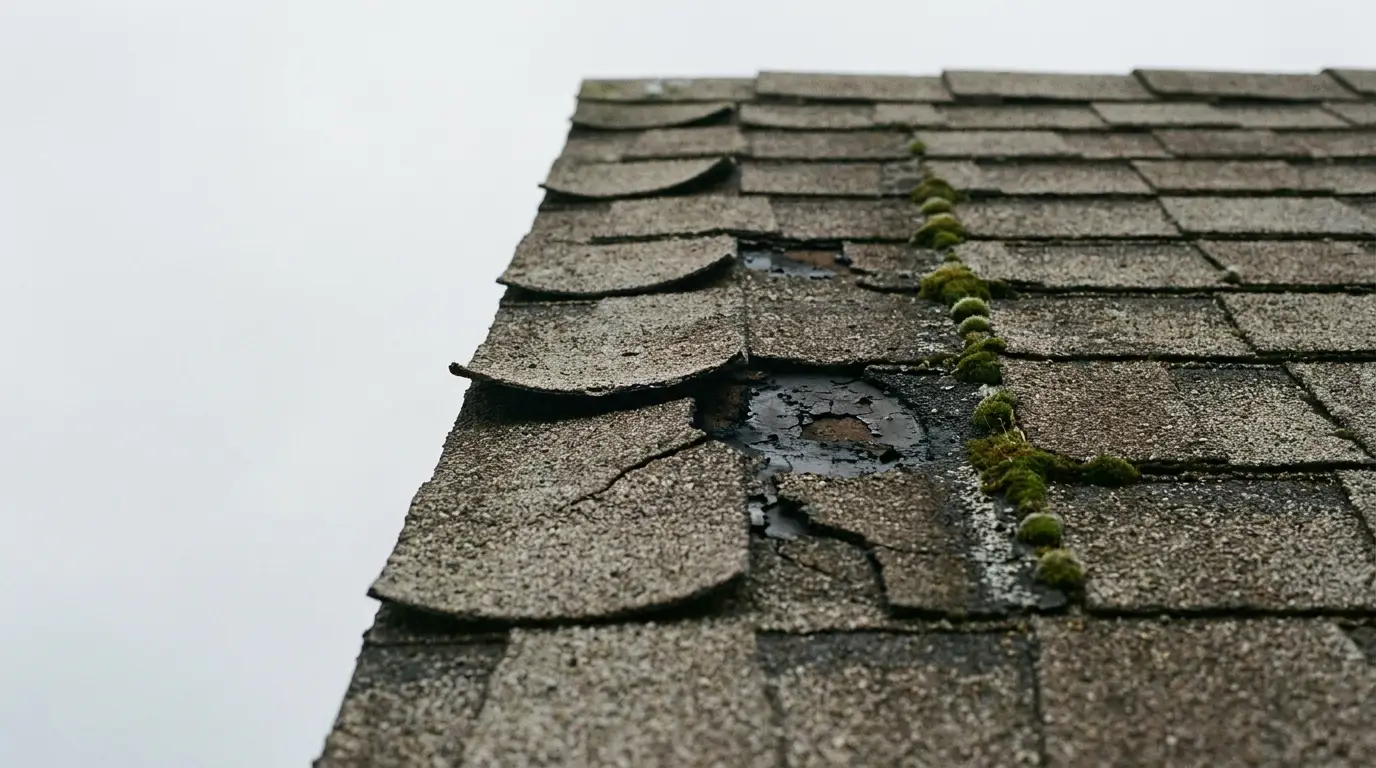
Start with the shingles you can spot from the ground. Missing pieces usually leave dark spots, and the roof starts looking patchy or open. After strong winds or heavy rain, walk the yard too, since broken tabs often end up by shrubs, paths, or downspouts.
Cracked shingles can stay hidden when the roof is already old. Look for thin splits, chipped corners, or edges that do not seem tight anymore. If the same issues keep coming back, compare common roofing materials before choosing a quick patch.
Shingles might lift at the corners, cup in the center, or stop sitting flat beside the next row. For residential roofing Minneapolis, that can matter more because snow, heat, and freeze-thaw cycles wear things down.
If shingles look bare, shiny, or uneven, the top layer may be wearing away. Check the gutters and splash blocks for gritty piles. When several signs show up together, get an inspection before water sneaks inside.
Look for Water Stains Inside the Home
Water stains usually show up as yellow, brown, or gray marks on ceilings and upper walls. Pay close attention after steady rain, because fresh stains often darken before they dry. If the spot grows, the roof is letting moisture travel farther than it should.
A stain near a light fixture, vent, or ceiling corner needs quick attention. Do not paint over it and hope it disappears. Mark the edge with painter’s tape, take photos, and document roof damage clearly, especially when insurance questions may come up later.
Attics often reveal leaks before living spaces do. Look for damp insulation, dark roof decking, rusty nail tips, or a musty smell. Use a flashlight and stay on safe flooring. If insulation feels wet, avoid touching damaged wiring nearby at all.
When stains return in the same area, the problem is usually not cosmetic. It may be flashing, underlayment, or a roof opening letting water in. A roofing professional can trace the entry point and recommend roof repair before drywall or insulation suffers.
Inspect Gutters, Flashing, and Roof Edges
Gutters show how water is leaving the roof. If they sag, overflow, or pull away from the fascia, water can back up under the lower shingles. Clean out leaves, then watch during rain to see whether downspouts move water away from the house.
Flashing is the thin metal that seals roof joints around chimneys, vents, skylights, and walls. Look for lifted edges, rust, gaps, or old sealant that has cracked. These spots take heavy water flow, so small openings can turn into steady leaks.
Roof edges take the first hit from wind, ice, and overflowing gutters. Check for soft fascia boards, loose drip edges, peeling paint, or dark streaks. Those signs often mean water has been sitting there longer than it should.
You also should not ignore a gutter or flashing issue just because the main roof surface looks fine. Water often enters through seams and edges first. Since insurers may review roof condition from above, visible neglect can matter beyond the repair itself.
Watch for Sagging Areas and Poor Ventilation
A sagging roofline should make you stop and look closer, not wait around. Take a few steps back and study the ridge, valleys, and lower edges. A dip, wave, or soft-looking stretch can mean the decking is weak or moisture is trapped.
Inside, you may notice sagging as a ceiling that bows a little or a door that suddenly sticks upstairs. Maybe it is not a full roof failure, but it still deserves an attic check and early planning for unexpected repair costs.
Poor ventilation can be quiet, and that is the problem. In summer, a hot attic can bake the shingles from underneath. In winter, warm air trapped inside can help ice gather near the eaves, putting extra stress along the roof edge.
If vents are painted over, blocked, or pressed against by insulation, moisture can stay stuck inside the roof system. A roofer should inspect ventilation, decking, and structure together, not separately.
Know When to Call a Roofing Professional
Bring in a roofing professional when the damage is risky to reach, confusing to follow, or keeps showing up after quick repairs. A trained person can spot the difference between a small fix and a larger roof issue without all the guessing.
After hail, high winds, or a heavy snow, do not judge the roof only from the ground. Damage can sit under loose pieces, around fasteners, or near sealed areas. A full inspection gives you a cleaner answer before things get worse.
For serious warning signs, like leaking right now, sagging, or daylight in the attic, skip the waiting part. Ask for photos, a written estimate, and a clear repair or replacement scope. Having that paper trail helps protect your home later.
Endnote
Missing shingles, stains, clogged gutters, sagging areas, and poor ventilation all tell a story. None of these signs should be ignored, because small issues rarely stay small for long. So, check what you can see, document changes after storms, and call a professional when damage looks active or uncertain.