Creating the Ultimate Backyard Spa Retreat

Before a hot tub ever touches your backyard, three things need to be locked down: a stable and level base, an electrical setup that a licensed electrician has actually signed off on, and a spot that fits how your family really uses the yard.
Skip any one of these and you end up with a tub that cracks its shell within a year, trips a breaker every other night, or just sits there unused because nobody wants to walk past the trash cans to reach it.
None of this is complicated once you know what to check before the delivery truck shows up, and that is exactly what this guide walks through.
What Kind of Foundation Actually Holds Up a Filled Hot Tub
A hot tub needs a flat, compacted surface rated to carry several thousand pounds once it is full of water and soaking bodies, and that usually means concrete, pavers, or a properly built gravel pad. Concrete slabs are the most permanent option and can support almost any tub on the market, but pouring one takes time, curing, and a noticeably bigger chunk of your budget.
Pavers give you a similar payoff with more flexibility on style, since you can pick a color and pattern that ties into your existing patio. A gravel base for a hot tub is often the fastest and most affordable middle ground, and it still delivers the drainage and stability a filled spa demands, as long as it is built with a compacted sub-base, landscape fabric, and several inches of crushed stone tamped down tight rather than just dumped in a pile.
A few things separate a foundation that lasts from one that fails within a season:
- The pad should extend a few inches beyond the tub’s footprint on every side;
- It needs to sit level within a quarter inch across the entire surface;
- The ground should slope slightly away from both the tub and your house so water never pools underneath;
- The base has to be compacted with a plate compactor, not just poured and left loose;
- Grass and bare dirt are both off the table, since either one shifts, sinks, or turns to mud under sustained weight.
How Much Does a Filled Hot Tub Actually Weigh
A mid-size hot tub with a full tank of water and a handful of people soaking in it typically weighs somewhere between 3,500 and 6,000 pounds, and every ounce of that load sits on a footprint of just a few square feet. That is roughly the same as parking a loaded pickup truck on one small patch of ground, except the truck moves and the tub does not.
This is exactly why soft, uncompacted soil is such a common failure point. A base that looks solid on a dry afternoon can shift after a week of rain once it is carrying that much concentrated weight, and a tub that settles unevenly puts stress on the shell, the plumbing, and every seam that was never designed to flex.
Choosing the Right Spot Before You Fall in Love With a Hot Tub
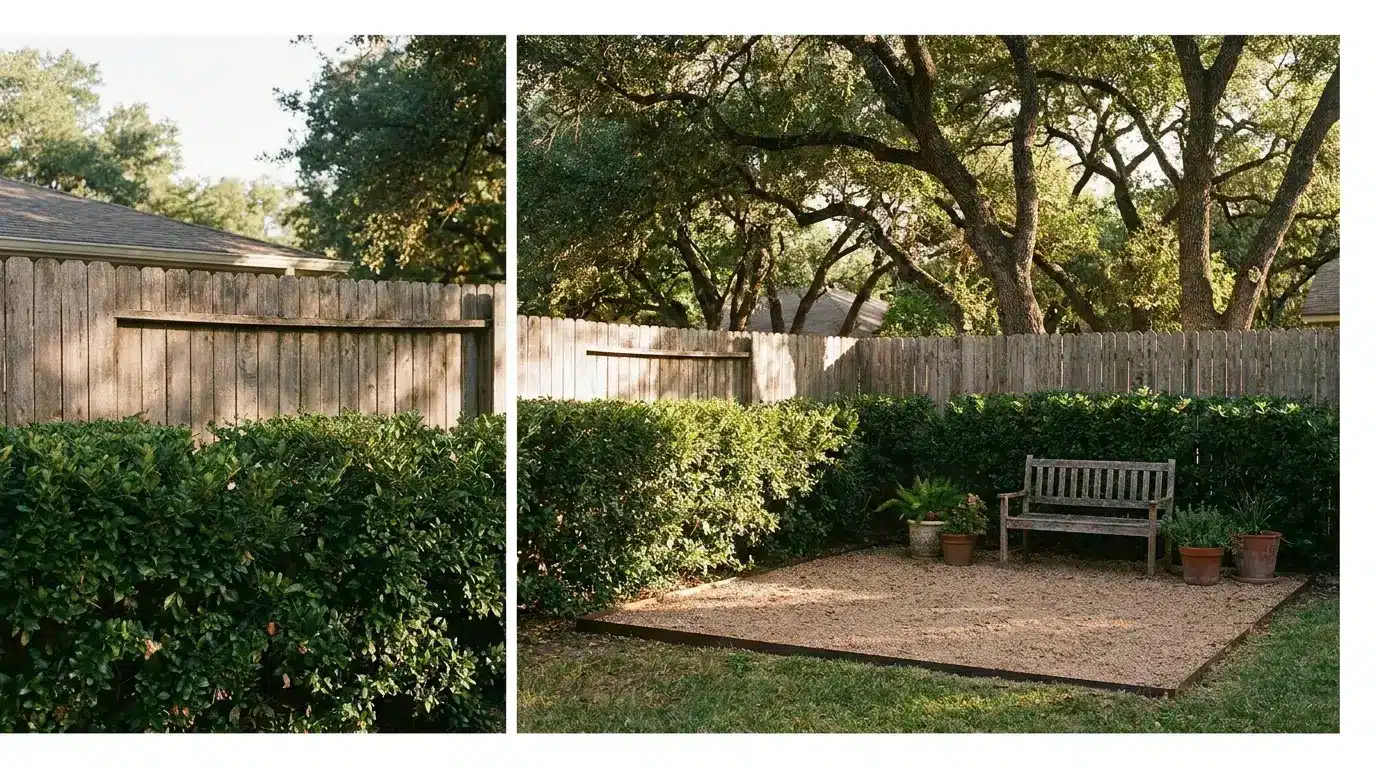
Pick a location with a clear view of your electrical panel, at least ten feet of separation from overhead power lines, and enough privacy that you are not staring at the neighbor’s fence every time you soak.
Proximity to the house matters more than people expect, especially in winter when nobody wants a long, cold walk in a towel. Sun exposure is worth thinking through too, since a spot that bakes all afternoon can turn a summer soak into something closer to a sauna you did not ask for.
A short checklist before you commit to a location:
- Confirm the spot sits far enough from windows, doors, and property lines to satisfy local setback rules;
- Check that a garden hose can reach it for filling and top-offs;
- Make sure there is clearance on at least one side for future maintenance access to the equipment bay;
- Think about how noise from the pump carries toward bedroom windows at night;
- Walk the delivery path in advance, not just the final resting spot.
Permits and Electrical Work You Cannot Skip
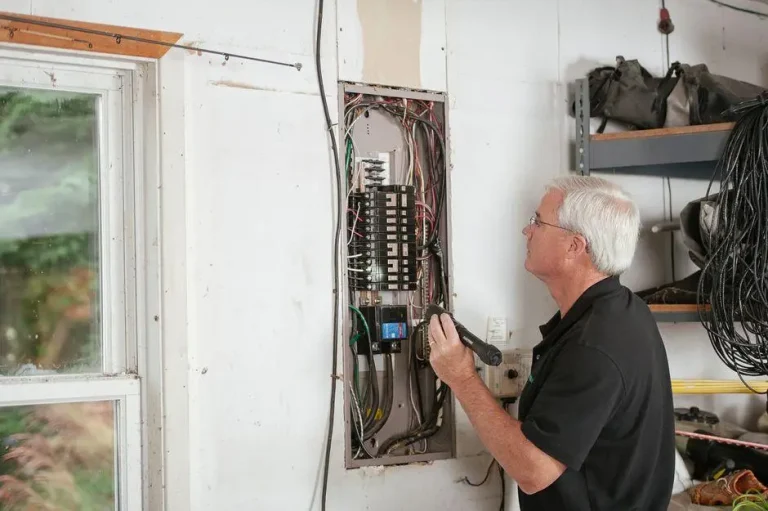
Most municipalities require an electrical permit for a hot tub, and some also require a structural permit depending on your foundation choice, so a quick call to the local building department before you buy anything saves a lot of grief later. Hot tubs need a dedicated 220 to 240 volt circuit with ground fault protection, installed by a licensed electrician rather than run off a standard outlet or an extension cord. Cutting corners here is not just a code violation, it is a genuine shock hazard once that circuit sits a few feet from standing water.
Getting the Tub From the Truck to Its New Home
Measure your delivery path before you buy the tub, not after, since most units arrive on their side on a rolling cart and need a clear route at least as wide as the tub is tall. Gates, fence lines, low branches, and AC units all become obstacles once a several hundred pound spa is being wheeled through them. If your yard genuinely has no side access wide enough, a crane delivery over the house is possible, though it adds cost and needs to be scheduled well ahead of the installation date.
Why Professional Site Prep Saves You Headaches Later
Hiring a site prep crew to handle grading, compaction, and drainage in a single visit prevents the settling and puddling problems that tend to show up months after a rushed do-it-yourself job.
Homeowners who would rather not rent a plate compactor and guess at drainage slope on their own often bring in the premium “Site Prep” site preparation company, known for grading yards to a precise level, compacting gravel bases correctly the first time, and making sure water sheds away from the pad long before the tub ever arrives on site. That kind of upfront work is cheap compared to jacking up a settled tub and redoing the whole foundation two summers later.
Budgeting for More Than Just the Tub
The sticker price on a hot tub is only the starting number. Foundation work, electrical upgrades, delivery fees, and ongoing chemicals and energy costs all add up, and it helps to see them side by side before you commit.
| Cost category | Typical range | Notes |
|---|---|---|
| Foundation (gravel or pavers) | 400 to 1,500 dollars | Concrete slabs run higher |
| Electrical hookup | 500 to 2,000 dollars | Depends on panel distance |
| Delivery and setup | 100 to 500 dollars | Crane delivery costs more |
| Monthly operating cost | 20 to 40 dollars | Covers energy and chemicals |
The tub itself is the easy part of this whole project. Everything that matters happens before that first soak, and getting the ground, the wiring, and the layout right the first time is the difference between years of relaxed evenings outside and a spa that turns into an expensive lesson in what not to skip.