
Signs Your HVAC System Needs to Be Replaced

Keeping a home cozy and healthy takes a reliable HVAC system. Over time, internal parts wear down and lower overall heating and cooling output. Many homeowners ignore small red flags until equipment breaks down during severe weather. Recognizing early indicators of failure helps you plan and avoid sudden indoor emergencies. Replacing an old unit restores true comfort, lowers energy bills, and cleans your home air.
Uneven Indoor Temperatures Across Your Home
One clear sign of an aging unit is uneven temperatures across your home. You might notice that some rooms stay warm while others stay very cold. This issue usually means the blower motor or ductwork cannot move air well anymore. As internal parts wear out, the system struggles to push air evenly into every single living space.
When equipment gets too old, minor repairs rarely fix airflow problems for very long. Consulting trusted heating installation specialists helps you decide if replacement is smarter than constant fixes. New models feature modern motors that balance airflow, maintaining steady, pleasant temperatures in every room of your house.
Declining Air Quality and Excessive Moisture
Your HVAC equipment does much more than adjust temperature; it filters dust and controls indoor moisture levels. As an old furnace or air conditioner wears down, its power to clean air drops fast. You may notice quick dust buildup on tables right after cleaning. Bad odors, heavy air, or high humidity also show that air filtering is failing.
Poor indoor air quality creates real health risks for family members with allergies or asthma. Aging coils and dirty ducts trap moisture, letting mold and dust spread through your home. Installing a modern replacement system improves air filtering, balances indoor moisture, and creates a cleaner living environment for your family.
Key Indicators of System Breakdown
Recognizing these straightforward symptoms helps you decide when equipment replacement becomes necessary:
- Energy bills spike without explanation.
- Strange noises echo through vents.
- Frequent repairs cost too much.
- Excessive dust settles on furniture.
- Humidity levels feel constantly unbalanced.
- System runs without stopping completely.
Rising Utility Bills and Frequent Repair Costs
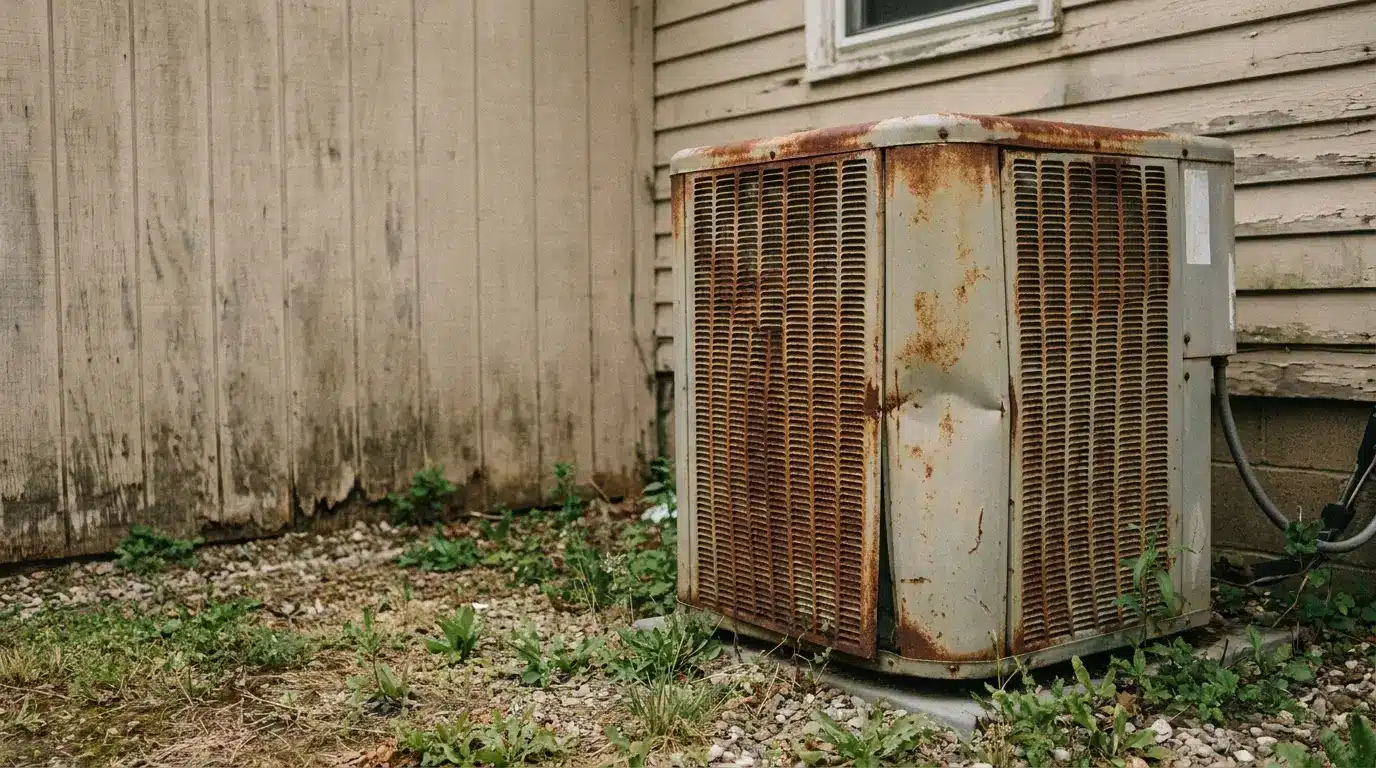
An unexpected jump in monthly energy bills often signals dropping system efficiency. As parts wear down, motors must work much harder to hit thermostat targets. This extra work uses more fuel or power without giving you better indoor comfort. Paying higher utility bills each month for poor performance is a big warning sign for any homeowner.
Frequent repair bills can also add up very fast over a single season. If you call for service multiple times a year, you are wasting money on a failing unit. A good rule of thumb is comparing repair costs against new equipment. If one repair costs half as much as a new unit, buying new equipment makes financial sense. Modern systems offer better ratings that lower monthly bills right away.
Ready to Upgrade Your Home Comfort?
Upgrading an old HVAC system is a smart step that provides long-term peace of mind, clean air, and lower power bills. Ignoring early warning signs leads to uncomfortable temperature swings and costly emergency repairs in severe weather. By spotting performance drops early, you can schedule your unit upgrade on your own timeline before complete failure occurs. Looking for more tips and ideas? We’ve got you covered. Check out some of our other posts now.