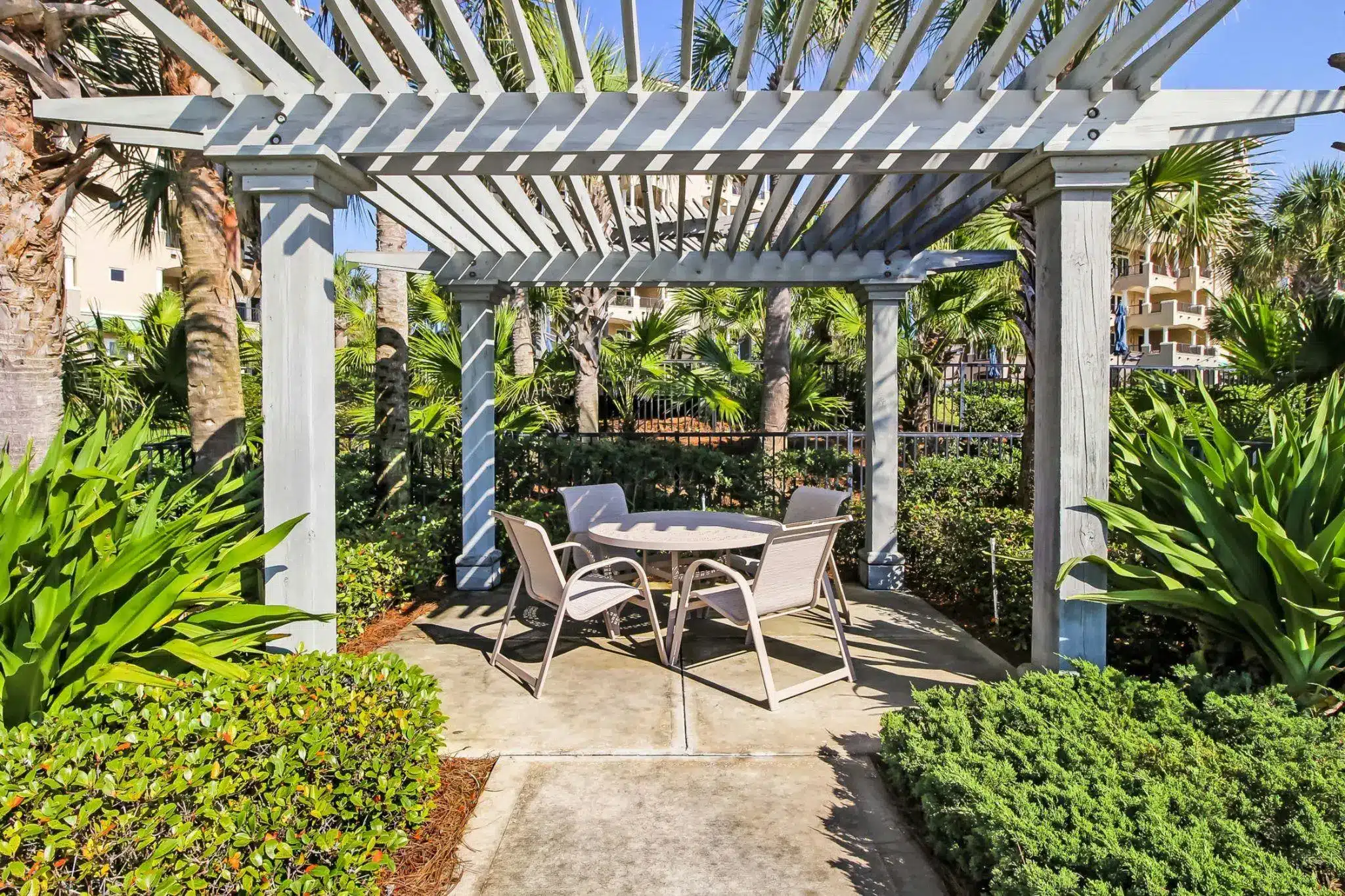
How to Pick the Right Pergola Pro for Your Outdoor Space

You can narrow the field in a single weekend if you check the right details before you pay a deposit.
I have seen rushed jobs end with leaning posts, missing permits, and contractors who stop answering calls halfway through. That stress is avoidable.
Use the checks below to verify licences, compare quotes, understand approvals, spot red flags, and sign a contract that protects you from nasty surprises.
Quick Checklist: 10 Boxes a Reliable Builder Ticks
A dependable contractor should tick all 10 boxes before work starts.
- Current state licence that matches the work category
- Correct insurance, including Home Building Compensation in NSW, Domestic Building Insurance in Victoria, or QBCC cover in Queensland
- Fixed-scope quote with clear inclusions and exclusions
- Realistic timeline that includes approval lead times
- Written clarity on who handles approvals and engineering
- Design suited to your wind region and Bushfire Attack Level, or BAL
- Exterior-grade materials, such as H3 treated timber above ground and H4 timber for in-ground use
- Deposit within the legal cap, including 10 percent in NSW
- Written variation process with pricing agreed before extra work starts
- Statutory warranties explained in the contract
Plan the Space You Actually Need
A clear brief helps builders price the same job and helps you avoid paying for the wrong design.
Daily Use and Layout
Start with real life, not looks. Think about weekday dinners, kids near the pool, or a quiet corner for coffee, then sketch the path from the back door to the new structure.
That simple sketch shapes the size, post locations, and how much room you need for furniture, traffic, and shade.
Roof and Material Choices
Open battens give filtered light but no rain cover. Polycarbonate keeps light coming through but can sound loud in heavy rain. Insulated panels cut heat and noise but cost more. Louvre roofs give flexibility, but they need a bigger budget.
Treated pine is budget-friendly, hardwood gives a premium look, and aluminium needs very little upkeep. Many people also compare outdoor styling and low-maintenance backyard ideas from helpful outdoor home guides while choosing finishes and materials.
Check Licence and Insurance First
Confirm the legal basics before a site visit, because this step removes weak operators fast.
NSW
In NSW, residential building work over $5,000 needs the right contractor licence. Jobs over $20,000 also need Home Building Compensation, or HBC, before any money is paid or work starts, and the deposit cap is 10 percent.
Victoria
For domestic building work over $16,000, Domestic Building Insurance, or DBI, is required. The builder must give you the DBI certificate before taking a deposit or starting the job.
Queensland
Most residential work over $3,300 needs a Queensland Building and Construction Commission, or QBCC, licensed contractor. The licence class should match pergola construction, which may sit under structural landscaping.
Universal Checks
Use ABN Lookup to confirm the Australian Business Number matches the legal business name. Then check your state register for the licence class, business address, and any recent disciplinary action or disputes.
Compare Quotes on the Same Scope
Quotes only make sense when every builder is pricing the same job.
Scope and Exclusions
Your quote should list dimensions, footings, roofing type and thickness, gutters, flashings, coatings, disposal, and site cleanup. It should also state whether council approvals, engineering drawings, electrical work, termite barriers, stormwater connections, and screens are included or excluded.
If you only see a vague line like supply and install, ask for a fuller scope before you compare prices.
Payment Schedule
Deposits should stay within the legal cap, and progress claims should match visible stages like footings, frame-up, and roof-on. Avoid front-loaded payment schedules that ask for too much money before real work is complete.
A simple timber structure can start around $5,000, but price changes with size, roof type, materials, site access, and engineering. For rough planning, some council estimating guides use about $286 per square metre for unroofed pergolas when calculating development cost.
Check Approvals and Site Conditions Early
Permits, wind loads, bushfire rules, and ground conditions can change the design and the cost.
Permits
Rules vary by state and local council. In Victoria, an unroofed pergola that does not exceed 20 square metres and 3.6 metres in height may be exempt from a building permit, while roofed verandahs and decks usually need one.
Always confirm with your local council or a private certifier. The current National Construction Code in force is NCC 2022 Amendment 2, effective 29 July 2025.
Wind and Bushfire Rules
Australian wind design uses AS/NZS 1170.2 wind regions. If your site sits in a cyclone-prone area, connection details and fixings will be stronger and usually more expensive.
On bushfire-prone land, the Bushfire Attack Level, or BAL, affects materials and detailing. Structures within six metres of the home may need to meet the same BAL requirements as the house, so ask the builder what BAL applies to your address and what that changes.
Durability and Water Shedding
H3 treatment suits outdoor timber above ground. H4 treatment is for in-ground contact or wetter spots. Steel posts can also work well, but they still need good drainage and detailing.
No material lasts if water sits in joints, on beams, or around post bases, so ask how the design sheds water.
Review Past Work and Lock in the Contract
Real proof of quality comes from completed jobs and a clear written contract, not polished social posts.
Portfolio and References
Ask for three recent projects that are close to yours in size, style, and site conditions. Look for straight lines, neat flashings, sealed penetrations, tidy stormwater, and finishing that still looks sharp after a season outside.
When you call past clients, ask whether the timeline held, how variations were handled, and how the builder responded to small defects after handover.
Contract Must-Haves
In NSW, residential building work over $5,000 needs a written home building contract. Yours should include the exact scope, drawings, approvals responsibility, insurance details, timeline, variation process, and the defect and warranty terms.
In NSW, statutory warranties run for six years for major defects and two years for other defects from completion. Ask what the equivalent protections are in your state.
Variations and Progress Claims
Every variation should be written, priced, and approved before extra work begins. Never pay ahead of completed stages, even if the builder says it will keep the job moving.
Know the Red Flags
If you spot two or more of these signs, keep looking.
- Requests a deposit above the legal cap
- Refuses to show licence or insurance documents
- Provides a vague scope with no clear inclusions list
- Cannot explain wind region or BAL assumptions
- Pushes cash deals to avoid paperwork
- Has no written variation process
- Uses pressure to rush your decision
Ready to Shortlist
Once your checks are done, reduce your list to two or three local specialists and book site measures.
Before you commit, ask each shortlisted builder for a free site measure, a tailored scope, and recent local examples so you can compare design approach, approvals knowledge, materials, timelines, communication, roof options, site access, and overall responsiveness in conditions like yours. To speed that process up today, you can then confidently find a trusted pergola builder for a tailored quote and recent Australian projects.
Compare the final quotes side by side, check approval timeframes in your area, and ask about lead times for custom roofing or hardwood. If a builder dodges simple questions now, communication will not improve once work starts.
Conclusion
A careful selection process saves money, stress, and rework.
Check licences and insurance first, compare like-for-like quotes, confirm approvals, and sign a contract with a clear scope and payment schedule. Those steps protect your budget, your property, and the finished result.
FAQs
These quick answers cover the questions most homeowners ask before they book a site measure.
Do I Need Council Approval for a Pergola?
It depends on the state, the size, whether the structure is roofed, and where it sits on the block. In Victoria, an unroofed pergola up to 20 square metres and 3.6 metres high may be exempt, but roofed verandahs and decks usually need approval.
How Much Does a Pergola Usually Cost in Australia?
A simple timber build can start around $5,000, but the final number depends on size, roof type, materials, engineering, site access, and permit costs. Get at least three quotes with the same scope so you are comparing real value, not guesswork.
Which Material Lasts Longest With the Least Maintenance?
Aluminium and powder-coated steel usually need the least ongoing care. Hardwood lasts well but needs regular oiling, while treated pine is affordable but needs more attention over time. Good drainage, caps, and flashings matter just as much as the material itself.
What Should Be in the Payment Schedule?
It should start with a legal deposit and then move through clear milestones, such as footings, frame, and roof completion. In NSW, the deposit cap is 10 percent, and jobs over $20,000 need the HBC certificate issued before any payment is made.