How Starr Edwards Built Bitchin’ Sauce From a Folding Table to 15,000 Stores

A Farmers Market and a Recipe That Refused to Quit
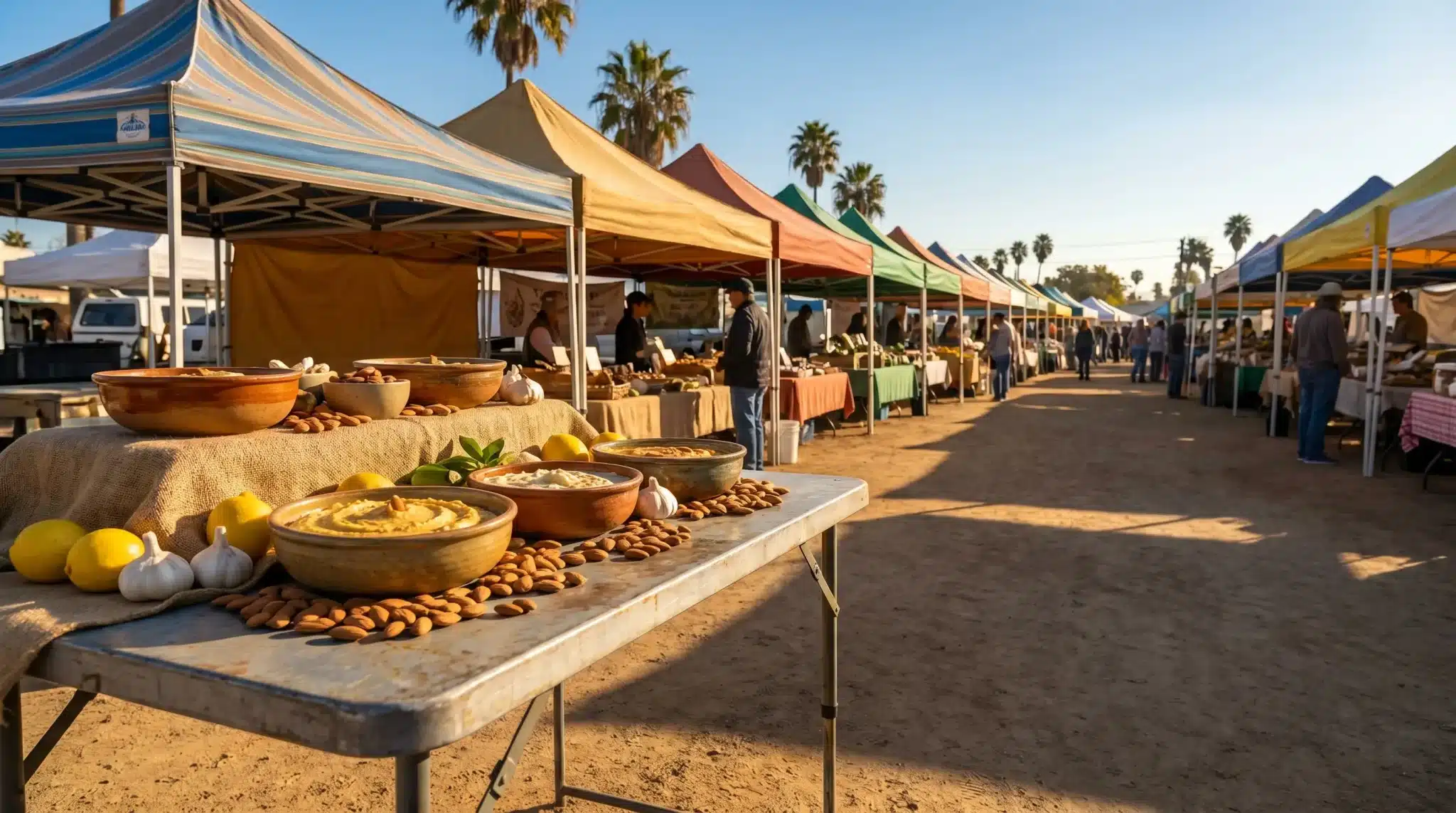
Starr Edwards did not start with a plan. Nobody gave her a roadmap. She showed up to a San Diego farmers market in 2010 with a blender, a folding table, and a dip that people kept coming back for. The operation was exactly that small. Figure out next week when next week arrives, and don’t break what’s already working.
The original recipe hasn’t changed since that first market: almonds, lemon juice, garlic, nutritional yeast, oil. Nothing synthetic propping it up, nothing added to make production less painful. That is either strong morals or conviction depending on how you look at it, and Starr Edwards would probably say it is both.
The Years Nobody Talks About
Building a food brand from scratch looks romantic from the outside. From the inside, there are nights teaching yourself QuickBooks with a sleeping infant beside you because no one else is going to do it. She was back on the job the week after giving birth because orders don’t care about your recovery schedule. There are years of decisions made alone, with everything on the line.
2015 was the hardest. Starr faced a business separation that left all the financial liability in her name, and the company was close to not making it. She stayed. She rebuilt. That is her story to tell in full, but the version of Bitchin’ Sauce that exists today, in Costco, Target, Kroger, Whole Foods, and Sprouts, in more than 15,000 retail locations, is the version that came out the other side of that.
Most brands with a story like that lead with it in every press release. Bitchin’ Sauce mostly just keeps making the dip.
What She Built for the People Who Showed Up
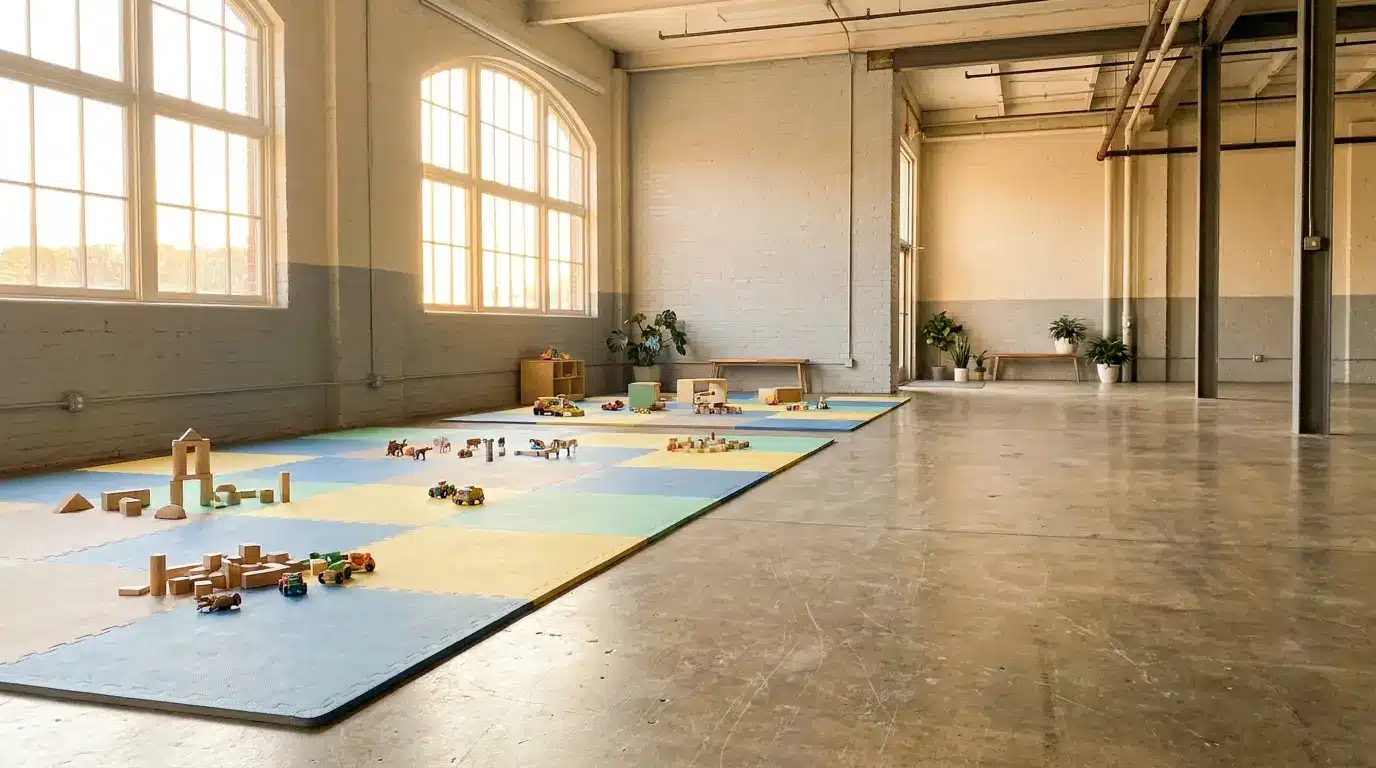
Starr had a specific belief when she started hiring: no parent should have to choose between providing for their child and actually raising them. That became Bitchin’ Kids.
The program started as free, on-site childcare, a real space at the facility where parents could drop their kids into a loving and educational environment and pop in during breaks or lunch. What came out of that proximity wasn’t just convenience. Kids grew up together, parents became real friends, and the workplace built something that doesn’t show up in an org chart.
As the company shifted to a remote workforce, Bitchin’ Kids shifted with it, becoming an annual non-taxable reimbursement of $7,500 per employee. Over $1.6M offered since 2019.
Voluntary turnover runs about 28% across food manufacturing. At Bitchin’ Sauce it’s 16.4%, and forty percent of the team has crossed four years. None of that happened by accident.
Fifteen Years and the Recipe Is Still the Same
Bitchin’ Sauce hit $56M in peak annual revenue in 2024. Distribution has expanded into Australia, New Zealand, South Korea, China, and Mexico, with Canada active and the UK and Sweden in the pipeline. The 2026 snacking platform adds Bitchin’ Chips, Salsacados™(roasted tomato salsa with avocado pieces), refrigerated bean dips, and The Snacker with The Good Crisp Company. New formats, same no-additive discipline.
The original recipe from that San Diego farmers market hasn’t moved once. The almond-based dip Starr Edwards started selling in 2010 is the same one sitting on the shelf at Costco today. Still SoCal production, still family-owned. What does it look like when someone refuses to let scale change the thing that got them there?
About Bitchin’ Sauce
Bitchin’ Sauce is a family-owned, Carlsbad, California-based brand founded in 2010 by Starr and Luke Edwards. The company pioneered the almond-based dip category and has grown from local farmers markets to national distribution in 15,000+ retail locations including Costco, Whole Foods, Sprouts, Target, and Kroger. Committed to clean-label manufacturing and industry-leading employee benefits, Bitchin’ Sauce remains a plant-based, better-for-you leader in the snacking category. Learn more at bitchinsauce.com.