The Unexpected Home Repairs Every Homeowner Should Budget For

As a homeowner, you probably expect to pay for cleaning the gutters and replacing air filters when they wear out. The expenses that catch you off guard the most tend to look different. They arrive without warning.
While no one can predict every repair bill, you can prepare for the most common surprises by setting aside money for unexpected maintenance. Whether you build a dedicated emergency fund or arrange access to a line of credit for larger expenses, planning can help you manage costly repairs without scrambling to cover the bill.
Roofing and Structural Repairs
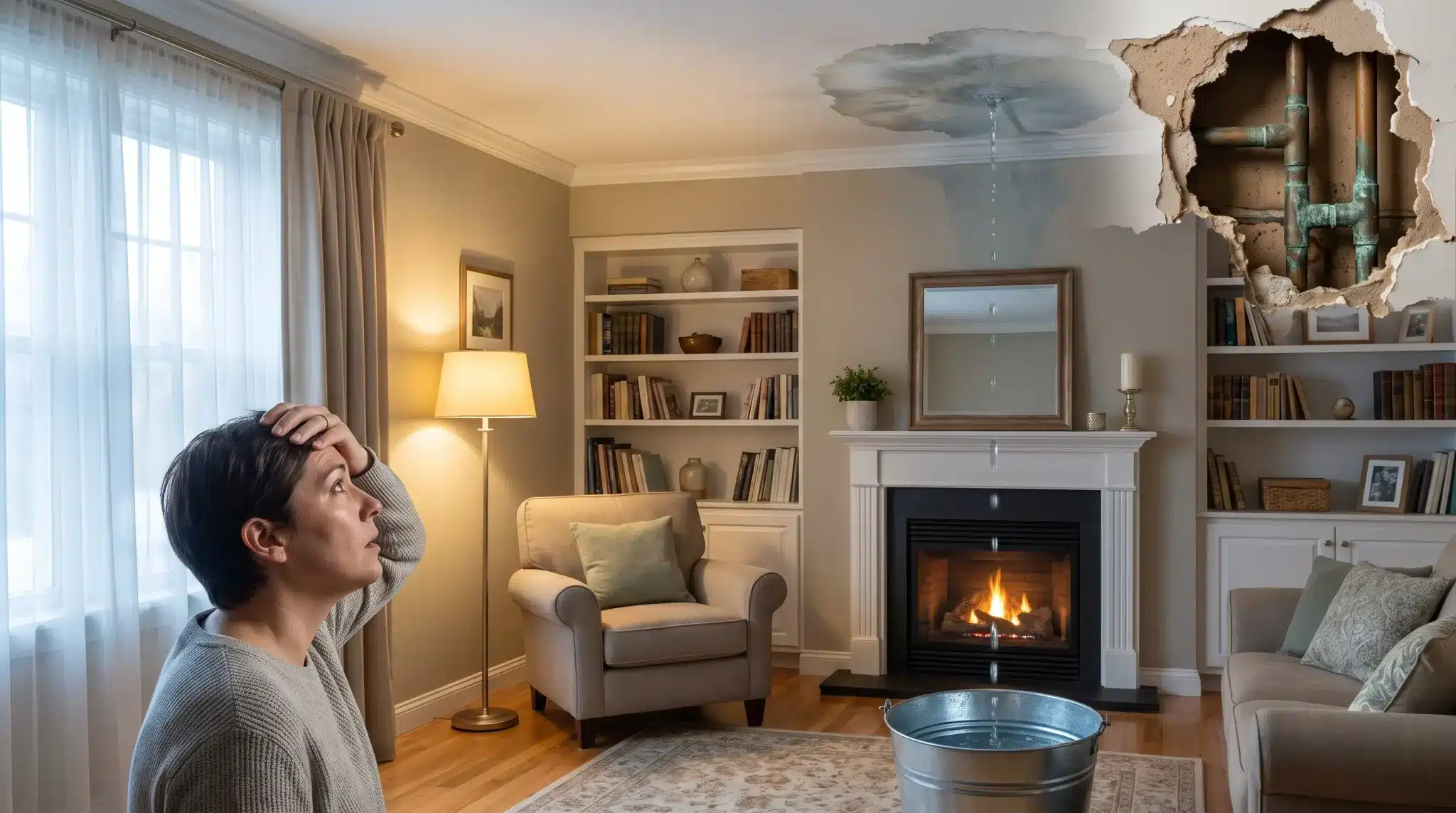
Your roof protects everything beneath it, but many homeowners don’t think about it until water starts dripping from the ceiling. Even a relatively small leak can lead to damaged insulation, stained drywall, mold growth, and costly interior repairs. Strong winds, heavy rain, fallen branches, and normal aging can all shorten a roof’s lifespan.
Structural issues can also develop gradually. Foundation cracks, shifting floors, sticking doors, or gaps around windows may signal movement within the home. These problems often start small but become much more expensive if they go unchecked.
Schedule a professional roof inspection every few years, especially if your roof is more than ten years old. A few hundred dollars spent on preventative maintenance can help you in the long run.
Plumbing and Water Damage Issues
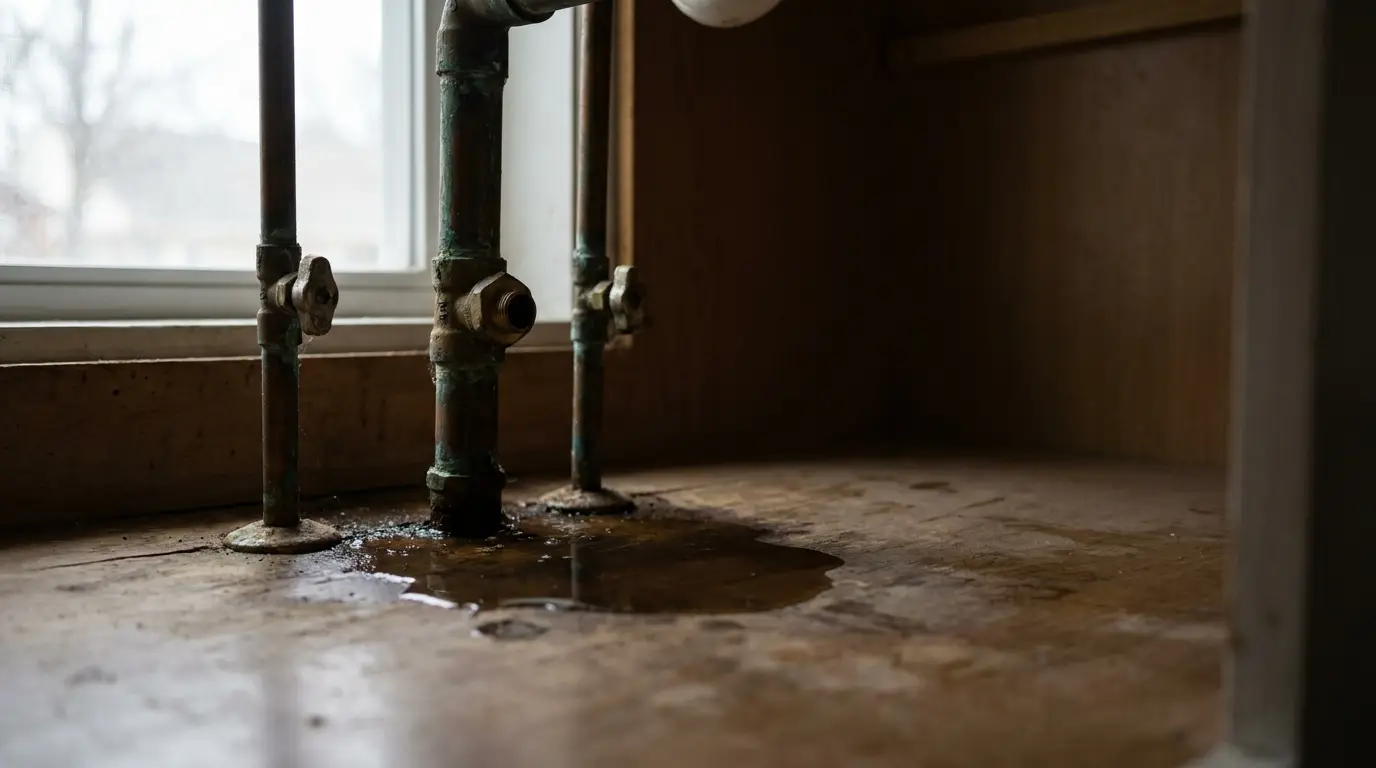
A slow leak beneath a sink may seem insignificant, but it can damage cabinets, flooring, the ceiling, and nearby walls over time. Many water-related repairs become expensive because homeowners don’t discover them right away. A leaking pipe inside a wall can continue causing damage for months before visible signs appear. By then, the repair may involve plumbing work, drywall replacement, and mold remediation.
Heating, Cooling, and Electrical System Failures
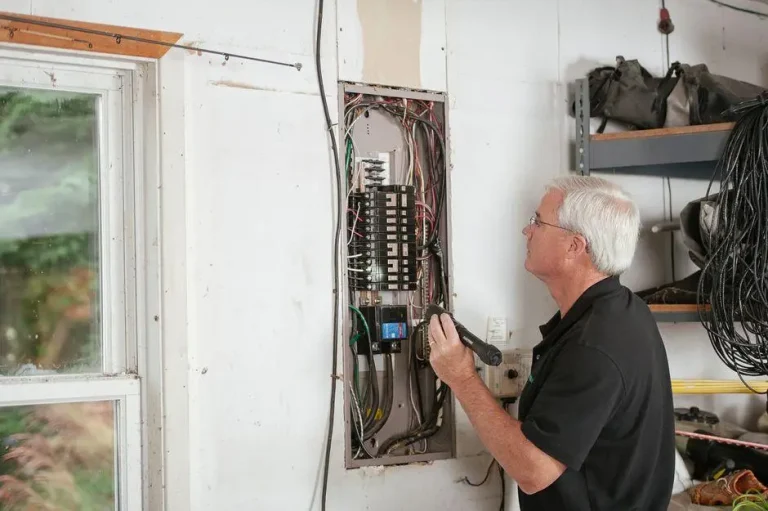
When heating, cooling, or electrical systems fail, your routines are disrupted. An air conditioning unit may break during a summer heat wave, while a furnace often chooses the coldest week of winter to stop functioning. Outdated wiring, overloaded circuits, or aging breaker panels may create safety risks while also leading to unexpected repair costs.
Book annual servicing for heating and cooling equipment to keep systems running efficiently and identify worn components before they fail.
Appliance Breakdowns and Emergency Replacements
Refrigerators, water heaters, washing machines, and ovens often operate reliably for years before reaching the end of their lifespan. When they stop working, replacement can become urgent. A broken refrigerator can lead to spoiled groceries within hours. A failed water heater may leave your household without hot water for days if replacement inventory is limited.
Keep a simple record of major appliances, including purchase dates, warranty information, and expected lifespans. This approach helps you anticipate likely replacement windows and spread costs over time.