When the Lights Tell a Story: Electrical Warning Signs You Shouldn’t Ignore

Electrical problems rarely begin with a dramatic shower of sparks. More often, the clues are surprisingly ordinary: a light that keeps flickering, an outlet that feels warmer than expected, or a breaker that suddenly seems determined to interrupt dinner. In Dunedin, electrical safety deserves particular attention during home maintenance and upgrades, especially when older electrical components have to support the growing number of appliances and devices used in modern households.
The important part is knowing which changes are harmless quirks and which could be warning signs of a problem that deserves professional attention.
Pay Attention When Something Changes
A single flicker does not necessarily mean the wiring behind your walls is failing. A loose bulb or temporary fluctuation may have a perfectly simple explanation.
Patterns are more important.
Lights that repeatedly flicker or dim, outlets that become unusually warm, persistent buzzing, unexplained burning odors, or breakers that trip frequently deserve closer attention. These symptoms can have different causes, which is precisely why diagnosing electrical problems based on guesswork can be risky.
Your home’s electrical system generally works quietly in the background. When it starts behaving differently, finding out why is usually better than simply getting used to it.
Your Breaker Panel Has Something to Say
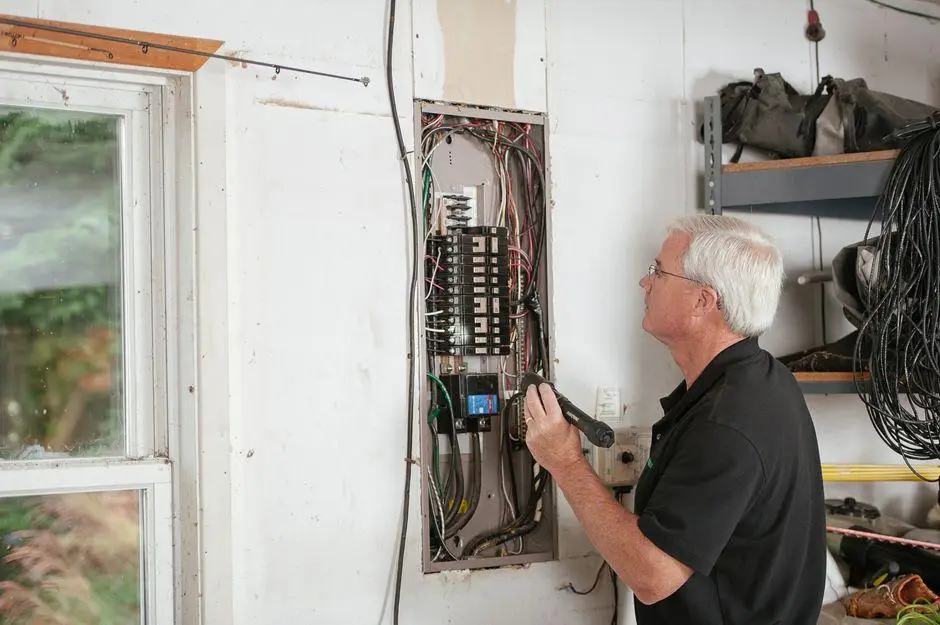
The electrical panel distributes power among the circuits throughout the house and provides protection when certain electrical problems occur.
An occasional breaker trip can happen when too many devices are drawing power from the same circuit. Repeated trips are different. Continually resetting a breaker without understanding why it is tripping does not address the underlying problem.
If you’re noticing recurring electrical problems, residential electricians in Dunedin can inspect components such as electrical panels, circuits, outlets, switches, lighting, and wiring to help identify what is causing the issue and whether repair or an electrical upgrade is appropriate.
The goal should not simply be getting the power back on. It should be understanding why it went off in the first place.
Older Electrical Systems May Need a Closer Look
A house does not have to be extremely old to contain electrical components that no longer suit the way it is being used.
Electrical demand has changed substantially as households have added larger appliances, entertainment systems, computers, chargers, smart devices, and other equipment. Renovations completed over the years can add another layer of complexity if circuits or outlets were modified at different times.
That does not mean an older electrical system is automatically unsafe. It means age, condition, previous alterations, and current demand should be considered together.
A limited number of outlets, frequent reliance on extension cords, recurring breaker trips, or lights that noticeably dim when appliances start can all justify a closer look at how the system is performing.
Warm Outlets and Burning Smells Deserve Fast Attention
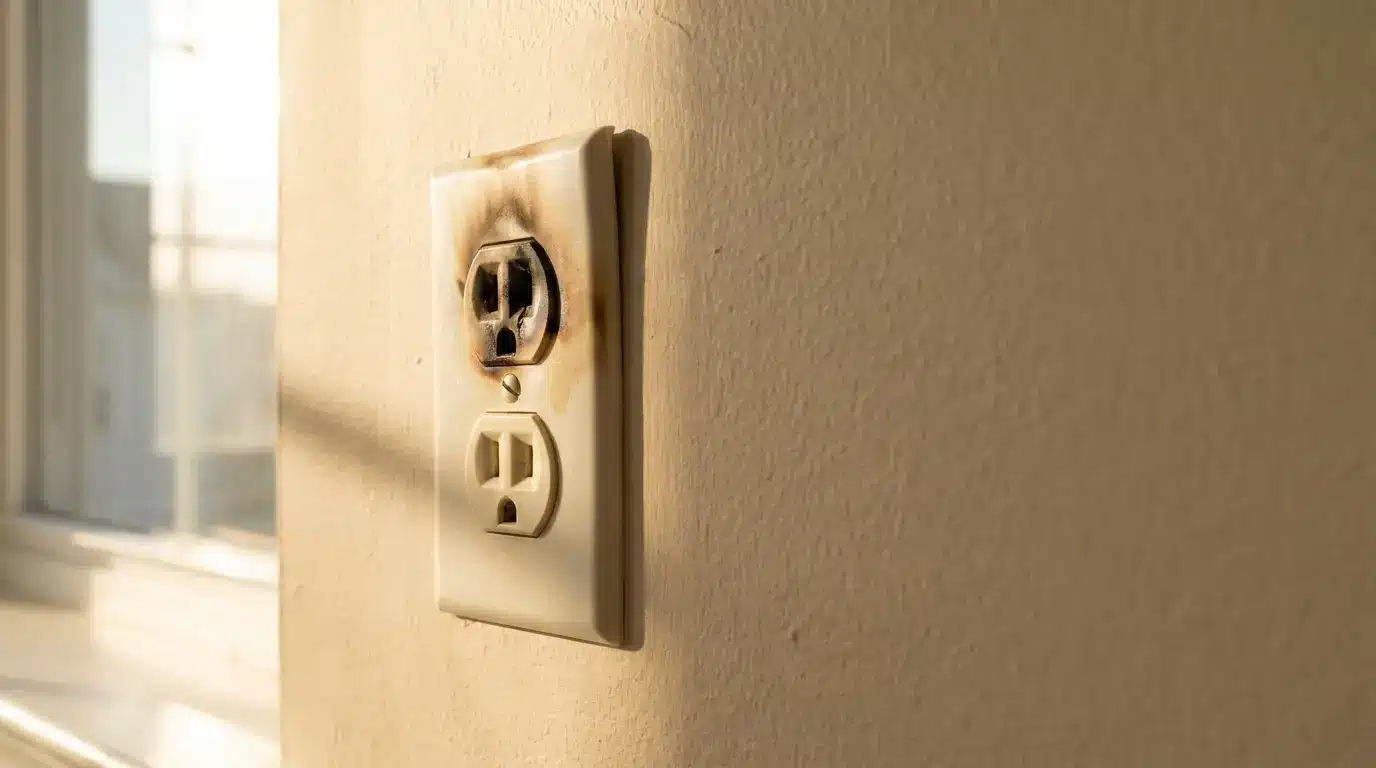
Some electrical warning signs should move much higher on the priority list.
A persistent burning smell, visible scorching or discoloration, sparking, smoke, or unusual heat around an outlet, switch, or electrical panel can indicate a potentially serious problem.
If there is smoke or fire, treat it as an emergency rather than attempting a DIY repair. For other signs of overheating or electrical damage, stop using the affected fixture or appliance and have the problem evaluated.
The warning signs of electrical hazards are worth becoming familiar with because electrical trouble is often easier to address before components become severely damaged.
Electricity is one area of home maintenance where “I’ll see if it happens again” is not always the best experiment.
DIY Has a Sensible Limit
Replacing a light bulb is one thing. Diagnosing wiring hidden inside a wall is another.
Electrical work can look deceptively straightforward from the outside. An outlet may only have a few visible connections, but safe installation depends on factors such as circuit protection, grounding, conductor condition, load, and the way the rest of the circuit is configured.
A repair can also appear to work while still containing a poor connection or another hidden problem.
For that reason, homeowners should be cautious about treating online tutorials as substitutes for electrical training. If a job requires opening electrical panels, modifying fixed wiring, installing new circuits, or troubleshooting a problem you cannot confidently identify, professional help is generally the safer route.
Renovations Can Change What Your Electrical System Needs
A renovation changes more than the appearance of a room.
New appliances, additional lighting, more outlets, heating and cooling equipment, EV charging, outdoor features, and other upgrades can change electrical demand. Planning for that demand before walls are closed and finishes installed is much easier than discovering afterward that the existing setup does not support the new space well.
Kitchen and bathroom renovations deserve particular attention because electrical equipment may be used close to water. Home offices can also benefit from thoughtful outlet placement and circuit planning rather than a collection of extension cords beneath the desk.
Electrical planning may not be the most photogenic part of a renovation, but it is considerably more difficult to appreciate beautiful new finishes when the breaker keeps interrupting them.
Modern Safety Protection Does More Than Prevent Overloads
Electrical safety has evolved beyond the traditional circuit breaker.
Ground-fault circuit interrupters, commonly called GFCIs, are designed to reduce the risk of electric shock. Arc-fault circuit interrupters, or AFCIs, are designed to detect certain dangerous arcing conditions that ordinary breakers may not address in the same way.
According to current guidance on GFCI protection, these devices are particularly important where electrical equipment may be used around moisture.
Whole-home surge protection may also be worth discussing when evaluating an electrical system, particularly for households with numerous sensitive electronic devices and appliances.
These features are easy to overlook because, ideally, you rarely notice them doing anything at all.
Don’t Ignore a Problem Just Because Everything Still Works
One of the easiest electrical traps is assuming that a functioning device must be a safe one.
An outlet can still provide power while showing signs of damage. A breaker can be repeatedly reset without solving the condition causing it to trip. A light can continue working despite an intermittent connection.
Instead of asking only, “Does it still work?” ask whether anything about its operation has changed.
New noises, heat, odors, discoloration, repeated interruptions, or inconsistent performance can provide useful clues. Electrical problems are often easier to investigate while they are still warning you rather than after something stops working completely.
Know When It’s Time to Bring in an Electrician
Not every electrical oddity requires an urgent service call, but recurring or unexplained problems should not become part of the background noise of the house.
An electrician can be particularly useful when breakers repeatedly trip, outlets or switches show signs of overheating, parts of the home lose power unexpectedly, renovations require new circuits, or you are unsure about the condition of older wiring and electrical components.
When choosing someone for the work, look for appropriate licensing and insurance where required, clear explanations, written estimates for substantial work, and a willingness to explain both the immediate problem and any recommended upgrades.
Good electrical work should leave you with more than functioning lights. You should understand what was wrong, what was repaired, and whether anything else deserves attention.
Let the Warning Signs Do Their Job
Your electrical system does not need to fail completely before it deserves attention.
A breaker that keeps tripping, a strange smell, a warm outlet, or lights that repeatedly flicker may be the first indication that something has changed. Some causes will turn out to be relatively simple. Others may require professional diagnosis.
The important thing is not to normalize unusual electrical behavior simply because the house still has power.
Notice the changes, deal with obvious hazards promptly, and know when a repair has moved beyond sensible DIY territory. The best electrical problem is the one you catch while it is still giving you a warning.