What Is a Drawing Room? History and Comparisons

Every home has one room reserved for something special. So what is a drawing room, exactly? It’s a formal space for welcoming and entertaining guests.
People often mix it up with a living room, sitting room, den, or even a parlor. These spaces look similar, but their purpose and history differ.
The real difference comes down to formality, purpose, and tradition. A drawing room follows older hosting customs tied to its rich, centuries-old history.
Going through these differences makes it easier to spot a drawing room and compare it fairly with other spaces. Let’s break down what truly sets it apart.
What Is a Drawing Room?
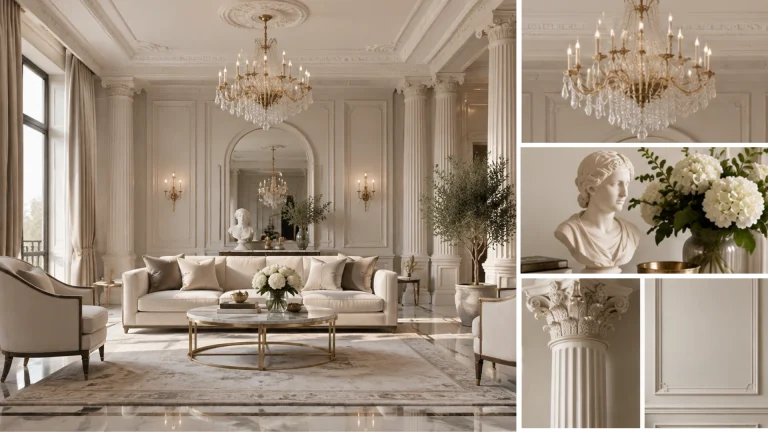
A drawing room is a formal room set apart from the rest of the house. It’s meant only for hosting and greeting visitors.
Its main purpose is guest reception. Family members rarely use it for daily activities, keeping it reserved and ready for social calls or planned visits.
Common features include formal seating, a dedicated conversation area, and decorative furniture pieces. These elements give the room a polished, welcoming look suited for guests.
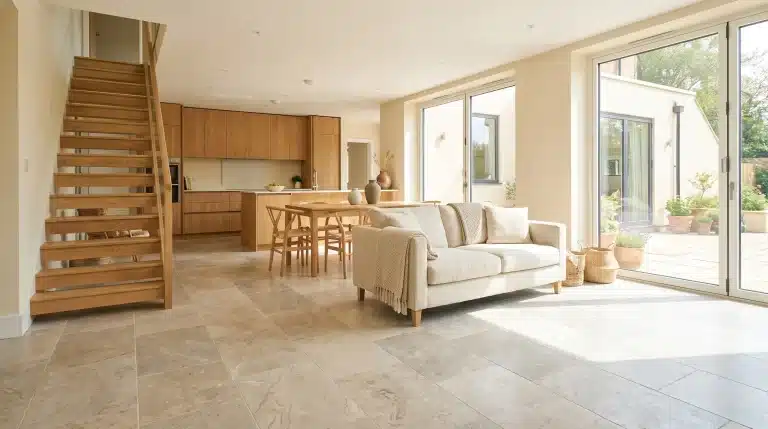
In modern homes, this meaning has shifted. Many houses now merge the drawing room and the living room into one shared space.
History of the Drawing Room
The drawing room dates back its British homes of the 16th and 17th centuries. Its name comes from the term “withdrawing room,” a private space where family members or guests could step away from larger gatherings.
Over time, the name was shortened to drawing room, and the space became closely linked with formal entertaining.
By the 18th and 19th centuries, wealthy households often used drawing rooms to receive visitors, hold conversations, play music, and host social gatherings. Although the room is less common today, its traditional role survives in modern formal living rooms and reception spaces.
How a Drawing Room Compares to Other Rooms
A drawing room shares similarities with a few other spaces found in homes across different regions. Yet each room has its own distinct purpose.
Looking closely at these differences helps clear up common confusion. It also makes it easier to correctly identify a drawing room among similar everyday living spaces.
1. Drawing Room vs Living Room

A drawing room stays formal and reserved for visitors. A living room supports everyday family life instead, with casual comfort and durable, relaxed furniture.
Here is how these two rooms differ.
|
Drawing Room |
Living Room |
|---|---|
|
Keeps a formal tone through decor and seating |
Feels casual and built for everyday family life |
|
Hosts guests for structured, polite conversation |
Serves as a space for daily relaxation |
|
Uses polished furniture meant to impress visitors |
Uses comfortable, durable furniture for daily use |
|
Focuses on conversation and hosting |
Focuses on entertainment, screens, and unwinding |
Many modern homes now combine the two functions into a single room. They use flexible furniture and design choices that work for guests and daily family life.
2. Drawing Room vs Sitting Room

People often use drawing room and sitting room interchangeably, but each serves a different purpose.
A sitting room suits daily family use, while a drawing room stays reserved for guests. Here’s some information to help you understand the difference.
-
A sitting room welcomes everyday family activities, while a drawing room stays set apart for formal visits.
-
A sitting room favors comfort and casual furniture, while a drawing room favors structured, formal seating.
-
A sitting room sees frequent daily use, while a drawing room stays reserved for occasional social calls.
Usage also varies by region. Some countries favor the term sitting room. Others still prefer drawing room to describe this same type of formal space.
3. Drawing Room vs Parlor

A parlor and a drawing room both describe guest spaces, but in different regions. Parlors were common in older American homes, while drawing rooms are more commonly associated with British and South Asian homes.
Here is how these two spaces compare.
|
Drawing Room |
Parlor |
|---|---|
|
Stays linked to British and South Asian homes |
Stays linked to older American homes |
|
Serves as a formal reception space for guests |
Serves as a space for greeting visitors |
|
Centers on structured, polite conversation |
Hosts small gatherings during formal occasions |
Despite regional differences, both terms often refer to the same idea. Each describes a formal reception room set aside for structured, polite conversation with visitors.
4. Drawing Room vs Den

A den offers another gathering space at home, though it differs from a drawing room in size and purpose.
In homes with both, the drawing room stays more polished, while the den remains casual. Here are a few ways these two spaces set themselves apart:
-
A den is usually smaller and cozier, while a drawing room tends to feel more spacious and formal.
-
A den often includes a TV and warm decor, made for family chats and relaxing evenings.
-
A den focuses on unwinding with family, while a drawing room focuses on hosting and impressing guests.
-
A den rarely follows any formal furniture arrangement, unlike the structured seating found in a drawing room.
In the end, a den serves daily comfort and connection. A drawing room is reserved for structured, occasional guest hosting.
5. Drawing Room vs Morning Room

A morning room is another term tied to formal, older homes. It’s often confused with a drawing room, sitting room, or parlor.
Unlike a drawing room, a morning room was typically used earlier in the day. Families used it for daily activities like reading, writing, or quiet conversation.
By comparison, a drawing room stayed reserved for evening use and formal guest visits. Its purpose centered on hosting rather than daily household activity.
Both terms come from a similar era of home design. Different rooms served specific times of day and levels of formality.
How to Identify a Drawing Room in a Home?
You can identify a drawing room by a few practical signs. These signs appear in most traditional and modern homes.
Look out for these common markers to tell a drawing room apart from the rest of the house:
-
Located near the entrance for easy guest access
-
Designed mainly for guests, not daily family use
-
Formal furniture arrangement suited for conversation
-
Decorative elements that add a polished look
-
Limited everyday use compared to other rooms
If a room feels reserved and polished rather than lived in, it’s likely the drawing room.
What Is the Modern Equivalent of a Drawing Room?
Today, a drawing room often resembles a formal living room. Many homes use this space to greet guests while keeping daily activities elsewhere.
Some houses call it a reception room instead. The name changes, but the purpose stays the same, offering a structured area for hosting visitors properly.
Others simply call it a guest sitting area. This term reflects the same formal function without using older, traditional labels.
Certain homes, especially in South Asian households, still maintain a separate guest space. In the end, function matters more than whatever name the room carries.
Wrapping Up
So, what is a drawing room? At its core, it’s a formal space built for hosting guests, separate from everyday family life.
Living rooms, sitting rooms, dens, and parlors usually stay relaxed and casual. A drawing room, by contrast, follows a more traditional, structured design and purpose.
Many modern homes now blend these functions into one shared space. This shows how flexible home design has become over centuries of changing customs.
These differences help you plan your home layout better. You can choose a formal guest area or a shared, everyday living space.
Have you set up a drawing room in your home, or do you keep things more casual?
Frequently Asked Questions
What Is a Drawing Room Called in Castles or Palaces?
In castles and palaces, a drawing room often serves as a formal reception hall for hosting distinguished guests and formal royal gatherings. These rooms were often positioned near the main hall to make hosting large gatherings easier.
What Is Another Name for a Drawing Room?
A drawing room is also called a formal living room, reception room, sitting room, or parlor, depending on the region and home style. The exact term often reflects the era and cultural traditions of the household.
Why Were Drawing Rooms Considered a Sign of Status?
Drawing rooms showcased elegant furniture and decor meant to impress visitors, making them a symbol of wealth and social standing in formal households. The quality of furnishings inside often signaled a family’s rank and taste to outside guests.