20 Living Room Layout Ideas That Make Any Space Feel Right

A living room can have expensive furniture, perfect lighting, and still feel completely off. Sometimes the problem is not the decor, it is the layout hiding underneath it.
A smart setup can make a compact room feel bigger, a narrow room feel balanced, and an awkward corner feel surprisingly useful.
From cozy conversation zones to open-concept setups that flow naturally, the best living room layouts combine comfort, movement, and personality without making the space feel overly designed.
A few thoughtful changes can completely shift the way a room feels every single day.
How to Choose the Right Living Room Layout?
A living room should feel easy to move through, comfortable to sit in, and natural to use. The right layout helps the space feel connected instead of crowded or awkward.
- Start With the Room’s Main Purpose: Build the layout around how the space is actually used, whether for conversations, TV time, reading, or entertaining.
- Identify the Focal Point: Arrange furniture around a fireplace, TV, large window, or statement wall to create a stronger visual flow.
- Leave Enough Walking Space: Open pathways help the room feel lighter, smoother to move through, and more comfortable overall.
- Avoid Pushing Everything Against the Wall: Pulling furniture slightly inward can make the room feel warmer, more balanced, and less boxed in.
- Work With the Shape of the Room: Long narrow rooms, square layouts, and open spaces all need different furniture arrangements to feel natural.
Classic Living Room Layouts
Some living room layouts stay popular because they simply work. They make the room feel balanced, comfortable, and easier to style without overthinking every detail.
1. The Symmetrical Layout

This layout focuses on balance. Furniture is arranged evenly around a central focal point like a fireplace, TV, or large window.
A common setup includes:
- Two matching sofas
- Accent chairs
- A centered coffee table
- Coordinated lighting
The room feels polished without looking overly formal.
Why It Works
- Creates visual balance
- Makes square rooms feel organized
- Easy to decorate and rearrange
2. The Conversation Circle Layout

This setup is designed for interaction instead of screen-focused seating. Furniture faces inward to make conversations feel more natural.
Popular arrangements include:
- Four chairs around a coffee table
- Two sofas facing each other
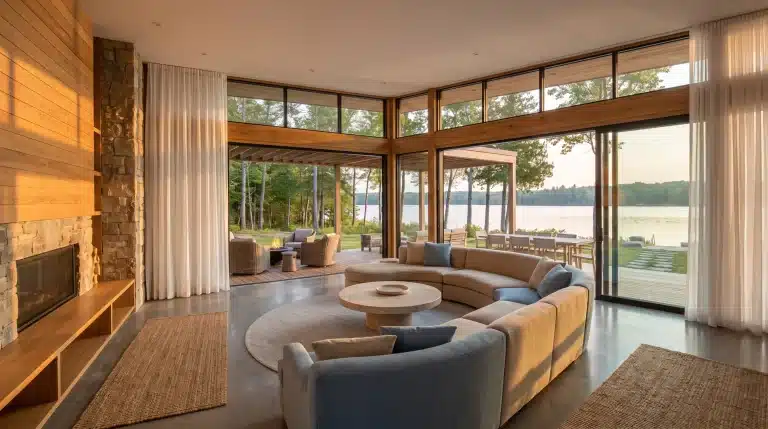
- Curved seating layouts
The room instantly feels more inviting and connected.
Why It Works
- Encourages conversation
- Makes large rooms feel cozier
- Great for entertaining guests
3. The TV-Centered Layout

One of the most practical layouts for everyday living. Seating is arranged directly around the television for comfortable viewing.
A typical setup includes:
- Sofa facing the TV
- Accent chairs angled inward
- Media console or storage wall
Simple, functional, and easy to adapt to most homes.
Why It Works
- Comfortable for daily use
- Fits most room sizes
- Keeps the layout straightforward
4. The Fireplace-Focused Layout

The fireplace becomes the main anchor of the room. Furniture wraps around it while keeping the space open and relaxed.
Common elements include:
- Seating around the fireplace
- Warm layered lighting
- Clear walking paths
The setup feels calm, grounded, and naturally welcoming.
Why It Works
- Creates a warm focal point
- Adds character to the room
- Works in both modern and classic spaces
Layouts for Small Living Rooms
Small living rooms work best when the layout feels open, light, and easy to move through. A few smart placement choices can make the space feel far bigger than it actually is.
5. The Floating Sofa Layout

Instead of pressing the sofa against the wall, this layout pulls it slightly inward to create breathing room around the furniture.
A slim console behind the sofa adds storage without adding visual weight.
Usually paired with:
- Slim console tables
- Lightweight accent chairs
- Round coffee tables
- Floor lamps behind the sofa
- Open walking paths
Why It Works
- Makes the room feel more open
- Creates smoother traffic flow
- Adds depth to compact layouts
6. The Corner Sectional Layout

A compact L-shaped sectional uses corner space efficiently while keeping seating connected. Round coffee tables and lighter fabrics help soften the overall look.
Soft textures and rounded furniture help balance the heavier shape of the sofa.
Usually includes:
- Round coffee tables
- Soft neutral fabrics
- Minimal side tables
- Layered throw pillows
- Large area rugs
Why It Works
- Fits more seating into smaller rooms
- Keeps the center area open
- Great for apartments and casual spaces
7. The Dual-Purpose Layout

This setup combines the living room with another function like a workspace, reading nook, or dining corner.
Furniture with hidden storage or foldable features keeps the space flexible without feeling crowded.
Often goes with:
- Foldable furniture
- Storage ottomans
- Compact desks
- Wall-mounted shelving
- Multi-use seating
Why It Works
- Helps smaller homes stay practical
- Makes every corner useful
- Keeps the room adaptable throughout the day
8. The Minimal Layout

This layout keeps furniture simple and intentional. A sofa, accent chair, compact coffee table, and wall-mounted storage are often enough to complete the room.
Clean lines and lighter tones help the space feel soft instead of empty.
Popular pairings include:
- Neutral color palettes
- Low-profile furniture
- Simple coffee tables
- Wall-mounted storage
- Minimal decor accents
Why It Works
- Reduces visual clutter
- Improves movement
- Makes the room feel airy and calm
Layouts for Long or Narrow Living Rooms
Long living rooms can easily feel stretched or awkward when furniture placement lacks structure.
These layouts help create balance while making the space feel more comfortable.
9. The Zoned Layout

This layout divides the room into smaller sections instead of treating it as one long space. A TV area, reading corner, or compact dining setup can each have their own zone.
Area rugs help define each section naturally.
Usually paired with:
- Area rugs for each section
- Reading corners
- Compact dining setups
- Open shelving
- Separate lighting zones
Why It Works
- Makes narrow rooms feel intentional
- Helps avoid empty corners
- Creates better flow across the space
10. The Parallel Sofa Layout

Two sofas placed across from each other create a strong central seating area. A coffee table between them helps ground the layout and keep everything visually connected.
This layout works especially well in long rectangular spaces that need stronger visual structure.
Often includes:
- Center coffee tables
- Matching sofas
- Symmetrical lighting
- Long area rugs
- Accent chairs at the ends
Why It Works
- Adds balance to long rooms
- Keeps seating organized
- Creates a clean conversation setup
11. The Diagonal Layout

Instead of placing everything in straight lines, this setup angles certain furniture pieces slightly. Even one angled chair can soften the shape of a narrow room.
Usually paired with:
- Angled accent chairs
- Round tables
- Soft rugs
- Layered decor
- Mixed furniture shapes
Why It Works
- Breaks up rigid layouts
- Adds visual movement
- Makes awkward rooms feel more relaxed
12. The Split Layout

One half of the room focuses on entertainment while the other side becomes a lounge or reading area. This helps the room feel fuller without overcrowding it.
Common setup ideas include:
- Sectional sofas
- Dual rugs
- Reading chairs
- Console tables
- Separate lighting setups
Why It Works
- Uses the full length of the room
- Prevents wasted space
- Makes long layouts feel more balanced
Open Concept Living Room Layouts
Open layouts can feel bright and spacious, but they also come with one big challenge. Without walls to guide the setup, furniture placement needs to create structure naturally.
The right layout helps each area feel connected without turning the room into one giant blur of furniture.
13. The Sofa Divider Layout

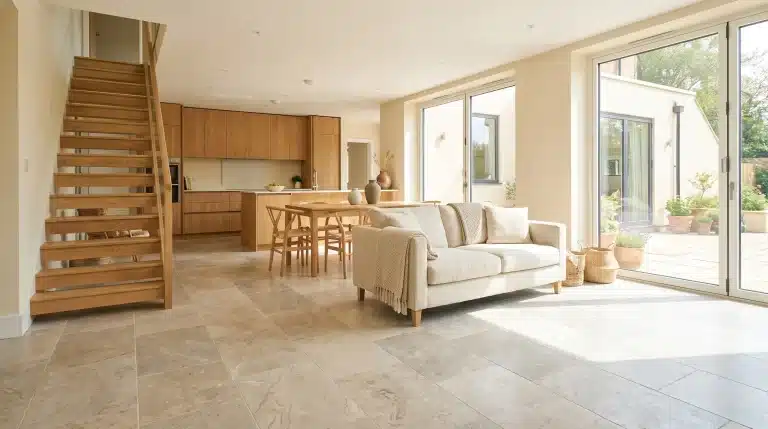
This layout uses the back of the sofa as a soft divider between the living room and nearby spaces like the dining area or kitchen.
Instead of closing off the room, it quietly creates separation while keeping the entire space visually open.
Usually paired with:
- Area rugs
- Slim console tables
- Pendant lighting
- Accent chairs facing inward
Why It Works
- Creates clear zones without adding walls
- Keeps the room feeling open and breathable
- Helps open apartments feel more organized
- Makes large spaces feel less empty
14. The Central Anchor Layout

A large rug and coffee table become the visual center of the room. Every seating piece builds outward from that central point.
This layout keeps open spaces from feeling scattered or disconnected.
Usually includes:
- A centered rug
- Matching seating around the coffee table
- Balanced lighting
- Side tables on both ends
Why It Works
- Gives the room a stronger sense of structure
- Makes furniture feel connected instead of floating
- Helps large rooms feel more intentional
- Creates an easy, natural flow
15. The Multi-Pathway Layout

This setup leaves several walking paths around the furniture instead of forcing movement through one tight route.
It works especially well in homes where the living room connects directly to the kitchen, dining space, or hallway.
Common features include:
- Open walkways behind seating
- Minimal bulky furniture
- Rounded furniture edges
- Flexible seating arrangements
Why It Works
- Keeps traffic moving smoothly
- Makes gatherings feel less cramped
- Prevents awkward bottlenecks
- Adds a relaxed, easygoing feel to the room
16. The Dining-Living Blend Layout

In this layout, the dining and living areas visually connect through similar colors, materials, or shapes. The spaces feel coordinated without looking overly matched.
Popular design choices include:
- Matching wood finishes
- Repeated fabric tones
- Similar lighting styles
- Shared accent colors
Why It Works
- Makes open spaces feel cohesive
- Reduces visual clutter
- Helps the room feel polished without looking stiff
- Creates a smooth transition between zones
Awkward Living Room Layout Ideas
Some living rooms come with strange corners, uneven walls, off-center windows, or layouts that make furniture placement feel impossible.
A few smart adjustments can turn difficult spaces into some of the most interesting rooms in the house.
17. The L-Shaped Layout

Instead of forcing symmetry, this setup follows the natural shape of the room. Furniture placement bends with the space rather than working against it.
Often includes:
- Sectional sofas
- Corner seating
- Separate conversation areas
- Flexible side tables
Why It Works
- Uses tricky corners effectively
- Keeps movement feeling natural
- Makes the room feel more balanced
- Helps large awkward spaces feel connected
18. The Window-Focused Layout

This layout treats windows as the main feature instead of something to work around. Furniture frames the view rather than blocking it.
Common setup ideas include:
- Chairs angled toward the window
- Low-profile sofas
- Minimal heavy furniture
- Light, airy materials
Why It Works
- Pulls more natural light into the room
- Makes the space feel visually larger
- Creates a calmer atmosphere
- Helps awkward rooms feel more open
19. The No-Wall Layout

Some rooms have too many openings to rely on wall placement. Instead, furniture floats toward the center to create its own structure.
This setup works especially well in rooms with:
- Multiple doorways
- Large windows
- Open walk-through spaces
- Uneven wall lengths
Why It Works
- Creates better balance in difficult layouts
- Keeps the room from feeling fragmented
- Makes furniture placement more flexible
- Gives the space a more finished look
20. The Compact Corner Layout

Instead of spreading furniture across the entire room, this layout creates one cozy seating zone in a single section.
The remaining space stays open and uncluttered.
Often paired with:
- Smaller sofas
- Accent chairs
- Round coffee tables
- Floor lamps for added warmth
Why It Works
- Makes oversized rooms feel more comfortable
- Prevents empty, unused areas
- Adds warmth without overcrowding the space
- Creates a more intimate seating setup
Smart Furniture Placement Tips That Improve Any Layout
Small layout changes can make a living room feel more open, balanced, and comfortable. The right furniture placement improves flow without needing a full redesign.
- Use Rugs to Define Zones: Large rugs help anchor seating areas and create clear sections in open layouts.
- Keep Coffee Table Spacing Comfortable: Leave enough space to move around easily while keeping the seating setup connected.
- Mix Seating Heights: Pair low sofas with taller chairs or side tables to add depth and keep the room from feeling flat.
- Layer Lighting Across the Room: Combine ceiling lights, floor lamps, and table lamps for a softer and more complete look.
- Avoid Oversized Furniture: Choose pieces that match the room size so the layout feels open instead of crowded.
- Keep Walking Paths Clear: Open pathways make the room feel lighter, smoother to move through, and easier to use every day.
Final Thoughts
A great living room layout does more than fill a space with furniture.
It shapes how the room feels during slow mornings, loud game nights, quick catch-ups, and everything in between. The best setups rarely come from strict design rules.
They come from layouts that feel comfortable, easy to move through, and naturally connected to daily life.
Sometimes a single chair shift changes the entire energy of the room. Other times, a new layout finally makes the space feel complete after months of frustration.
Every room has potential, even the awkward ones.
Got a layout trick that completely changed a living room? Drop it in the comments and share what worked best.
Frequently Asked Questions
What Is the Best Color for A Living Room?
The best colors for a living room in 2026 are warm neutrals like Edgecomb Gray and Alabaster, which create a cozy, versatile atmosphere, alongside soft off-whites like Cloud Dancer for a bright, airy feel.
Should Your Sofa Face Your TV?
In general, your TV should be positioned facing your seating so you can comfortably watch it from your couch or chairs.
What Flooring Is Best for Living Rooms?
The best flooring for a living room in 2026 balances style, durability, and comfort, with luxury vinyl plank (LVP), engineered hardwood, and laminate being top choices for high-traffic areas.