Everything to Know About South-Facing Windows

Your livingroom turns into a greenhouse by 2 p.m. Suddenly, you care very much about which way your windows face. That is south exposure at work, and it explains a lot about how a room feels through the day.
If your home has south-facing windows, you already own the sunniest rooms in the house. What you do with that sunlight decides how those rooms feel.
They can become your favorite spot in the house, or the one you avoid every afternoon once summer sets in.
This post walks through what these windows actually do, hour by hour and season by season. It covers the real upsides, the honest downsides, and how to get the good parts without the headaches.
How Do You Know If Your Windows Face South?
Before you plan anything, check that your windows actually face south. Open a compass app on your phone and hold it against the glass. If it points close to 180 degrees, you have a south-facing window.
You can also watch the sun. South windows catch direct light from mid-morning through late afternoon, not just a quick burst at sunrise or sunset. If a room stays bright for hours on end, not just a brief window, that is a strong sign.
This step matters more than people think. Homeowners often blame “bad windows” for glare or heat. In many cases, that is really just a normal south exposure doing what south exposures do.
How Do North-Facing and South-Facing Windows Compare?
Orientation changes how a room feels more than many other factors. Here is how north and south windows compare, side by side.
|
Category |
North-Facing Windows |
South-Facing Windows |
|---|---|---|
|
Daylight |
Soft, even light through the day |
Bright, direct light from morning through evening |
|
Winter warmth |
Little to no passive heat |
Free warmth on sunny days |
|
Summer heat |
Stays cool, rarely overheats |
Can get too hot without shading |
|
Glare |
Minimal glare, easy on screens |
Strong glare during peak sun hours |
|
Fading |
Lower UV exposure, less fading |
Higher UV exposure, faster fading |
|
Best for |
Home offices, art studios, screens |
Living rooms, kitchens, plants |
What South-Facing Windows Actually Do to a Room?
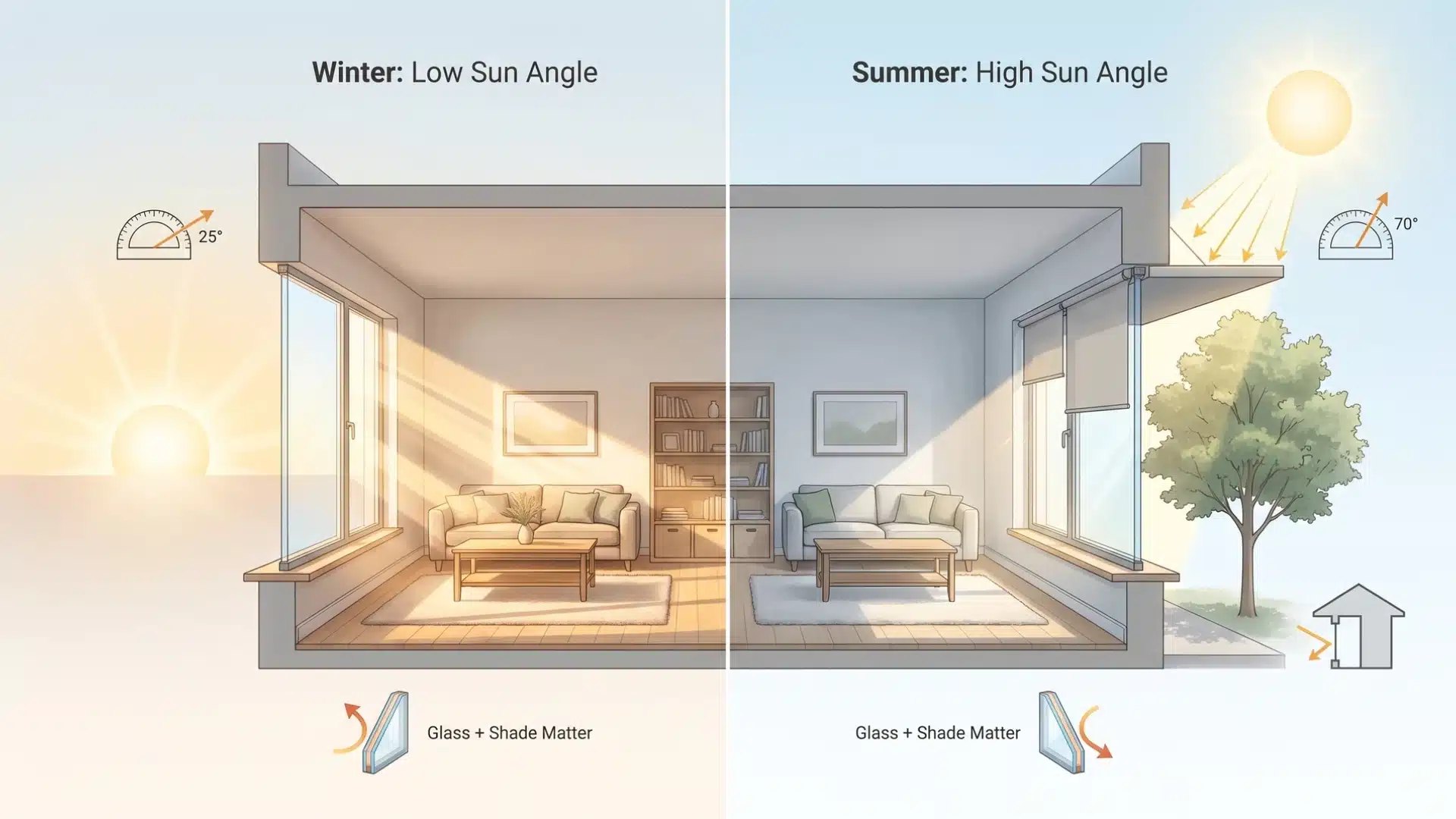
The sun moves across the sky from east to west. South-facing glass sits directly in that path for hours. In winter, the sun sits low, so its rays reach deep into the room.
In summer, the sun sits higher overhead, so the angle changes even though the room still gets plenty of light.
This is why the same window can feel like a cozy sunroom in January and an oven in July. The orientation does not change. The sun’s height in the sky does.
Glass and shading also matter here. Two homes with identical south-facing windows can feel completely different. It comes down to the coating on the glass. It also depends on whether anything blocks the summer sun.
What Are the Pros and Cons of South-Facing Windows?
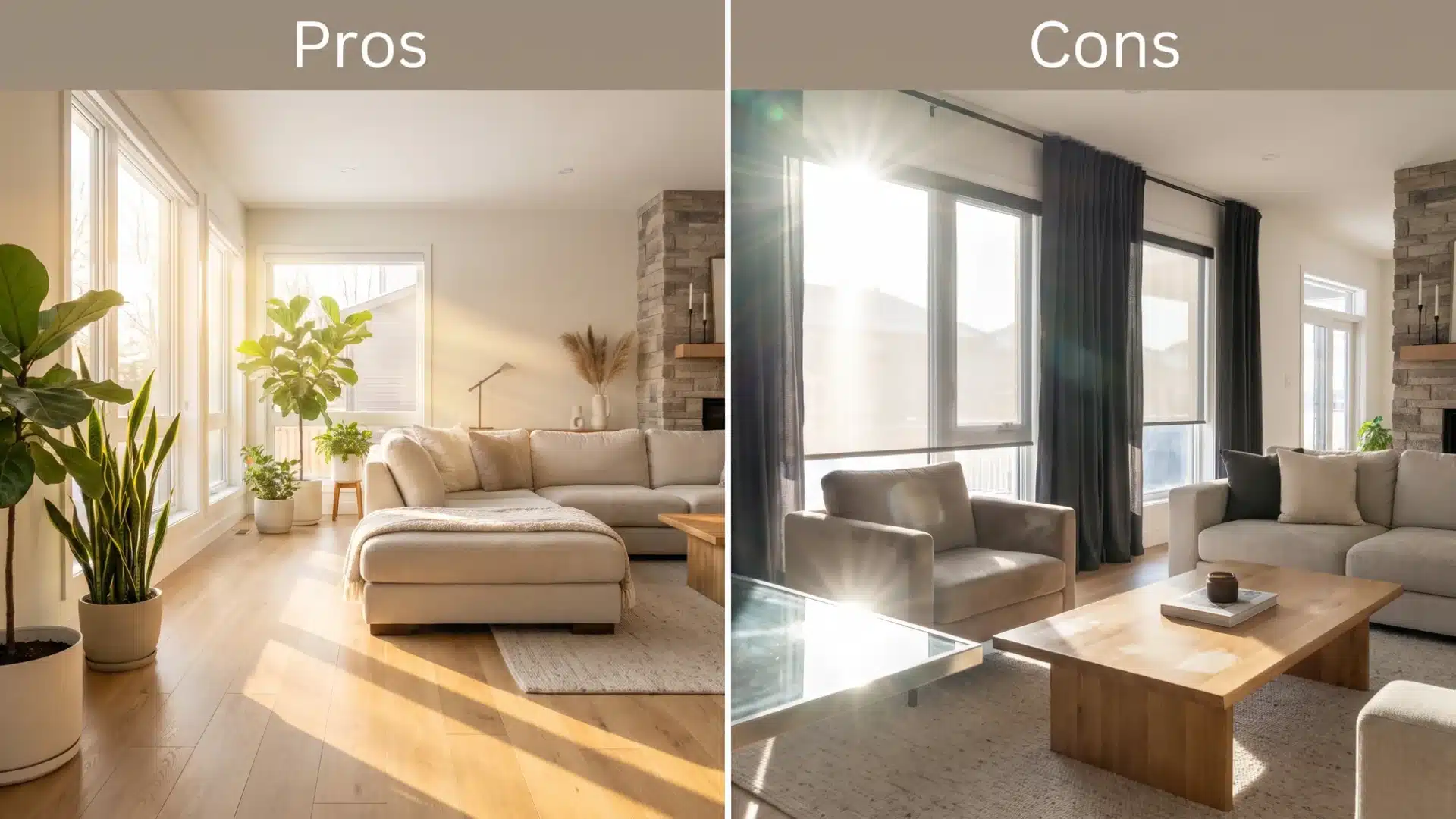
South-facing windows let in more natural light than any other orientation. That light comes with trade-offs worth knowing before you decide.
In winter, these windows capture free heat from the sun. In summer, that same sun can make a room too warm without shading. Fabrics, wood, and flooring also fade faster from constant UV rays.
The pros and cons depend on your climate and how you use the room. Here is the tradeoff broken down by category so that you can see it in one place.
|
Category |
Pros |
Cons |
|---|---|---|
|
Daylight |
Bright, sunlit rooms |
Can feel too bright without shades |
|
Winter |
Free passive heat on sunny days |
Heat escapes fast after dark if seals are weak |
|
Summer |
Airy, well-lit rooms |
Can overheat without shading |
|
Interiors |
Great for plants and open spaces |
UV fading on fabrics and wood |
Best Room-by-Room Uses for South-Facing Windows
Not every room benefits from south light equally. Match the room to how that light behaves. Bright spaces need glare control, while darker rooms benefit more from free warmth and daylight.
1. Living Rooms and Kitchens
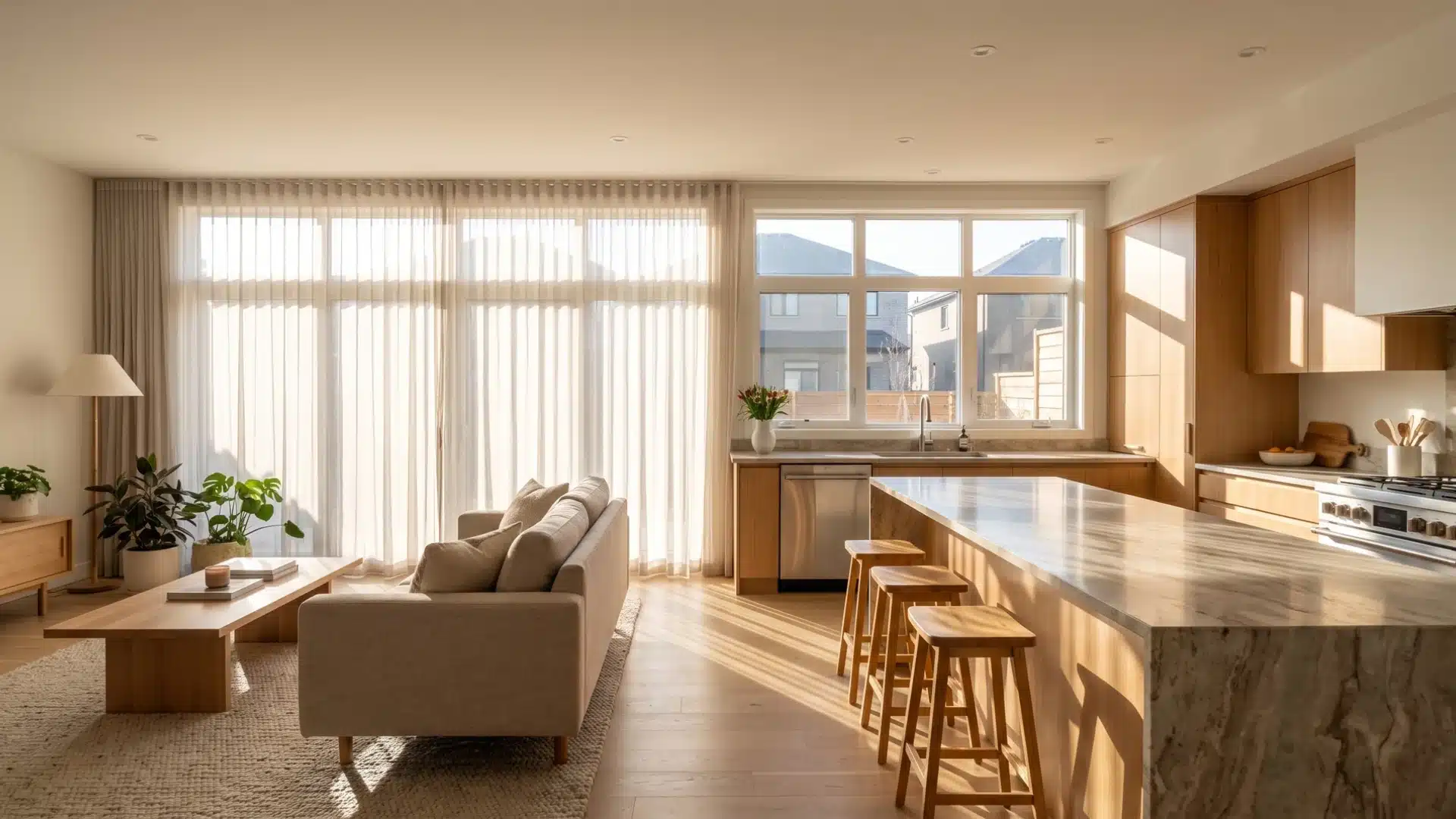
These are daytime spaces, so steady natural light is a real plus here. Kitchens especially benefit, since bright south light suits an open kitchen layout that flows straight into the living room. Just watch for countertop glare near midday.
South-facing windows can make a living room feel larger by spreading consistent daylight across walls and floors. Use light-filtering curtains or adjustable shades to soften intense afternoon brightness.
In kitchens, placing work zones slightly away from direct glare helps keep surfaces comfortable while still enjoying the natural light.
2. Home Offices
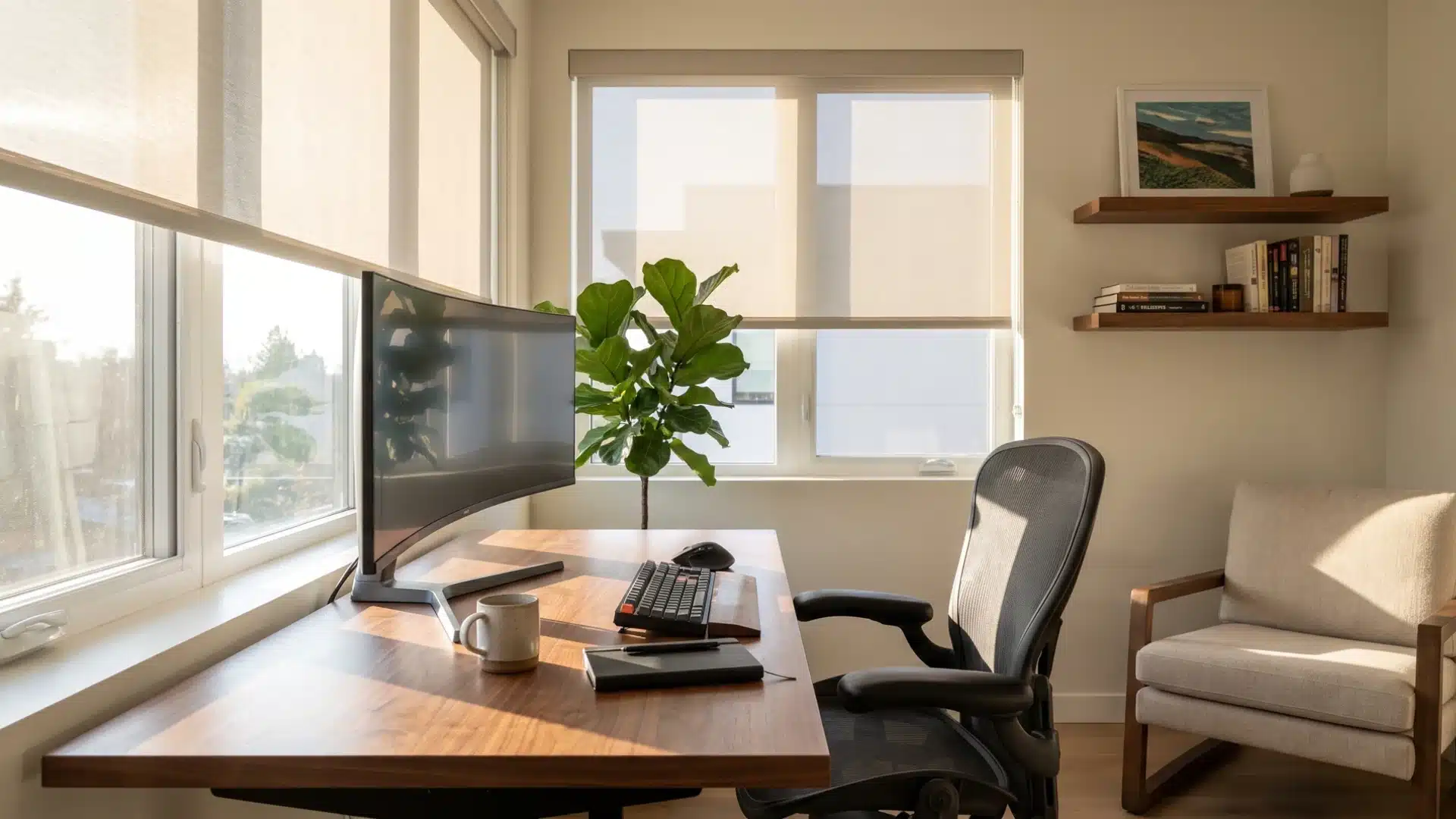
Glare can be a problem on screens. Use adjustable shades so you can dim the light during work hours without losing it completely. A cozy home office here often comes down to desk placement more than decor.
Angle your desk so the window sits to the side, not directly behind or in front of your monitor. This cuts screen glare without blocking the view.
A side-lit workspace also reduces eye strain because the monitor receives more balanced lighting. Sheer shades or adjustable blinds let you control brightness throughout the day without making the room feel closed off.
Adding a matte screen finish can further reduce reflections during peak sunlight hours.
3. Bedrooms
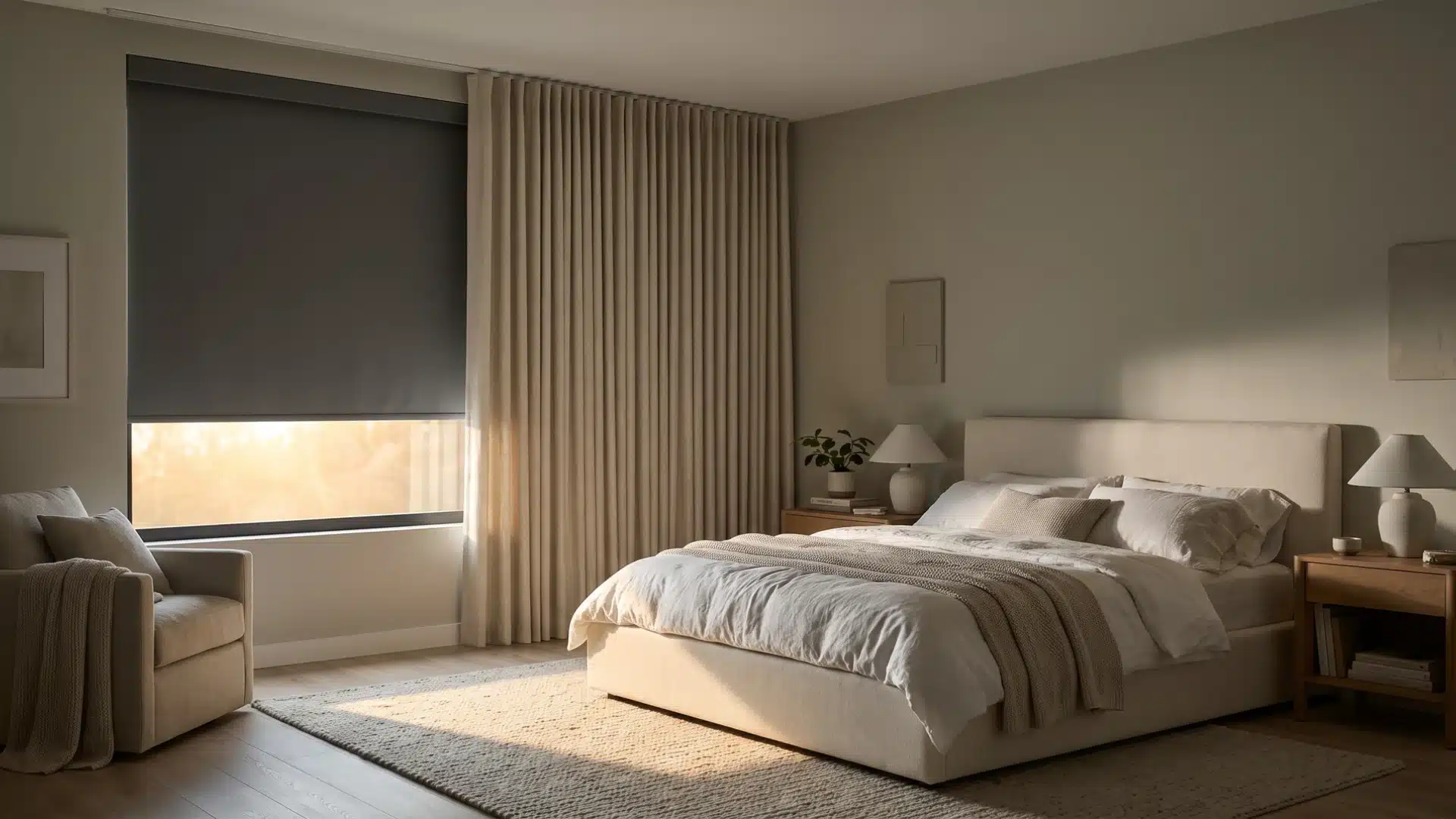
Strong morning or evening sun can disrupt sleep. A smart bedroom layout keeps the bed away from direct glass, reducing early glare. Blackout shades that you open and close as needed work better than a fixed solution.
If you nap during the day or work night shifts, a curtain liner solves both problems at once.
Keep beds and sleeping areas away from direct window heat to maintain a comfortable temperature.
Layered window treatments offer more flexibility, letting in bright mornings when needed and darker conditions for better rest. Insulated curtains can also help reduce temperature changes throughout the day.
4. Reading Nooks
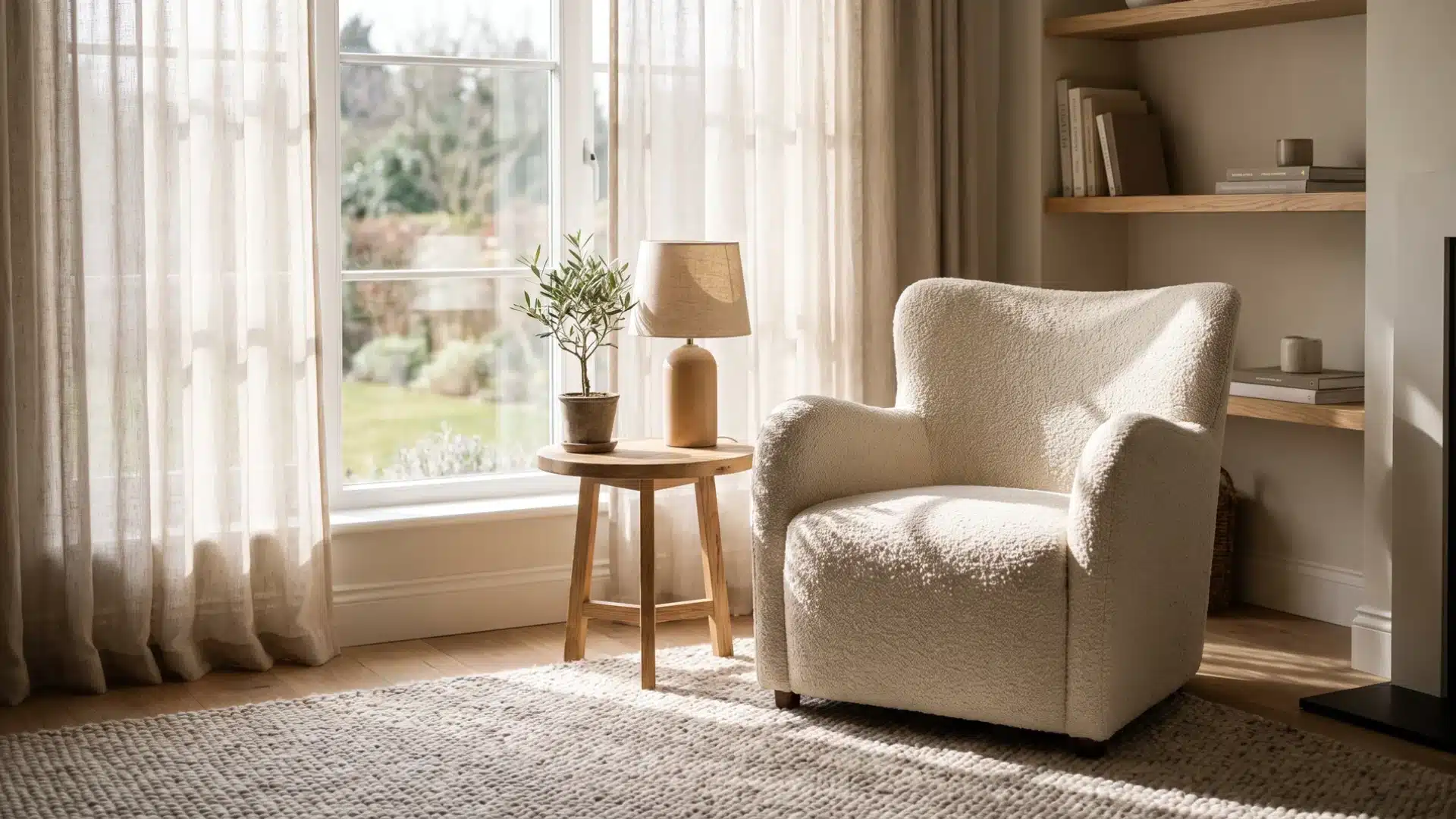
A reading nook works well here, since south light does the heavy lifting on its own. Sheer curtains soften harsh light while still letting plenty of it through. This keeps the space bright without the glare.
Position the chair at an angle to the glass instead of facing it directly. You get the warmth without staring into the brightest part of the room.
A south-facing reading corner works best when the light is diffused rather than blocked completely. Soft fabrics, warm wood, and comfortable seating help balance the strong daylight.
Adjustable curtains allow the nook to work well for both daytime reading and quiet relaxation.
5. Dining Rooms
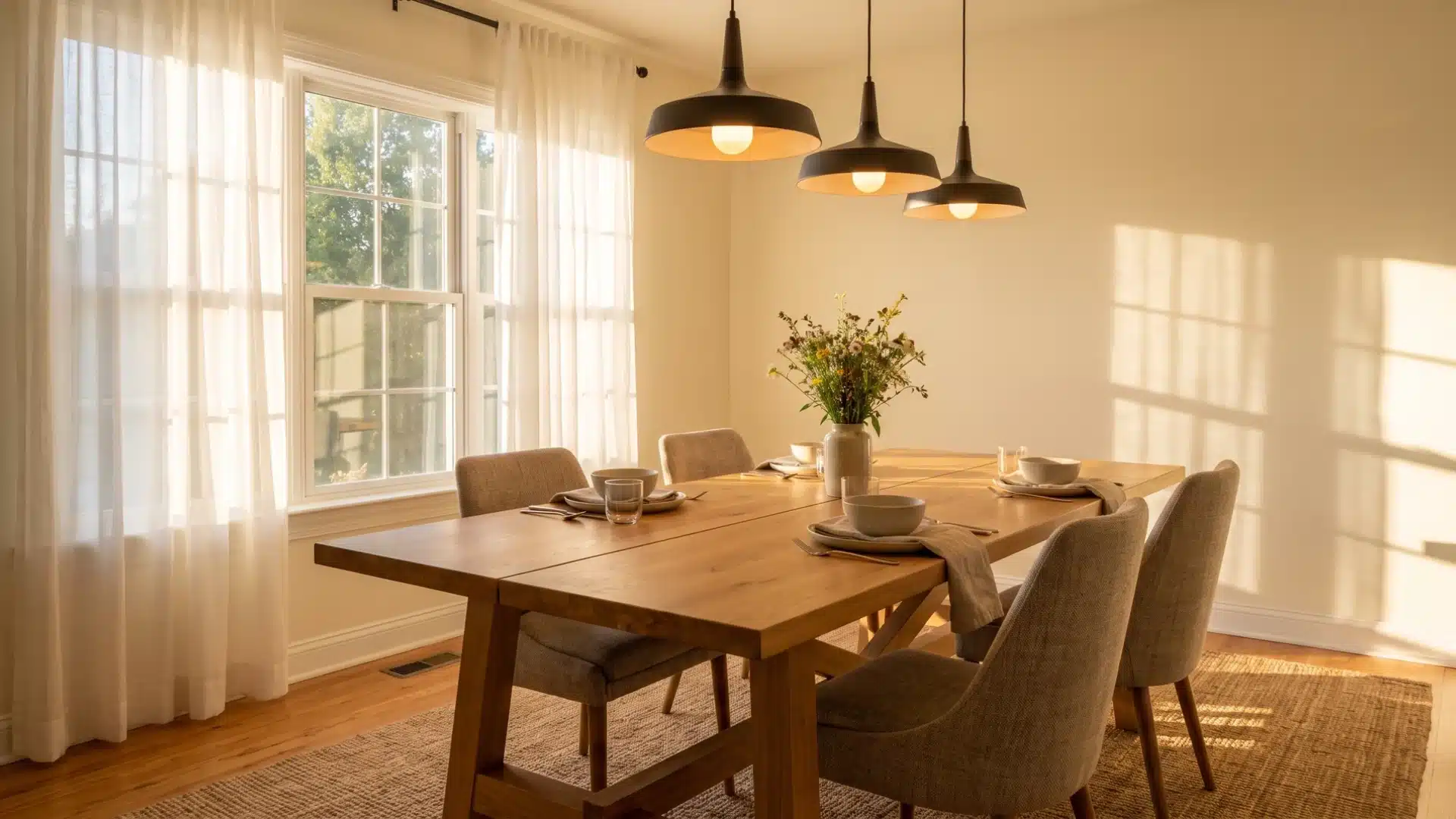
South light suits a casual dining room used mostly for breakfast and midday meals.
For evening dinners, dimmable lighting fills in once the sun starts to fade rather than fighting the afternoon glare directly.
A south-facing dining area can create a welcoming atmosphere during daytime gatherings by highlighting the table and surrounding decor.
Use layered lighting with pendant fixtures, wall lights, or candles to transition the room into an evening setting. Window shades help control brightness during longer summer afternoons.
6. Entryways and Hallways
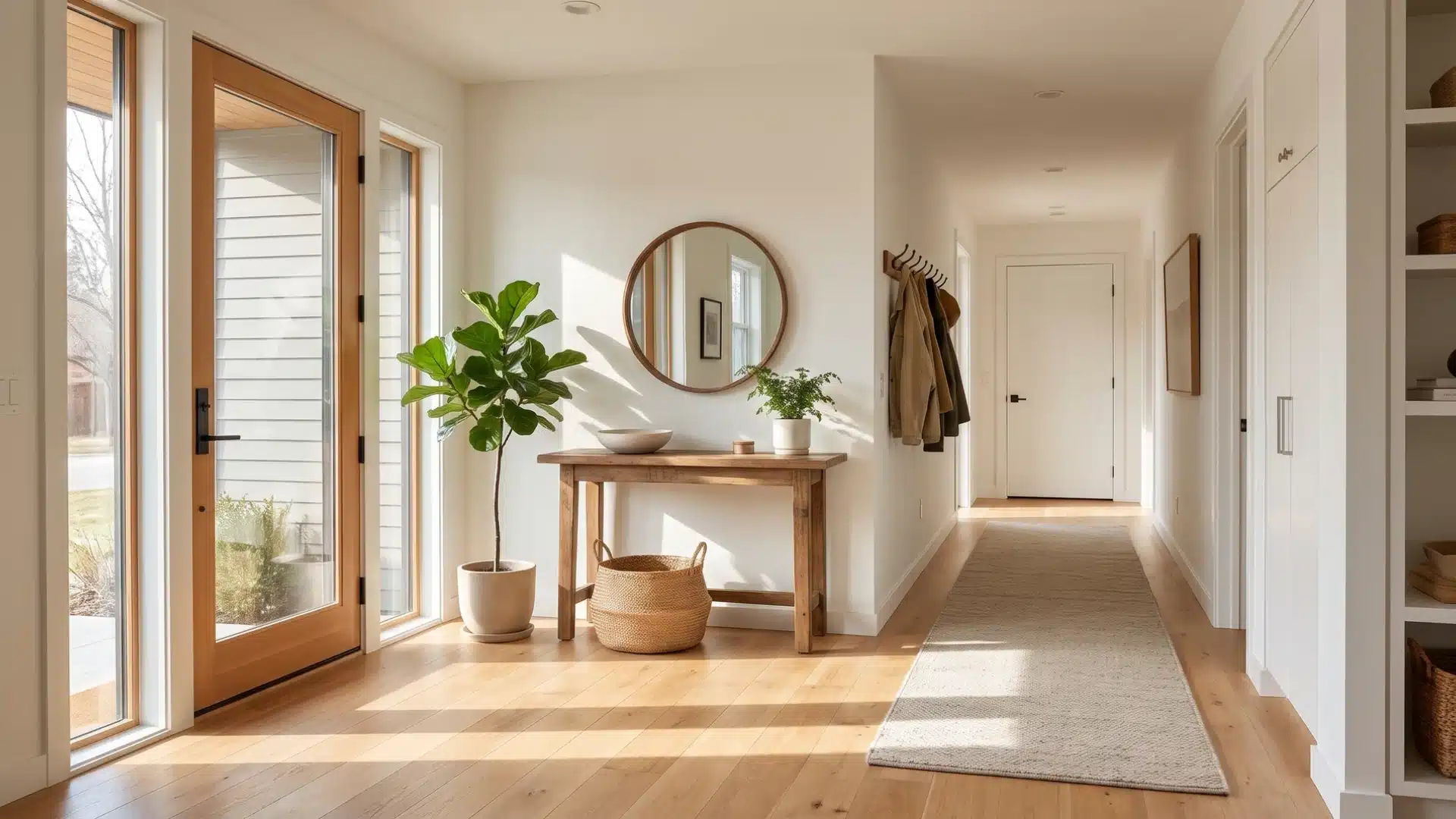
These transitional spaces rarely need heavy treatment. Simple entryway decor here can lean into the natural light instead of competing with it.
A south-facing window here brightens the whole path through the house. It helps the entry feel welcoming the moment someone walks in.
Natural light in an entryway can make narrow hallways feel more open and spacious. Mirrors and light-colored finishes can reflect sunlight deeper into nearby areas.
Since people usually use these spaces for short periods, simple shades or sheer panels are often enough for comfort.
7. Sunrooms and Home Gyms
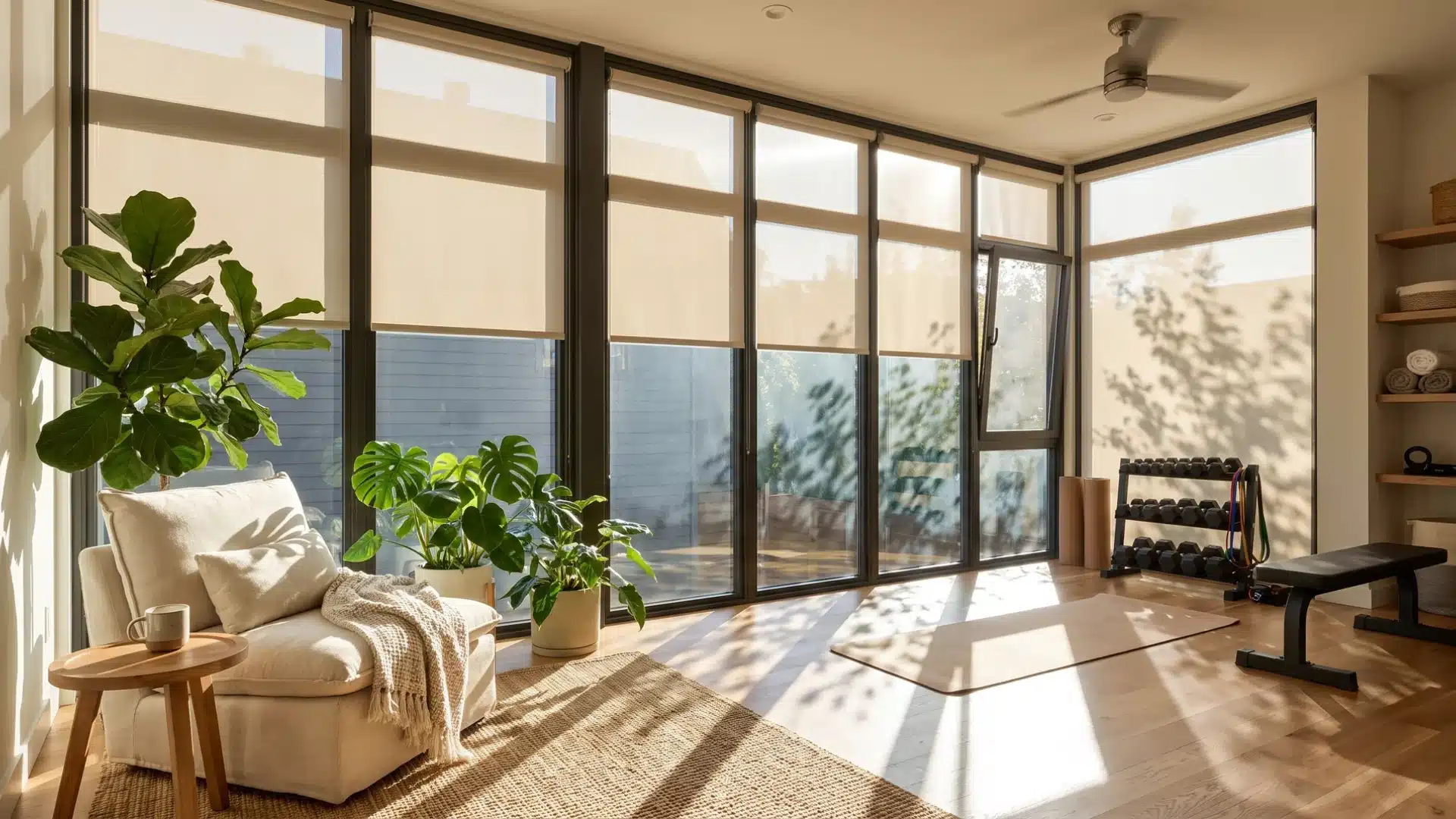
A south wall suits these rooms especially well, since people expect them to feel bright and open. Ventilation matters as much as shading here.
A closed-up sunroom heats up fast, so pair your shades with a ceiling fan or an operable window.
These rooms benefit from strong daylight because the brightness supports activities like stretching, exercising, and relaxing.
Use breathable materials, ceiling fans, and operable windows to prevent heat buildup during warmer months. Adjustable shades help maintain comfort without losing the connection to the outdoors.
8. Nurseries and Kids’ Rooms
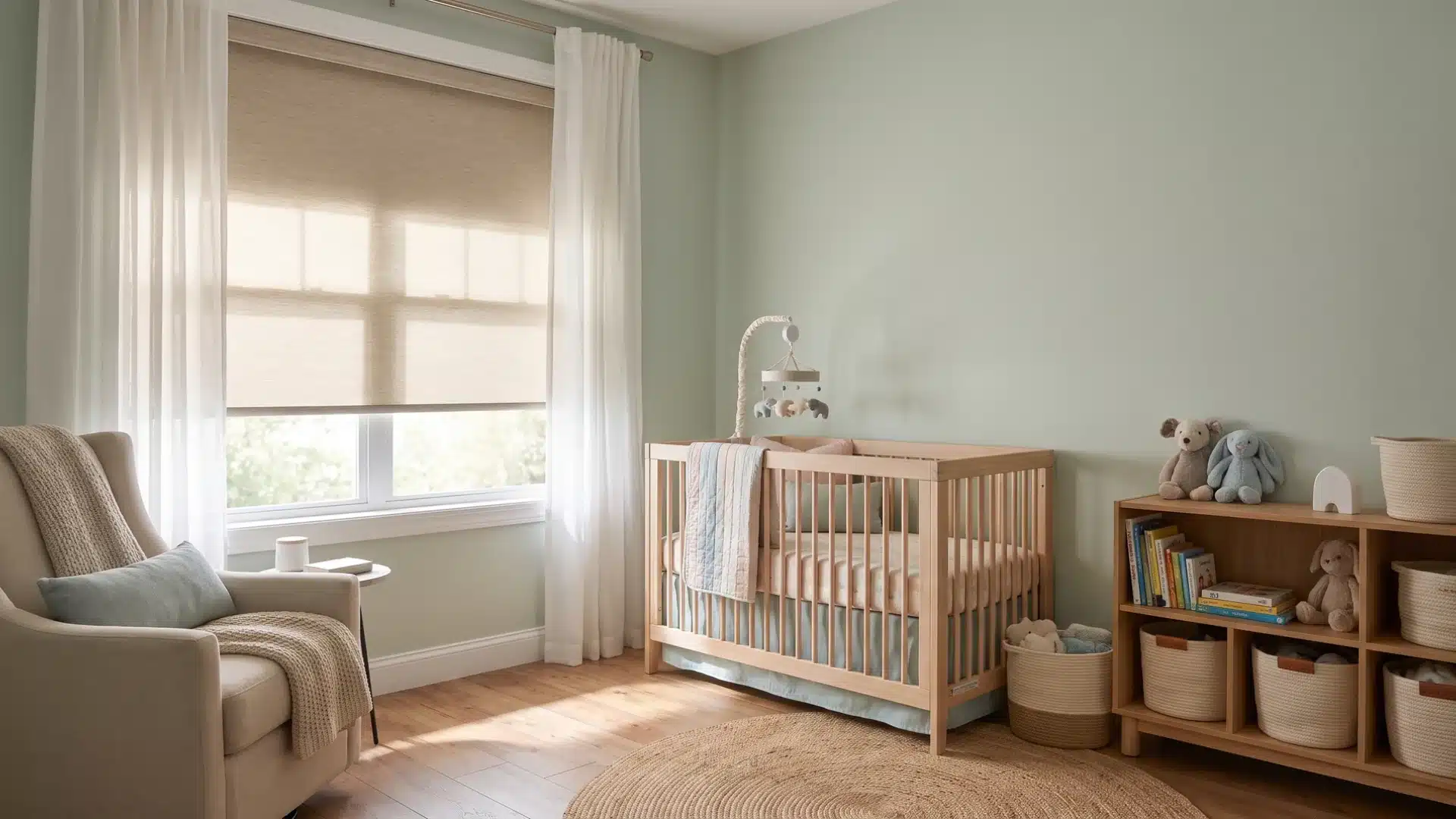
Nap schedules do not follow the sun’s clock, so blackout shades matter more here than in other rooms. Keep the crib or bed away from direct glass.
This limits UV exposure on young skin and avoids a hot spot during afternoon naps.
A flexible window setup makes the room easier to manage as children grow. Blackout curtains, breathable fabrics, and proper furniture placement help maintain a comfortable sleeping environment.
Keeping play areas away from direct afternoon sunlight also protects toys, books, and fabrics from fading.
9. Home Libraries and Craft Rooms
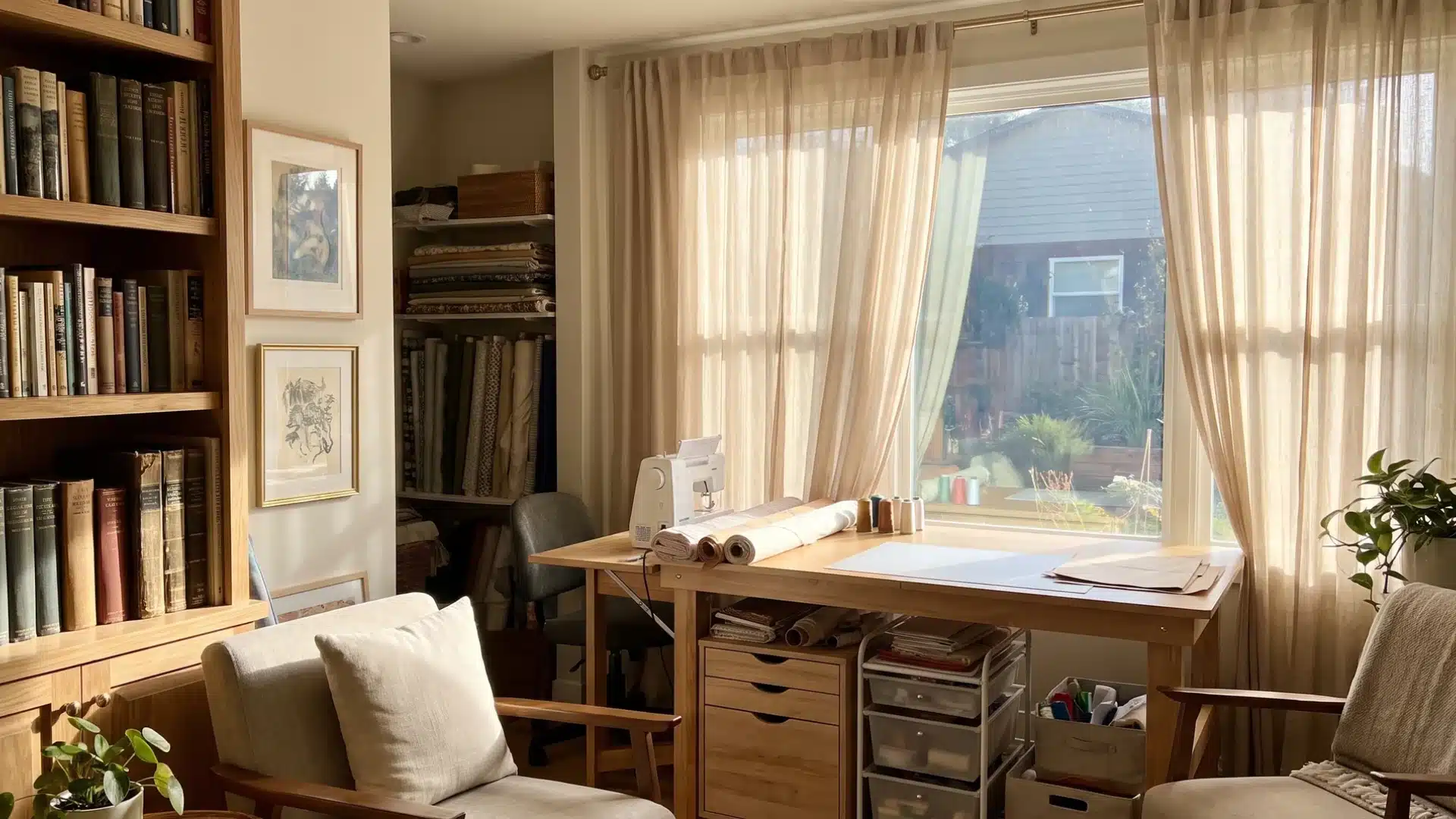
Books, artwork, and fabric fade fast under direct south light. UV-blocking film or a sheer layer protects these items while keeping the room bright enough to work in.
Creative spaces need balanced lighting, not just maximum brightness. Position work tables where natural light comes from the side to reduce shadows while protecting delicate materials.
Storage cabinets, drawers, and closed shelving can further protect books, paper supplies, and textiles from long-term sun damage.
How to Manage Light and Heat Without Losing the Benefits
You do not have to choose between comfort and light. These fixes handle the downsides while keeping the sunlight you actually want.
-
Layer your window treatments: Different window covering options handle glare in different ways. Sheer curtains soften daytime glare, while blackout shades block strong summer evening or early-morning light. Combining both offers greater flexibility and control.
-
Upgrade the glass: Low-E coatings reflect heat while still letting light through. Double- or triple-pane glass also helps hold warmth in winter and keep heat out in summer.
-
Use shade outside the window: A deciduous tree, a pergola, or a deeper roof overhang blocks high summer sun. In winter, when the tree loses its leaves and the sun sits lower, the same window still gets warmth.
Is It Worth Upgrading Your South-Facing Windows?
Treatments and shading solve the everyday problems. But sometimes the windows themselves are the issue.
Watch for a few clear signs. The glass feels cold to the touch in winter. You notice drafts near the frame. The room still overheats even with the shades closed. These point to old seals or outdated glass, not the orientation itself.
New windows with Low-E glass and a tight, professional installation fix these problems at the source. That said, if your current windows are in good shape, better shading may be enough on its own.
Final Thoughts
South-facing windows are not automatically good or bad. They are a tool that rewards a little planning. Match your treatments to the room.
Add shading where the summer sun hits hardest. Avoid the trap of blocking out light you actually want in winter. Get these small choices right, and a south-facing room turns into one of the best spaces in the house.
Get them wrong, and it becomes the one you avoid every July afternoon. Start by checking your own windows with a compass app before you decide on any fix.
It only takes a minute, and it tells you exactly what you are working with. That small step saves you from guessing at a problem that orientation alone didn’t create.
Frequently Asked Questions
What is the luckiest direction for a house to face?
In traditional practices like Feng Shui, a south-facing house is most often considered the luckiest orientation.
What facing window gets the least sun?
A north-facing window in the Northern Hemisphere gets the least amount of direct sun.
Are south-facing windows good?
South-facing windows are generally considered the best choice for maximizing consistent, natural light throughout the day in the Northern Hemisphere.