How to Save on Your Energy Bill by Installing a Heat Pump

The cost of powering heating and cooling systems at home can quickly add up.
Traditional home heating and cooling systems like furnaces and central air conditioners can use significant amounts of power, especially if the goal is to heat or cool the entire home. If you’re a homeowner who is looking for a more energy-efficient solution, a heat pump installation will help you keep the temperatures in your home under control without wasting as much energy.
How Heat Pumps Use Less Energy
The largest energy efficiency benefit of a heat pump is the way it approaches heating. A classic electric resistance heater converts electricity to heat, and most homes use a fuel furnace to literally burn fuel to create warmth. A boiler will heat up water, and a geothermal heating system will move heat from the ground to your living space. In contrast, a heat pump will seek out available heat and move it over.
This means when it comes to the cooler days when you need heat in the home, the heat pump finds the heat energy from the outside air and is easily able to heat a room with a relatively small amount of electricity; on hot days, the process can be reversed. Because the heat pump is reusing the available heat, rather than creating it from nothing, it can provide a lot of heating and cooling with a smaller amount of electricity. For homes that use their heat or AC for many hours a day, this can be an energy-saving benefit.
Put Your Heat and AC in One Bucket
The other way you can potentially save on your heating and/or cooling is by using only one system most of the year. Most homes are set up to rely on their furnace to create heat in the home during the winter and their air conditioner to create a cool living space during the warmer months. Both of these systems need to be cared for with unique equipment for each home system, separate regular maintenance, and all of the electricity or fuel to run the individual machines.
A heat pump can get the job done. With a two-in-one heating and cooling system, there is no longer a need to use separate systems. This means no separate equipment, maintenance checklists, or power bills to consider. For anyone who is looking to simplify their personal budget as much as possible, a heat pump can be a reliable all-year home comfort system. Simply, the more systems that you turn off for parts of the year, the more money you can save in the long run.
Stop Heating and Cooling the Whole Property When It’s Not Necessary
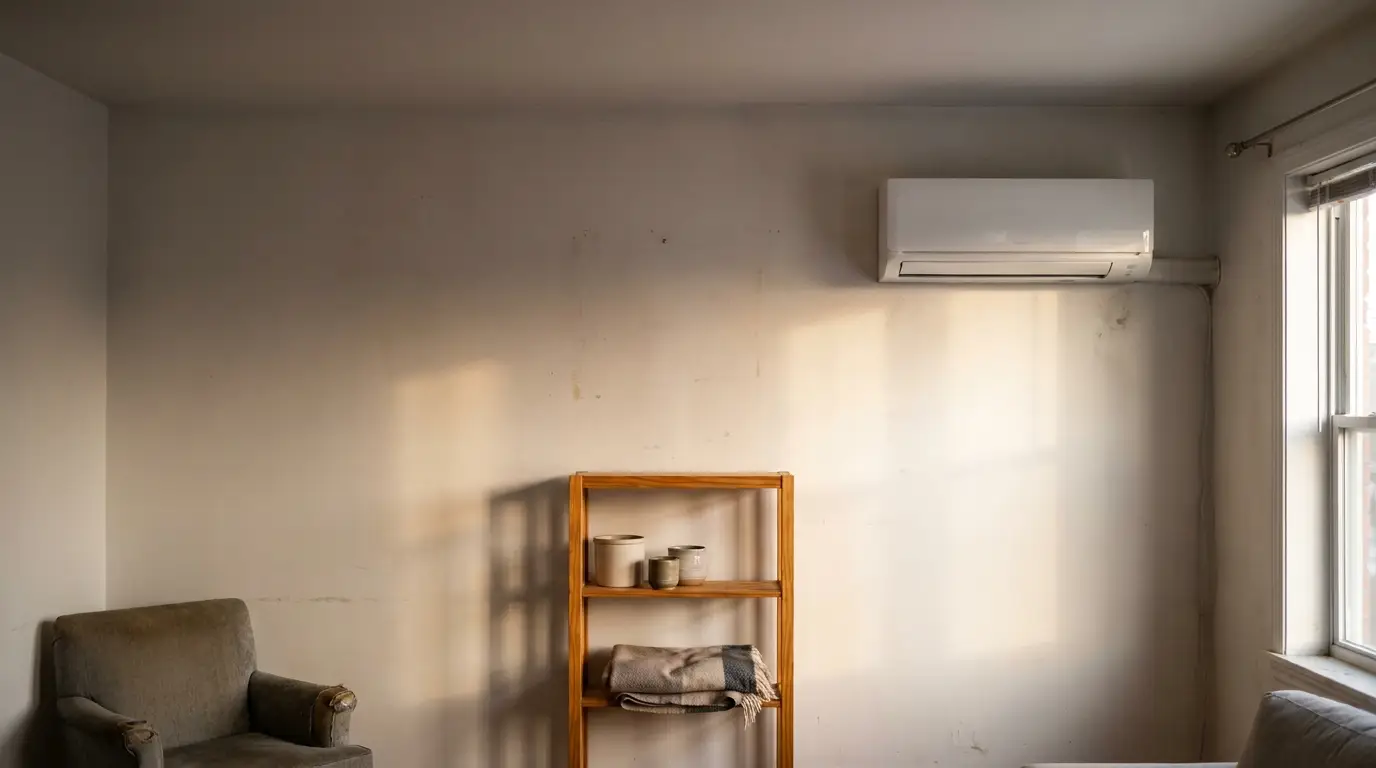
Traditional HVAC systems deliver conditioned air to all parts of a building, which can lead to comfort throughout the building, but it can also lead to energy being used to heat or cool rooms that are hardly ever used.
Using a heat pump system well, and strategically placing units so that different parts of the building can be conditioned on their own, allows more control over heating and cooling a space. For example, it might be that people want the bedroom cooler than some of the other spaces in the building during the day when they’re working elsewhere in the building, or it might be that it’s better to keep the bedroom warmer than the living spaces during the night. Setting temperature based on actual usage rather than having everything at a fixed temperature all the time is actually true thermostat control, and this is one place heat pumps really shine, but this can also be accomplished with a single mini-split per bedroom and a heating source from the other side of the structure.
Make Your Building Energy Efficient
The performance of a heat pump system is a combination of the heat pump and the building itself. If the building isn’t well insulated, if there are drafty places and bad windows, that means that the conditioned air created by the heat pump is going to leak out. Any heating and cooling equipment has to make up for this loss.
So, before putting in a new HVAC system, it’s worth taking a look at the building as a whole. Caulking around windows, weatherstripping doors and windows, installing insulation, and fixing or replacing windows can all shrink or eliminate the load that a heating and cooling solution has to provide. If a house is so leaky and poorly insulated that 90 per cent of the heat that’s put into the house is lost in a couple of hours, it doesn’t matter how efficient the heat pump is when it’s running. It’ll be just as expensive as running an electric resistance system.
Making Every Point of Efficiency Make a Difference
A heat pump isn’t a one-to-one replacement for a furnace or air conditioning unit; it’s a different way of heating and cooling a building. And when the conditions to make that heat pump shine are present, it’s impressive what can be done. Modern heat pumps that move heat, rather than resistance heat machines that will turn on backup heating systems even when it’s somewhat cold outside to save energy, can produce both actual heating and cooling from a single system.
In today’s world of higher energy prices, households that take advantage of both efficient HVAC equipment and energy-saving tactics will find the greatest opportunities to save.