Protect the Home You Worked Hard For, A Simple Exterior Maintenance Calendar

Your home is more than a roof and four walls. It is where you rest after a long day, where birthdays are celebrated, and where ordinary moments slowly turn into memories.
It is also one of the biggest investments you will ever make.
That is why exterior maintenance matters. Not because your home needs to look perfect every day, but because small problems have a habit of becoming expensive ones when they are ignored.
A loose gutter may not seem urgent. A small crack near a window might be easy to overlook. A little discoloration on an exterior wall can feel harmless.
But give those issues enough time, rain, wind, and changing temperatures, and they can turn into water damage, mold, rot, or structural repairs.
The good news is that home maintenance does not have to take over your weekends. You do not need to inspect every corner of the property every month.
A simple seasonal calendar can help you stay ahead of common problems without making the process feel overwhelming.
The goal is not perfection.
The goal is consistency.
Why Regular Exterior Maintenance Is Worth the Effort
The outside of your home takes a beating throughout the year. Sunlight fades finishes. Wind loosens materials. Rain finds its way into small gaps.
Snow and ice add weight and moisture. Even plants can create problems when they grow too close to walls or foundations.
Most exterior damage happens gradually. That can make it easy to miss.
You may walk past the same cracked seal or overflowing gutter every day without noticing it. Then one afternoon, you find a damp patch inside the house and realize the problem has been growing for months.
Would you rather spend a few minutes checking your home now, or deal with a major repair later?
Regular maintenance gives you the chance to catch issues early. It can also help your home look better, stay more comfortable, and hold its value over time.
You do not need special equipment for most of these checks. A notebook, a phone camera, a pair of gloves, and a little attention are often enough.
Let us walk through the year.
Spring Is the Time to Look for Winter Damage
Spring brings warmer weather, longer days, and a good opportunity to see what winter left behind.
Start with a slow walk around your property. Do not rush. Look closely at the roofline, exterior walls, windows, doors, foundation, gutters, and outdoor structures.
You are looking for anything that seems different.
Maybe a section of trim has shifted. Perhaps a downspout has pulled away from the wall. You might notice staining near the foundation or a crack that was not there last fall.
Take pictures as you go. Photos make it easier to compare changes over time, especially when you are not sure whether a crack or stain is getting worse.
Clear Out the Gutters
Gutters often collect leaves, twigs, dirt, and other debris during the colder months. When they are blocked, rainwater can spill over the sides and collect near the foundation.
That is not something you want.
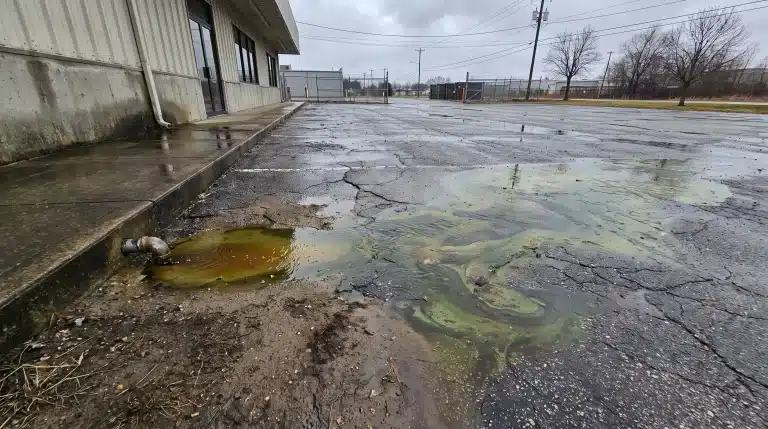
Water should move away from your home, not the pool beside it. Check that the gutters are secure and that downspouts direct water several feet away from the foundation.
If you are uncomfortable using a ladder, hire someone to do the job safely. A clean gutter is not worth a fall.
Check Exterior Surfaces
Walk around the house and inspect the main exterior materials. Look for cracks, gaps, stains, loose areas, peeling finishes, and signs of moisture.
Different materials show damage in different ways. Wood may peel, swell, or soften. Brick may develop cracks in the mortar. Stucco can split or chip.
Vinyl may loosen or warp. Metal siding may show dents, loose sections, worn seals, fading, or areas of corrosion that deserve a closer look.
You do not have to fix everything immediately. Start by identifying what needs attention, then decide which tasks you can handle and which ones require professional help.
Inspect Windows and Doors
Check the caulk around windows and doors. If it is cracked, missing, or pulling away, moisture and outside air may be getting inside.
Run your hand around the edges on a cool or windy day. Do you feel a draft?
Also look for peeling paint, soft wood, water stains, and gaps around the frames. Small sealing jobs are usually simple, but they can make a noticeable difference in comfort and energy use.
Summer Is for Cleaning and Protecting
Once the spring repairs are handled, summer is a good time to clean exterior surfaces and protect the areas that get the most use.
The warmer weather gives materials time to dry, and longer daylight hours make outdoor projects easier to manage.
Wash Away Dirt and Buildup
Dirt, pollen, mildew, and dust can collect on exterior walls, steps, porches, and railings. A gentle wash can freshen the appearance of your home and help you spot damage that was hidden beneath the grime.
Use a cleaning method that is safe for the surface.
More pressure is not always better. A powerful pressure washer can damage paint, force water behind exterior materials, and harm softer surfaces. In many cases, a garden hose, soft brush, and mild cleaning solution are enough.
Test a small area first.
Give Trees and Plants Some Space
Landscaping can make a home feel welcoming, but overgrown branches and shrubs can cause trouble.
Branches may scrape against the roof or walls during windy weather. Dense plants can trap moisture against the house. Roots may interfere with walkways, drainage systems, or foundations.
Trim branches that touch the building, and leave enough space between plants and exterior walls for air to move freely.
You do not need to clear everything away. Just keep the growth under control.
Check Decks, Steps, and Railings
Outdoor areas get more use during summer, so inspect them before gatherings and family events begin.
Walk across the deck and pay attention to movement. Check for loose boards, raised nails, splinters, cracks, and unstable railings. Look closely at steps and handrails.
A small repair can prevent a painful accident.
If the finish is peeling or water no longer beads on the surface, it may be time to clean and reseal the wood. Follow the product instructions and allow enough drying time between steps.
Watch for Signs of Pests
Warm weather often brings insects, birds, and small animals closer to the home.
Look for nests, holes, droppings, chewed materials, and unusual sounds near the attic, roofline, vents, and foundation. Check screens and vent covers for damage.
Seal openings when it is safe to do so, but make sure no animals are trapped inside. For larger infestations or protected wildlife, call a professional.
Fall Is Your Chance to Prepare
Fall maintenance is all about getting ready for colder, wetter weather.
This is the season to clean, seal, and secure. A few hours of work now can save you from uncomfortable surprises in the middle of winter.
Clean the Gutters Again
Yes, again.
Falling leaves can fill gutters quickly, even if you cleaned them in spring. Clear out the debris after most of the leaves have dropped, then run water through the system to check the flow.
Make sure downspouts have not shifted and that water still drains away from the foundation.
This simple task can help prevent overflowing gutters, water damage, and ice buildup.
Look at the Roof From a Safe Distance
You do not need to climb onto the roof to perform a basic inspection. Stand on the ground and use binoculars or your phone camera to look for visible problems.
Check for missing, lifted, cracked, or damaged roofing materials. Look for sagging areas, loose flashing, or debris collecting in valleys.
If something looks wrong, schedule a professional inspection.
Do not try to handle high or steep areas yourself. Roof repairs require the right training, equipment, and safety precautions.
Seal Small Gaps
Cold air and moisture can slip through small openings around windows, doors, vents, pipes, and utility lines.
Inspect the caulk and weather stripping in these areas. Replace anything that is cracked, loose, or missing.
This is usually a low cost project, and it can help reduce drafts while keeping water and pests outside.
Pay attention to garage doors too. Check the seal along the bottom and sides, especially if the garage connects to the house.
Protect Outdoor Plumbing
Disconnect garden hoses before freezing temperatures arrive. Drain them, coil them, and store them somewhere dry.
If your home has outdoor shutoff valves, close them and drain the lines according to the system instructions. Insulate exposed pipes and fixtures when needed.
A frozen pipe can burst and cause serious damage. Prevention is much easier than cleanup.
Winter Is About Watching and Responding

Winter is not usually the time for major exterior projects, but it is still important to keep an eye on your home.
After heavy rain, snow, ice, or strong winds, walk around the property once conditions are safe.
Look for fallen branches, loose materials, blocked drains, damaged gutters, and water collecting near the foundation. Check that vents remain clear and that outdoor equipment has not shifted.
Pay Attention to Ice and Snow
Snow and ice can become heavy. They can also block gutters, cover vents, and create slippery areas near entrances.
Keep walkways and steps clear. Use products that are safe for the surrounding surfaces, plants, and pets.
Avoid standing beneath heavy ice buildup or large roof overhangs. If snow accumulation becomes excessive, contact a qualified professional rather than attempting risky removal on your own.
Safety comes first.
Always.
Watch for Warning Signs Indoors
Sometimes an exterior problem first appears inside.
Look for water stains on ceilings and walls. Check around windows for condensation, dampness, or drafts. Pay attention to musty smells, peeling paint, and unusual cold spots.
If you have access to the attic, inspect it occasionally for moisture, daylight coming through gaps, or signs of pests.
These clues may point to a roof leak, damaged seal, ventilation issue, or another exterior concern.
Do not ignore them just because the problem seems small.
A Few Monthly Checks Can Make the Calendar Easier
Seasonal maintenance handles the bigger tasks, but a quick monthly walk around the home can help you catch sudden changes.
This does not need to take long. Ten minutes may be enough.
Check that drains and downspouts are clear. Remove debris from vents and entrances. Look for new cracks, stains, or loose materials. Test outdoor lights and security fixtures.
Take a picture when something catches your attention.
You may not remember exactly how an area looked two months ago, but your phone will.
A simple record can help you decide whether a problem is stable or getting worse.
Know When to Bring in a Professional
There is nothing wrong with handling basic maintenance yourself. Cleaning, visual checks, minor caulking, and simple yard work are manageable for many homeowners.
But some jobs should be left to trained professionals.
Call for help when you notice structural cracks, major roof damage, persistent moisture, electrical problems, extensive rot, unstable masonry, or damage in high and difficult to reach areas.
You should also get professional advice when the source of a problem is unclear.
Guessing can lead to wasted time and money. Worse, it may allow the real issue to continue.
A professional inspection can help you understand what is happening and what needs to be done next.
Keep a Simple Maintenance Record
You do not need a complicated filing system.
Use a notebook, spreadsheet, calendar app, or folder on your phone. Record the date of each inspection, the issues you found, and the repairs you completed.
Save receipts, warranties, contractor details, and before and after photos.
These records can be useful when planning future work. They may also help when selling the home, filing an insurance claim, or checking whether a product is still under warranty.
Most importantly, they take the pressure off your memory.
Small Steps Protect What Matters
Exterior maintenance is easy to postpone. Life gets busy, weekends fill up, and the loose gutter or cracked seal can always wait until next month.
But caring for your home does not require a perfect schedule or endless free time.
Start small.
Walk around the property in spring. Clean and trim in summer. Seal and prepare in fall. Watch closely during winter.
That is enough to make a real difference.
The home you worked hard for deserves steady care, not constant worry. A few simple habits can help protect its value, its comfort, and the people who live inside it.
And that is what maintenance is really about.