What Property Owners Should Know Before a Small Environmental Problem Becomes a Big One

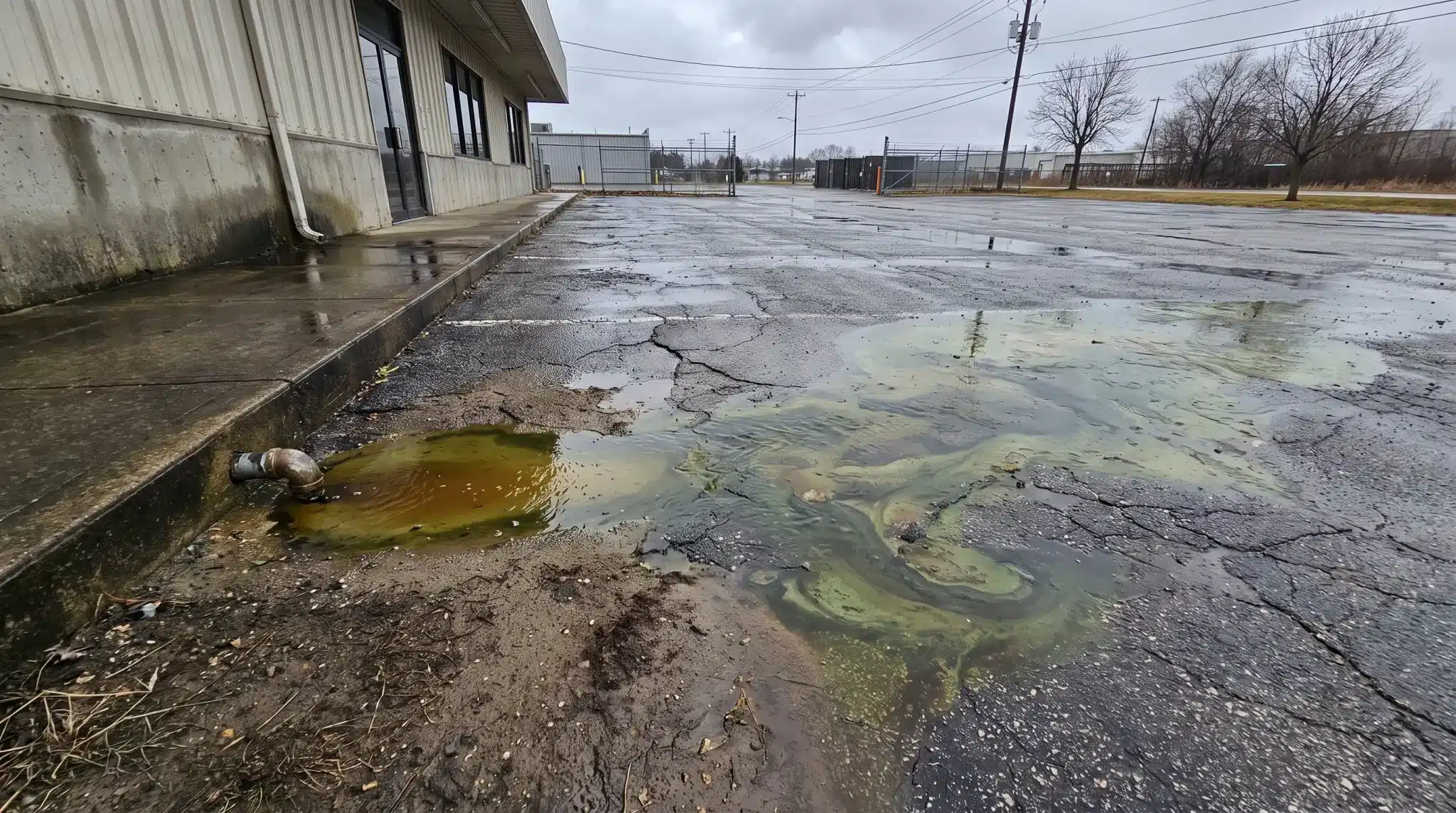
Many property problems begin in ways that do not initially look like emergencies. A strange odor appears after a storm, a small amount of unidentified liquid leaks near a storage area, standing water collects where it normally does not, or debris is left behind after severe weather. The temptation is often to clean up what is visible and assume the issue has been handled. Environmental problems can be different because the part you can see may not tell you everything about contamination, drainage, hazardous materials, or what has spread beyond the original area.
When Cleanup Requires Professional Help
Some messes can be handled with ordinary cleaning equipment, while others deserve professional assessment because the material or extent of contamination is unclear. Property owners dealing with spills, contaminated water, storm-related debris, wastewater problems, or potentially hazardous materials may need to look for specialized environmental services in Oklahoma, Texas, or Arkansas rather than treating the situation as a typical maintenance project.
Professional environmental contractors may have equipment, training, disposal procedures, and regulatory knowledge that ordinary cleaning companies do not. Knowing when to make that call can keep a relatively contained problem from becoming harder and more expensive to address.
Spills Should Be Evaluated Before They Are Washed Away
One of the most instinctive responses to a spill is to reach for a hose and wash the material away. Whether it’s a spill from a staining project or the paint from giving your house a facelift, it’s important to consider the impact that spill can have. Depending on the substance and location, that can make the situation worse by moving contamination into storm drains, soil, landscaping, or nearby waterways. Absorbing, containing, and properly disposing of the substance may be more appropriate than simply diluting it. The correct response depends heavily on what was spilled.
Environmental Documentation Can Support Better Business Decisions
For commercial property owners, environmental responsibility does not end once a spill is contained or a drainage problem is repaired. Keeping clear records of incidents, cleanup efforts, waste disposal, energy use, water consumption, and other environmental factors can help a business understand where recurring risks or inefficiencies exist. Guidance on ESG reporting for small businesses can also help owners think more systematically about how environmental practices fit into broader business reporting and accountability. Even companies that are not subject to extensive reporting requirements may benefit from documenting environmental issues before customers, lenders, investors, insurers, or business partners begin asking for that information.
Good documentation can also reveal patterns that are easy to miss when each property problem is treated as an isolated event. Repeated drainage failures, frequent disposal expenses, unusual water use, or recurring cleanup incidents may point to infrastructure or maintenance problems that deserve a larger investment. Tracking those issues gives owners better information when deciding where preventive maintenance or capital improvements could reduce future risk.
Water Problems Can Extend Beyond What You Can See
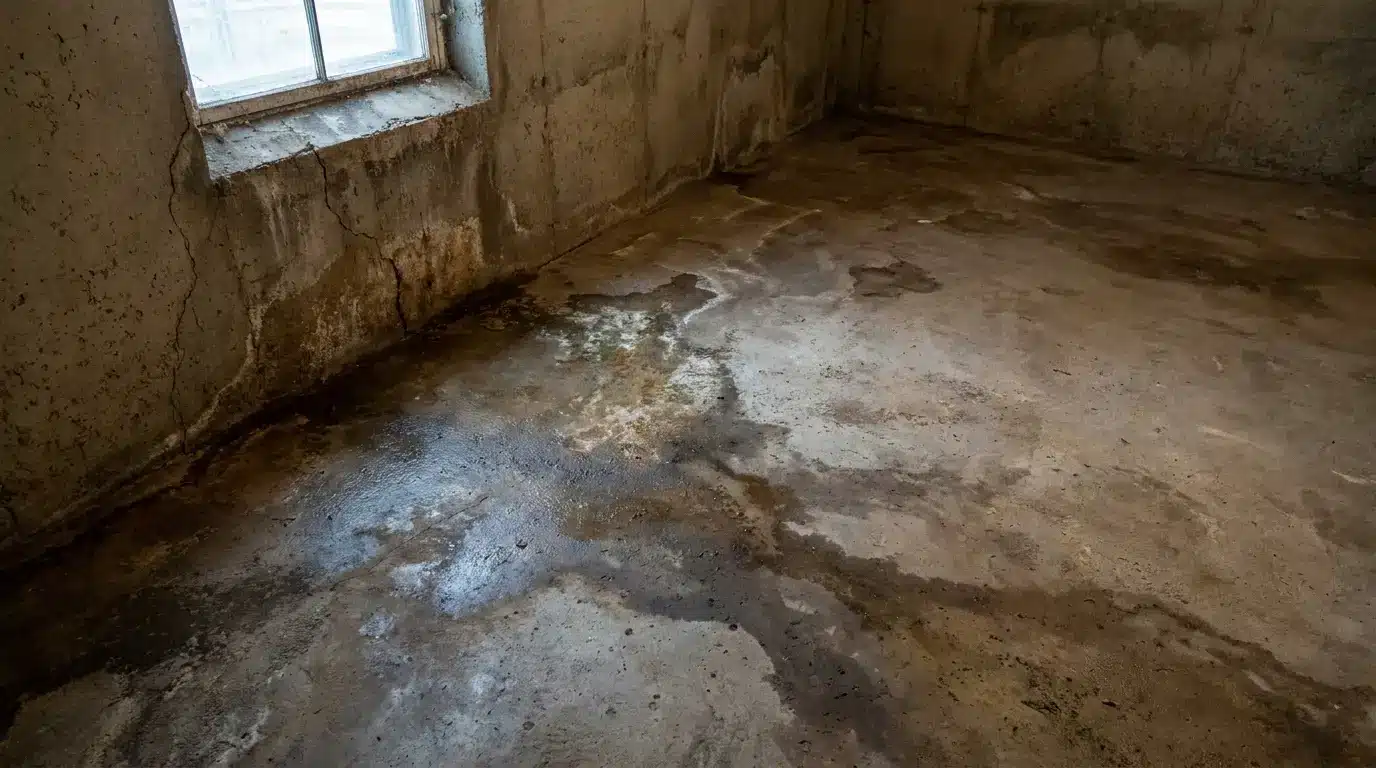
Water is one of the most common ways a minor property issue becomes much larger. A roof leak, plumbing failure, drainage problem, or storm can send water into walls, flooring, insulation, crawl spaces, or other areas that are not immediately visible. Removing the standing water is important, but it does not necessarily mean the affected materials are dry. Moisture can remain where property owners are unlikely to notice it until additional damage develops.
The source of the water matters as well. Clean water from a small plumbing leak presents a different situation from floodwater, sewage, or water that has moved through contaminated outdoor areas.
Severe Weather Can Create Secondary Environmental Problems
After a major storm, the obvious priorities are usually damaged roofs, fallen trees, broken windows, and interrupted utilities. Those problems deserve attention, but severe weather can also move substances and debris that property owners would not normally encounter. Flooding and runoff may carry fuel, chemicals, sewage, damaged building materials, and contaminated sediment across a site. Containers stored safely before the storm can also be damaged or displaced.
Commercial and industrial properties may face additional complications because they often store larger quantities of fuel, cleaning products, manufacturing materials, or other regulated substances. Even residential properties may contain lawn chemicals, pool products, fuel containers, batteries, or workshop materials that become part of storm debris. Cleanup crews need to know what they are handling before everything is placed into the same pile or dumpster.
Commercial Properties Carry Additional Responsibilities
Environmental maintenance can be more complicated for commercial property owners because a site may involve employees, customers, tenants, vendors, stored products, vehicles, equipment, and regulatory requirements. A problem that seems confined to one maintenance area may have implications for workplace safety or surrounding property. Documentation can also become important when an incident involves regulated materials, waste disposal, or an insurance claim. Commercial owners therefore benefit from having procedures established before something goes wrong.