
Top 12 Energy-Efficient Home Improvement Ideas

Energy bills keep climbing, and homeowners feel the pinch every month. Heating, cooling, and everyday appliances all add to the cost. They make it harder to keep monthly expenses under control.
The good news is that you can fight back with some smart upgrades. You do not need to rebuild your home or spend a fortune to see results. Small, targeted changes deliver bigger savings than people expect.
From better insulation to energy-saving lighting, every improvement reduces wasted energy. Here are 12 proven ideas that are practical, cost-effective, and easy to understand. Pick the options that fit your budget and start saving today.
1. Seal Air Leaks Around the House
Air leaks are invisible energy thieves. Gaps around windows, doors, and electrical outlets penetrate walls. This means that conditioned air escapes and unconditioned air rushes in.
Begin with a simple walk-through on a windy day. Use a lit incense stick or a smoke pencil to detect drafts. Caulk stationary cracks and gaps less than a quarter-inch wide, and apply weatherstripping to movable joints.
Pay special attention to the attic hatch, basement rim joists, and where the sill plate meets the foundation. For a comprehensive fix, consider a professional blower-door test that quantifies leakage and pinpoints hidden trouble spots. Air sealing is relatively inexpensive and provides immediate comfort improvements.
Adding insulation prevents moisture problems and ensures insulation performs as rated. Remember to keep combustion safety in mind. Homes with gas appliances need adequate ventilation, so consult a pro if you tighten the envelope.
2. Improve Roofing Efficiency
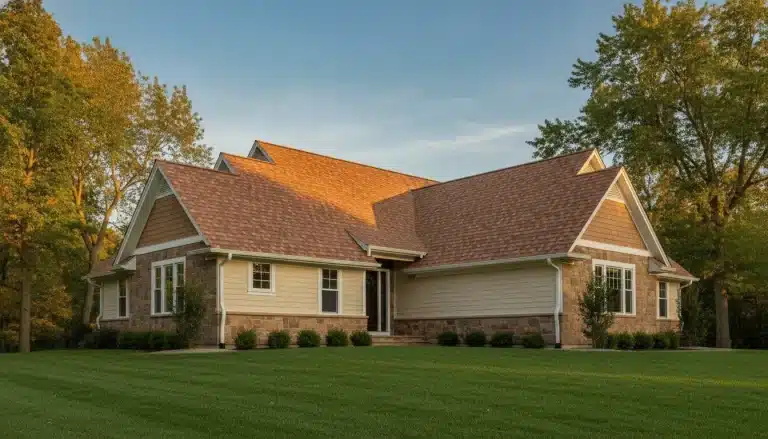
Your roof endures the brunt of solar heat, so its design directly influences attic temperatures and the load on your air conditioner. A cool roof reflects more sunlight and absorbs less heat than a standard roof. Light-colored asphalt shingles with reflective granules can lower peak attic temperatures by 20°F to 45°F.
In warm climates, this can slash annual cooling costs by 10% to 15%. Energy Star-rated roofing products are tested for solar reflectance and thermal emittance. If a full roof replacement isn’t on the horizon, apply a cool-roof coating over an existing low-slope roof.
Attic ventilation works hand in hand with roofing choices. A balanced system of soffit intake vents and ridge or gable exhaust vents expels built-up heat and moisture.
When embarking on a roofing upgrade, consult a professional who understands local climate demands and building code requirements. Homeowners searching for a trustworthy roofing contractor in Columbia or in your area can blend craftsmanship with energy-savvy material recommendations.
Your new roof delivers both durability and efficiency. Proper underlayment and ice-and-water shield in colder zones protect against winter ice dams.
3. Supercharge Attic and Wall Insulation
After air leaks are sealed, insulation becomes your home’s thermal blanket. Most older homes are under-insulated by modern standards. The attic is usually the easiest place to add insulation.
Boosting it to recommended R-values (often R-49 to R-60 in cold climates) can cut heating and cooling bills. Here are some materials to look into:
- Fiberglass
- Cellulose
- Batt insulation
- Spray foam
Cellulose, made from recycled paper treated with fire retardants, offers excellent coverage and soundproofing. Spray foam seals and insulates, ideal for irregular cavities. For walls, dense-pack cellulose or injection foam can be added to existing closed cavities without tearing out drywall.
Insulating basement walls and the rim joist keeps floors warmer and reduces moisture. An insulated foundation can save 10% to 20% on heating bills.
Prioritize the attic over unconditioned spaces. Always follow local building codes and maintain proper ventilation to prevent ice dams and moisture buildup.
4. Install Energy-Efficient Windows and Doors
Windows and exterior doors are responsible for roughly 25% to 30% of residential heating and cooling energy use. Replacing old single-pane or aluminum-frame windows with Energy Star-rated models can save $150-$500 per year. Look for low-E (low-emissivity) coatings that reflect infrared heat and transmit visible light.
Double-pane windows filled with argon or krypton gas minimize heat transfer. Triple-pane versions with thermally broken frames perform even better in extreme cold. A poorly flashed window can funnel moisture into the wall, negating performance gains.
If replacement isn’t in the budget, you can boost existing windows. For exterior doors, choose insulated fiberglass or steel models with a high R-value, and install a quality threshold and door sweep.
Sliding glass doors benefit from multi-pane glass and snug-fitting tracks. New windows and doors reduce noise, increase security, and elevate curb appeal.
5. Switch to LED Lighting
Lighting accounts for about 15% of an average home’s electricity consumption. Incandescent bulbs convert only 10% of energy into light. The rest becomes heat. Energy Star-certified LEDs use at least 75% less energy and last 15 to 25 times longer.
Replacing your home’s five most frequently used bulbs with LEDs can save $75 per year. Start with hard-to-reach fixtures and living-area lights that run for many hours a day. Modern LEDs offer a wide range of color temperatures. Warm white (2700K) mimics incandescents, while daylight (5000K) suits task lighting.
Dimmable options and smart bulbs let you fine-tune ambiance and set schedules. For outdoor security lighting, motion-sensor LEDs consume energy only when needed. Don’t forget holiday lights: LED string lights use up to 90% less power.
Because LEDs generate little heat, they also reduce cooling loads in summer. This simple, low-cost upgrade pays for itself in under a year.
6. Upgrade to a Smart Thermostat
Smart thermostats learn your schedule and adjust temperatures automatically, eliminating wasted energy when you’re asleep or away. The average heating savings are 8% and cooling savings are 10%, amounting to roughly $100-$150 per year.
Many models offer remote sensors that address hot or cold spots. Geofencing sets the system to energy-saving mode when your phone leaves the premises. Many utilities offer rebates of $50-$100, making the purchase nearly cost-neutral.
Installation is straightforward if your HVAC system uses a standard low-voltage control wire. Always turn off the power at the breaker first. After setup, create a schedule that drops the setpoint by 7°-10°F for eight hours a day.
It doesn’t take more energy to reheat a cold house than to maintain a constant temperature. Heat loss is proportional to the temperature difference between indoors and outdoors, so deeper setbacks always save energy.
7. Invest in High-Efficiency Appliances
Refrigerators, clothes washers, dishwashers, and dryers are now more efficient than they were two decades ago. An Energy Star refrigerator today uses less than half the electricity of a model from the early 2000s. When shopping, look for the yellow EnergyGuide label and compare annual operating costs.
Front-load washing machines cut water usage by roughly 50% and extract more moisture, reducing dryer time. Heat-pump dryers use 28% to 50% less energy than conventional electric dryers. Induction cooktops transfer heat directly to pans, boosting efficiency and safety.
Even small appliances matter. Energy-efficient dehumidifiers, ceiling fans, and pool pumps chip away at utility bills. When replacing appliances, recycle old units responsibly.
Many utilities offer pick-up rebates. Beyond the equipment, how you use it counts. Wash full loads of laundry in cold water, scrape dishes instead of pre-rinsing, and keep refrigerator coils clean and free of dust.
8. Harness Solar Power
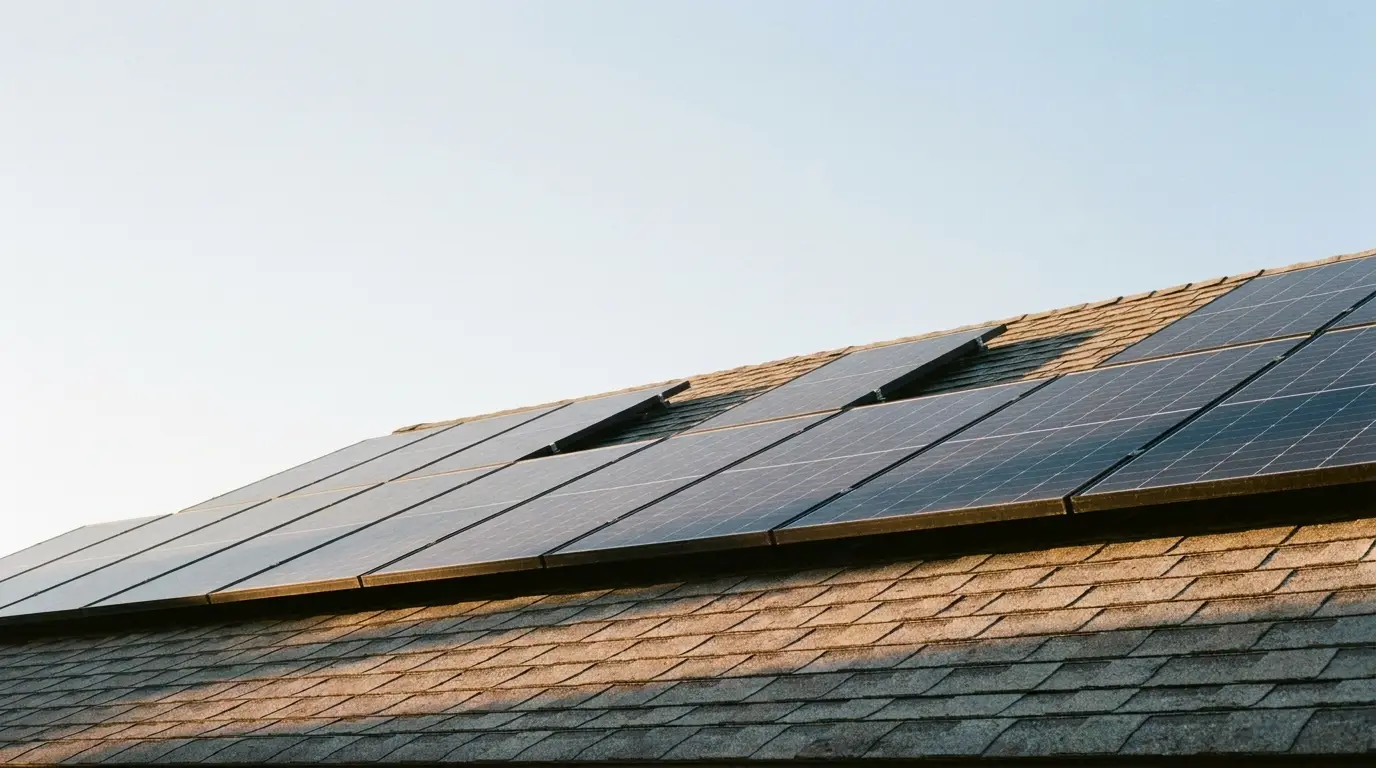
Solar photovoltaic (PV) panels convert sunlight into electricity, reducing or even eliminating your utility bill. System costs have dropped more than 70% in the last decade. Federal tax credits and state incentives make solar more accessible than ever.
Before installing panels, optimize your home’s energy consumption with efficiency upgrades. Every kilowatt-hour saved means a smaller, cheaper solar array. A south-facing roof with minimal shade at a pitch between 15 and 40 degrees is ideal.
If your roof isn’t suitable, ground-mounted systems or community solar subscriptions offer alternatives. Pair solar with battery storage to keep critical loads running during outages. Solar water heating is another avenue.
Evacuated tube or flat-plate collectors can supply 50% to 80% of a household’s hot water needs. When evaluating proposals, compare cost per watt, equipment warranties, and installer certifications. The typical payback period is 6 to 10 years, after which you enjoy decades of near-free electricity.
9. Upgrade and Maintain Your Heating and Cooling Systems
Heating and cooling represent the largest energy expense for most U.S. homes. If your furnace or air conditioner is over 15 years old, replacing it with a modern high-efficiency unit can cut consumption by 20% to 40%. Look for a furnace with an Annual Fuel Utilization Efficiency (AFUE) of 95% or higher.
Also, opt for a central air conditioner with a Seasonal Energy Efficiency Ratio (SEER) of at least 16. Heat pumps are an all-electric option that efficiently heat and cool. In moderate climates, air-source heat pumps excel.
Cold-climate models now perform well below zero. Ground-source (geothermal) heat pumps tap stable underground temperatures but carry higher upfront costs. Whatever system you choose, sizing matters.
Oversized equipment cycles on and off rapidly, wasting energy and failing to dehumidify. Don’t neglect maintenance.
Change air filters monthly, clean evaporator and condenser coils annually, and have ductwork inspected for leaks. Sealing and insulating ducts in unconditioned spaces can improve system efficiency by 20% or more.
10. Landscape Strategically for Energy Conservation
Thoughtful landscaping can reduce heating and cooling loads by 15% to 25%. Deciduous trees planted on the south and west sides of the house provide shade during summer. In winter, they drop leaves to allow solar heat gain.
A 6- to 8-foot deciduous tree begins shading windows within the first year. Mature trees can reduce afternoon indoor temperatures by up to 6°F.
Evergreen trees and shrubs planted on the north and northwest sides cut harsh winter winds and lower heating demand. Groundcover plants, shrubs, and vines next to walls cool the surrounding air through evapotranspiration. Trellis structures with climbing plants can shade patios and air conditioning condensers, boosting AC efficiency by up to 10% when the unit breathes cooler air.
Choose native, drought-tolerant species to minimize irrigation. Hardscape choices matter too. Light-colored pavement reflects heat and reduces the urban heat island effect around your home. A couple of well-placed trees and some foundation shrubs will pay comfort dividends for decades.
11. Adopt Smart Power Strips and Energy Monitoring
Many electronics consume power even when turned off. It’s a phenomenon known as phantom load or standby power. TVs, game consoles, and chargers can add 5% to 10% to an electric bill.
Advanced power strips eliminate this waste. They cut power to designated outlets when a master device is switched off or after a period of inactivity.
Smart plugs and whole-home energy monitors take efficiency a step further. Devices clamp onto your electrical panel and track real-time usage by circuit. The accompanying apps help you identify energy hogs, set alerts, and verify the impact of your improvements.
Knowledge is motivating. Households that actively track consumption save 5% to 15% simply through behavioral adjustments. Here’s what you can do:
- Unplug infrequently used gadgets
- Disable “quick start” features on TVs
- Use built-in power-management settings on computers
Combined with other measures, these low-effort habits produce a noticeable monthly drop.
12. Schedule a Professional Home Energy Audit
A professional home energy audit is the blueprint that ties all these improvements together. Certified auditors use tools to diagnose your home’s specific weaknesses. They evaluate insulation levels, air leakage rates, ductwork integrity, HVAC performance, lighting, appliances, and even indoor air quality.
The result is a prioritized list of recommended upgrades with estimated costs, savings, and payback periods. Many utility companies subsidize audits, offering them for $100 to $200. It’s a fraction of the long-term savings.
An audit is most valuable if you’re planning multiple improvements. It prevents spending money on issues that aren’t the primary source of energy loss. You might believe your windows are the problem when your attic has only three inches of insulation.
Once you follow an audit’s roadmap, you’ll maximize every dollar invested. They can transform your home into a truly high-performance building.
Your Path to a More Energy-Efficient Home
Energy efficiency is a journey. Start with cheap fixes like air sealing and LED bulbs. Move on to smart thermostats and improved insulation.
Bigger projects like cool roofs and solar panels deliver massive long-term gains. Each improvement makes your home more valuable and comfortable. You will watch your utility bills shrink.
Choose the projects that match your home and budget. Take them one at a time. Your future self will thank you for the smart, energy-efficient home you have built.
To learn more about similar topics, don’t forget to visit our website.