What is a Chalet? Architecture, Style & Features

You have seen those snow-covered wooden houses with massive sloping roofs and carved balconies. They look distinctly European and mountain-like. But what exactly makes a building a chalet?
Not every wooden mountain house qualifies. The word gets used loosely today for ski lodges, holiday rentals, and even seaside bungalows.
That blurs the line between what a chalet actually is and what just borrows the name.
This post answers that directly. You will get the history, the defining features, and a clear comparison between a chalet, a cabin, and a cottage.
By the end, you will know exactly what you are looking at the next time you see one.
What is a Chalet?
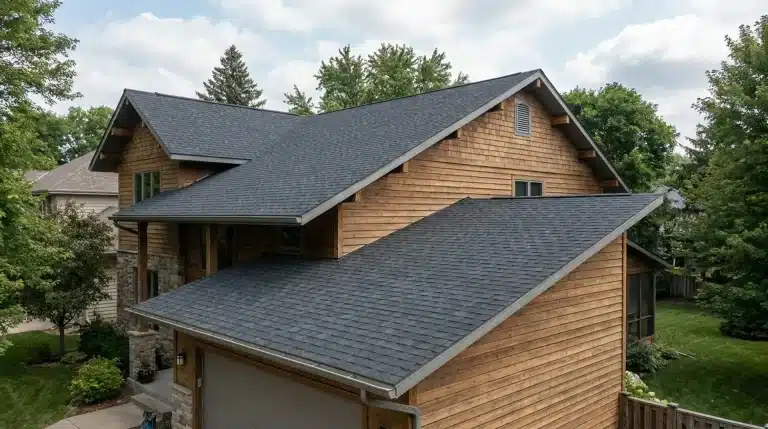
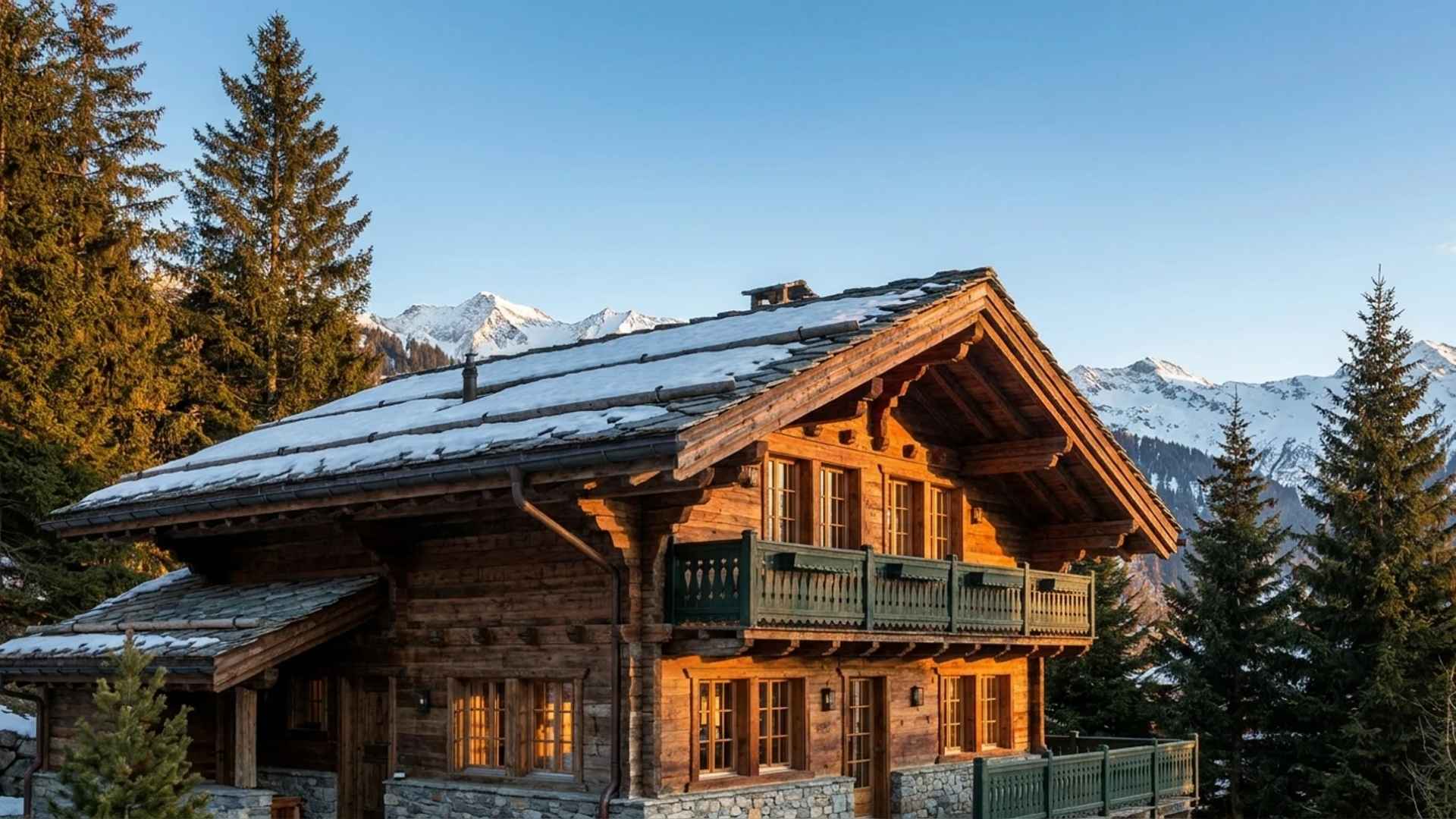
A chalet (pronounced sha-LAY) is a specific type of building that started in the Swiss Alps. It is built primarily from wood. It sits on a stone or masonry base. It has a steeply pitched roof with wide overhanging eaves.
The word “chalet” comes from Franco-Provençal, the language of Alpine Switzerland and parts of France.
It originally referred to a herder’s summer shelter. Over the centuries, that simple structure evolved into a recognized residential style tied to mountain life.
Today, “chalet” also describes ski resort lodges, vacation rentals, and mountain-style homes built well outside the Alps. The word travels far, but the design roots stay fixed.
|
Quick Definition Box A chalet is a wooden Alpine building with:
|
A Brief History of The Chalet
The chalet started as a working building with no pretension at all. Swiss mountain herders needed shelter during the summer months when they drove cattle up to high Alpine pastures.
These early structures were small and practical. Builders used what was nearby: timber from local forests and stone pulled from the hillside.
That practical logic shaped every design decision. The steep roof sheds snow. The stone base held firm on uneven ground.
The heavy timber frame kept the cold out. Form followed function, and that foundation held as the chalet moved through centuries of change.
Early Origins – Pre-1700s
Swiss mountain herders built simple shelters using local timber and stone.
↓
1700s–1800s: Tourism Begins
Wealthy Europeans discovered the Alps. Hotels and private homes adopted the chalet style, linking it to leisure, fresh air, and outdoor living.
↓
Early 1900s: Ski Culture Expansion
Ski resorts across France, Austria, and Switzerland built chalet-style lodges and homes, cementing the style’s connection to winter sports.
↓
20th Century: Rising Demand
Chalet-style properties gained popularity across Europe as tourism grew.
↓
Modern Era: Global Influence
The chalet style spread to North America, Scandinavia, and beyond. Today, it refers to both historic Swiss farmhouses and modern ski resort homes in places like Colorado.
Each shift changed who lived in chalets and why. But the building itself barely changed at all.
Although “chalet” has evolved, its design still reflects the practical Alpine shelters of early mountain herders, with steep roofs, wide eaves, and durable local materials.
Key Features of A Traditional Chalet
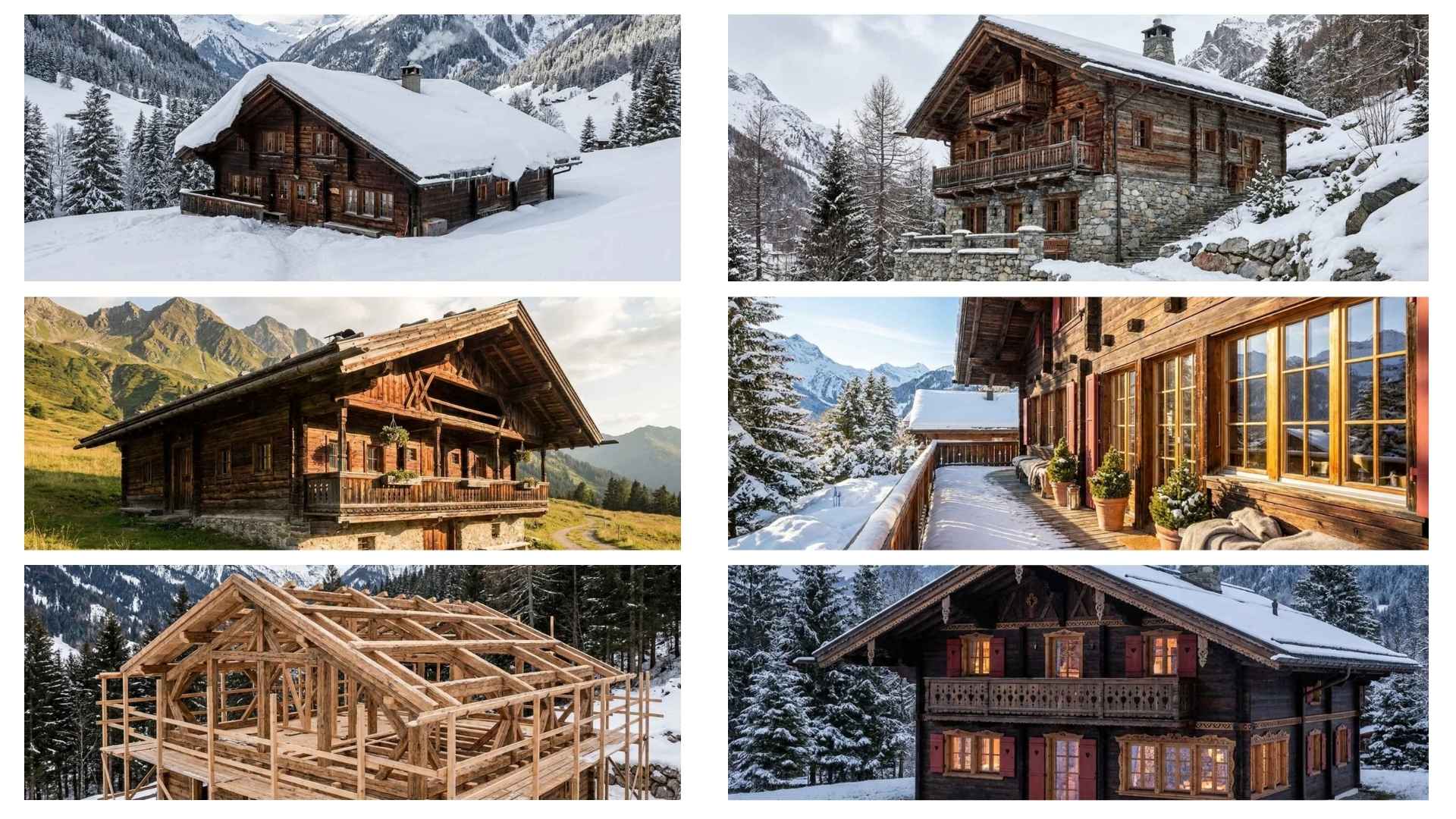
You can identify a chalet by its core design features. Each one has a practical reason. This is not decoration for decoration’s sake.
1. Steeply Pitched Roof
The roof slopes sharply on both sides. This design lets heavy Alpine snow slide off before it accumulates. A flatter roof in a high-snowfall area would crack or collapse under the load.
The pitch angle on most traditional chalets ranges from 45 to 60 degrees, steep enough to clear snow quickly yet shallow enough to remain structurally sound.
2. Wide Overhanging Eaves
The roof extends well beyond the walls on all sides. This overhang shields the walls, windows, and balcony from rain and snow. It also creates shaded outdoor space during the summer months.
In many traditional chalets, the eave overhang stretches up to six feet out from the wall, far enough to keep firewood stacked outside completely dry through winter.
3. Heavy Timber Frame Construction
The walls and primary structure of the chalet are built with large timber beams. Wood was historically the most available material in forested Alpine areas. It also insulates well in cold mountain climates.
Builders typically used slow-grown mountain spruce or fir, which is denser and more durable than lowland timber varieties.
4. Stone Foundation and Lower Walls
The base of a chalet is typically stone or masonry. Stone resists moisture from the ground. It also provides a stable base on the uneven terrain of a mountain slope.
In many older chalets, the stone lower level served as animal housing during winter, with the living quarters built above; the livestock’s body heat rising through the floor helped warm the home.
5. South-Facing Balcony
Traditional chalets have a wide balcony on the south-facing side. This captures maximum daylight. In mountain climates where winters are long and cold, sun exposure is a real daily benefit.
The balcony also served a working purpose; farmers used it to dry hay, store tools, and air out heavy winter clothing between uses.
6. Decorative Carved Woodwork
Carved railings, painted shutters, and detailed window frames are standard. This craftsmanship is not purely visual. It reflects a long tradition of Alpine woodworking passed down through generations of mountain builders.
During the long winter months when outdoor farm work stopped, carving and decorating became a productive way to use time, which is why the detailing on older chalets is so considered and thorough.
add pro tip
Types of Chalets
Not all chalets look the same. The style has evolved across regions and uses. Here are the five main types you will come across.
1. Traditional Swiss Chalet

This is the original form. It is found in Switzerland, Austria, and the French Alps. Built entirely from local timber with hand-carved details.
Many are family homes passed down across generations. These are the buildings that defined the style.
2. Ski Chalet

A ski chalet is a vacation property close to a ski resort. It may not follow every traditional design rule, but it uses wood, stone, and Alpine styling.
Many ski chalets are rented out during winter. High-end versions include private staff, saunas, and ski-in, ski-out access.
3. Mountain Chalet
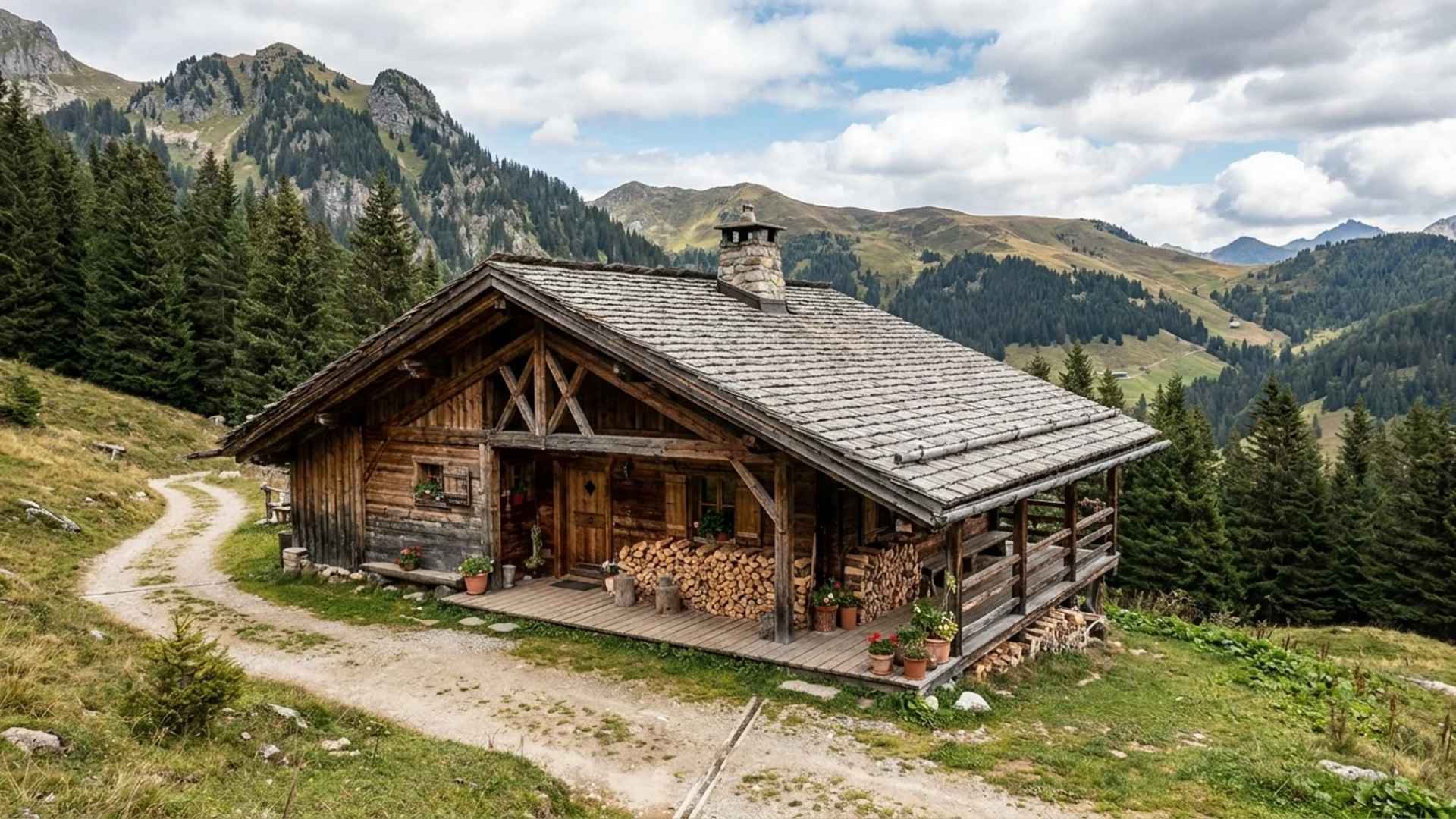
This is a broader term. Any mountain home built in the Alpine style can carry this label. Mountain chalets appear in the Rocky Mountains, the Pyrenees, and Scandinavia.
They adapt the Swiss form to local materials and climate conditions.
4. Modern Chalet

Modern chalets keep the core elements: wood, stone, and a steep roof. The interior gets updated. Large glass panels replace small windows.
Open floor plans replace closed, compartmentalized rooms. These properties combine traditional form with current comfort standards.
5. Chalet-Style Home

These are homes built in suburban or rural areas outside Alpine regions. They use the visual language of Alpine architecture: steep roof, timber siding, and decorative details. They are not in the mountains, but they carry the look.
Chalet vs. Cabin vs. Cottage: The Real Differences
what is cabin?
khewbohweiojio
what is cottage
kbwqw
woqhuhqo:
| Feature | Chalet | Cabin | Cottage |
|---|---|---|---|
| Origin | Swiss Alps | North American forests | British countryside |
| Primary material | Wood and stone | Log or rough-cut timber | Stone, brick, or plaster |
| Roof style | Steep with a wide overhang | Variable | Low or gently pitched |
| Typical use | Mountain home or vacation rental | Hunting lodge, outdoor retreat | Rural holiday home or residence |
| Decorative detail | High (carved wood, painted shutters) | Low | Moderate |
| Size | Medium to large | Small to medium | Small |
The key difference lies in origin and design intent. Chalets were built to survive harsh Alpine winters while looking polished.
Cabins were built for basic outdoor shelter. Cottages were built for rural charm and comfort at a smaller scale.
Common Interior Features in a Chalet
Step inside a chalet and the material palette is immediately clear: wood, stone, and warmth. Nothing else is competing for attention.
- A stone or brick fireplace is the room’s central element.
- Wood-paneled walls and ceilings throughout the living areas.
- Heavy timber beams running across the ceiling.
- Small, deep-set windows with wooden frames (in older versions).
- Built-in wooden furniture and storage.
- Warm textiles: thick rugs, wool throws, and heavy curtains.
Modern chalet interiors open up the space. Floor-to-ceiling glass panels face the mountain view. Kitchens become open-plan and connected to the living area.
The fireplace stays central. Wood and stone still define the material palette throughout.
Pro Tip: The most coherent chalet interiors stick to a maximum of three materials throughout: wood, stone, and one metal accent, usually iron or brushed steel. Going beyond that makes the space feel busy and visually inconsistent.
Where Can You Find Authentic, Chalet-Style Properties?
- Switzerland: Zermatt, Verbier, and Gstaad are home to the most authentic examples in the world.
- France: Chamonix, Méribel, and Val d’Isère are major ski-chalet markets with strong rental demand.
- Austria: Kitzbühel and St. Anton maintain a strong tradition of original Alpine building.
- USA and Canada: Aspen, Whistler, and Park City feature chalet-style ski resort properties built for the North American market.
- Scandinavia: Mountain chalets are common in Norway and Sweden, adapted with a Nordic design influence.
One important note: outside the Alps, the word “chalet” gets used loosely. In the UK, a “chalet” can mean a small holiday bungalow at the seaside.
In South Africa, it can refer to a basic resort cabin. The architecture in those cases bears little resemblance to the original Alpine form. The word travels; the design does not always follow.
Is a Chalet a Good Property to Buy?
Many buyers look at chalets as vacation rentals or second homes. Here are the most important practical points to think through.
1. Rental Income Potential: Ski chalets in popular resorts generate high rental income during winter seasons. Properties that also draw summer visitors, through hiking, cycling, or mountain activities, are far more financially reliable than those dependent on snow alone. A dual-season property significantly changes the income model.
2. Maintenance Costs: Wood requires regular upkeep. Roof maintenance is critical, especially in high-snowfall areas. Freeze-thaw cycles and heavy snow loads affect the structure over time. Budget for higher ongoing costs compared to a standard suburban home.
3. Resale Value: Chalet properties in well-known ski resorts tend to hold their value well over time. Properties in smaller or less-visited areas can be harder to sell. Location quality matters more with chalets than with most other property types.
What to Check Before You Buy a Chalet?
- Age and structural condition of the timber frame.
- Insulation quality (older chalets are often poorly insulated and expensive to heat).
- Distance to ski lifts or summer activity hubs.
- Local short-term rental regulations, which vary by country and region.
- Co-ownership or management rules are particularly common in French Alpine resort areas.
Conclusion
A chalet is more than a mountain holiday house. It is a specific type of Alpine building with roots in Swiss pastoral life. The steep roof, wide overhanging eaves, timber frame, stone base, and hand-carved balcony are what define it.
Those elements, used together, make a building a true chalet. When you see all those features together on one building, you know exactly what you are looking at.
Knowing the difference helps you ask sharper questions when booking a rental, spot an authentic property versus a style imitation, and make a better-informed decision if you ever plan to buy.
Found this useful? Drop your questions or feedback in the comments. We would love to hear from you.
Frequently Asked Questions
What Qualifies as A Chalet?
A chalet is a wooden house or cottage with a sloping roof, typically found in mountainous areas and used as a vacation home. Originating as humble herders’ homes, chalets have become icons of traditional ski culture and modern luxury.
What Is the Difference Between a House and A Chalet?
Chalets tend to be smaller than houses. They are designed to be compact and efficient, often with open floor plans to maximize space.
How Do Chalets Handle Snow?
Traditional chalets are made of wood, with sloping roofs to prevent snow from accumulating. Modern chalets might incorporate stone, glass, and contemporary design elements while maintaining the cozy alpine feel.