Patio Design Ideas: Build an Outdoor Space You’ll Actually Use

Your backyard has square footage you’re probably not using to its full potential. A patio changes that.
It gives you somewhere to cook dinner outside on a Tuesday, read in fresh air, or let your kids run around while you watch from a comfortable chair.
The best patios aren’t showpieces. They’re rooms without walls that earn their place in your daily routine.
Whether you’re starting from bare dirt or rethinking a worn-out slab, this guide helps you plan a patio that fits your lifestyle and budget.
It covers patio styles, material options, estimated costs, climate considerations, current trends, and maintenance tips to help you make informed decisions.
What Patio Style Fits Your Lifestyle Best?
Every patio should start with a simple question: What will you actually do out here? The answer shapes everything from size to surface material.
1. Dining and Entertaining Patios

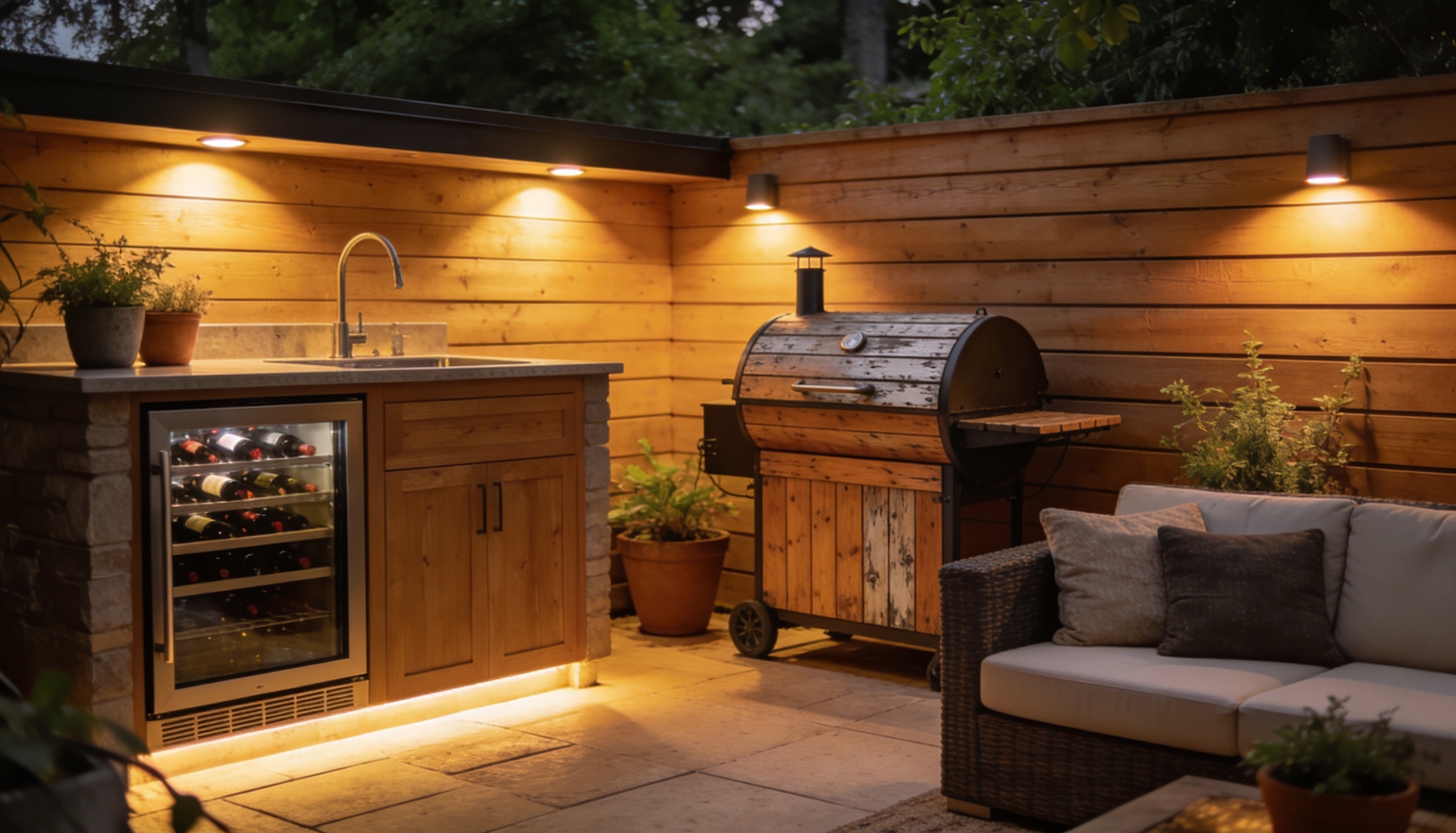
Plan around a cooking zone and a table big enough for the crowd you typically host. Homeowners are adding pizza ovens, built-in smokers, and wine fridges to outdoor kitchens.
Leave at least 3 feet of clearance around furniture, and plan lighting early so you don’t have to string extension cords later.
2. Relaxation and Wellness Patios
Not every patio needs to host a party. Deep lounge seating, a small water feature for ambient sound, and afternoon shade can make a quiet retreat.
Wellness-focused spaces are growing in popularity, with homeowners adding meditation corners, yoga platforms, and cold plunge pools next to their patios.
3. Family-Friendly Patios

When kids and pets are part of the equation, durability and safety come first. Softer surfaces, such as rubber pavers or composite decking, work well in play areas.
Keep sightlines clear so you can watch children from wherever you’re sitting, and choose furniture that won’t tip over when children climb on it.
4. Small Space and Urban Patios

A small footprint doesn’t mean a folding chair and a potted plant. Vertical gardening, fold-down tables, and built-in bench seating with hidden storage can make a 50-square-foot balcony feel livable.
Lighter-colored materials open tight spaces visually.
5. Multi-Level and Zone-Defined Patios
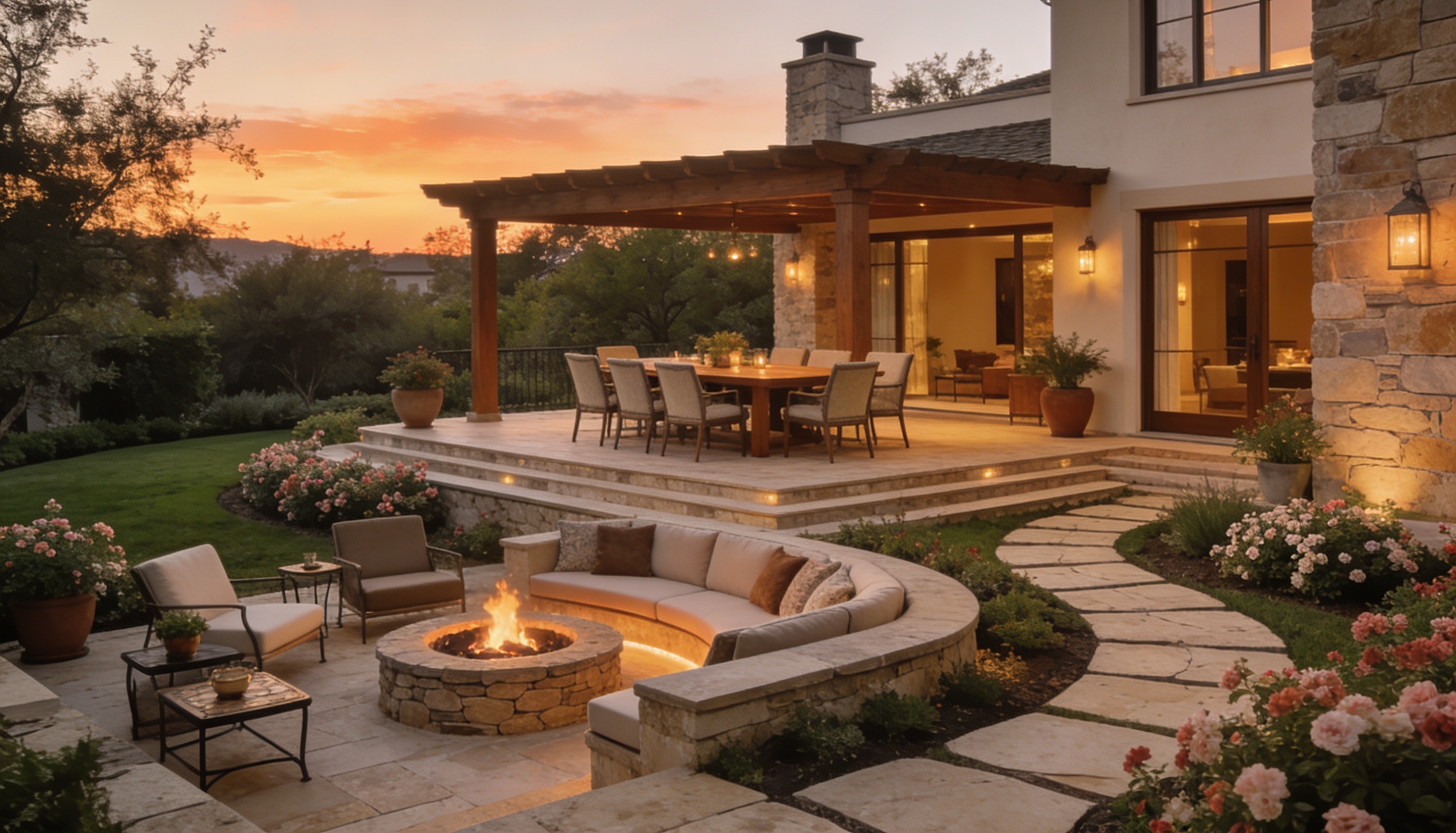
Separating your patio into zones creates structure without walls. A raised dining platform, a sunken fire pit area, and a ground-level lounge can share one backyard.
Planters, material changes, or a single step between areas signal where one zone ends and the next begins.
Which Patio Materials Will Hold Up and Look Great?
Materials drive your budget, maintenance load, and overall look. Here’s how the most common options stack up.
1. Pavers vs. Concrete

A basic concrete slab runs about $8 to $18 per square foot installed; stamped or colored concrete pushes that to $22 or more.
Concrete pavers cost more ($15 to $30 per square foot) but let you swap individual pieces if one cracks. Pavers also handle ground shifting better than poured slabs in freeze-thaw climates.
2. Natural Stone vs. Porcelain Tiles

Natural stone (flagstone, bluestone, limestone) is the most expensive option at $25 to $55 per square foot installed, but each piece is unique.
Porcelain tiles give a similar clean look for less money and are easier to maintain, though they can feel slippery when wet unless you pick a textured finish.
3. Gravel, Brick, and Decking Options
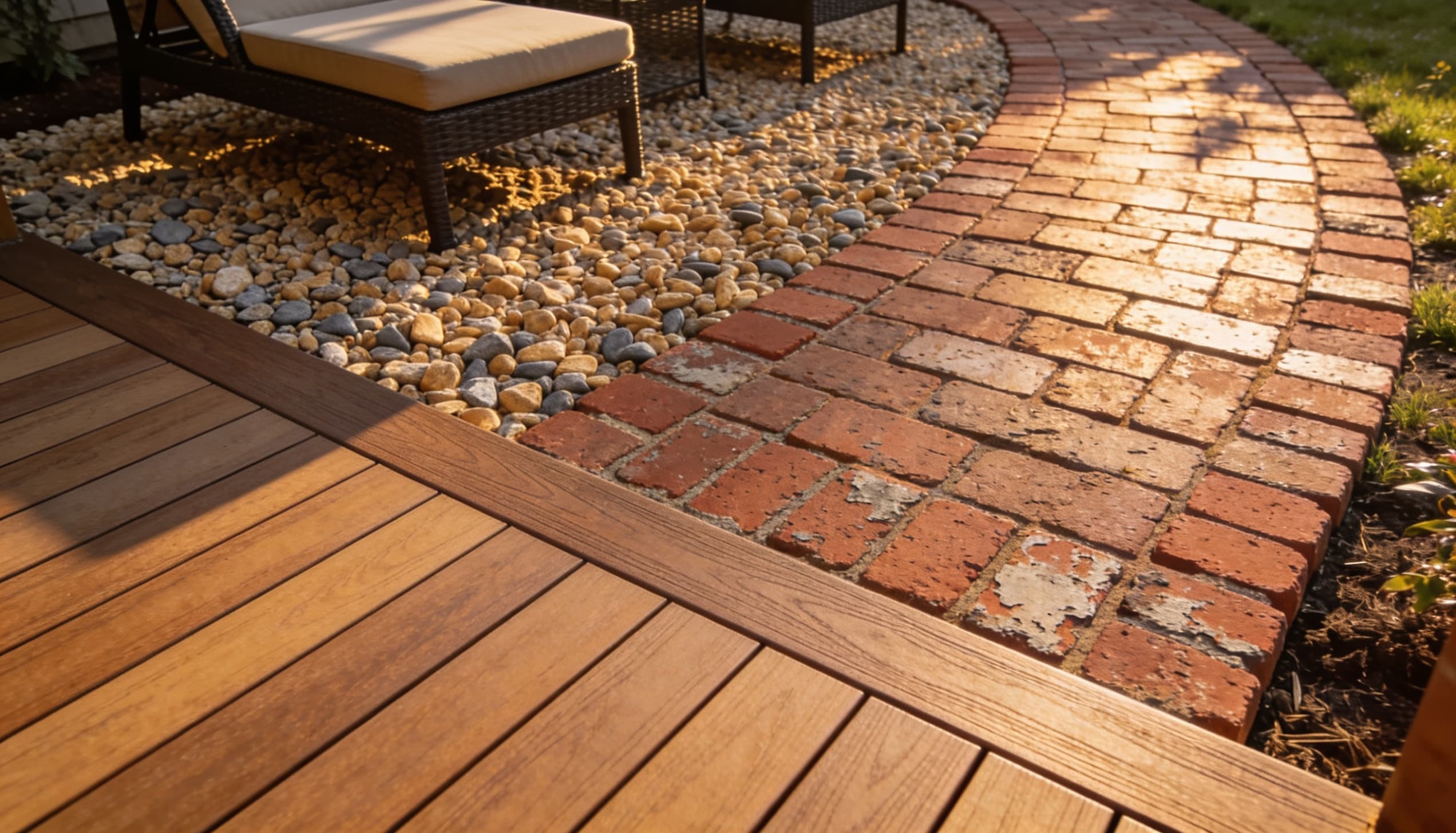
Gravel is the budget pick at $3 to $6 per square foot with excellent drainage. It’s not great for dining areas (chair legs sink), but it works for pathways and lounge zones.
Brick pavers ($20 to $26 per square foot) offer a classic look. Composite decking gives you the look of wood without the annual staining.
4. Sustainable and Low-Maintenance Materials
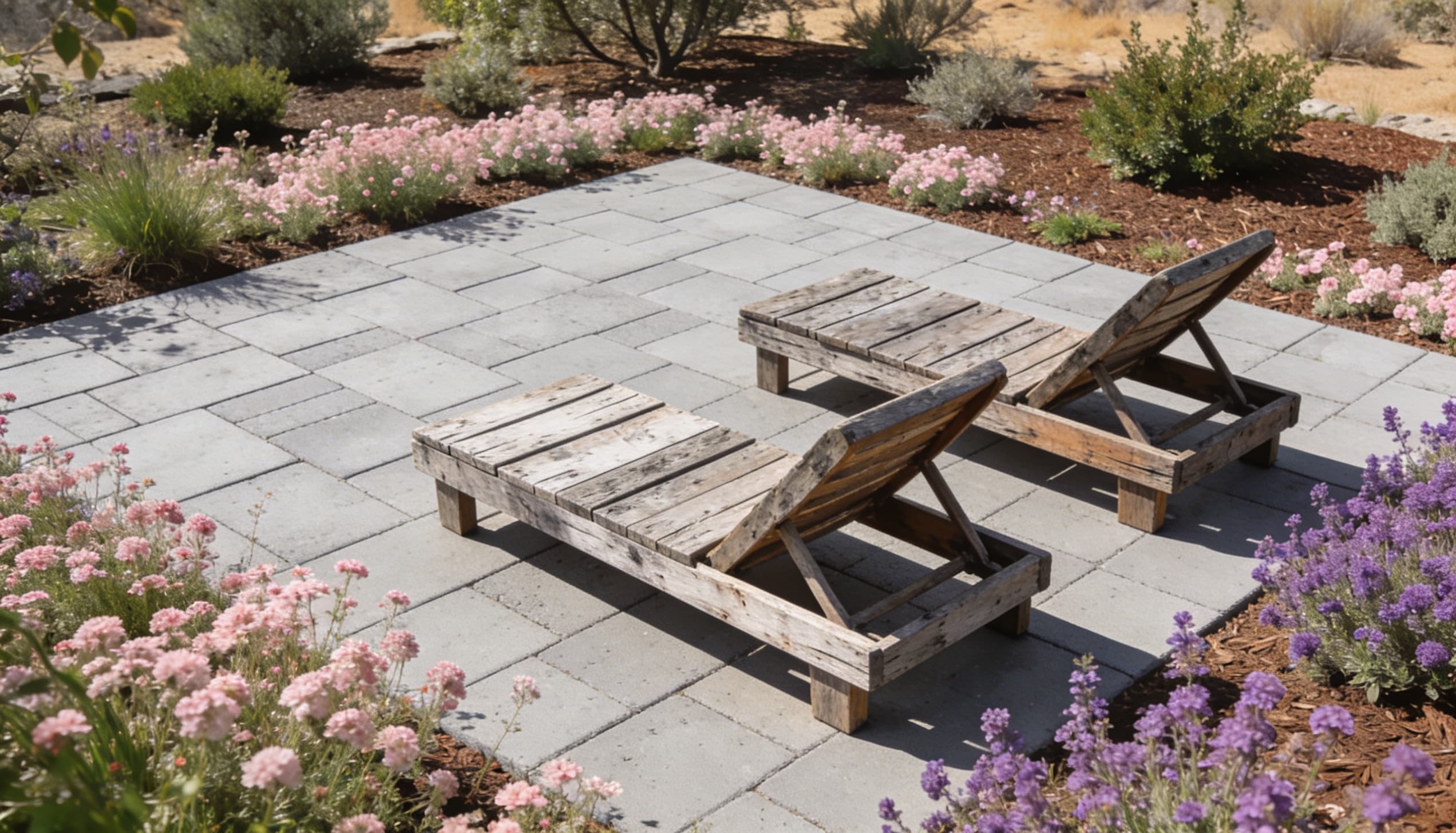
Recycled composites, permeable pavers, and reclaimed wood are gaining traction for their durability and low upkeep.
Permeable pavers also reduce runoff and may satisfy local stormwater rules. Reclaimed teak and cedar are in high demand for 2026 projects.
How Do You Plan a Patio for Maximum Comfort?
Good design starts before you pick a single tile.
1. Site Assessment and Measurements
Walk your yard at different times of day. Note where the sun hits hardest, where water pools after rain, and how foot traffic flows from your back door.
A patio too far from the kitchen means you’ll skip outdoor meals; one too close to a neighbor’s fence won’t feel private.
2. Drainage, Sunlight, and Shade
Grade the surface away from your foundation (a 1% to 2% slope is standard) and consider a French drain if your yard stays wet.
A pergola or retractable awning lets you control sun exposure without committing to a permanent roof.
3. Furniture, Lighting, and Power
Plan electrical access during the build, not after. Running conduit under a finished patio is expensive. Budget for at least two weatherproof outlets and low-voltage landscape lighting.
Measure your space before buying furniture; an oversized sectional can swallow a small patio.
4. DIY or Hiring a Professional
Simple gravel or paver-on-sand patios are reasonable DIY projects, typically taking two to four weekends.
Concrete pouring, electrical work, or serious grading is worth hiring out. DIY saves $4 to $18 per square foot in labor, but foundation mistakes cost more to fix than the original job.
What Patio Design Works Best for Your Climate?
Your region’s weather should shape materials, layout, and maintenance choices.
1. Northeast and Midwest
Freeze-thaw cycles crack rigid surfaces. Pavers on compacted gravel flex better than poured concrete.
Plan for snow removal and avoid polished surfaces that ice over.
2. Southeast
Humidity, rain, and sun are the trio to manage. Shaded or covered patios keep surfaces walkable and furniture from fading.
Porcelain and composite decking resist mold better than natural wood. Keep airflow open.
3. Southwest and Desert
Light-colored pavers reflect heat; dark stone gets painfully hot in direct sun.
Shade structures are non-negotiable. Pair your patio with drought-tolerant plantings, such as succulents and native grasses.
4. Urban and Small Lot Solutions
Rooftop patios and vertical elements (trellises, living walls) let you build upward.
Check weight limits before bringing up stone pavers. Lightweight composites and container gardens are safer choices.
What Are the Biggest Patio Trends?
Outdoor living keeps evolving. Here’s where things are heading this year.
1. Curved and Flowing Seating Arrangements
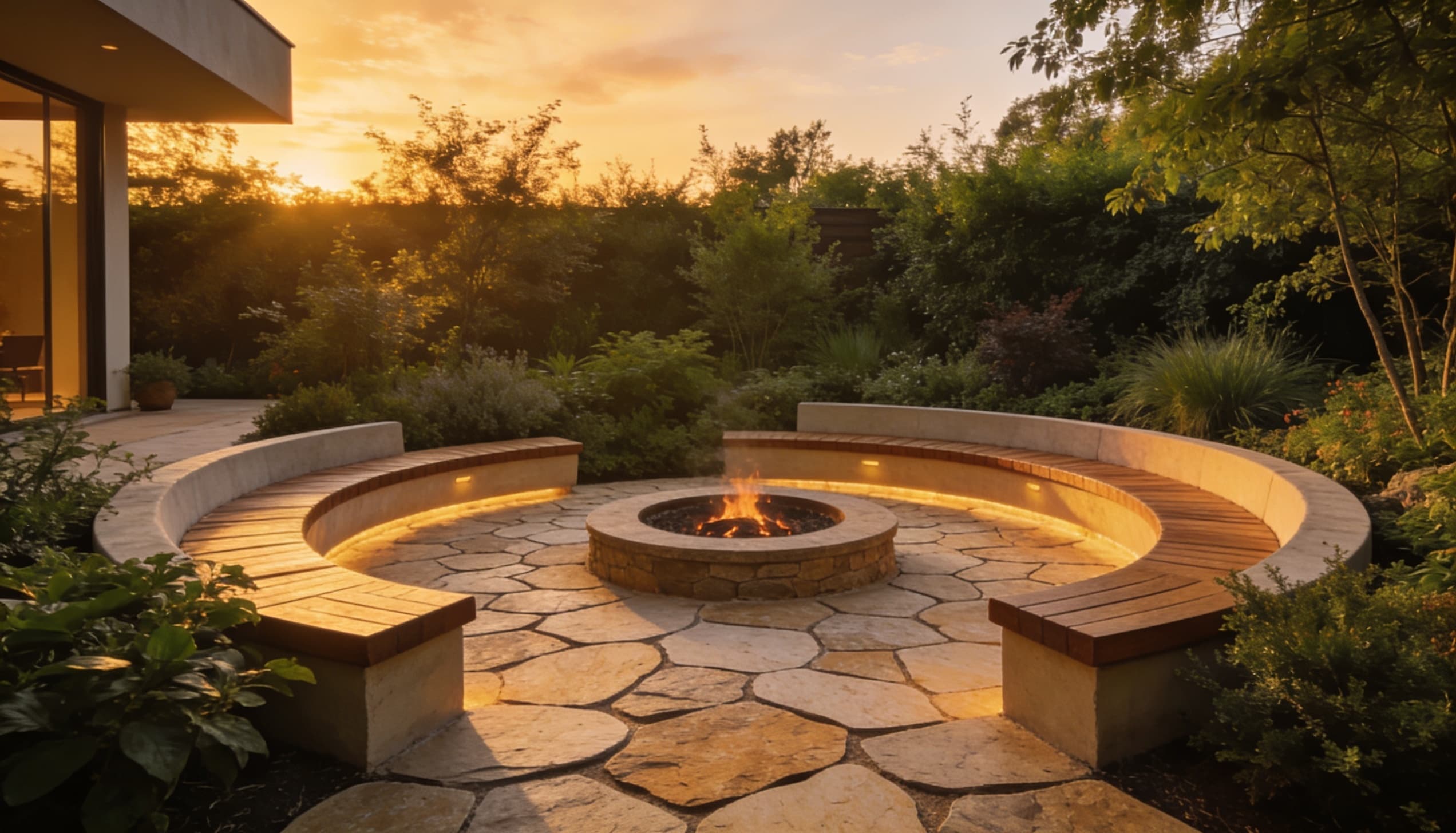
Straight lines are giving way to curved benches, circular fire pit seating, and organic footprints.
Rounded layouts encourage conversation and feel more like a living room than a waiting room.
2. Indoor-Outdoor Fusion

Homeowners are matching patio flooring to interior tile, adding weather-resistant rugs, and installing folding glass doors that open walls to the yard.
Rattan furniture searches are up 64% year over year, and outdoor rug interest has climbed 10%.
3. Privacy and Shade Features
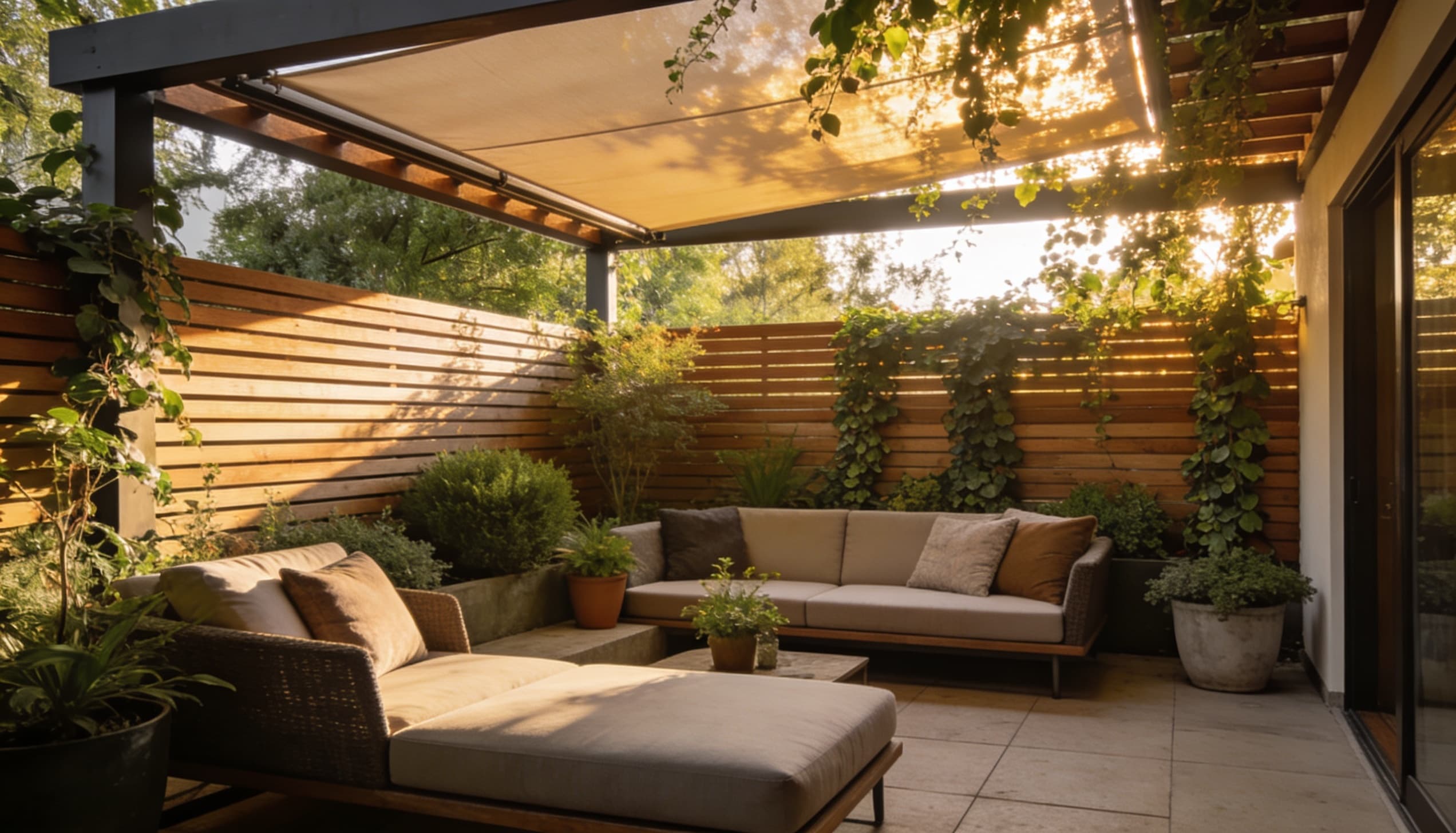
Decorative screens, horizontal slat fencing, pergolas with retractable canopies, and layered greenery create seclusion without boxing you in.
Slatted roofs filter light while keeping the space bright.
4. Multi-Purpose Features

Fire pits that double as coffee tables, benches with hidden storage, and water features that serve as planters.
Gas fire pits lead the way because they ignite fast and work on decks and patios alike.
How Much Should You Budget for a Patio?
Cost swings based on materials, size, and labor.
Cost Estimates by Material
Gravel starts at $3 to $6 per square foot. Poured concrete runs $8 to $22 per square foot. Concrete pavers cost $15 to $30. Natural stone tops out at $25 to $55.
Most homeowners spend between $2,000 and $6,500 for a standard project, though large or high-end builds push past $16,000.
ROI and Home Value
A patio typically returns 50% to 80% of its cost in added home value.
Outdoor living space ranks among the top features buyers look for, making your patio an investment that pays back at resale.
Cost-Saving Tips
Phase your project: start with the surface and basic seating, then add a fire pit or pergola in later seasons. Use gravel or concrete for large areas and save premium materials for accent zones.
Get at least three contractor quotes before committing.
What Patio Mistakes Do Most Homeowners Regret?
1. Ignoring Drainage and Shade
Water pooling against your foundation causes structural damage. A shadeless patio becomes unusable in warm climates. Address both during planning.
2. Oversizing or Undersizing the Space
Too big looks awkward and wastes money. Too small feels cramped the first time you have guests. Measure your furniture footprint, add walking room, and size from there.
3. Choosing Materials Wrong for Your Region
Limestone dissolves in acidic rain. Smooth slate turns slippery in wet climates. Match materials to your weather, not just to a photo you liked online.
4. Poor Layout Affecting Flow
If guests walk through the cooking area to reach the table, the layout needs work. Good flow means people move through the space naturally without bottlenecks.
How Do You Keep Your Patio Looking Good?
Consistent, light maintenance beats an annual panic.
Seasonal Cleaning and Care
Sweep pavers monthly. Power wash concrete once or twice a year, but go easy on natural stone.
Treat wood and composite surfaces with the manufacturer’s recommended cleaner each spring.
Weather Protection
Store cushions during winter or long rainy stretches. Seal natural stone and concrete every two to three years.
In cold climates, clear snow before ice expands in paver joints.
Long-Term Adjustments
Kids grow up, habits change, and furniture wears out. Modular pieces let you rearrange.
Update cushions and lighting every few years to keep the space fresh without a full rebuild.
Conclusion
A good patio doesn’t need to be expensive or complicated. It needs to fit your life. Start with function: what you’ll use the space for, how many people you’ll host, and what your climate demands.
Pick materials that balance your budget with your willingness to maintain them.
Borrow from trends where they match your taste, but skip anything that doesn’t suit your routine.
The best outdoor spaces feel like a natural part of your home, adding enjoyment to ordinary days and real value to your property. Plan well and build something you’ll use for years.