The Hidden Health Benefits of a Well-Maintained AC

Here at A Little Delightful, we talk a lot about making your home look beautiful. But what about making it feel beautiful, too? The truth is, the invisible stuff matters just as much as the throw pillows.
We’re talking about the air you breathe, the humidity levels in your rooms, and the temperature that keeps everything in balance. Most people spend roughly 90% of their time indoors, where pollutant concentrations are two to five times higher than what’s floating around outside. That’s a staggering number. Volatile organic compounds, pet dander, and fine particulate matter all get trapped inside without proper mechanical help. So if you’re serious about creating a space that’s both gorgeous and genuinely healthy, your cooling system’s upkeep deserves a spot near the top of your priority list.
A properly maintained system filters out harmful contaminants while keeping the atmospheric conditions right for preserving your expensive finishes. Think of it as the invisible backbone of a truly comfortable home.
What “Healthy Home” Actually Means in 2026
The definition of a healthy home has moved way beyond “tidy countertops.” We’re now in the era of comprehensive environmental control, and the science backs it up. The World Health Organization reports that long-term exposure to indoor air pollution leads directly to serious cardiovascular and respiratory diseases. And medical experts now say that superior indoor air quality significantly improves cognitive function and sleep quality.
The stakes get even higher when you’re dealing with chronic conditions triggered by biological contaminants. Poor indoor air quality frequently causes or worsens severe lung diseases, including asthma and lung cancer. In the U.S. alone, 21% of all asthma cases are tied directly to dampness and mold exposure inside homes.
Sound alarming? There’s a silver lining. A Texas study of 1,600 adults found that improving household ventilation is one of the most effective ways to prevent dangerous asthma flare-ups. Governments are paying attention, too. Nations like China are tightening national air quality standards between 2026 and 2030 to align with WHO guidelines.
It’s Not Just About Dusting
Surface-level cleaning doesn’t cut it for long-term respiratory health. Your indoor air can easily become more polluted than what’s outside, thanks to bacteria and mold spores circulating through neglected HVAC systems. Modern HVAC setups now feature advanced filtration that captures fine particles, pollen, and microscopic allergens before they spread through your rooms.
But here’s the thing: you don’t necessarily need to buy a bunch of expensive gadgets first. Experts advise that reducing pollution sources and eliminating unnecessary dampness should come before investing in standalone devices. Running exhaust fans in kitchens and bathrooms can quickly remove cooking fumes and cut down on moisture.
Even simple daily habits can make a measurable difference.”Burping” your house with a quick burst of fresh air flushes out trapped pollutants. Takes about five minutes. Costs nothing.
How Your AC Protects High-End Decor (Yes, Really)
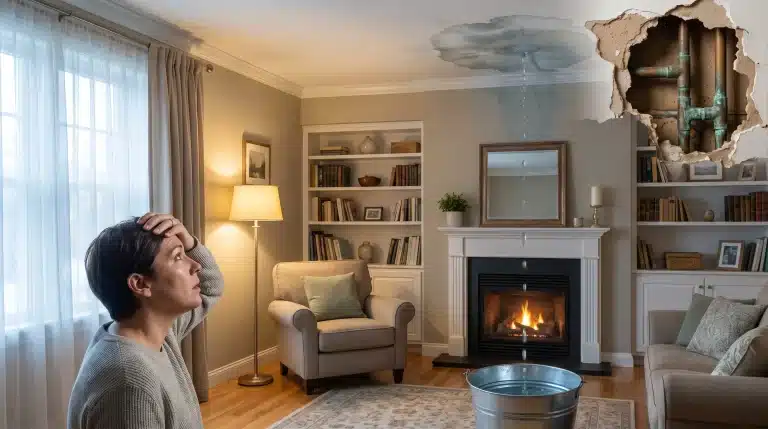
If you’ve invested in hardwood floors, original artwork, or custom fabrics, your cooling system is quietly working to protect all of it. Uncontrolled humidity is the number-one enemy of premium interior elements. Excess moisture warps natural wood grains, degrades canvas fibers, and breeds musty odors in upholstery you paid a small fortune for.
The 2026 Home Builder Awards highlight a growing trend of connecting indoor living spaces to the outdoors to boost mood and lower stress. That’s a wonderful design move. But introducing exterior air means you need a robust, well-maintained system to handle the incoming humidity and temperature swings.
The EPA recommends keeping indoor humidity between 30% and 50% to prevent mold growth. That’s a tight window, and a neglected cooling system can blow right past it. Regular maintenance (cleaning the evaporator coil and drain pan, specifically) stops mold and mildew before they take hold.
What happens when you skip all of that? Hardwood floors buckle. Luxury fabrics absorb permanent musty odors. And dirty filters actually enrich dust mite allergens over time, making regular replacement non-negotiable if you want to keep your interiors pristine.
|
System Status |
Humidity Control |
Airborne Allergens |
Decor Lifespan |
Energy Efficiency
|
|---|---|---|---|---|
|
Maintained AC |
Stays within 30%-50%, preventing mold |
Filters capture 99% of dust mites and PM2.5 |
Preserves flooring, art, and fabrics |
Up to 15% more efficient, lowering bills |
|
Neglected AC |
Fluctuates wildly, allowing dampness and mildew |
Circulates stale air, pollen, and pet dander |
Exposes finishes to moisture damage and odors |
Overworks the unit, risking costly breakdowns |
Practical Steps for Better HVAC Performance
Public and commercial spaces are already adapting to higher health standards. Restaurants and lounges face stricter 2026 indoor air quality regulations that mandate higher minimum air changes per hour. So what does all this mean for your home? It means the bar is rising, and residential properties shouldn’t lag behind.
While emerging tech like smart building sensors is still in development, routine professional service remains the most reliable defense available to you right now. Standalone purifiers help too; intelligent models have won the 2026 Good Housekeeping Cleaning Awards for capturing 99.97% of particles as small as 0.1 microns. But your home’s central cooling system is what ultimately dictates overall air quality and humidity.
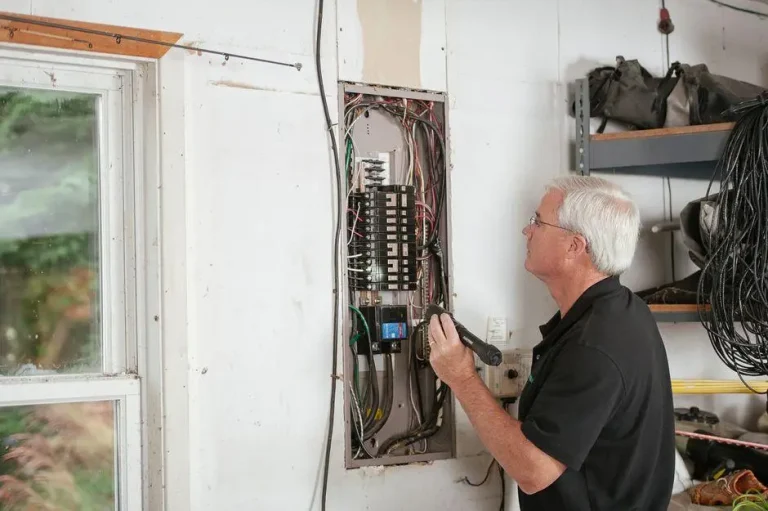
For homeowners in the Ottawa region, securing professional AC maintenance Ottawa means receiving a detailed 26-point inspection of wiring, airflow patterns, refrigerant lines, and electrical components. Technicians measure electrical flow, test capacitors, and lubricate moving parts so the system runs at peak efficiency. It’s the kind of methodical oversight that prevents humidity damage and keeps your air quality from quietly falling apart.
Your 2026 Home Wellness Checklist
Not sure where to start? Here are four steps you can act on today:
- Book a 26-point inspection. Have certified technicians clean evaporator coils, test electrical components, and check refrigerant lines before summer hits.
- Monitor your humidity daily. Use a smart thermostat to keep indoor moisture within the EPA’s recommended 30% to 50% range.
- Use exhaust fans strategically. Run them in kitchens and bathrooms to pull out cooking fumes and steam right away.
- Upgrade your filters quarterly. Swap standard filters for high-efficiency alternatives to stop dust mite allergen buildup.
Protecting Your Home’s Long-Term Value
A truly beautiful living space relies on the purity of its environment just as much as its design. You wouldn’t skip maintenance on a luxury car, right? Your home’s climate control system deserves the same respect as your premium architectural finishes.
Consistent HVAC upkeep shields hardwood floors from warping, protects artwork from moisture damage, and guards your family from chronic respiratory issues. It’s the kind of behind-the-scenes work that transforms a standard house into a genuine wellness sanctuary.
So if you haven’t reviewed your climate control setup lately, now’s the time. Schedule professional maintenance, align with the evolving 2026 wellness standards we’ve covered here on A Little Delightful, and give your home the invisible upgrade it deserves.
Disclaimer: The information in this article is for educational purposes only and should not be considered financial, medical, or home inspection advice. Please consult with a qualified HVAC professional or health expert before making significant decisions about your home’s infrastructure.