5 Situations When a Sewer Video Inspection Isn’t Optional – It’s Urgent

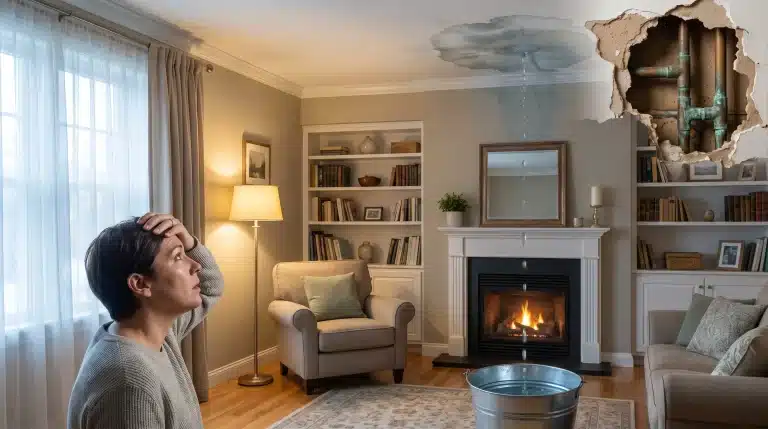
Your home can look absolutely perfect on the surface while something quietly destructive is happening six feet underground. Sewer lines don’t send obvious distress signals – they deteriorate gradually, and by the time symptoms appear indoors, the damage is already significant.
A sewer video inspection solves this by giving you a real-time view inside the pipe. A waterproof camera feeds footage to a monitor above ground, showing exactly what’s happening: cracks, root intrusion, grease buildup, joint offsets, or full collapses. The whole process typically takes under two hours and saves homeowners from guessing.
Most of the time, scheduling one is simply smart maintenance. In the five situations below, though, it crosses into urgent territory – the kind where waiting even a few weeks could turn a manageable repair into a major project.
1. Your Home Was Built Before 1980
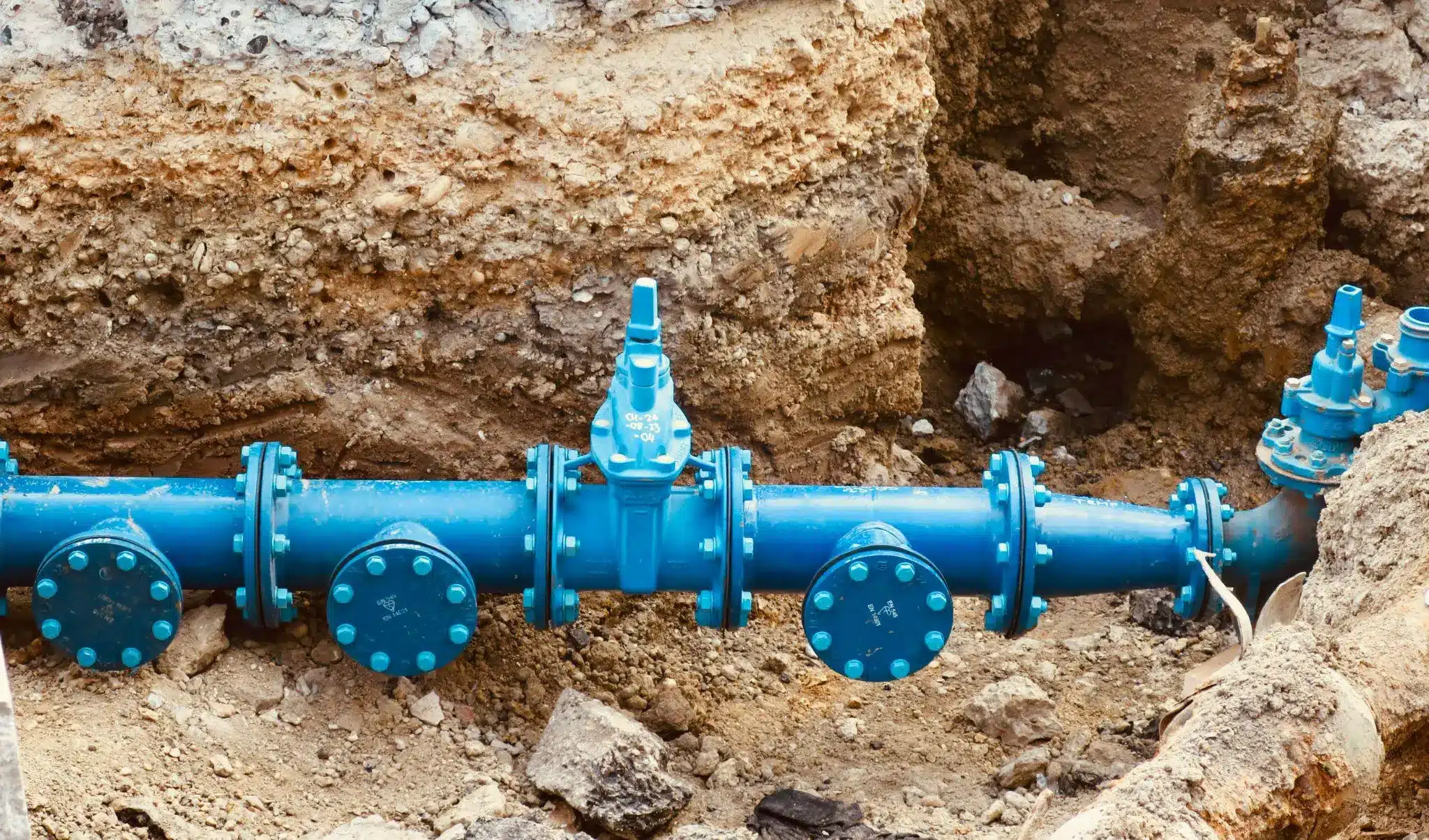
Homes constructed before 1980 were frequently plumbed with materials that are now well past their useful lifespan. Cast-iron pipe corrodes from the inside out over decades. Clay tile pipe handles compressive loads reasonably well but cracks under root pressure and ground movement.
None of these materials announces its deterioration visibly. A camera inspection gives you a baseline – current condition, problem areas, and an honest estimate of remaining useful life. Homeowners who schedule video inspection of sewer lines in Kirkland with Ben’s Plumbing often discover that a proactive lining repair costs a fraction of what emergency replacement would after a failure.
Knowing what you’re working with is simply better than finding out during a crisis.
2. You’re About to Close on a House
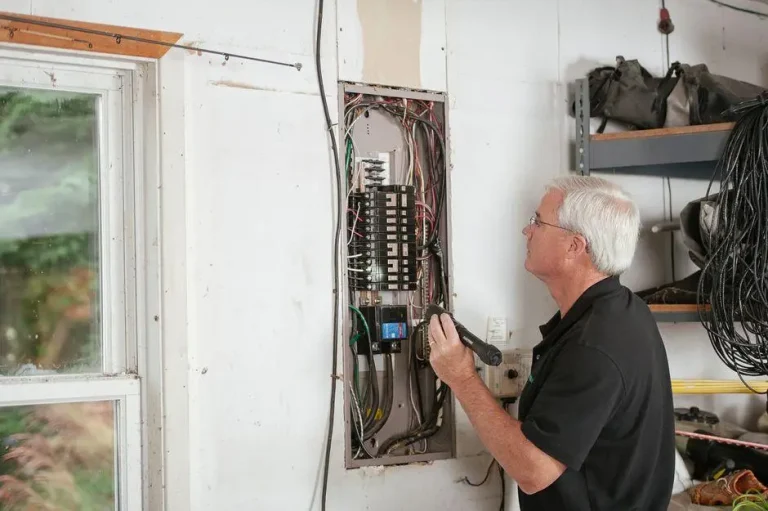
Standard home inspections cover a lot of ground – roof condition, electrical panels, HVAC systems, visible plumbing. What they almost never include is a look inside the sewer lateral connecting the house to the municipal main.
That line could be perfectly intact. Alternatively, it could be cracked from decades of ground movement, partially blocked by tree roots, or made from Orangeburg pipe – a fiber-based material used in mid-century construction that degrades badly over time. None of that shows up in a visual walkthrough.
Purchasing a property without scoping the sewer line is one of those decisions that feels fine until it isn’t. A blocked or deteriorated sewer line discovered after closing becomes entirely the new owner’s financial problem. An inspection before signing protects your negotiating position and, more importantly, prevents an expensive surprise in the first months of ownership.
If the sellers resist the request, that resistance itself is worth noting.
3. Your Drains Are Slowing Down Across Multiple Fixtures
A single slow drain usually points to a localized clog – hair, soap residue, or grease buildup in a branch line. Multiple drains slowing simultaneously tells a different story.
When toilets, sinks, and showers all start draining sluggishly around the same time, the obstruction is likely deeper in the system, closer to the main sewer connection. Tree roots are among the most frequent culprits at this stage. Mature trees near a property line extend roots aggressively toward moisture, and old clay or cast-iron pipes develop small cracks over decades that roots exploit as entry points.
Left unaddressed, a partial blockage becomes a complete one. Raw sewage backing up into a home is both a health hazard and a restoration project that costs far more than any inspection or early repair would have.
4. Large Trees Are Growing Near Your Sewer Line
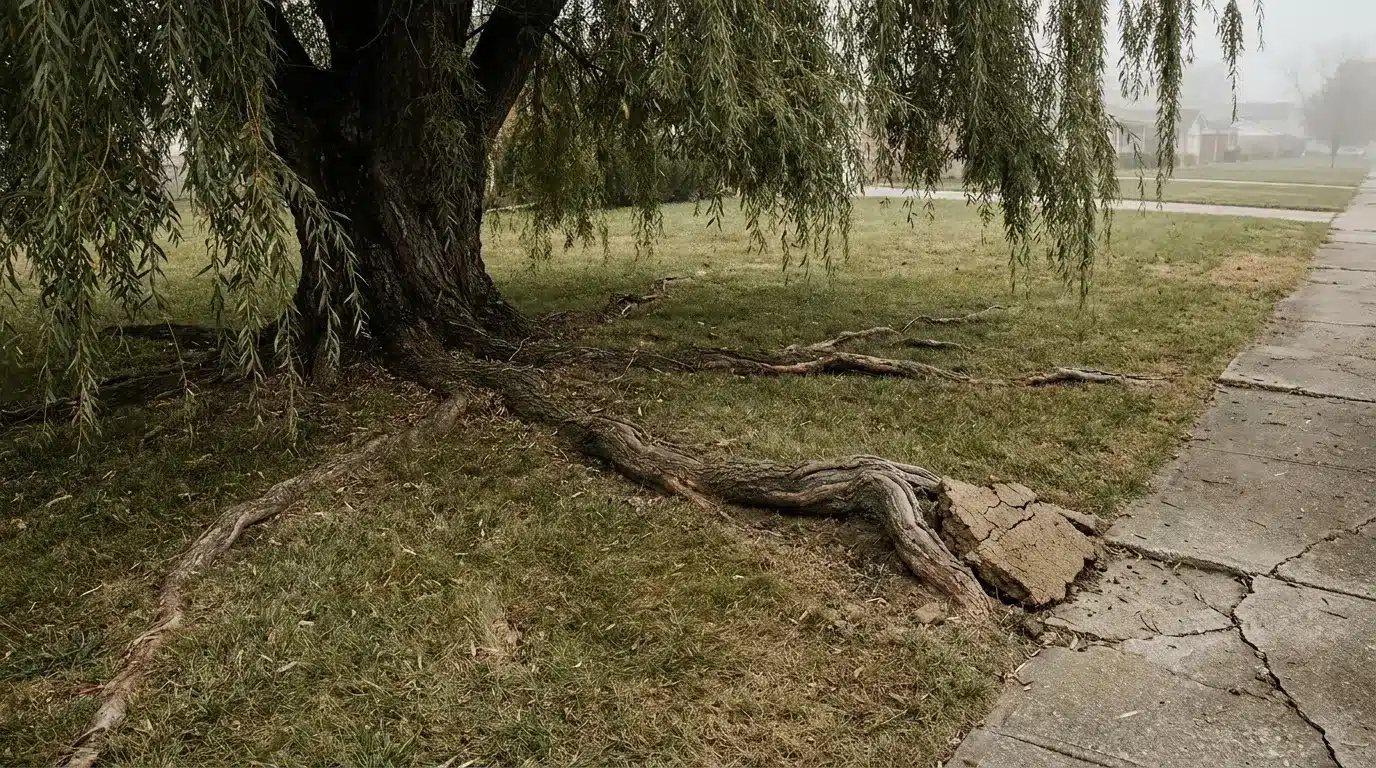
Trees are an asset to any property. Their root systems, though, don’t respect underground infrastructure – and certain species are particularly aggressive about seeking moisture through any available crack or joint gap.
Willows, maples, and older ornamental trees planted near the house or property line are worth monitoring carefully. Root intrusion typically begins as a minor obstruction that traps debris and accumulates over months into a significant blockage. By the time symptoms appear at fixtures, roots may have grown into a dense mass inside the pipe.
A camera inspection identifies root presence early, while mechanical cutting or hydro-jetting can still clear the line cleanly. Catching this stage is far preferable to discovering roots after they’ve caused structural pipe damage requiring excavation.
5. You’ve Had Recurring Sewage Odors or Unexplained Wet Spots in the Yard
Isolated odors from a drain are usually traced to a dry P-trap – a simple fix. Persistent sewage smell throughout the house, or odors detected outdoors near the foundation or yard, suggests something more serious.
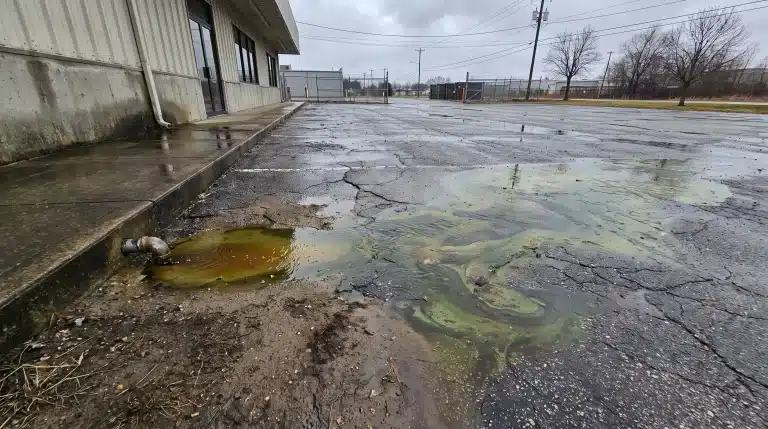
Wet patches appearing during dry weather, unusually lush grass growing in a linear pattern above where the sewer line runs, or soft ground that wasn’t previously soft – each of these points to an active underground leak. Sewage escaping from a cracked pipe saturates soil, kills certain vegetation, and can reach groundwater depending on soil composition and depth.
A video inspection confirms whether a leak exists and locates it precisely, which matters enormously for repair planning. Digging blindly is expensive and disruptive. Knowing the exact problem location before any work begins keeps costs and disruption to a minimum.
What to Expect During the Inspection
The process is far less invasive than most homeowners expect. A licensed plumber accesses the line through a cleanout – typically a capped pipe near the foundation – and feeds a flexible rod-mounted camera through the system.
Here’s a general breakdown of what happens:
- The technician locates the cleanout access point and clears any immediate surface debris
- A high-definition camera advances through the line while footage streams to an above-ground monitor
- Problem areas are noted with depth markers so precise location can be confirmed later
- You receive either a recorded video, a written report, or both – documentation that’s useful for repair quotes and insurance purposes
- If the line is clear, you get confirmation and peace of mind; if problems exist, you have specific information rather than vague suspicion
The entire appointment typically takes 60 to 90 minutes for a standard residential property.
One Final Thought
Sewer problems don’t resolve on their own. A crack doesn’t seal, a root mass doesn’t retreat, and a sagging pipe section doesn’t correct itself. The window between “early warning signs” and “emergency repair” closes faster than most homeowners expect – and the cost difference between those two moments is substantial.
Scheduling a camera inspection when any of the situations above apply isn’t overcautious. It’s the kind of practical homeownership decision that protects both the property and the budget for everything else you’d rather be spending on.