
How to Preserve the Life of Your Home’s Best Textiles

Have you ever wondered why some fabrics in your home stay soft and bright for years while others fade so fast? Many people do not know that daily habits can affect the life of rugs, curtains, and upholstery in a big way. Simple actions like cleaning, storage, and careful use can make a strong difference over time.
When you understand how fabrics react to light, heat, and dirt, you can prevent early damage. This guide will share easy and clear steps that anyone can follow. By reading this, you will learn how to keep your textiles clean, strong, and fresh for many years.
Know Your Fabric First
Every textile has its own needs, so it helps to know what your items are made of before you clean them. Cotton, wool, silk, and synthetic blends all react in different ways to water, heat, and cleaning products. When you learn these basics, you can avoid damage and keep each piece looking its best.
Labels can guide you, but they are often small and easy to miss or ignore. Take time to read care tags and follow the steps they suggest for washing or drying. This simple step can save your textiles from shrinking, fading, or tearing too soon.
If a label is missing, test a small hidden area before you clean the full surface. This helps you see how the fabric reacts without risking the whole piece. Careful testing keeps your home safe from costly mistakes.
Clean Often But With Care
Regular cleaning helps remove dust, dirt, and allergens that build up over time. These small particles can wear down fibers and make fabrics look dull and worn. A gentle cleaning routine keeps your textiles fresh and strong.
Vacuuming rugs and upholstery once or twice a week can make a big difference. Use soft brush settings to avoid pulling or fiber damage. This simple habit can extend the life of your favorite pieces.
For deeper cleaning, avoid harsh chemicals that may break down fibers. Choose mild cleaners that match the type of fabric you have at home. Soft and safe products help protect both color and texture.
Protect From Sun and Heat
Sunlight may look nice in your home, but it can harm fabrics over time. Strong rays can fade colors and weaken fibers, making them brittle and dull. Keeping textiles out of direct sun helps them last longer.
Use curtains, blinds, or shades to limit light during the brightest parts of the day. This small change can reduce damage and keep colors rich and even. It also helps control room temperature and comfort.
Heat can also affect textiles, especially when drying or ironing. Always use low heat settings when possible and avoid over drying. Gentle heat care keeps fabrics soft and safe.
Handle Spills Right Away
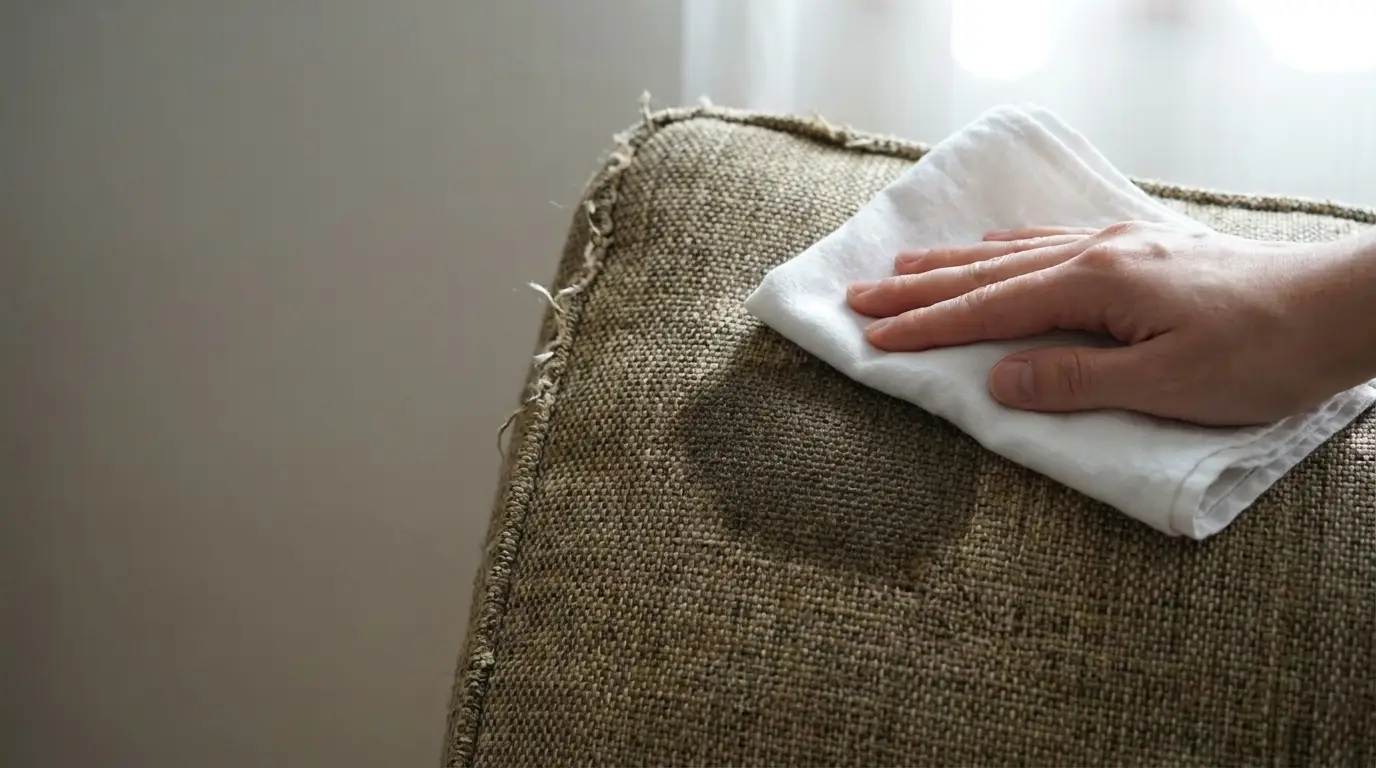
Spills are part of daily life, but quick action can stop stains from setting in. When a spill happens, blot it with a clean cloth instead of rubbing it. Rubbing can push the stain deeper into the fibers.
Use a mild cleaning products if needed, but test it first on a hidden spot. This helps you avoid color loss or damage to the material. A careful approach keeps your textiles looking clean and bright.
Dry the area well after cleaning to prevent mold or odor. Good airflow can help speed up the drying process. Fast and gentle care can save your fabrics from lasting marks.
Rotate and Even Out Wear
Some parts of your home see more use than others, and this can lead to uneven wear on textiles. Rugs and cushions in busy areas may fade or flatten faster than others. Rotating these items helps spread out the wear.
Turn rugs every few months so all sides get equal use. This keeps colors even and prevents one area from looking more worn than the rest. Small changes like this can make a big difference over time.
Switch out cushions or throws to give each piece a break from daily use. This simple habit helps keep shapes firm and colors bright. Balanced use means longer life for your textiles.
Store Items With Care
When you are not using certain textiles, proper storage is key to keeping them safe. Clean items before storing them to avoid stains setting in over time. Dirt left behind can attract pests and cause damage.
Use breathable storage bags or containers that protect from dust but allow air flow. Avoid plastic bags that trap moisture and lead to mold or mildew. Good storage keeps fabrics fresh and ready to use.
Store items in a cool, dry place away from direct light. This helps prevent fading and fiber damage. Safe storage keeps your textiles in top shape between uses.
Choose Professional Help When Needed
Some textiles need more than regular home care, especially delicate or valuable pieces. Professional cleaning can remove deep dirt while protecting the fabric. This is often the best choice for large rugs or fine materials.
A trusted service like Utah Rug Washing can help restore and maintain high quality floor coverings. Experts use the right tools and methods to clean without causing harm. This can bring new life to your textiles and extend their use.
Do not wait until damage is severe before seeking help. Regular professional care can prevent long term issues.
Keep Your Home Fresh and Bright
Taking care of your home textiles does not have to be hard or time consuming. Simple steps like gentle cleaning, proper storage, and quick stain care can go a long way. These habits help keep your home looking fresh and welcoming.
When you care for your fabrics, you also improve the comfort and health of your living space. Clean textiles reduce dust and allergens that can affect daily life. A well kept home feels better for everyone.
By following these easy tips, you can enjoy your favorite rugs, curtains, and upholstery for many years. Small efforts today can lead to lasting results.
Bring New Life to Every Fabric in Your Space
Keeping your home textiles in good shape is a simple way to protect your space and your comfort. With the right habits, you can reduce wear, avoid damage, and keep each piece looking clean and bright. From regular care to smart cleaning choices, every step you take adds value and life to your fabrics.
When you invest time in proper care, you also create a healthier and more welcoming home for everyone. Did this guide help you? Browse the rest of this section for more advice on a variety of topics.