
Essential Roofing Warranty Insights Every Homeowner Needs

Roofing warranty insights help homeowners understand what is really covered when roof problems appear. Many people assume all repairs are included, but that is not always the case. Small details in a warranty can change how claims are handled later.
Knowing these details early can prevent stress and unexpected costs. It also helps homeowners make better decisions when choosing roofing services. A strong warranty can protect both materials and labor if used correctly.
Continue reading for clear roofing warranty insights that explain what every homeowner should know before and after installation.
Understanding Roofing Warranty Basics
Roofing warranties are written agreements that explain what protection a homeowner receives after roof installation. These documents set clear limits on what is covered and what is not.
Many homeowners only skim through them and miss important details. This often leads to confusion when issues appear later. Taking time to understand the basics helps avoid costly misunderstandings.
What Roofing Warranties Typically Cover
Roofing warranties usually cover specific problems related to materials or installation. This may include defects that affect roof performance. Some warranties also include limited labor coverage.
However, full roof replacement is rarely included. Coverage depends on the exact terms stated in the agreement. Homeowners should never assume all damage is included.
Differences in Warranty Types
There are different types of roofing warranties available. Manufacturer warranties focus on product quality issues. Workmanship warranties focus on installation errors.
Each type protects a different part of the roofing system. Some roofs may have both, while others only include one. Understanding the difference helps avoid gaps in coverage.
Common Misunderstandings About Coverage
Many homeowners believe warranties cover all types of roof damage. This is not accurate in most cases. Natural wear and weather damage are often excluded.
Poor maintenance can also limit protection. Misreading terms can lead to denied claims. Clear reading of documents prevents false expectations.
How Warranty Terms Are Structured
Warranty documents are usually divided into sections. Each section explains specific rules and conditions. Some parts define coverage limits while others list exclusions.
Time periods are also clearly stated in different sections. These structures help organize important details. Reading each section carefully is necessary.
Why Understanding the Basics Matters
Understanding roofing warranty basics helps homeowners make better decisions. It reduces the risk of unexpected repair costs. It also helps when selecting roofing contractors.
Clear knowledge supports smoother claim processes. In the long run, it protects the investment made in the roof.
Manufacturer vs Workmanship Warranty
A manufacturer’s warranty covers defects in roofing materials. A workmanship warranty covers installation quality. These two types work differently and should not be confused.
Manufacturer coverage usually comes from the product maker. Workmanship coverage comes from the installer. Both are important for full protection.
One does not replace the other. If installation is poor, only workmanship coverage may apply, and if materials fail, manufacturer coverage is used. Understanding the difference helps avoid claim rejection.
Coverage Period Expectations
Roofing warranties come with specific time limits. Some last for decades while others are shorter. Longer coverage does not always mean better protection.
Certain parts of the roof may have different time frames. Homeowners should check each section carefully. Coverage may decrease over time.
Some warranties offer full replacement only in the early years. After that, coverage may be prorated. This means partial costs are covered later, and knowing this helps with long-term planning.
What Voids a Roofing Warranty
Roofing warranties are designed to protect homeowners, but they come with strict conditions. Once those conditions are broken, the warranty can become invalid. Many warranty claims fail because of avoidable mistakes.
These mistakes often happen without homeowners realizing the impact. Understanding what can void coverage helps protect the roof investment over time.
Poor or Missing Maintenance
Lack of maintenance is one of the most common reasons warranties get voided. Roofs need regular inspections and basic upkeep. Small issues like clogged gutters or debris buildup can lead to bigger damage.
When maintenance is ignored, providers may reject claims. Documentation of upkeep is often required. Keeping a simple maintenance routine helps avoid problems.
Unauthorized Repairs or Modifications
Any repair done without approval can affect warranty coverage. This includes DIY fixes or unapproved contractors. Even small changes to the roofing structure may be considered a violation.
Manufacturers often require certified professionals for repairs. Unauthorized work makes it difficult to verify damage causes. This can lead to full warranty cancellation.
Improper Installation Practices
Installation mistakes can void a warranty from the start. If the roof was not installed according to guidelines, coverage may not apply. Misaligned materials or incorrect sealing are common issues.
In some cases, a roof repair company in Houston may need to assess whether installation errors caused the damage before any claim moves forward. Proof of proper installation is often required. Without it, claims may be denied quickly.
Failure to Register the Warranty
Some roofing warranties require registration after installation. If this step is missed, coverage may not activate. Registration usually has a strict deadline.
Missing it can void protection completely. Details must also match contractor records. Homeowners should confirm registration immediately after installation.
Using Unapproved Materials
Warranties often specify approved materials for repairs and maintenance. Using the wrong products can lead to cancellation. Even small substitutions may create issues.
Manufacturers want consistency in roofing systems. Deviating from approved materials breaks warranty rules. Always check product guidelines before making changes.
Transferability of Warranty
Some roofing warranties can be transferred to new owners. This adds value when selling a home. However, transfer rules are often strict.
Some require fees or paperwork. Others limit how many times a transfer is allowed. Time limits may also apply.
If not transferred correctly, coverage may end. Buyers should always confirm warranty status. Sellers should prepare documents early, and a proper transfer keeps protection active.
Registration Requirements
Many warranties require registration after installation. Missing this step can cancel coverage. Registration is usually done online or by mail.
It must be completed within a set timeframe. Details must match installation records. Some systems require proof of purchase, and others need contractor verification.
Without registration, claims may be denied. Homeowners should confirm completion immediately. Keeping confirmation copies is important.
Material Defects Coverage
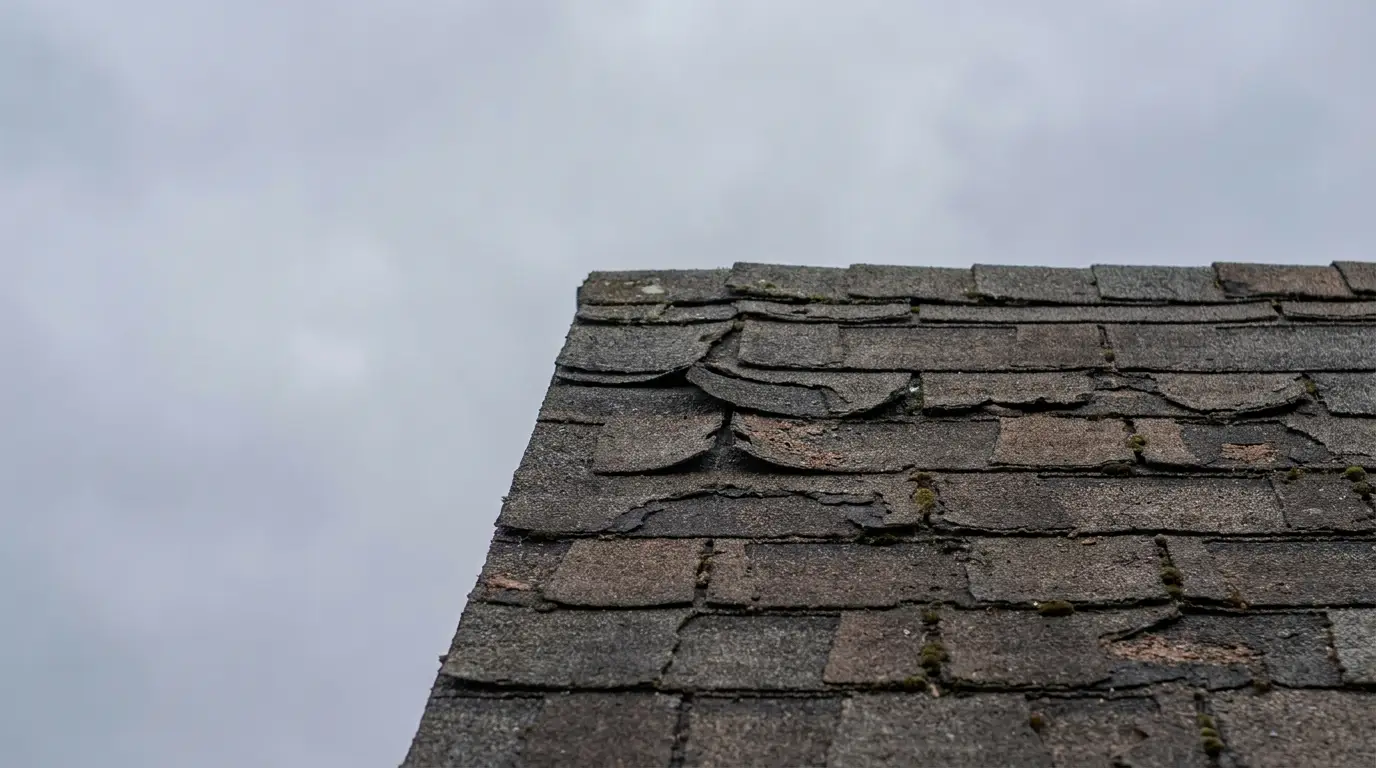
Material defects coverage protects homeowners when roofing products fail due to manufacturing problems. These issues are not caused by installation or weather. They usually come from flaws in the production process.
Most manufacturers offer this type of protection in their warranties. However, coverage rules can vary depending on the product and terms.
What Counts as a Material Defect
A material defect happens when roofing products do not perform as expected. This can include cracking, warping, or early deterioration. These issues are linked to how the material was made.
It is not related to how the roof was installed. Proof is usually required before approval. Inspections help confirm if the issue qualifies.
Common Examples of Defective Materials
Defective shingles may lose granules too quickly. Some materials may curl or buckle earlier than expected. Others may break down under normal weather conditions.
These problems usually appear within a few years. They are not caused by storms or accidents. A manufacturer review is needed for confirmation.
How Coverage Is Evaluated
Warranty providers carefully review defect claims. They often require inspection reports and photos. The goal is to confirm that the issue came from manufacturing.
If installation damage is found, the claim may be denied. Some cases require a third-party assessment. Clear documentation improves approval chances.
Limitations in Material Defect Coverage
Not all defects are fully covered under warranty. Some policies only offer replacement materials, not labor, and others may provide prorated compensation. Normal wear and aging are often excluded.
Damage from external causes is also not included. Reading coverage limits is important before filing claims.
Importance of Proper Documentation
Keeping records helps support material defect claims. Proof of purchase is usually required. Installation details may also be needed.
Photos of damage strengthen the case. Maintenance records can also help. Organized documents make the process faster and smoother.
Installation Error Coverage
Installation errors can lead to serious roof problems; this is why workmanship warranties matter. Poor sealing or alignment may cause leaks. Fixing these issues depends on the installer’s responsibility.
Proper installation reduces future risks. Not all errors are immediately visible. Some appear after weather exposure.
Claims require proof of faulty work. Regular checks help detect early issues.
Maintenance Responsibilities
Homeowners are often required to maintain their roofs. This includes cleaning and inspections. Neglecting maintenance can void warranties.
Simple care can extend roof life. Gutters should stay clear of debris. Small repairs should be handled quickly.
Documentation of maintenance may be required. Some warranties specify maintenance schedules, and ignoring these rules affects claims. Regular upkeep protects warranty validity.
Weather Damage Limitations
Most roofing warranties limit weather-related coverage. Storm damage is often excluded. Wind and hail may not be fully covered.
Some policies offer partial protection. Extreme weather events are usually considered separate claims. Insurance may handle these cases instead.
Warranties focus more on defects than storms. Understanding this difference is important. Homeowners should review local risks. Preparation reduces unexpected costs.
Exclusions in Roofing Warranties
Roofing warranties always come with exclusions that limit what is covered. These exclusions are written to define situations where the provider is not responsible.
Many homeowners overlook this section and expect full protection. This often leads to frustration when claims are denied. Understanding exclusions early helps set realistic expectations and avoid surprises.
Normal Wear and Aging
Most roofing warranties do not cover the natural aging of materials. Over time, every roof will show signs of wear. This includes fading, minor cracking, and surface changes.
These are considered normal. Warranties are designed for defects, not aging. Homeowners should plan for gradual roof deterioration.
Weather-Related Damage
Damage caused by storms is usually excluded from warranties. This includes wind, hail, and heavy rain. These events are typically handled through insurance instead.
Warranties focus on product or installation issues. Severe weather is considered outside the manufacturer’s control. This distinction is important when filing claims.
Improper Maintenance
Failure to maintain the roof can void coverage. Simple tasks like cleaning gutters and removing debris. Ignoring maintenance creates avoidable damage.
Warranty providers may reject claims linked to neglect. Regular upkeep is often required. Proof of maintenance may also be requested.
Unauthorized Repairs or Alterations
Any repair done without approval can fall under exclusion rules. This includes DIY work or unapproved contractors. Even small changes may affect coverage.
Providers want consistency in repair standards. Unverified work makes damage assessment difficult. This often leads to denied claims.
Filing a Warranty Claim
Filing a claim requires proper documentation. Homeowners must provide proof of damage.
Photos and inspection reports are often needed. The warranty provider reviews all details.
Approval depends on terms and conditions. Some claims require contractor involvement. Timelines for filing are strict.
Delays can lead to rejection. Clear communication helps speed up the process. Following instructions is important.
Inspection Importance
Roof inspections help identify issues early. They are often required for warranty compliance. Inspectors check for damage and wear.
Reports support future claims. Regular inspections reduce repair costs. They also extend the roof’s lifespan.
Some warranties require yearly checks, and skipping inspections may affect coverage. Professional evaluations provide accurate results. Prevention is always more effective than repair.
Comparing Warranty Options
Not all roofing warranties offer the same protection. Some focus on materials only, and others include labor and installation. Longer warranties may have more conditions, and shorter ones may be simpler but limited.
Homeowners should compare details carefully. Coverage limits matter more than duration. Transfer rules also differ, cost is another factor, and choosing wisely ensures better protection.
Long-Term Roof Protection Strategy
Long-term protection depends on proper planning. Warranties are only part of the solution. Regular maintenance is equally important.
Early repairs prevent larger issues. Keeping documents organized helps future claims. Understanding coverage avoids surprises.
Choosing quality materials adds value. Professional installation reduces risks. Routine inspections maintain performance, and a proactive approach ensures lasting roof durability.
Every Homeowner Must Learn Some Essential Roofing Warranty Insights
Roofing warranty insights help homeowners avoid costly mistakes. Understanding coverage terms makes it easier to manage roof issues. Knowing the difference between warranties prevents confusion during claims.
Maintenance and inspections play a major role in keeping coverage valid. Every detail in a warranty matters, even the small ones.
A clear understanding leads to better decisions and fewer surprises. Strong awareness today protects the roof for many years ahead.
Should you wish to read more, visit our blog page. We’ve got more topics for you!