
The Essential Guide to Designing a Safer Home for Your Pets

Your home should be a safe place where your pets can play, rest, and explore with ease. However, small risks can still be found in everyday spaces. Simple changes can help prevent accidents and keep your pets protected.
By making your home more pet-friendly, you also give yourself peace of mind. Read on to learn how to design a safer home for your pets.
Identify Common Household Hazards
Start by checking your home for possible dangers. Many everyday items can harm pets if left within reach. Cleaning products, sharp tools, and small objects are common risks.
Pets may chew or swallow items out of curiosity. Look at each room from your pet’s level. Check under furniture and around corners.
Move unsafe items to secure places. This simple habit can prevent many accidents.
Create Safe and Comfortable Spaces
Pets need a space where they feel calm and secure. This can be a bed, crate, or quiet corner. A safe space helps reduce stress and supports rest.
Keep this area clean and free from hazards. Add familiar items like toys or blankets. This makes your pet feel more at ease and helps them relax.
Secure Wires and Electrical Items
Wires and cords can be dangerous if pets chew on them. This can lead to injury or shock. Keep cords out of reach or use covers to protect them.
Arrange furniture to block access to outlets. Unplug devices when not in use. These steps help lower the risk and keep your pet safe.
Store Food and Toxic Items Properly
Some foods and plants can be harmful to pets. Chocolate, grapes, and certain houseplants can cause serious health problems. Always store food in sealed containers.
Keep medications and cleaning supplies locked away. Proper storage helps prevent accidental poisoning and keeps your home safe.
Keep Floors and Furniture Safe
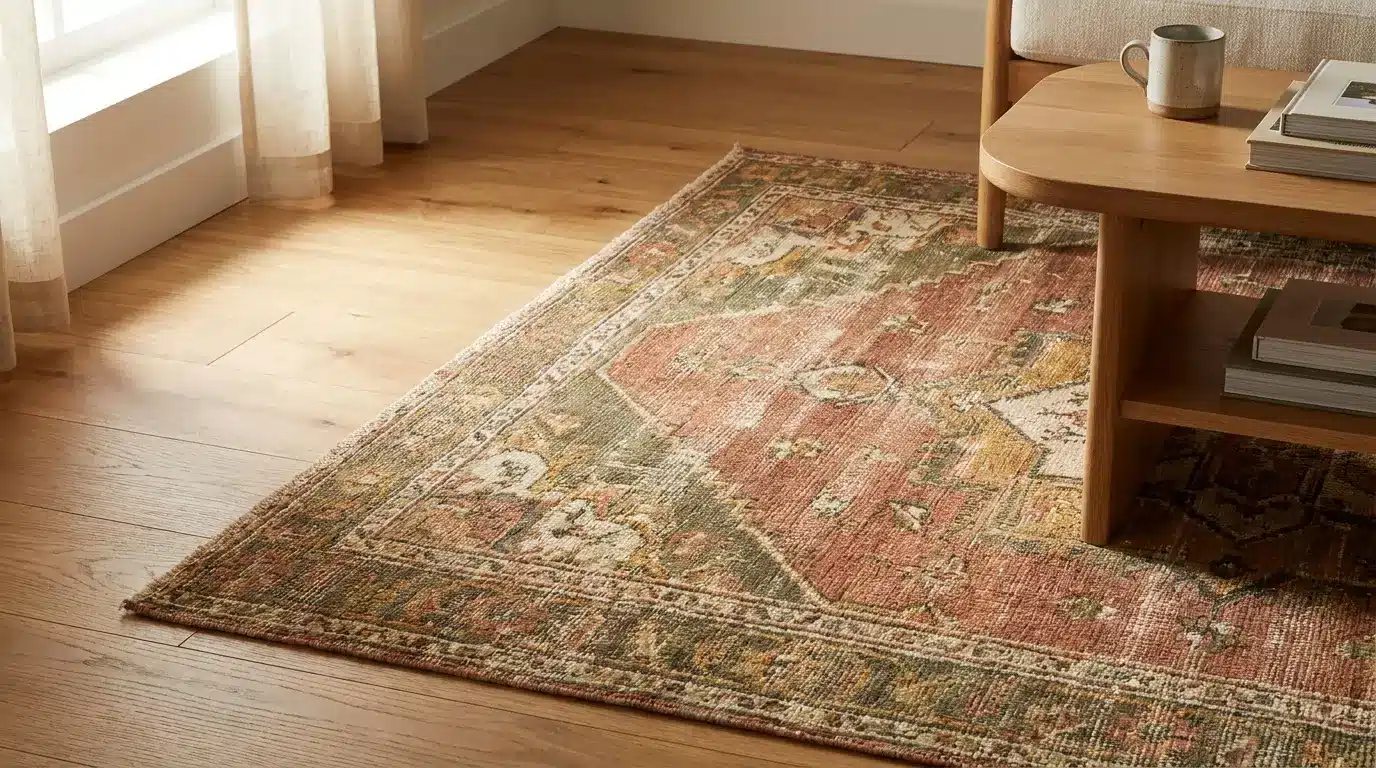
Slippery floors can cause pets to slip and get hurt. Use rugs or mats to give a better grip. This is helpful for older pets or those with weak joints.
Check furniture for sharp edges or loose parts. Secure items that may fall. A stable home reduces the chance of injury.
Maintain Clean Air and Hygiene
Clean air helps pets stay healthy. Dust, smoke, and strong chemicals can affect them. Keep your home clean and well-ventilated.
Wash pet bedding and toys often. This reduces germs and allergens. A clean space supports better health for your pet.
Prepare for Emergencies
Even with safety steps, emergencies can happen. Keep a pet first aid kit ready at home. Include basic items like bandages and wipes.
It is also helpful to learn emergency care skills. Programs like Pet CPR Certification can teach you how to respond quickly. Knowing what to do can help protect your pet in urgent situations.
Use Barriers and Secure Outdoor Areas
Barriers and gates can keep pets away from unsafe areas. Use them for stairs, kitchens, or rooms with fragile items. Make sure they are strong and properly placed.
If your pet goes outside, check fences for gaps. Remove harmful objects from the yard. Provide shade and water to keep them safe and comfortable.
Design a Safer Home for Your Pets
Keeping your home safe for your pets is easier than it seems. Simple changes, like removing hazards and securing dangerous areas, can prevent accidents. Preparing for emergencies and having a safe space helps pets stay calm and healthy.
Regular care and attention ensure your pets enjoy a happy and secure home. By following these steps, you can protect your pets and enjoy peace of mind every day.
Visit our blog for more!