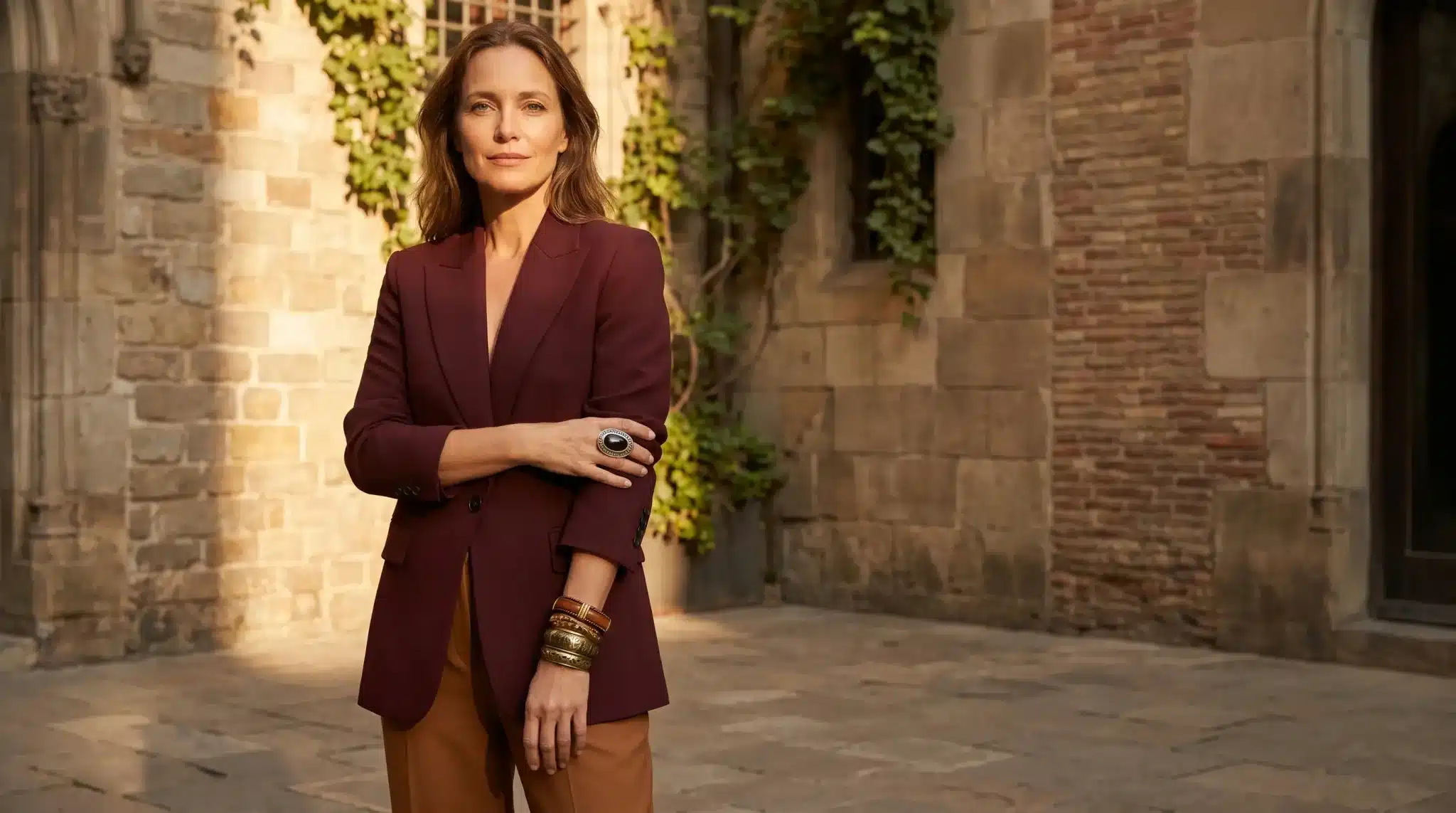
Why Being Authentic in Your Personal Style Builds Lasting Confidence

Confidence that comes from imitating others is not real and ultimately you will lose it because you have to give back what isn’t yours. Truly confident people are not copying others they have discovered how to express their true self.
The Alignment Problem Most People Ignore
Wearing something that represents who you are, doesn’t only spread this kind of confidence on your self-image, but also on the energy you carry and spread to those around you.
Cognitive dissonance can be draining, but finding your authentic self and showing it to the world is empowering. It sends the message that you’re not afraid to be who you really are, and simply shines a light for everyone to follow suit.
Why Enclothed Cognition Matters
The clothes and accessories we choose to wear don’t just communicate identity to others: they also shape our mindset while we have them on. Research published in the Journal of Experimental Social Psychology shows that the symbolic meaning of a piece of clothing combined with the physical experience of wearing it has been shown to improve abstract thinking and self-confidence.
In other words, it’s not superficial to feel like you think best, and feel most like yourself, when you’re wearing something that means a lot to you rather than whatever’s on trend or socially obligatory. It’s a literal cognitive return that pure trend-driven choices don’t give you, instead serving as a small, daily totem of your authenticity and persistence.
The Case for Permanent, Personal Identifiers
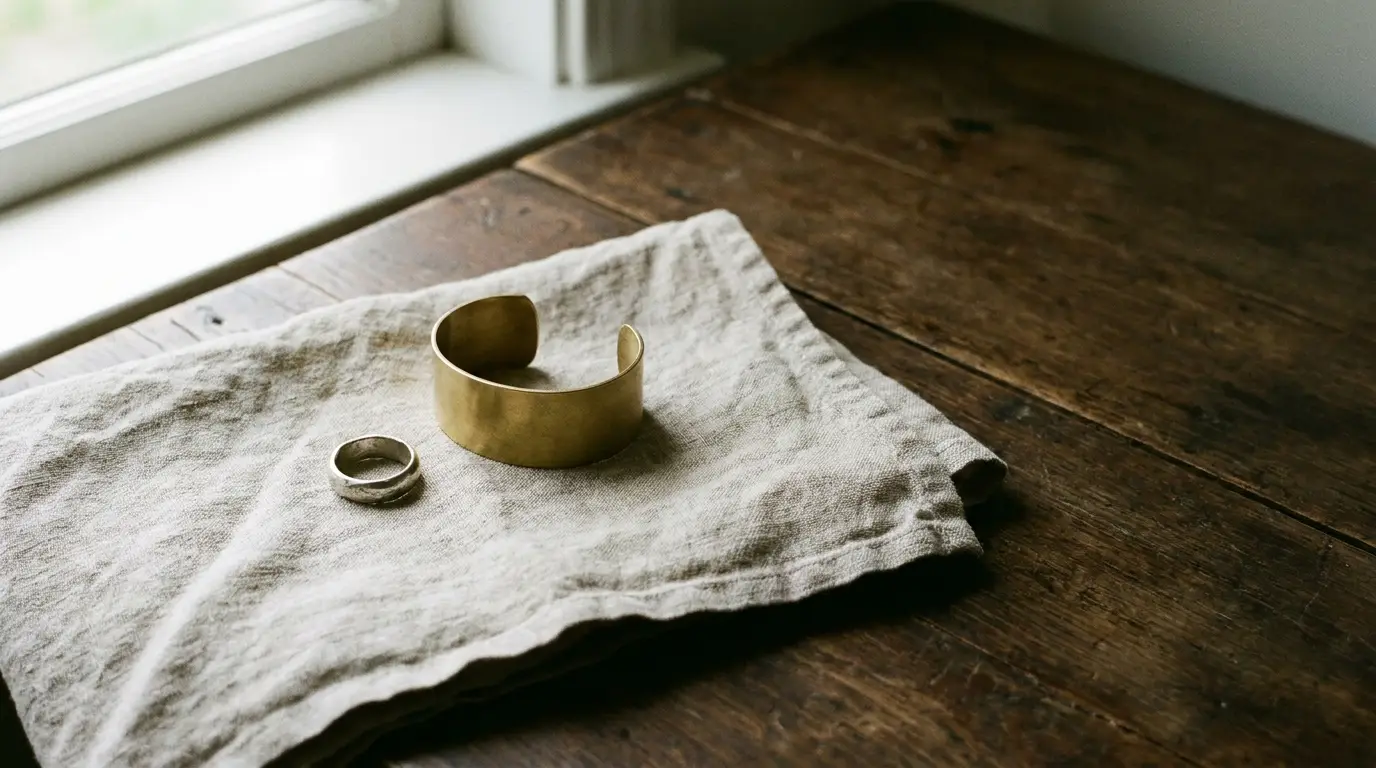
The most confident people are investing in things that are truly theirs rather than things that are simply prestigious this season. Bespoke tailoring, considered jewellery, curated collections – these choices work because they’re both high-quality and personal. They tell a story that belongs to one person.
This logic extends beyond clothing. High-net-worth individuals who understand personal branding often invest in the most expensive private plates as a form of permanent, unreplicable identification – something that can’t be trend-cycled, can’t be mass-produced, and carries a meaning tied specifically to them. That’s not about status for its own sake. It’s about owning something that’s genuinely singular, which is a different motivation entirely.
The difference between a status symbol worn as a costume and one that reads as authentic comes down to whether the person chose it for themselves or for the room.
Authenticity as a Filter, Not Just an Aesthetic
One overlooked benefit of real personal style is that it serves as a social cue before you’ve even spoken. Non-verbal communication is happening all the time, and others are taking in your selections – sometimes subconsciously – to glean information about your priorities, your self-assuredness, your identity.
Real style draws the right sort of attention. Not everyone’s attention. But the attention of those who respond positively to an honest presentation is usually worth having. Professionally. Creatively. Socially. A false presentation may get you more attention, but it’s based on a lie.
Being real is also a way to self-curate. You stop buying and wearing items that are not in line with your brand, which leads to simpler decisions and more headspace.
Auditing Your Wardrobe and Your Motivations
Creating a style that truly gives you confidence requires taking a good hard look at yourself. We’ve all bought things for all sorts of reasons we’d rather not interrogate too closely – what we thought we ought to wear, what made sense in a new city, the person we wish we were.
But these things aren’t helpful to ponder. What is helpful is to ask if something you’re about to buy would still appeal to you if no one else ever saw you in it.
When you think about those ‘micro-customizations’, you realize that the rest kinda doesn’t matter. You don’t need to kit yourself out in an entirely made-to-measure wardrobe to express your identity genuinely. A basic silhouette with one strategic, meaningful piece makes the point. One favorite color, one go-to designer, a beloved find at the side of the road – these details of personal history are what turn an aesthetic into your aesthetic.
Style as a Long-Term Practice
Being real isn’t a place you reach and remain forever. It transforms as you change – as your job changes, and your values become more obvious, and your knowledge of what is important changes. The idea is not to create a specific appearance and protect it. The idea is to constantly question if what you’re showing the world shows true reality.
When it does, self-assurance is no longer an act. It just flows.