
People Spend Thousands on Interiors While Ignoring What Everyone Sees First

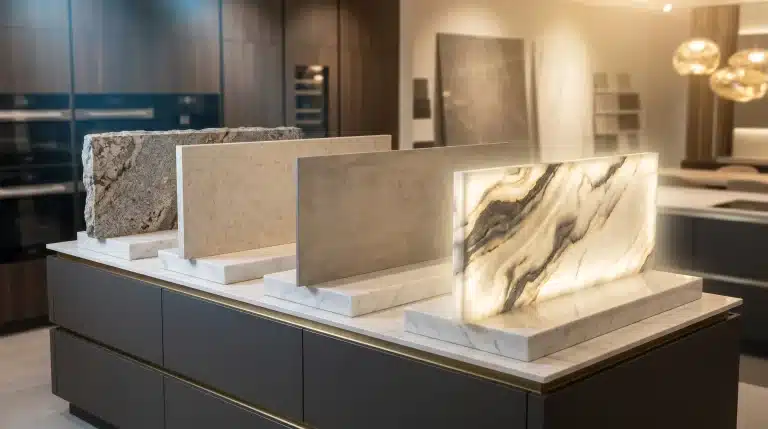
People will spend weeks choosing kitchen tile. Months, sometimes. They’ll compare cabinet handles, test paint samples in three different lights, and spend real money on a sofa nobody is allowed to eat near.
Then the outside of the house looks tired.
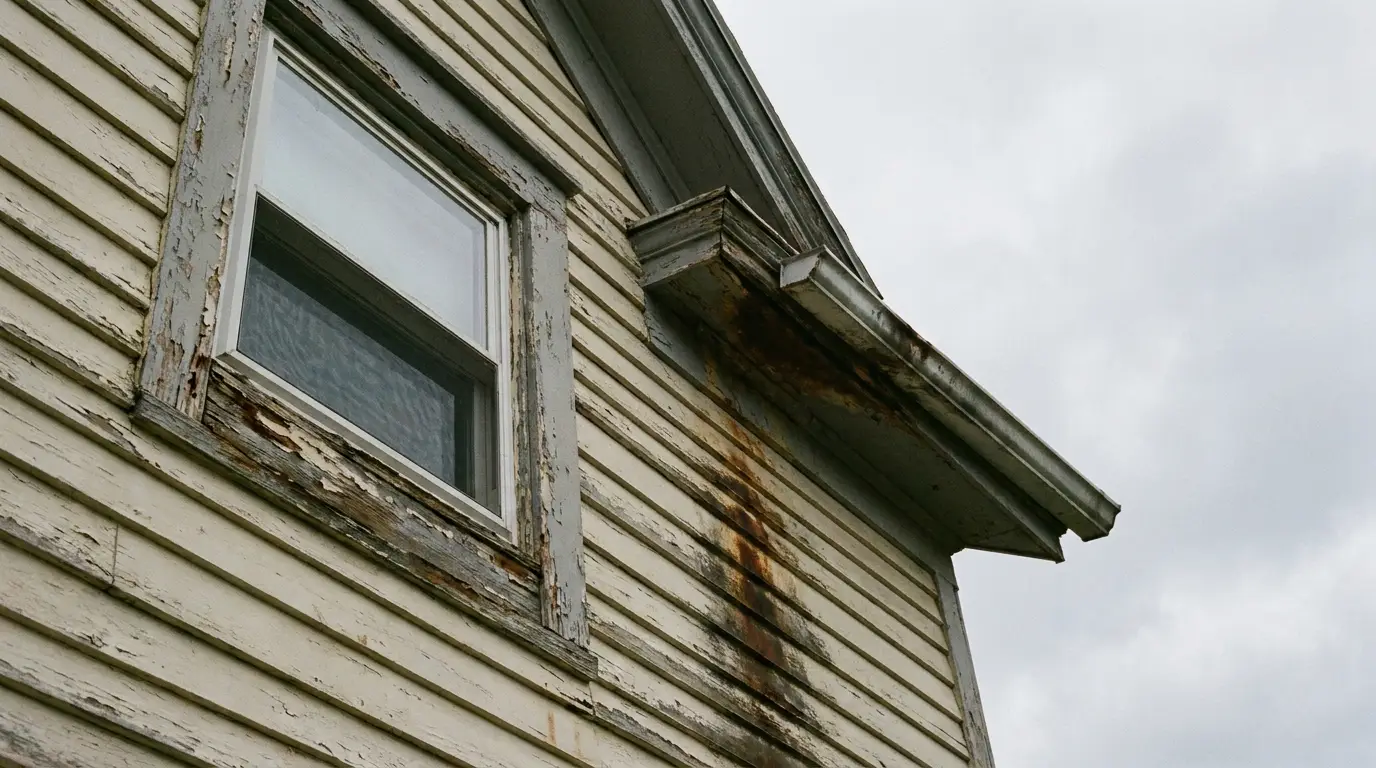
Faded siding. A roof with dark streaks. Trim that needs attention. Gutters leaning a little too casually. The inside may be gorgeous, but the house has already made its first impression before anyone gets to the entryway. That’s usually when homeowners start thinking about Cape Cod roofers and realizing the exterior has been speaking for them the whole time.
First Impressions Start Before Anyone Walks Inside
A house gets judged from the curb. That sounds harsh, but it’s true.
People notice the roof, siding, trim, front steps, gutters, and paint before they notice your new kitchen. They may not know the names of the materials. They just know the house looks cared for, or it doesn’t.
A stained roof makes the whole place feel older. Faded siding pulls the energy down. Warped trim gives the house that slightly neglected look, even if everything inside is spotless.
You see it in tiny details:
- Siding that has lost its color
- Roofing with dark streaks or patchy areas
- Trim that looks bent, soft, or uneven
- Gutters with rust marks
- Loose shutters
- Peeling paint near windows
Homeowners stop noticing these things because they see the house every day. A visitor notices in five seconds.
That is why curb appeal keeps coming up in real estate conversations. The National Association of Realtors has looked at outdoor remodeling and curb appeal because exterior condition affects how people feel about a property before they know much else.
Exterior Wear Changes How a Home Feels
Some houses look worn out long before they are actually old.
That’s the weird part.
A newer home can look tired if the siding is faded, the roof is streaked, and the trim is starting to peel. An older home can still look sharp when the exterior is clean and well kept.
Weather does its work slowly. Sun fades one wall more than the others. Rain leaves marks under gutters. Wind loosens a piece here and there. Moisture darkens the shaded side of the house.
Nothing happens all at once, so it becomes easy to ignore.
Then one day you pull into the driveway and the house looks… off. Not ruined. Not terrible. Just tired.
That is why exterior home improvements that matter are often the unglamorous ones. Cleaning siding. Fixing trim. Replacing damaged shingles. Touching up paint before it starts peeling in sheets.
None of that feels as fun as picking a backsplash.
But everyone sees it.
Roofing and Siding Affect More Than Appearance
Roofing and siding are easy to treat like background details until they fail.
They are not background details.
They keep rain out. They help block wind. They protect insulation, framing, walls, and ceilings. They help the house stay comfortable instead of drafty, damp, or strangely cold in one room and stuffy in another.
When roofing starts to wear down, water gets more chances to sneak in. When siding pulls loose or cracks, moisture can hide behind it. When gaps open around exterior surfaces, the house can lose heated or cooled air.
The U.S. Department of Energy explains that sealing air leaks can improve comfort and reduce heating and cooling costs. That’s the practical side of exterior care. It isn’t only about looking polished from the street. It affects how the home performs.
So yes, the exterior matters visually.
It also matters because it is the part standing between your living room and the weather.
Why Coastal Homes Require More Exterior Attention
Coastal homes have it rough.
They look peaceful in photos, with the soft light and beach air and all that. Meanwhile, the house is dealing with salt, wind, rain, humidity, storms, and faster wear on almost every exposed surface.
Salt air can make metal corrode sooner. Wind can loosen shingles and siding. Storm rain can push moisture into small gaps. Sun can fade siding faster than expected. Damp air can help mildew settle in shady corners.
A little exterior problem near the coast does not always stay little for long.
FEMA’s severe wind guidance points out that roofs are a key line of defense during high winds. That sounds formal, but the point is simple: loose exterior materials give weather an opening.
And weather near the coast loves an opening.
This is why exterior maintenance matters more in coastal areas. The home needs more than a pretty paint color. It needs surfaces that can hold up, shed water, and stay sealed against repeat exposure.
Small Exterior Upgrades Often Have the Biggest Visual Impact
You do not always need a full renovation to change how a house looks.
Sometimes the biggest improvements are painfully simple.
Clean the siding. Fix the gutters. Replace the shingles that look rough. Paint the trim. Repair the section of siding that warped after a storm. Wash off the grime that has been quietly aging the front of the house for years.
Small changes can make the whole property feel different:
- Fresh trim around windows
- Clean siding without stains
- A roofline that looks even
- Gutters that sit straight
- Shutters that are not faded or loose
- Repaired siding near corners and doors
These are the exterior home improvements that matter because they clean up the first impression.
A house can look more expensive without becoming more expensive. It just needs to stop looking neglected.
That’s the part people miss.
Why Exterior Maintenance Protects Long-Term Value
A neglected exterior makes people suspicious.
If the roof looks rough, people wonder about leaks. If the siding is warped, they wonder about water damage. If gutters are sagging, they wonder where the rain has been going. Buyers notice it. Neighbors notice it. Guests notice it. You probably notice it too, even if you pretend not to.
Exterior maintenance protects value because it protects trust.
It also prevents bigger repairs. A loose shingle can become a leak. Cracked siding can become hidden moisture. Bad gutters can damage trim, landscaping, and even the area around the foundation.
The National Center for Appropriate Technology explains that the building envelope includes parts like roofing, walls, windows, and doors. In plain English, that is the shell of the home. When the shell is weak, everything inside becomes more vulnerable.
That is why exterior care is not cosmetic fluff.
It is preservation.
Final Thoughts
Interior upgrades make a home nicer to live in. No argument there.
But the exterior is what everyone sees first, and it is the part that protects the house every day. Roofing, siding, trim, gutters, and exterior cleaning may not feel exciting, but they change how the whole property looks and holds up over time.
A beautiful interior is great.
A neglected exterior still tells on you.