How to Manage Your Menstrual Cycle More Comfortably

Your menstrual cycle can affect everything from your energy levels to your mood and sleep. While every person’s experience is different, creating a few supportive habits can make your period feel much more manageable. Small changes to your routine often have the biggest impact, helping you stay comfortable and feel more in control throughout the month.
Pay Attention to Your Body’s Signals
One of the best ways to manage your cycle more comfortably is by understanding how your body responds at different stages. Some people feel more energetic during the first half of their cycle, while others notice tiredness or cravings before their period begins.
Tracking symptoms like cramps, headaches, bloating, mood changes, or fatigue can help you identify patterns. Once you know what to expect, it becomes easier to plan ahead and support yourself with the right habits.
You do not need an overly detailed system either. A simple note on your phone or a calendar reminder can help you stay aware of changes throughout the month.
Stay Hydrated and Eat Balanced Meals
Hydration plays a huge role in how you feel during your period. Drinking enough water can help reduce bloating and may even ease headaches or fatigue. Warm drinks can also feel soothing when cramps hit.
Balanced meals are just as important. Foods rich in iron, magnesium, and healthy fats may help support your energy levels and overall wellbeing during menstruation. Try including things like leafy greens, nuts, seeds, whole grains, and protein-rich meals throughout the week.
It can also help to avoid relying too heavily on salty snacks or sugary foods when cravings appear. While treats are completely fine in moderation, too much sugar or processed food can sometimes leave you feeling sluggish afterward.
Choose Products That Feel Comfortable
The products you use during your cycle can make a major difference to your comfort levels. Everyone has different preferences, so it may take some experimenting to find what works best for you.
Some people prefer pads, while others feel more comfortable using menstrual cups or tampons. If you are looking for softer, breathable options, many people choose organic cotton tampons because they are designed with comfort and simplicity in mind.
The key is choosing products that make you feel secure and comfortable throughout the day, whether you are working, relaxing at home, or staying active.
Prioritize Rest and Gentle Movement
Your body works hard during menstruation, so getting enough rest is important. If you feel more tired than usual during your period, it is okay to slow down a little and give yourself extra recovery time.
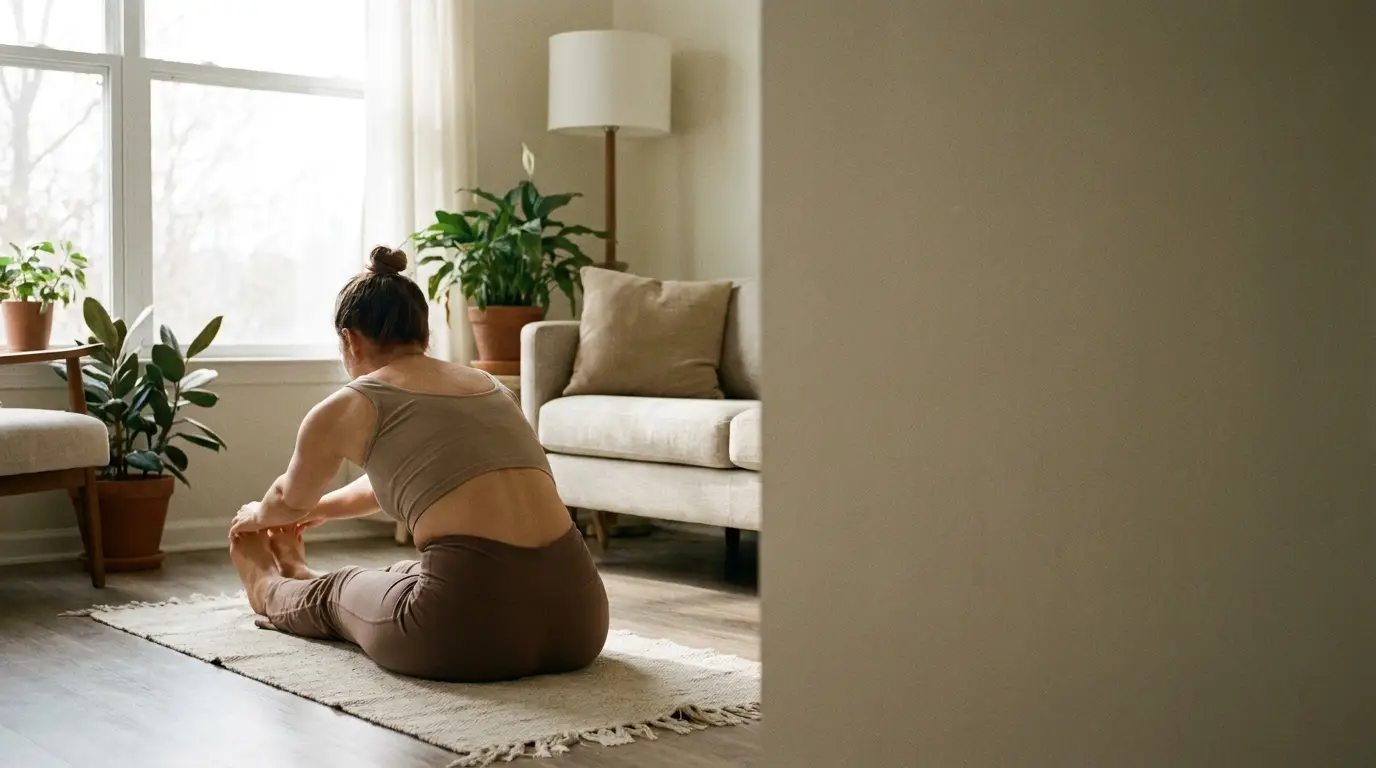
That said, gentle movement can sometimes help ease discomfort too. Light exercise such as walking, stretching, yoga, or swimming may help improve circulation and reduce cramps for some people.
The goal is not to push yourself through intense workouts if your body feels drained. Instead, focus on movement that feels supportive rather than exhausting.
Create a Comfort Routine
Having a simple comfort routine ready for difficult days can make a big difference. This could include:
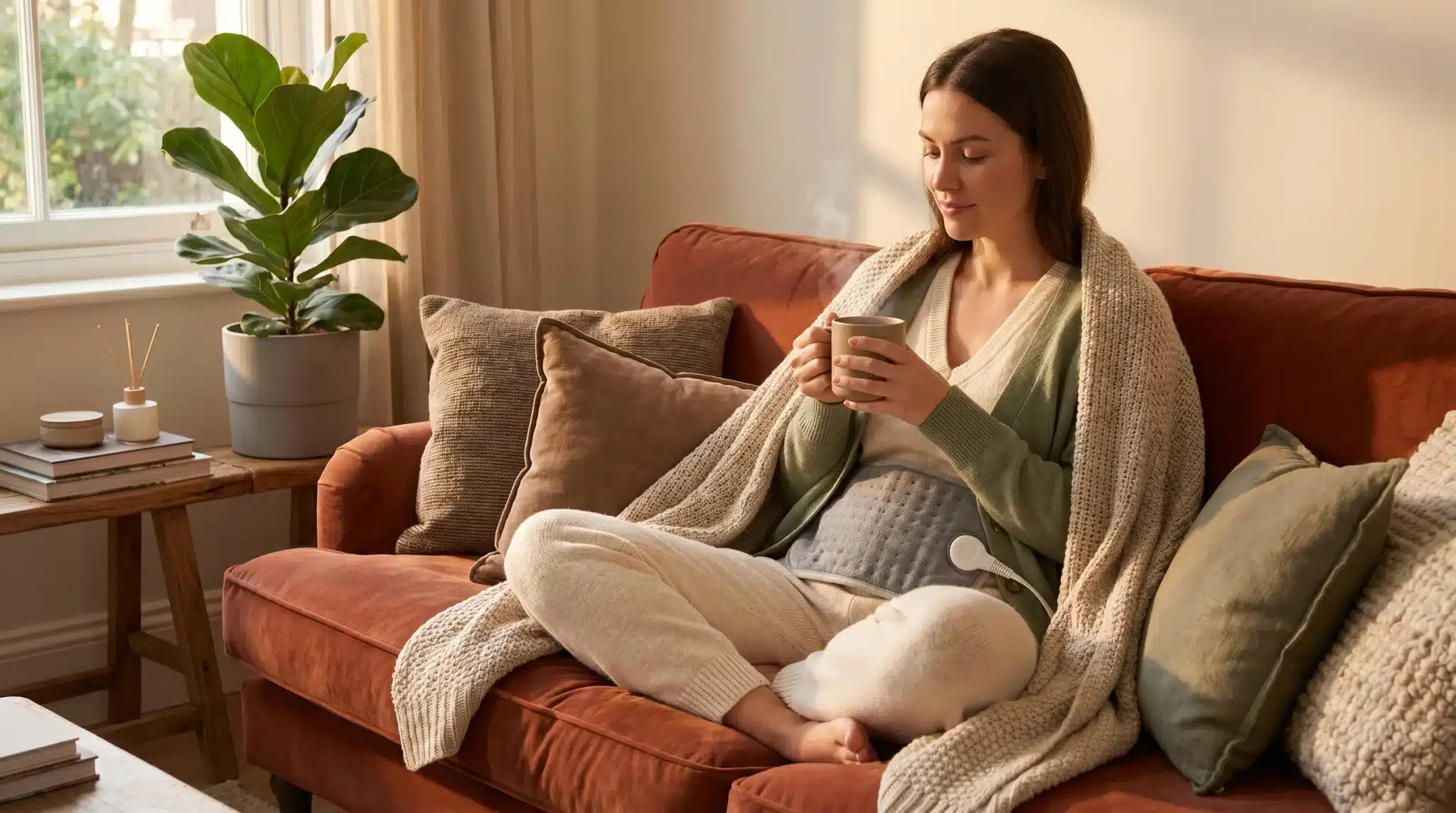
- A heating pad or hot water bottle for cramps
- Comfortable clothing or cozy pajamas
- Easy meals or snacks prepared in advance
- Pain relief recommended by your doctor or pharmacist
- Relaxing activities like reading, journaling, or watching a favorite show
Building small rituals around self-care can help your period feel less disruptive and more manageable overall.
Do Not Ignore Severe Symptoms
While some discomfort during menstruation is common, extremely painful periods or heavy bleeding should not be ignored. If your symptoms regularly interfere with work, sleep, daily activities, or mental wellbeing, it is important to speak with a healthcare professional.
Conditions like endometriosis, fibroids, or hormonal imbalances can sometimes go undiagnosed for years because people assume severe symptoms are “normal.” Listening to your body and seeking support when needed is an important part of long-term menstrual health.
Be Kind to Yourself During Your Cycle
Managing your menstrual cycle comfortably is not about following strict rules or having a perfect wellness routine. It is about understanding your body, responding to its needs, and giving yourself permission to slow down when necessary.
A little preparation, supportive habits, and the right products can help make your cycle feel far less overwhelming. Over time, those small adjustments can make a meaningful difference in your comfort and confidence each month.