Where to Find a Floor Plan for Your House: 7 Ways

You are remodeling your bathroom. The contractor asks for the floor plan. You check your files and find nothing. Sound familiar?
Most People have no idea where their original house plans are. Builders do not always hand them over at closing.
Older homes rarely come with any documentation. And when you need the plans most, before a renovation or a home sale, that missing file becomes a real problem.
The good news? There are several practical ways to find a floor plan of a house, even if you have never seen one before. This guide walks you through all of them, so you can stop guessing and get moving.
What Is a Floor Plan and Why Do You Need One?
A floor plan is a top-down drawing of a home that shows the layout of rooms, walls, doors, and windows.
It helps you understand how spaces connect, where structural elements sit, and how much room you are actually working with.
Homeowners use floor plans for renovations, furniture planning, insurance claims, and property listings. Buyers use them to assess a home before making an offer.
Without one, even basic decisions about your space become a guessing game.
Are House Floor Plans Public Record?
Before you start making calls, it helps to know what you are actually entitled to access. Here is a quick breakdown of how public access to floor plans works in the US.
- Are floor plans filed with the government? Yes. Once a builder submits plans for a building permit, those documents become part of the public record at the local building or permit office.
- Can anyone access them? Not always. Access depends on your location. Some counties offer online access. Others require an in-person visit or a formal written request.
- Do all homes have plans on file? No. Older homes, especially those built before digital record-keeping, may have no surviving records on file.
- Is there a fee to access them? Sometimes. Fees vary by county. Some offices provide copies at no charge. Others charge anywhere from a few dollars to over $100 for large or older property searches.
- Can you copy or reproduce the plans freely? Not necessarily. Floor plans created by a licensed architect are copyright-protected, even if they sit on file as a public record.
Ways to Find a Floor Plan of Your House
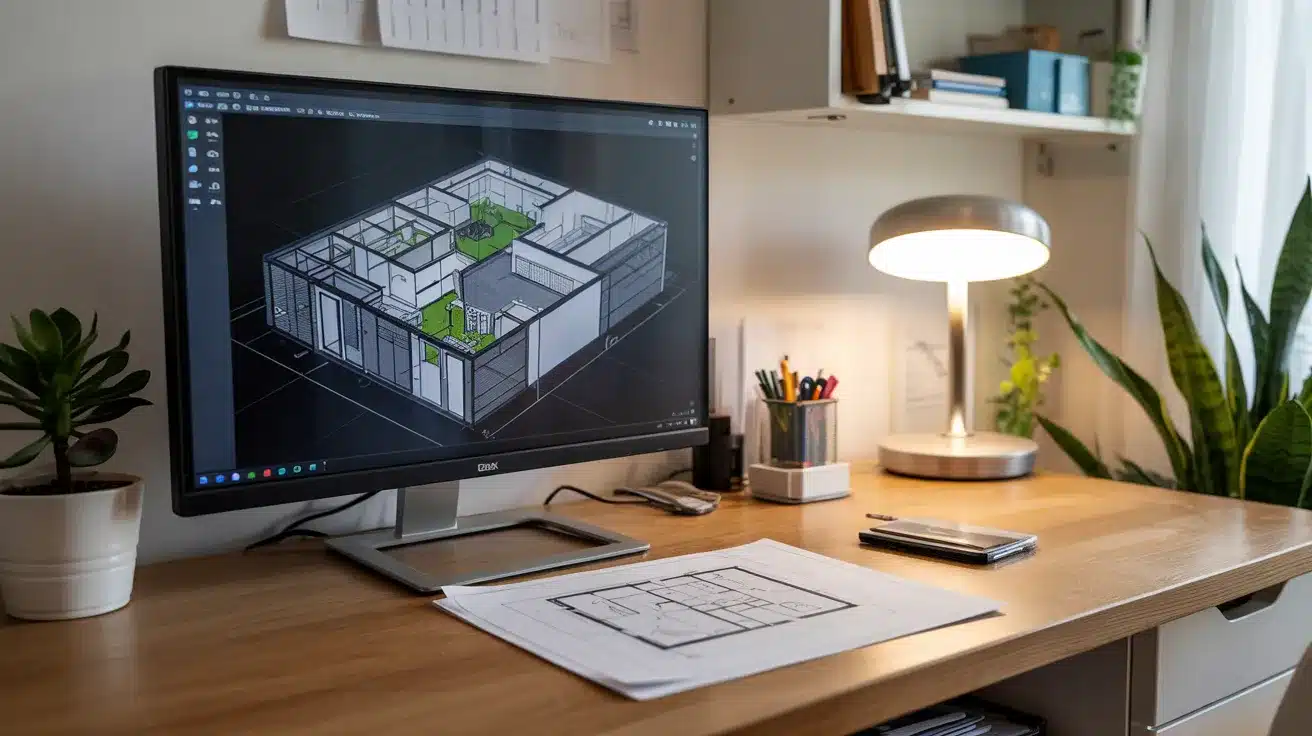
There is no single database where all home floor plans live. But a clear search strategy makes the process far less frustrating than most people expect. Here are seven ways that actually work.
1. Check Your Home Purchase Documents First
This is the easiest place to start. Realtors often include floor plans in the closing documents handed over at settlement.
Check your deed packet, inspection reports, and mortgage paperwork for any attached diagrams or layout drawings.
If you bought your home recently, your agent may still have the original file saved and can send it over with one quick email.
2. Contact Your Local Building Department or County Office
Most US local governments store building plans filed during permit applications. You can request records in person, by mail, or online through your county’s portal.
Have your full property address and parcel number ready before you call. Some offices charge a small fee, and very old records may need a scheduled appointment to retrieve from physical archives.
3. Reach Out to the Original Builder or Architect
Builders and architects often keep project files for years, sometimes decades. Your home’s original building permit usually lists the builder’s name.
Contact them with your property address and the approximate year of construction. If the original architect has retired or closed their firm, check whether another company took over their project records.
4. Ask Your Real Estate Agent
Your agent can pull listing history and attached documents from past sales. Many real estate listings, especially for newer properties, include detailed floor plans.
If the original listing is no longer active, your agent can often contact the previous owner directly and act as a go-between to track down the paperwork.
5. Talk to Your Neighbors
In planned communities and housing developments, builders often use the same design across multiple lots.
A neighbor with a similar layout may already have their floor plan on file, especially if they recently did renovation work.
This approach works best for tract homes where the same model was built repeatedly across a street or subdivision.
6. Search Online Property Listing Archives
Real estate platforms sometimes include floor plans in past property listings. Search your home’s address on sites that archive historical sales.
Online public records systems like the Nationwide Environmental Title Research database can also help you locate property history and attached documents tied to your address.
7. Look Through Historical Records and Library Archives
For older homes built in the late 1800s or early 1900s, builders commonly worked from historical plan books. Many of these publications are now available through public libraries and digital archives.
Local historical societies may also hold original blueprints or building histories for properties in your area.
Some libraries also keep old newspaper microfilm with real estate sections that featured home designs from that period.
What to Do If You Cannot Find the Original Floor Plan
Not every search ends with a file in your hands. If you have worked through the list above and come up empty, do not stop there. You still have two solid options.
Option 1: Hire a Professional to Create New Drawings
- An architect or draftsperson can visit your home and produce accurate “as-built” drawings from current measurements.
- This is the most reliable option when you need structural detail for a renovation, permit application, or legal matter.
- If the original architect is still practicing, contact them directly. They may already have partial notes or sketches from the original project.
- Expect a higher cost compared to other methods, but the result is a certified, professionally drawn document you can use for official purposes.
Option 2: Measure and Draw It Yourself Using Free Tools
- Measure each room’s length and width. Note the placement of every door, window, and fixed feature, such as closets or built-ins.
- Free tools like RoomSketcher, Planner 5D, and Coohom let you enter measurements and produce 2D or 3D floor plan views at no cost.
- This works well for furniture planning, interior design prep, and early renovation scoping.
- For permit applications, most US cities still require certified drawings from a licensed professional. A DIY plan will not meet that standard.
- Take photos of each wall as you measure. It speeds up the drawing process and gives you a clear visual reference to work from.
Floor Plans vs. Blueprints: What Is the Difference?
People often use these two words as if they mean the same thing. They do not. Knowing the difference helps you ask for the right document from the start and avoid wasting time.
| Feature | Floor Plan | Blueprint (Full Drawing Set) |
|---|---|---|
| What it shows | Room layout, walls, doors, windows | Floor plan plus structural, electrical, plumbing, and HVAC details |
| Level of detail | General layout and room dimensions | Full construction-level specifications |
| Who uses it | Homeowners, buyers, and interior designers | Contractors, engineers, permit offices |
| Good for | Furniture planning, listing photos, and renovation scoping | Construction work, structural changes, permit applications |
| Typically available from | Real estate listings, county records, and builder | Architect, builder, or county permit office |
| Copyright protected | Yes, if designed by a licensed architect | Yes |
Floor Plans of Common Home Styles
Knowing your home’s architectural style helps you understand what the floor plan should look like before you even see one. It also helps you spot whether any additions or changes were made after the original build.
1. Ranch-Style Homes
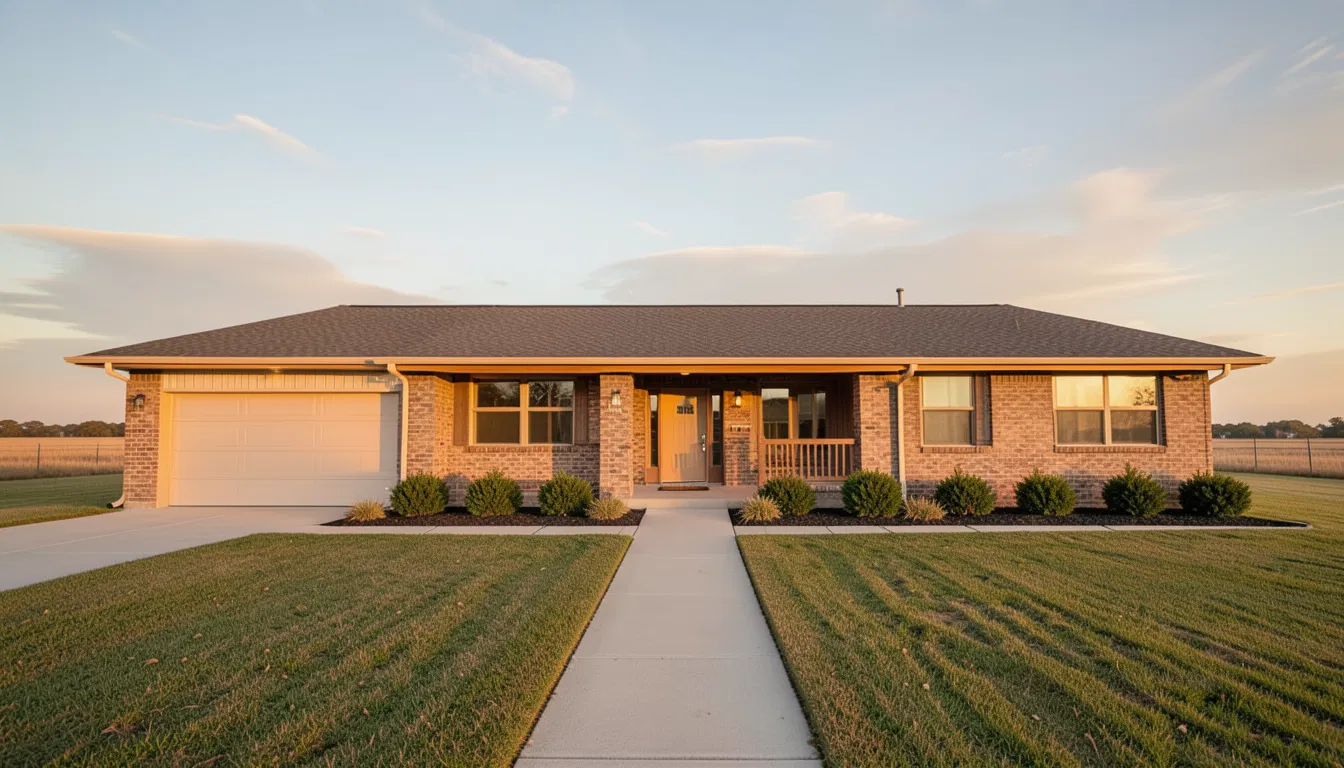
Ranch homes are single-level, with all rooms on one floor. The kitchen, living room, and dining area are often open to each other. Bedrooms cluster at one end, away from the main living space.
The footprint is usually long and rectangular, which makes these plans straightforward to read and verify.
2. Colonial-Style Homes
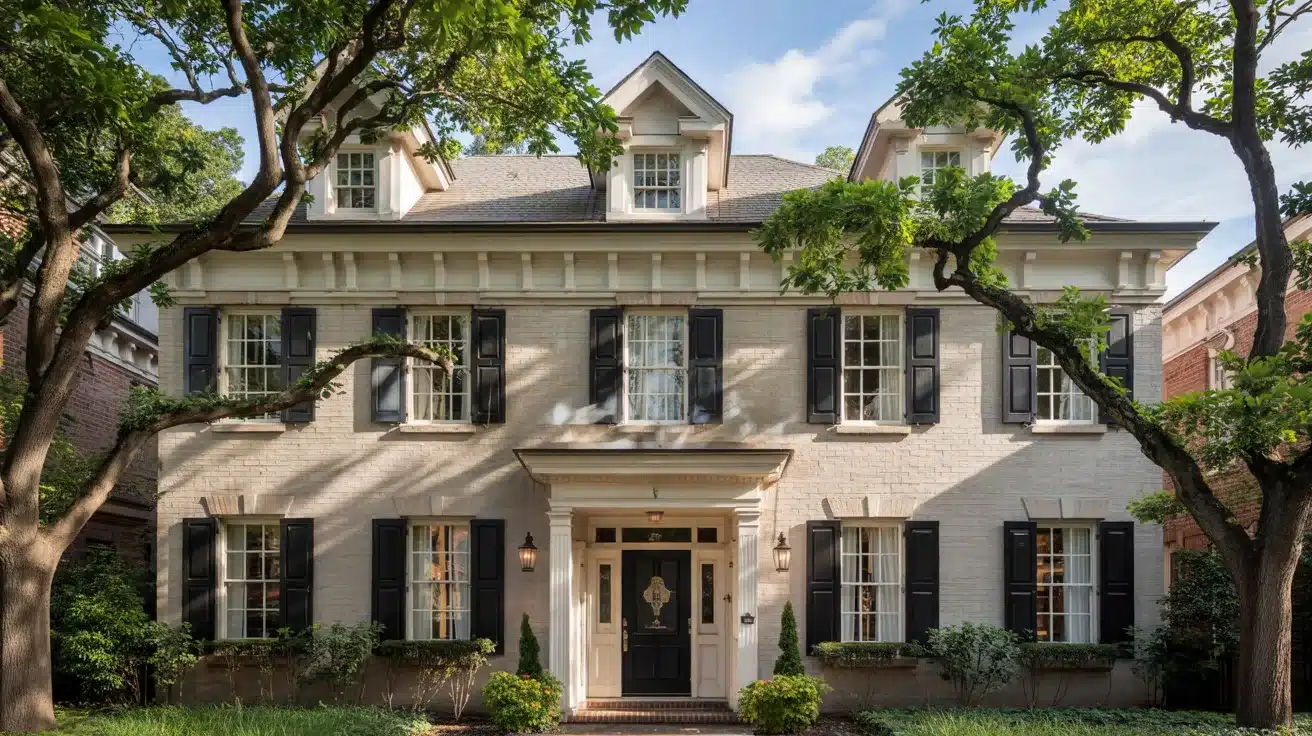
Colonial homes follow a two-story layout with a very symmetrical structure. The ground floor holds the living room, dining room, and kitchen. All bedrooms sit on the upper floor.
A central staircase connects the two levels, and a formal entry hall is almost always present at the front of the home.
3. Cape Cod Homes
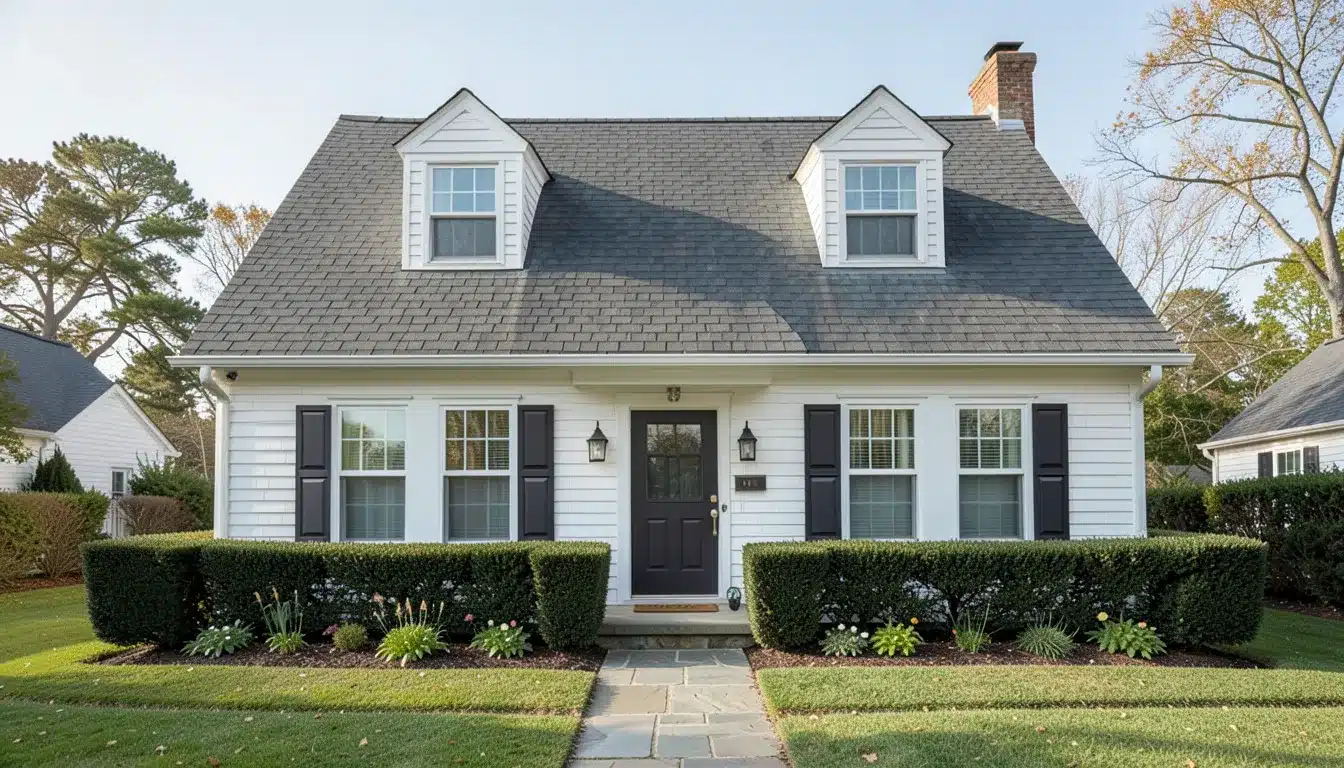
Cape Cod homes are one-and-a-half stories tall. The main living areas sit on the ground floor. Bedrooms are tucked into the upper floor under a steep roofline.
Ceiling height on the upper level can be lower near the edges, which the floor plan usually notes with dotted lines or elevation markers.
4. Split-Level Homes
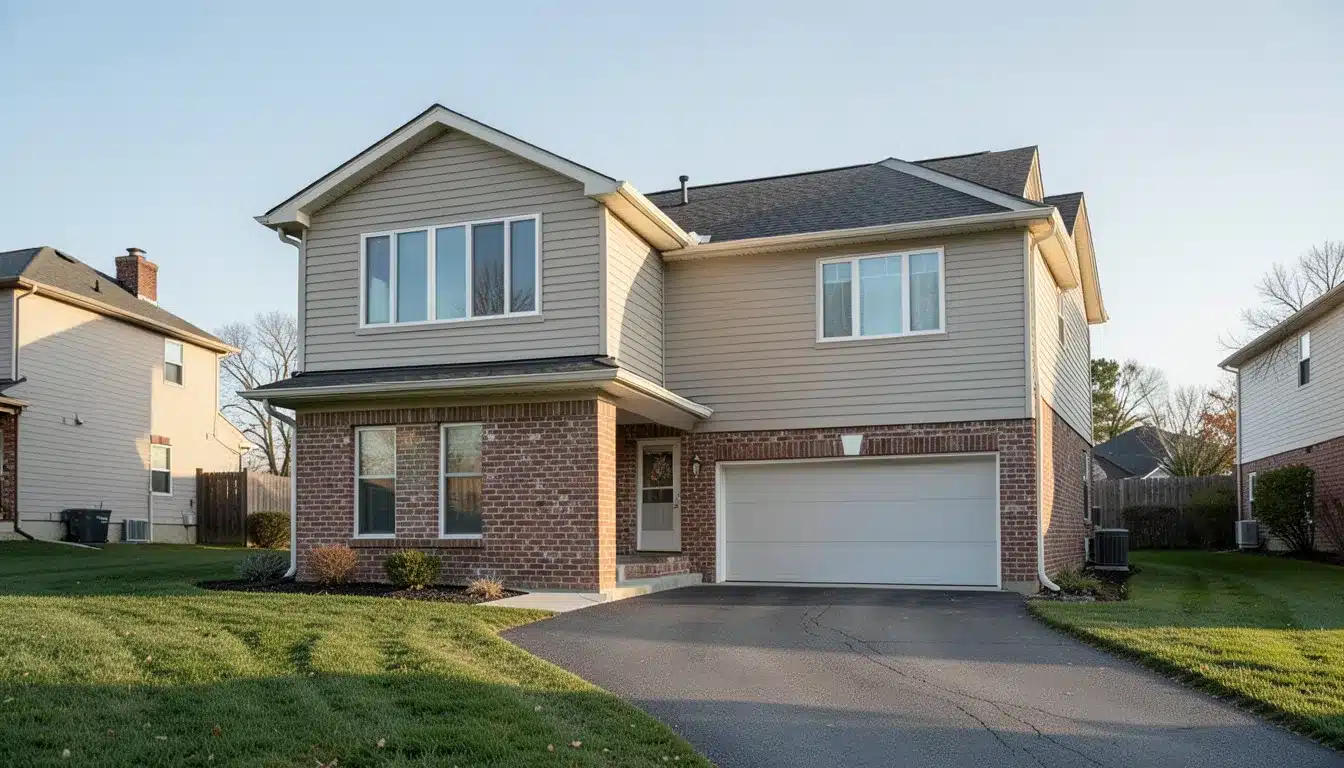
Split-level homes have three floors, each offset by half a flight of stairs. The entry level usually holds the living room and kitchen. Bedrooms sit on the upper level.
The lower level often has a family room, a laundry room, or access to a garage. Floor plans for split-level homes can look more complex than other styles because of the staggered layout.
5. Craftsman-Style Homes
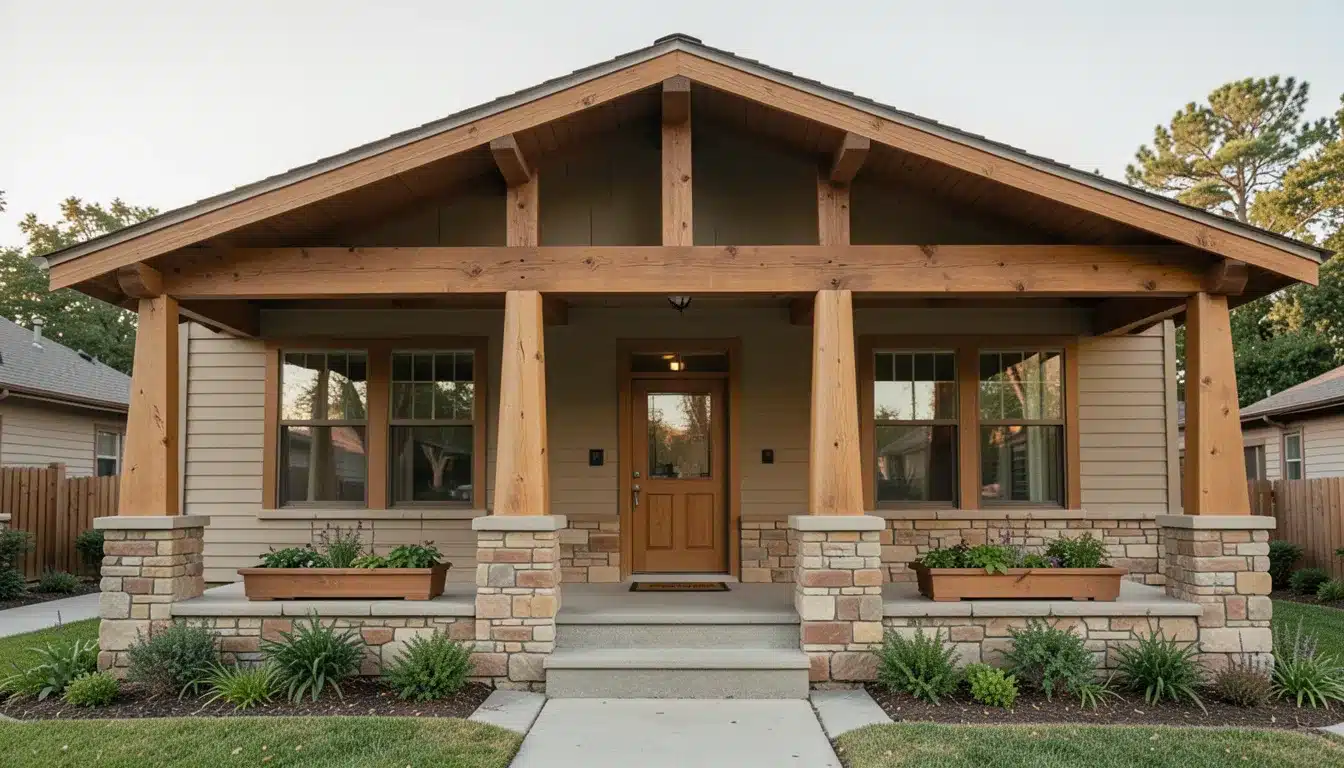
Craftsman homes typically have one or one-and-a-half stories and a practical, open layout. A wide front porch is almost always shown in the floor plan as part of the original design.
Inside, the living and dining areas flow into the kitchen without heavy separation. Built-in storage features like bookshelves and window seats often appear in the structural drawings.
6. Contemporary and Modern Homes
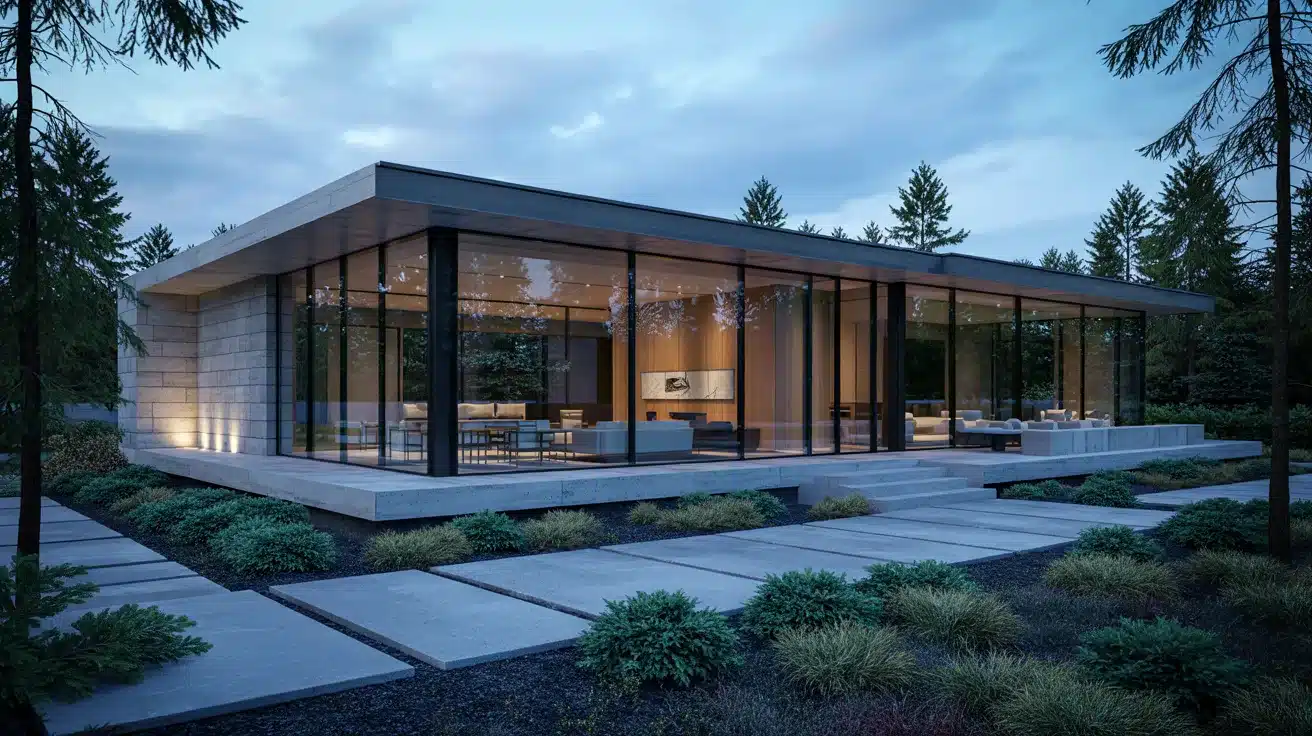
Contemporary homes use an open-concept layout with large, connected spaces and few interior walls. Large windows and sliding glass doors are structural features that appear clearly in the floor plan.
The primary bedroom suite is usually set apart from the secondary bedrooms. These homes are more likely to have digital floor plans stored with the original builder or developer.
7. Two-Story Traditional Homes
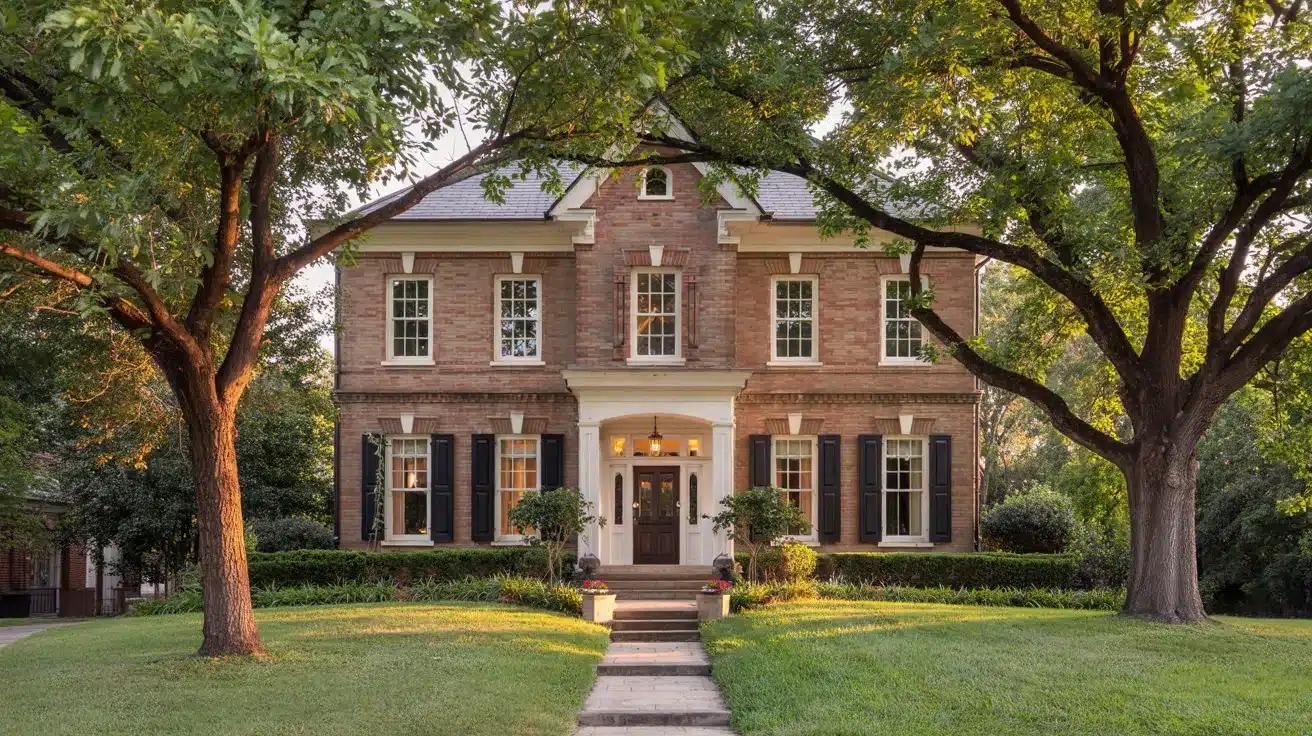
Two-story traditional homes are among the most common in US suburbs. The ground floor has the kitchen, dining room, living room, and a guest bathroom.
All bedrooms, including the primary suite, sit on the upper floor. The garage usually connects to the main floor through a mudroom or short hallway.
These plans are widely available through county permit offices because they were built under standard permit filings.
Common Reasons People Search for House Floor Plans
People come to this search from very different starting points. Some are planning a renovation. Others are in the middle of a real estate decision. Here is a quick look at the most common situations and what each one typically requires.
| Reason | What You Usually Need |
|---|---|
| Home renovation or remodel | Full floor plan with accurate dimensions and wall placement |
| Selling a home | A clean, presentable floor plan for marketing and listings |
| Buying a home | General layout to assess room size, flow, and usable space |
| Insurance claim after property damage | Original floor plan to verify the layout before the damage occurred |
| Furniture planning | Basic room dimensions with door and window placement |
| Adding a room or ADU | Full architectural drawings for permit applications |
| Verifying structural wall locations | Floor plan along with blueprints that show load-bearing details |
| Interior design project | Accurate room dimensions to plan layouts, lighting, and fixtures |
Pro Tips Before You Start Your Search
A little preparation before you begin saves a lot of time and unnecessary back-and-forth. Keep these points in mind before you pick up the phone or send your first email.
- Gather your property details first. Have your full address, parcel number, and approximate build year ready before contacting any office or professional.
- Start with what you already have. Check your closing documents before calling your building department. Many homeowners already have what they need and simply do not realize it.
- Know what you actually need. A basic floor plan works fine for furniture planning or a listing photo. For structural work or permit applications, you need a full set of architectural drawings.
- Verify what you find. Older floor plans may not reflect additions or renovations made by previous owners. Always check the plan against the physical space before making any major decision.
- Be patient with older records. Pre-digital records take time to pull. County offices may need several business days to locate and retrieve physical files from storage.
- Bring proof of ownership. Some offices will not release records without a deed, utility bill, or other document confirming your connection to the property.
How to Read a Floor Plan?
A floor plan uses simple symbols to show how a home is laid out. Solid lines represent walls. Gaps in walls show door or passage openings. Small arcs next to those gaps show which way a door swings.
Windows appear as thin parallel lines set into a wall segment. Each room is labeled by name and often includes its square footage.
A scale bar at the bottom of the drawing tells you the ratio between the drawing and real-world dimensions. Most plans also include a north-facing arrow to show the home’s orientation.
If you see dashed lines, they usually indicate something above floor level, such as a beam, a loft edge, or an overhead cabinet.
Summing It Up
Finding the floor plan of your house is not as complicated as it sounds. Start with what you already have.
Check your purchase documents, call your building department, and reach out to your builder or real estate agent. If nothing turns up, you still have clear options.
From hiring a professional to measuring and drawing it yourself with a free tool, there is always a way forward.
Knowing your home’s exact layout saves time, money, and a lot of guesswork when planning any kind of work on your property.
Have you tracked down your home’s floor plans before? What worked for you? Drop your experience in the comments below. It might be exactly what someone else needs to hear.