How to Create a Calm Family Command Center at Home

Family life can feel scattered when school papers, schedules, keys, meal plans and reminders are spread across the house. One child needs a permission slip signed, another has practice after school, the grocery list is missing and someone cannot find their library books.
A family command center gives all those everyday details one simple home. It does not need to be fancy or expensive. It just needs to be easy for everyone to see, use and maintain.
Choose a Location Your Family Already Uses
The best command center is placed where your family naturally passes through every day. If it is hidden in a room no one uses, it will quickly be forgotten.
Good spots include the kitchen, entryway, hallway, mudroom or a small wall near the garage door. The location should be visible and easy to reach. It should also be close to the items you want to organize, such as backpacks, keys, school papers or lunchboxes.
A small wall, side of a cabinet or corner near the door can be enough.
Start With the Family Calendar
A shared calendar is the heart of a family command center. It gives everyone one place to check school dates, appointments, activities, work schedules, birthdays and family events.
You can use a dry-erase calendar, printable monthly calendar or paper planner page clipped to the wall. Some families like to use a digital calendar too, but having a visible version at home helps kids and adults quickly see what is coming up.
Keep the calendar simple. Too much detail can make it harder to read. Use colors, symbols or short notes if that helps your family.
Create a System for School Papers and Forms
School papers can take over a kitchen counter quickly. Permission slips, homework notices, newsletters, artwork, party reminders and forms all need a place to land.
Try using labeled folders, clipboards, trays or wall pockets for each child. You can also create a simple system with three categories: “to sign,” “to return” and “to keep.”
The goal is to stop papers from floating around the house. When every paper has a clear spot, it is easier to find what needs attention and avoid last-minute morning searches.
Add a Place for Keys, Bags and Daily Essentials
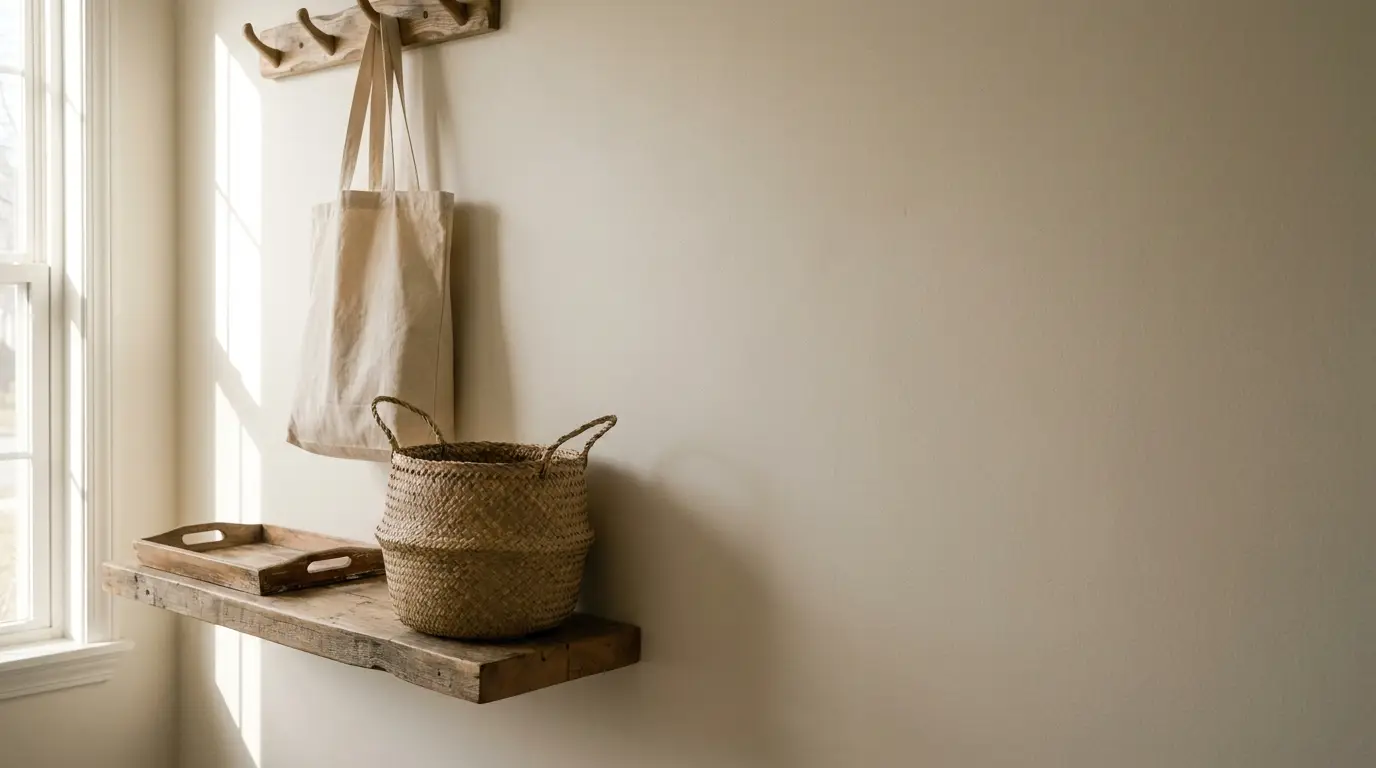
Morning chaos often comes from small things being in the wrong place. Keys, sunglasses, lunchboxes, backpacks, sports gear and library books can all slow everyone down when they are missing.
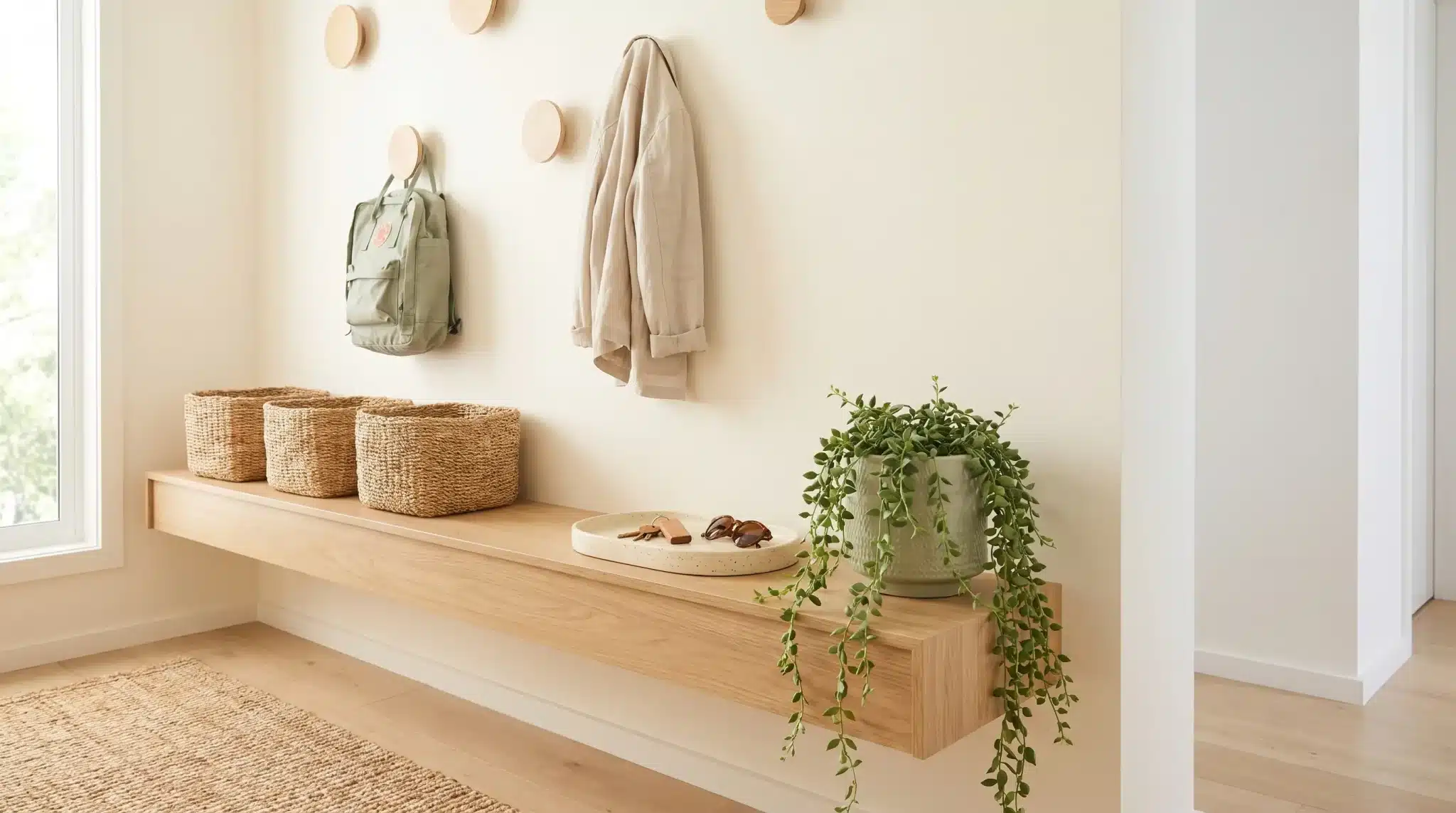
Hooks, baskets, trays and small shelves can make a big difference. Add hooks for backpacks or jackets. Use a small tray for keys and wallets. Keep a basket for items that need to leave the house the next day.
This part of the command center should be practical. If your family already drops things in one spot, build the system around that habit.
Include Meal Planning and Grocery Reminders
A command center can also help with meals. Add a weekly meal plan, grocery list or pantry reminder so everyone knows what is planned and what needs to be replaced.
A small whiteboard, printable meal planner or notepad works well. You can also create a “use this first” note for foods that need to be eaten before they expire.
This simple addition can reduce last-minute dinner stress. It also gives family members one place to write down items as they run out, instead of trying to remember everything on grocery day.
Use Printables to Make the System Simple and Pretty
Printables are an easy way to make a command center feel organized without spending much. Labels, chore charts, routine cards, meal planners, school checklists and calendars can all help the system look more intentional.
They also make expectations more visual for kids. A morning checklist can remind them to brush teeth, pack lunch, grab shoes and check their backpack. A chore chart can show who is responsible for what.
Choose printables that your family will actually use. Pretty is nice, but simple and readable is more important.
Pair Paper Systems With Helpful Digital Tools
A family command center does not have to be only paper-based. Digital tools can support the physical setup and reduce mental clutter.
Parents may use shared calendars, reminder apps, bill alerts, budgeting tools, automatic savings features or premium banking services to keep household tasks easier to manage. The key is choosing tools that simplify life, not tools that add more notifications and stress.
Think of the paper command center as the family’s visible hub and digital tools as the quiet backup system that helps keep everything moving.
Keep Kids Involved in the Routine
A command center works better when children understand how to use it. Even young kids can help hang backpacks, put papers in folders or check a picture-based routine chart.
Older children can update chore charts, add items to the grocery list, check activity schedules or pack what they need for the next day. These small responsibilities help kids build independence and reduce the number of reminders parents need to give.
The system should feel like a family tool, not just another thing for one parent to manage.
Do a Quick Weekly Reset
Even the best command center can become cluttered if it is not reset regularly. Set aside 10 to 15 minutes once a week to clear old papers, update the calendar and review what is coming next.
Check for forms that need to be signed, supplies that need to be restocked and activities that require planning. Refresh the meal plan, remove outdated reminders and make sure bags or baskets are not overflowing.
A weekly reset keeps the system useful. Without it, the command center can turn into another clutter zone.
Keep It Calm, Not Perfect
The goal is not to create a picture-perfect wall. The goal is to make daily life easier.
A simple clipboard, calendar and basket can work just as well as a beautifully styled setup if your family actually uses it. Start small, then add pieces only when you know they solve a real problem.
If something is not working, change it. A calm home system should support your family’s routines, not create more pressure.
One Organized Space Can Make the Whole Week Feel Easier
A family command center helps reduce stress by giving everyday items, papers and plans a clear home. When the calendar, school forms, keys, grocery reminders and routines are easy to find, the whole week can feel smoother.
With a simple setup and a regular reset, families can create calmer mornings, easier evenings and a home that feels a little more organized.