Why an In-Person Tour Still Matters More Than Online Reviews When Choosing a Preschool

Online reviews shape a lot of purchasing decisions today, but preschool selection is one area where relying primarily on star ratings and written reviews can actually work against a family’s interests.
What Online Reviews Actually Capture
Reviews tend to reflect a narrow slice of a much longer relationship, usually written at a moment of strong feeling, either very positive or very negative, rather than reflecting the full range of a program’s day-to-day operation.
The Selection Bias Problem
Parents who write reviews aren’t a representative sample of everyone who’s used a program. People with an unusually good or unusually bad experience are considerably more likely to post publicly than the majority whose experience was simply fine. A handful of reviews, positive or negative, can create an impression that doesn’t reflect the broader parent population’s actual experience.
What Reviews Can’t Show at All
A written review can’t capture how a teacher actually redirects a frustrated toddler, whether a classroom’s energy feels calm or chaotic, or how a director responds to a direct question asked in person. These are exactly the details that predict day-to-day fit, and none of them translate into a star rating.
What an In-Person Tour Reveals Instead
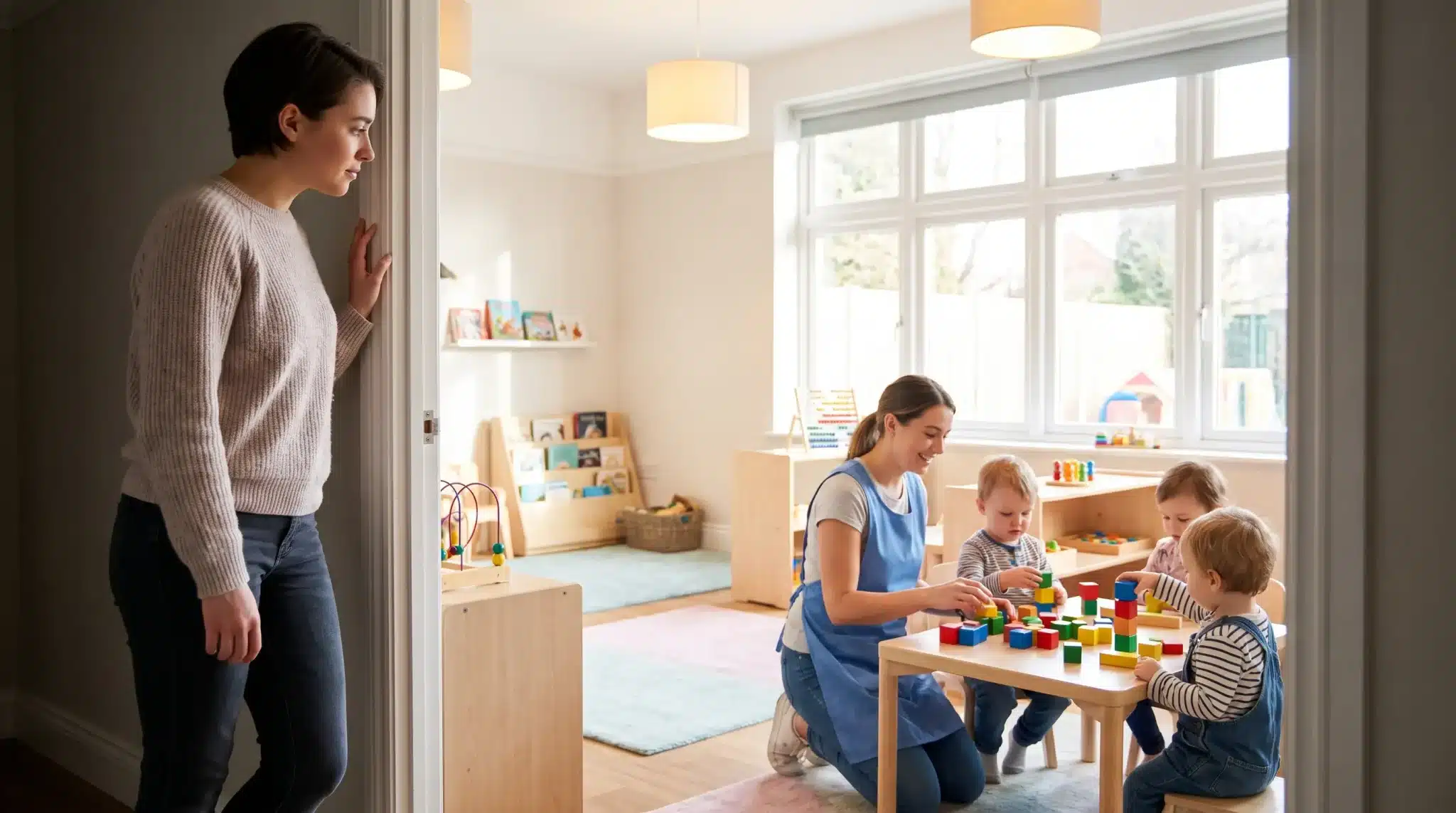
A tour puts a family directly in the environment their child will actually spend time in, which changes what kind of information becomes available.
- Real-time observation of teacher-child interaction, not a curated photo or a written description
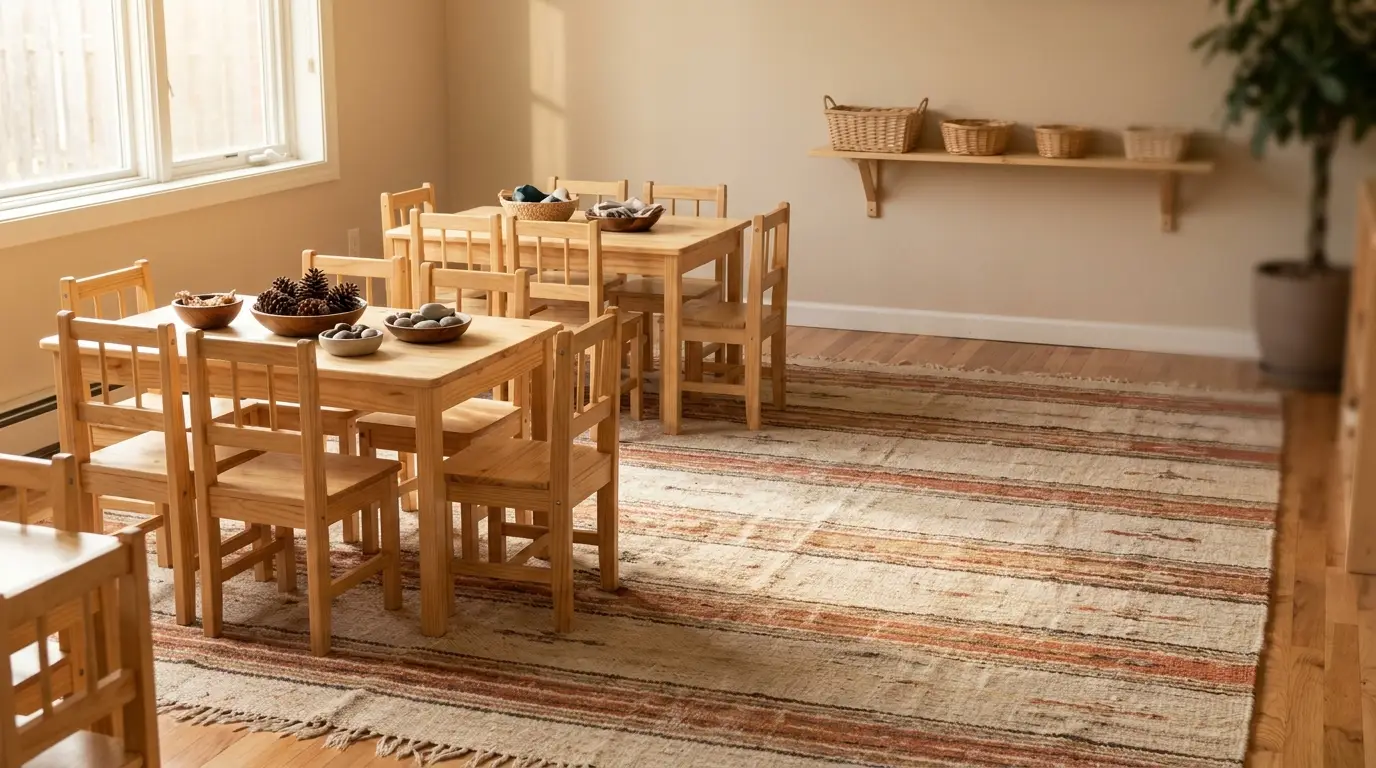
- A sense of the physical space, noise level, organization, cleanliness, that’s hard to convey accurately in writing
- The opportunity to ask specific, pointed questions and gauge how directly they’re answered
- A read on whether the program’s actual pace and structure matches what a specific child needs
Reviews Still Have a Role, Just Not the Primary One
None of this means online reviews are worthless. A pattern across many reviews, repeated mentions of the same specific issue or the same specific strength, is real, useful information. The problem comes from treating a handful of reviews as a substitute for direct observation, rather than as one input alongside it.
Making the Tour Itself Count
Getting real value from an in-person visit means going in with specific questions prepared, not just absorbing a general impression. Asking about ratios, staff turnover, and curriculum specifics during the visit, and watching how confidently those questions get answered, turns a tour from a pleasant walkthrough into an actual evaluation.
For families ready to move past reading about a program and see it directly, the most useful next step is simply to Schedule a tour todayand bring a specific list of questions along. What a family observes and asks in twenty minutes on-site tends to shape a final decision far more reliably than any collection of reviews read online beforehand.
What a Well-Run Tour Should Actually Offer
Not every tour is structured the same way, and the format itself reveals something about a program.
Signs of a Thoughtfully Run Visit
A strong tour includes time in an actual classroom during a normal part of the day, not just an empty room staged for visitors, along with a genuine opportunity to ask questions rather than a scripted walkthrough that rushes past them. Programs confident in their day-to-day operation generally welcome this kind of unscripted exposure rather than steering visitors away from it.
Red Flags Worth Noticing
A tour that avoids showing an active classroom, rushes through questions, or gives vague, general answers to specific questions about ratios or staff turnover is worth treating with some skepticism, regardless of how polished the rest of the visit feels.
Comparing Multiple Tours Without Losing Track
After visiting a few programs, details blend together quickly. Jotting down a few specific notes immediately after each tour, what stood out, what felt off, one unanswered question, makes the eventual comparison far more useful than trying to reconstruct impressions from memory once several visits have happened.
Trusting the Combination
Reviews can point toward programs worth investigating further. Licensing records can rule out serious concerns before a visit even happens. But the tour itself, the direct observation and the direct questions, remains the step that actually determines fit, and it’s worth treating as the central part of the decision rather than a formality to complete after the research is already done.