

What Is a Standard Pillowcase Size? Complete Guide

You bought new pillowcases. They arrived. And somehow, they just do not fit right. Too loose. Too tight. Or just… off.
It happens more often than you think, and the fix is simpler than you expect.
In this guide, you will learn the exact standard pillowcase size used in the U.S., how it compares to other sizes, how international dimensions differ, and how to measure your pillow correctly.
We will also cover different pillowcase styles so you can shop with confidence next time.
What Is a Standard Pillowcase Size?
A standard pillowcase in the U.S. measures 20 x 26 inches (roughly 51 x 66 cm). But here is the thing: the pillowcase is usually slightly larger than the pillow insert inside it.
That extra room allows the pillow to fit without stretching the fabric. The word “standard” can also confuse people, because sizes can vary slightly between brands and countries.
So what is called standard in the U.S. may not match what you find in the U.K. or Australia.
Common Pillowcase Sizes
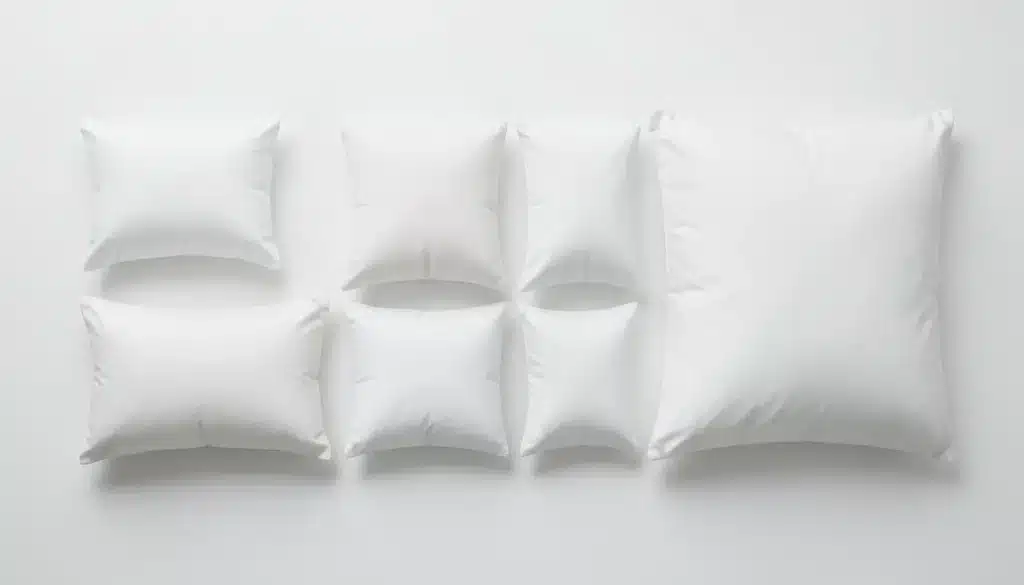
Not all pillowcases are the same size. Knowing the right size before you buy saves you from a poor fit and a lot of frustration. Here is a full breakdown of the most common pillowcase sizes you will come across.
Pillowcase Size Comparison Chart
| Pillowcase Type | Inches | Centimeters | Best For |
|---|---|---|---|
| Standard | 20 x 26 in | 51 x 66 cm | Twin, Full beds |
| Super Standard | 20 x 28 in | 51 x 71 cm | Full, Queen beds |
| Queen | 20 x 30 in | 51 x 76 cm | Queen beds |
| King | 20 x 36 in | 51 x 91 cm | King beds |
| Body Pillow | 20 x 54 in | 51 x 137 cm | All bed types |
| Euro / Square | 26 x 26 in | 66 x 66 cm | Decorative / all beds |
| Travel | 12 x 16 in | 30 x 41 cm | Travel, kids beds |
1. Standard Pillowcase Size
This is the most widely used size in the U.S. and the go-to choice for most households. It works best on twin and full-size beds and is easy to find in almost any store.
2. Super Standard Pillowcase
This size is often overlooked, but it solves a very common problem. If your pillow keeps slipping out of a standard case, the extra 2 inches in length on a super standard will keep things in place.
3. Queen Pillowcase Size
Queen pillowcases provide full coverage for your pillow, even after a restless night. The added length ensures the pillow does not peek out of the open end of the case.
4. King Pillowcase Size
King pillowcases are built for wider, longer pillows that sit across a king-size bed. Using the right case here also gives your bed a clean, put-together look.
5. Body Pillowcase Size
Body pillows are long by design, and their cases need to match. This size is especially popular among side sleepers and those who need extra support through the night.
6. Euro / Square Pillowcase
Euro cases are more about style than sleep. Most people place them at the front of the bed as a decorative layer, and they work well with any bed size.
7. Specialty Sizes
Travel, throw, and ergonomic pillowcases do not follow a fixed size chart. Always measure your pillow insert before buying any specialty case, since sizing varies widely by brand and shape.
Standard Pillowcase Dimensions
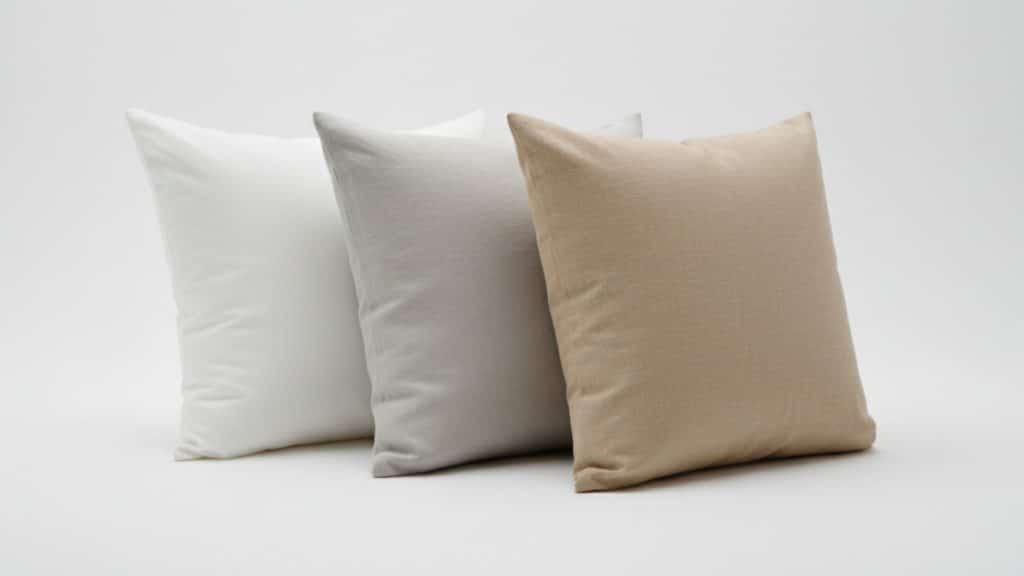
You might think a standard pillowcase is the same everywhere. Spoiler: it is not, and that is exactly why so many people end up with the wrong fit.
Standard Size (U.S.)
When people in the U.S. say “standard pillowcase size,” they mean one specific set of measurements. Here is what that looks like:
- Dimensions: 20 x 26 inches / 51 x 66 cm
- Best for: Twin and full-size beds, though it also works on queen beds in many homes
- Fit note: The case is slightly larger than the pillow insert, so the fabric does not pull or tear over time
International Differences
The word “standard” changes meaning the moment you cross a border. Here is how dimensions shift around the world:
- UK Standard: 19 x 29 inches / 48 x 74 cm, which is narrower but longer than the U.S. version
- European Standard: Typically 26 x 26 inches / 65 x 65 cm, a square format used widely across mainland Europe
- Australian Standard: Usually 20 x 30 inches / 51 x 76 cm, which is closer to the U.S. queen size
Quick Tip: The word “standard” on a product label does not always mean the same thing across brands or countries. Always check the actual measurements listed on the packaging before you buy. A few centimeters of difference can make the fit feel completely off.
How to Measure Your Pillow for the Right Pillowcase

Getting the right pillowcase fit starts with one simple step: measuring your pillow correctly. Skip this, and you risk buying a case that is either too tight or too loose.
Tools You Need:
| Tool | Purpose |
|---|---|
| Soft tape measure | To get accurate length and width readings |
| Flat surface | To lay the pillow down without it bunching up |
| Pen and paper | To note down the measurements before you shop |
Step 1: Remove the Existing Pillowcase
Always measure the bare pillow insert, not the one with a case. The case adds extra bulk and will give you a slightly off reading. This one small step makes a big difference in getting the size right.
Step 2: Lay the Pillow Flat
Place the pillow on a flat surface and press it gently down until it lies flat. This stops the stuffing from shifting and gives you a more accurate shape to measure. A lumpy or folded pillow will throw off your numbers every time.
Step 3: Measure the Length
Run your tape measure from one end of the pillow to the other along the longest side. Write this number down right away so you do not forget it. Most people skip this step and then second-guess themselves at the store.
Step 4: Measure the Width
Now measure across the shorter side of the pillow. This is just as important as the length, especially for square or body pillows, where both sides matter. Do not assume the width; always measure it fresh.
Step 5: Add Extra Inches for Fit
A good rule of thumb is to add 1 to 2 inches to both measurements. This extra room ensures the pillow slides in easily without stressing the seams. It also keeps the pillow looking full and neat inside the case.
Standard Pillowcase vs Other Pillowcase Forms
Shopping for pillowcases sounds simple until you see how many types are actually out there. Knowing the difference between each style helps you pick the right one for the right purpose.
1. Pillowcase vs Pillow Sham
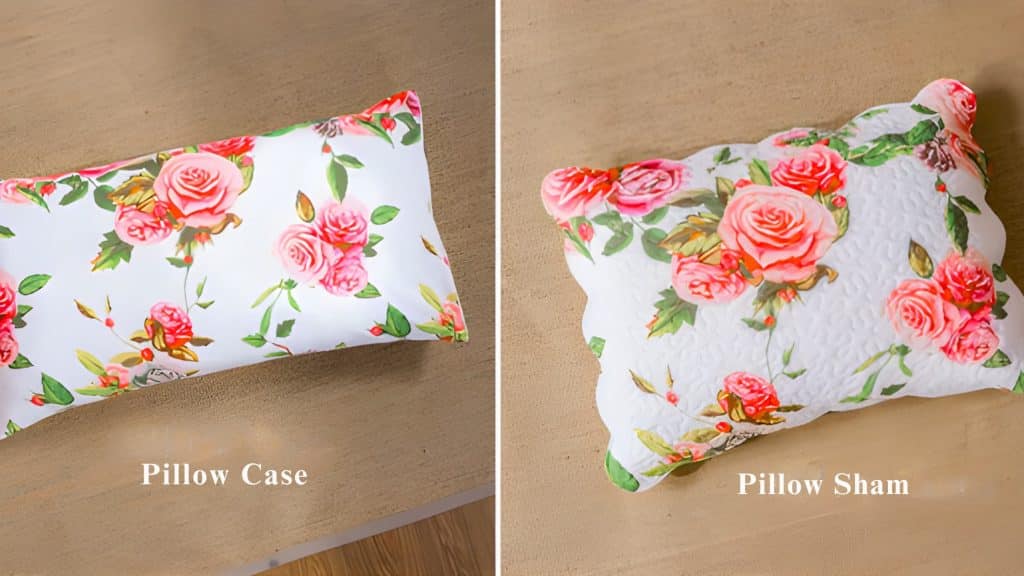
These two look similar on the shelf, but they serve very different purposes in your bedroom setup.
- A standard pillowcase is made for everyday sleep. It is soft, simple, and built to be washed often.
- A pillow sham is mostly decorative. It sits on top of the bed during the day and is usually removed at night.
- Shams often have a more finished look with patterns or textures, while pillowcases focus on comfort over style.
2. Housewife vs Oxford Pillowcases

Both are common pillowcase styles, but the difference lies in one small design detail that changes the whole look.
- A housewife pillowcase has a clean, simple edge with no extra border. It is the most common type used in homes and hotels.
- An Oxford pillowcase has a flat fabric border, usually 2 to 3 inches wide, stitched around the outside edge.
- The Oxford style gives the bed a more polished, finished look, while the housewife style keeps things neat and minimal.
3. Envelope and Zipper Closures
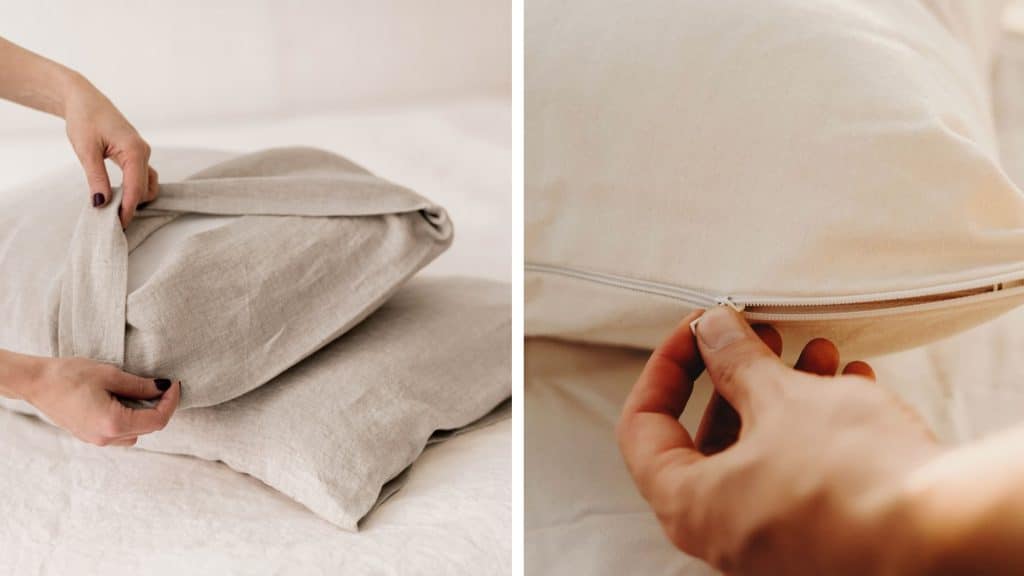
The closure type on a pillowcase affects both how it looks and how well it keeps the pillow in place.
- An envelope closure has a folded flap at the open end that tucks over the pillow. No buttons, no zippers, just a clean finish.
- A zipper closure runs along one edge, fully sealing the pillow inside. It is a practical choice for allergy-friendly or protective cases.
- Zipper cases are great for keeping the pillow secure through the night, while envelope closures are easier to put on and take off.
How to Choose the Right Pillowcase
Start by measuring your pillow insert and matching it to the correct pillowcase size. Then think about what matters most to you: softness, durability, or a neat look on your bed.
Cotton works well for everyday use, while satin or bamboo suits sensitive skin. Also, check the closure type and thread count before you buy.
A little thought upfront saves you from having to return the wrong case later.
Closing Remarks
Getting the right pillowcase comes down to knowing your pillow size first. A standard pillowcase size in the U.S. measures 20 x 26 inches, but as we covered, sizes shift across countries, brands, and bed types.
Measure your pillow before you buy, check the closure style, and match the case to your actual needs. A well-fitted pillowcase makes your bed look neat and sleep more comfortable.
It is one of those small details that most people overlook but genuinely makes a difference every single night.
If you are still unsure about sizing, go back to the measurement guide in this blog and follow each step. Have questions about sizing or a tip that worked for you? Drop it in the comments below.
We would love to hear from you.