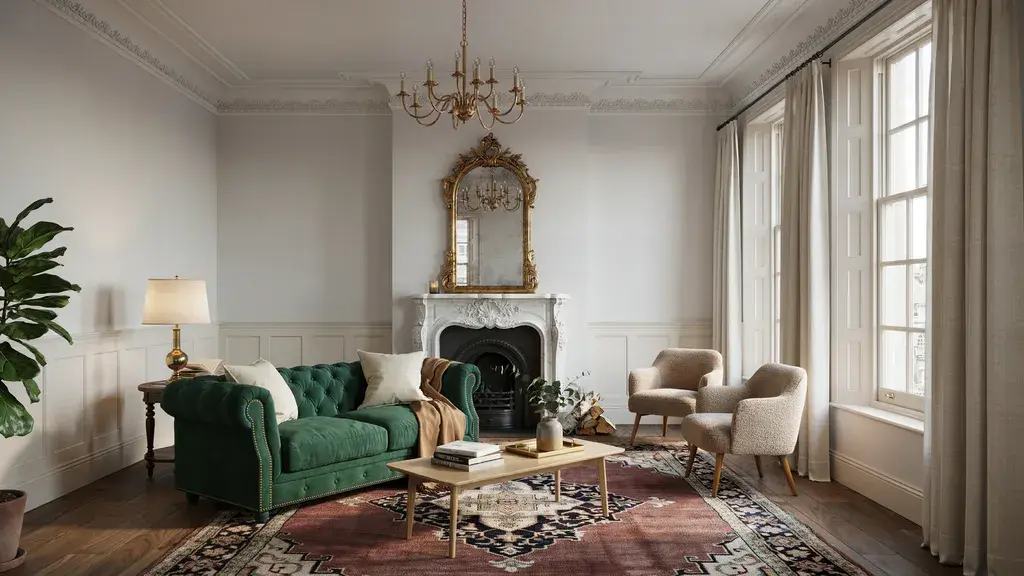
Modern Victorian Interior Design: 15 Timeless Ideas

You love deep jewel tones, carved wood, and layered fabrics. But you also want a home that feels comfortable, not like a period room behind a velvet rope.
That tension is exactly what modern Victorian interior design is built to solve.
It takes the best parts of the Victorian era, the bold color, the craftsmanship, the personality, and pairs them with the cleaner, more functional approach we expect from homes today.
This post covers specific, room-by-room ideas you can use right now. Each one is grounded in how designers approach this style today. You will find ideas that fit your space and your budget, no full renovation required.
What Is Modern Victorian Interior Design?
Modern Victorian interior design combines the ornate character of 19th-century Victorian homes with the comfort and simplicity of modern interiors.
It uses rich colors, ornate details, luxurious fabrics, and craftsmanship while balancing them with clean lines, open spaces, and contemporary furniture.
Originating during Queen Victoria’s reign (1837–1901), Victorian interiors became known for detailed woodwork, patterned textiles, decorative wallpapers, and layered décor.
Today, the style focuses on carefully chosen vintage-inspired elements paired with modern layouts. The result is a home that feels full of character without looking like a history exhibit.
Modern Victorian vs Traditional Victorian Design
Both styles share the same roots. The difference is how much restraint you apply. Here is a quick look at where they split:
| Traditional Victorian | Modern Victorian |
|---|---|
| Heavy decoration on every surface | One or two statement details per room |
| Dark colors covering most walls | Rich colors balanced with lighter neutrals |
| Matching antique furniture sets throughout | Mix of vintage and contemporary pieces |
| Formal, stiff room layouts | Comfortable, functional spaces |
| Multiple competing patterns in one room | Controlled patterns with a shared color palette |
The goal is not to recreate a period room. It is to bring Victorian character into a home that still works for daily life.
Key Features of Modern Victorian Interior Design
Six elements define this style. You do not need all of them to get the look, but combining three or more creates a strong, cohesive result.
- Rich, layered color palettes that pair jewel tones with neutral backgrounds.
- Decorative architectural details such as crown molding, ceiling roses, and wainscoting.
- A mix of antique and contemporary furniture for a collected rather than period-perfect look.
- Luxurious textures including velvet, linen, wood, marble, and brass finishes.
- Layered lighting using chandeliers, sconces, table lamps, and warm ambient lighting.
- Statement décor like ornate mirrors, botanical artwork, patterned wallpaper, and carved wood accents.
Victorian Sub-Styles Worth Knowing
The Victorian era lasted over 60 years, so the style is not a single look. These are the three most popular versions designers work with today:
- High Victorian: The most ornate version. Think button-tufted velvet chairs, patterned wallpaper, carved dark wood, and layered patterns. Best for those who want maximum richness.
- Romantic Victorian: Softer and lighter. Pale pinks, creams, lace, floral fabric, and soft lighting. Works well in bedrooms and sitting rooms.
- Gothic Victorian: Darker and more dramatic. Deep jewel tones, arched forms, stained glass details, and heavy drapes. Good for home offices and dining rooms.
Most modern Victorian homes blend two of these sub-styles. A Gothic-leaning study and a Romantic bedroom in the same home can work well together.
15 Modern Victorian Interior Design Ideas
From timeless architectural details to updated colors and modern finishes, these ideas show how to bring Victorian character into a comfortable, livable home today.
1. Start with a Jewel-Toned Color Palette
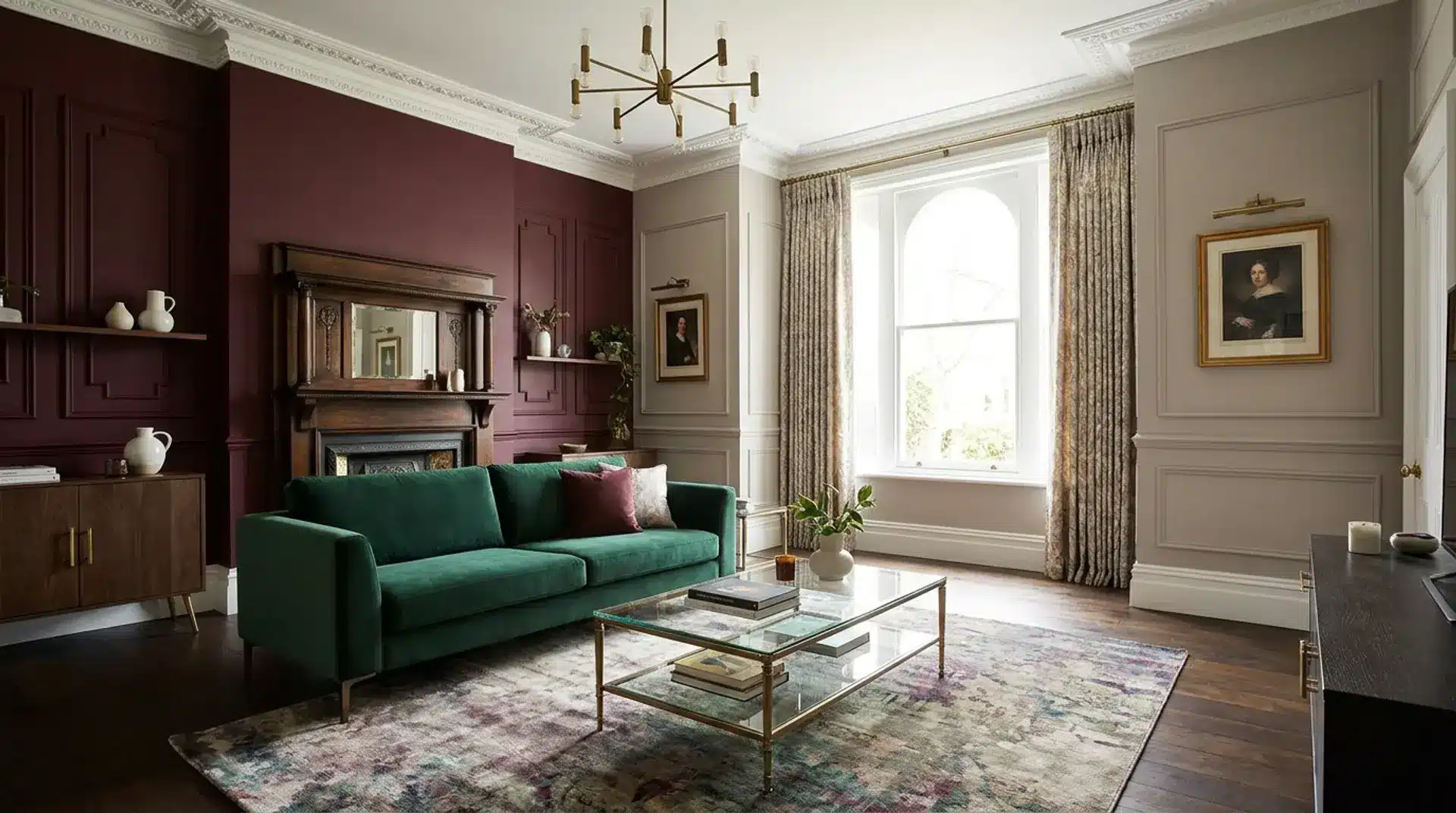
Jewel tones instantly bring Victorian elegance into a space. Pairing them with light neutrals creates a balanced look that feels rich without overwhelming the room.
Best Colors: Emerald green, navy, burgundy, and plum. Pair with cream, warm white, or soft gray.
For bold navy and midnight blue wall inspiration, midnight blue design ideas show how deep tones work across different home styles.
Designer Tip: Paint one accent wall instead of the whole room. Repeat the color in cushions or curtains for a cohesive finish.
2. Use Bold Wallpaper in One Room, Not Every Room
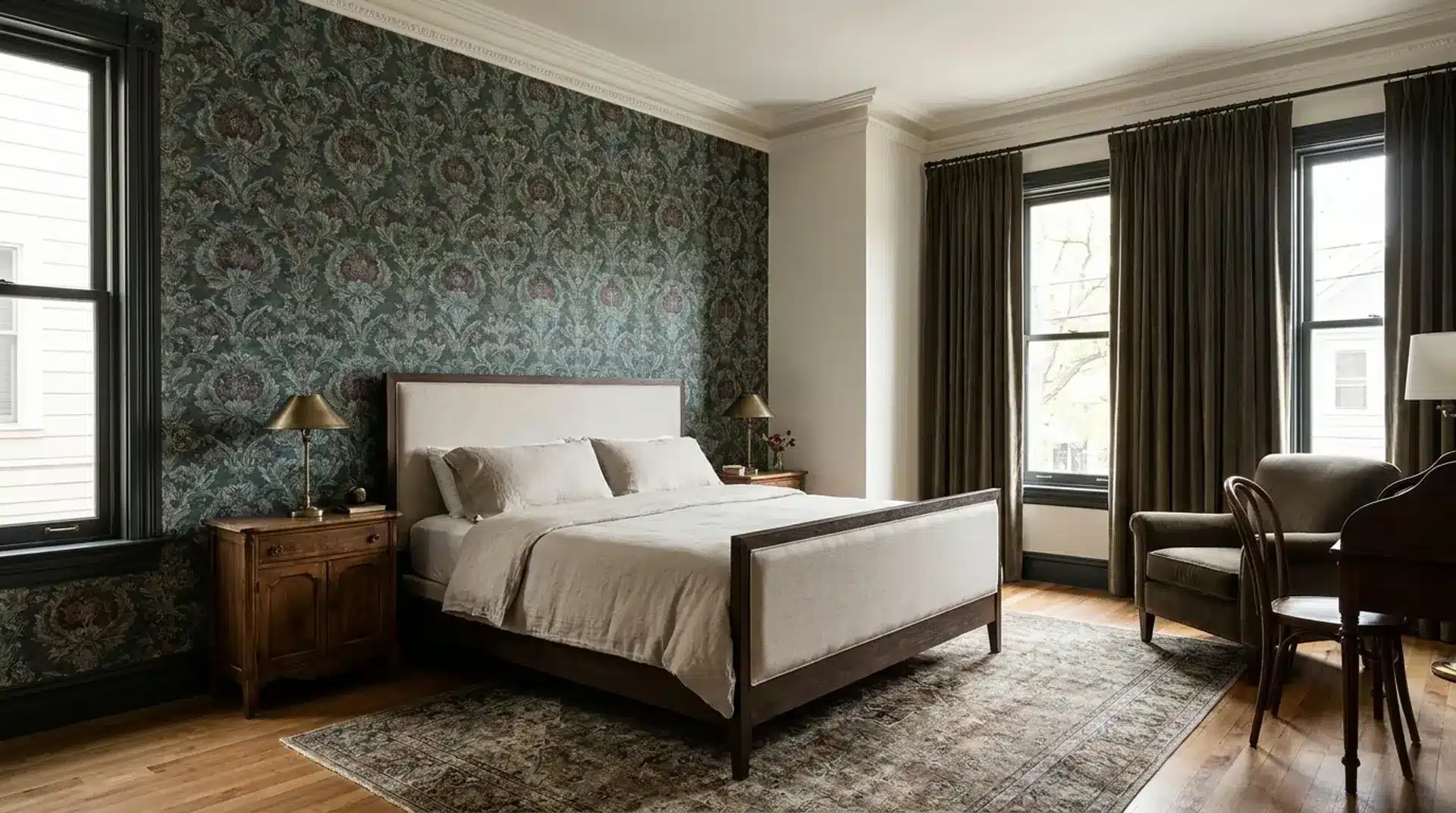
Bold wallpaper adds instant Victorian character without making the entire home feel busy. Limiting it to one space keeps the design modern and balanced.
Patterns to Choose: Floral, damask, botanical, and William Morris-inspired prints in rich, muted tones.
Best Places: Bedrooms, powder rooms, and home offices create the biggest impact with the least visual clutter.
3. Invest in One Statement Velvet Piece
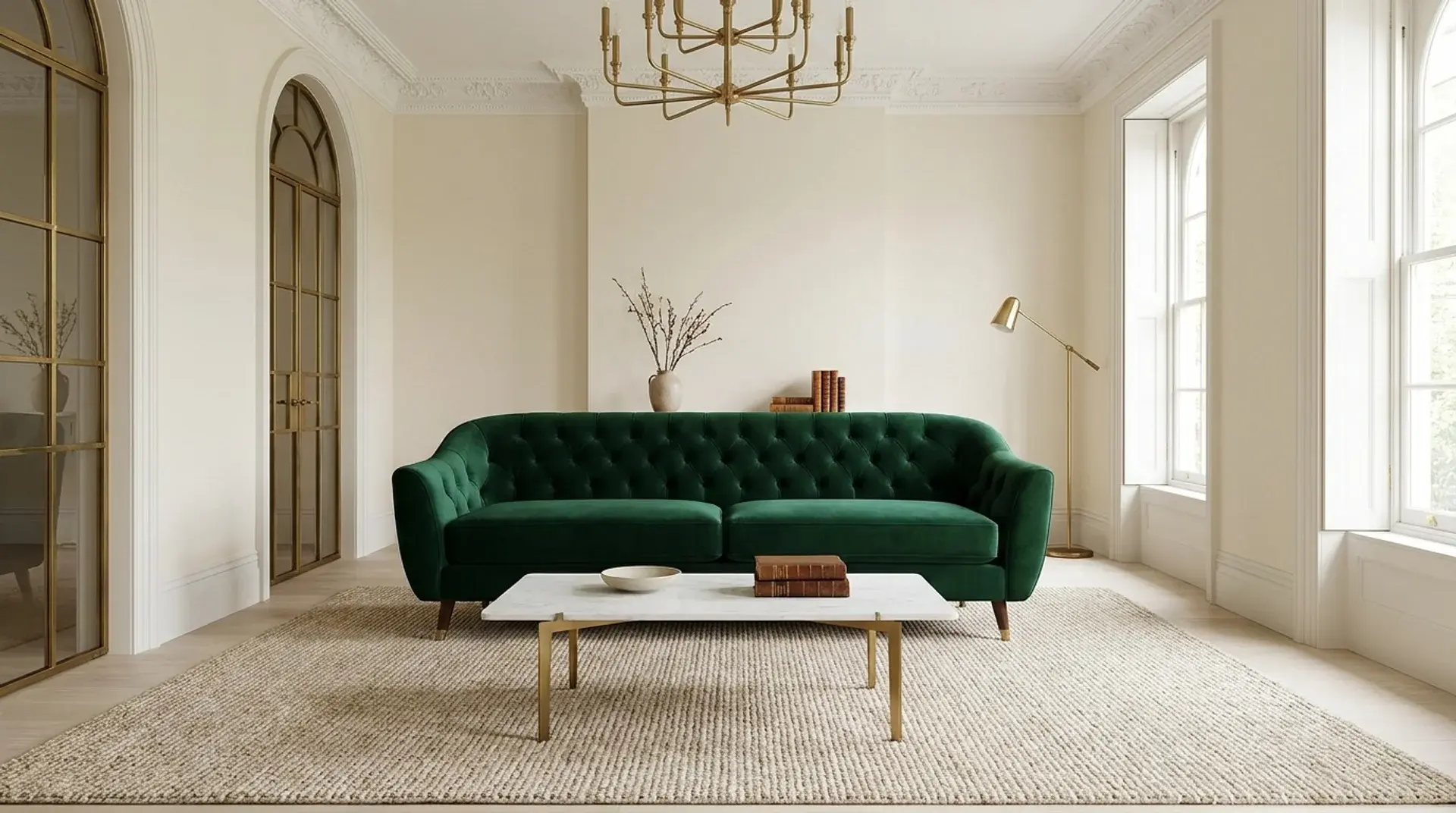
A single velvet furniture piece adds luxury and texture while becoming the room’s natural focal point. One quality piece is often all you need.
Best Furniture: Tufted sofas, armchairs, chaise lounges, or upholstered benches in emerald, sapphire, or burgundy.
Designer Tip: Pair velvet with simple furniture and clean lines to keep the room feeling current.
4. Add Crown Molding and Wainscoting
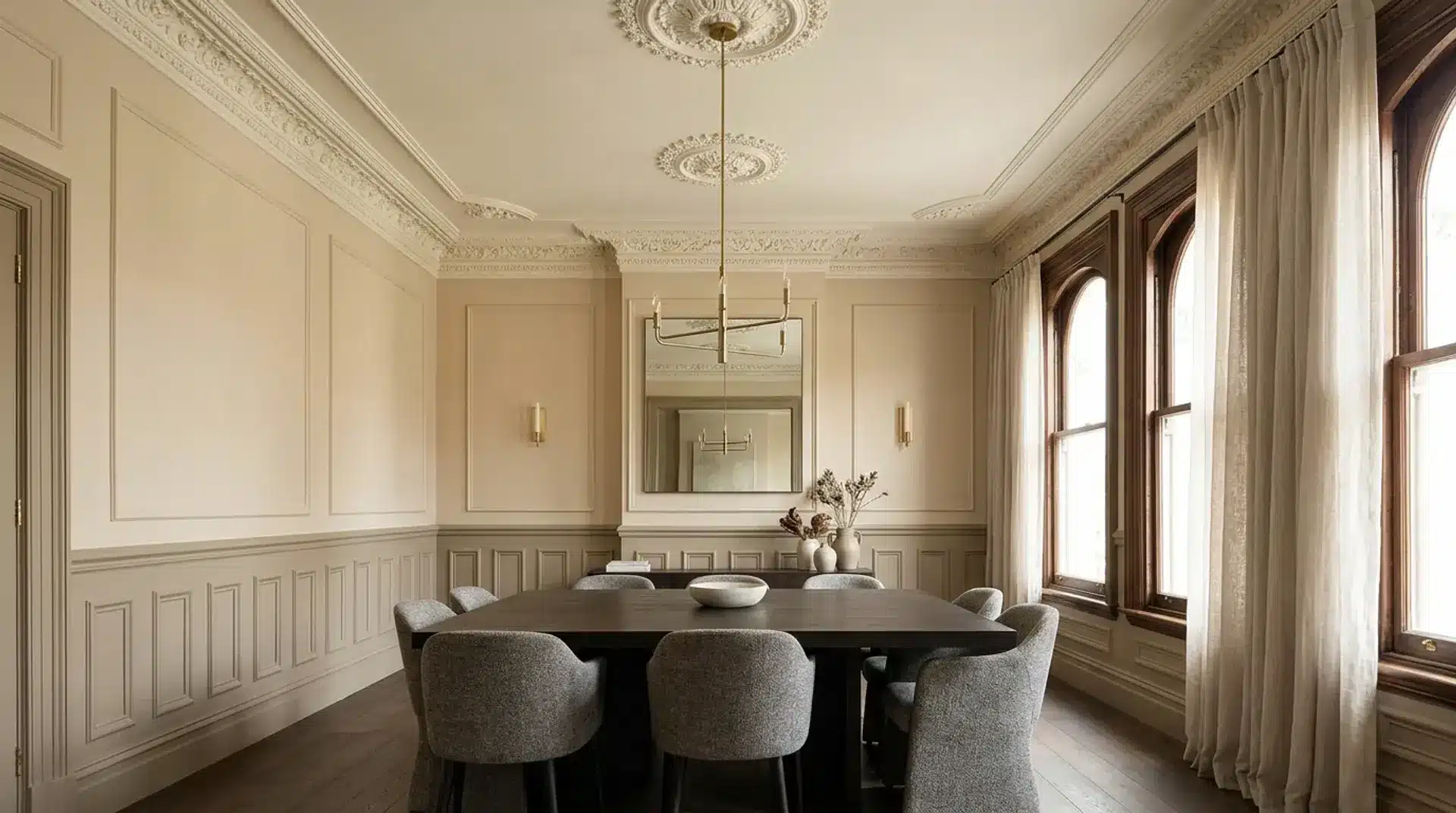
Decorative wall details instantly give a room Victorian charm while adding depth and architectural interest. They work in both traditional and modern homes.
Where to Install: Ceilings, dining rooms, entryways, living rooms, and hallways.
Budget Option: Use peel-and-stick molding, then paint it to match or slightly contrast with your walls.
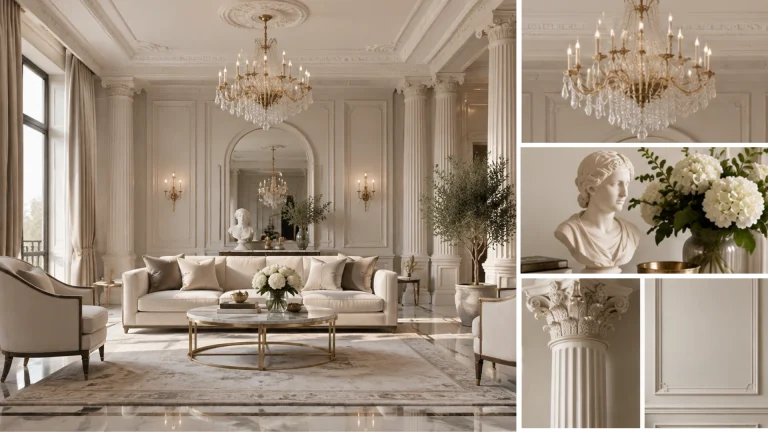
5. Layer Your Lighting & Start with a Chandelier
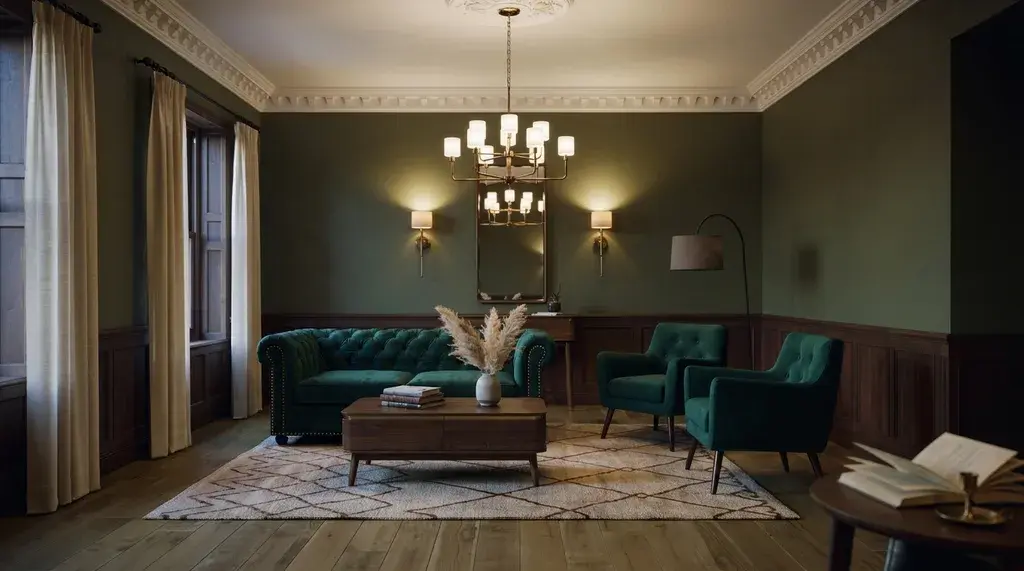
Layered lighting creates the warm, inviting atmosphere that Victorian interiors are known for. Combining multiple light sources adds depth and character.
Lighting Essentials: A brass chandelier, wall sconces, table lamps, and floor lamps.
Designer Tip: Choose warm white bulbs ($2700K–$3000K) to enhance dark wood and jewel-toned décor.
6. Mix Antique Finds with Modern Furniture
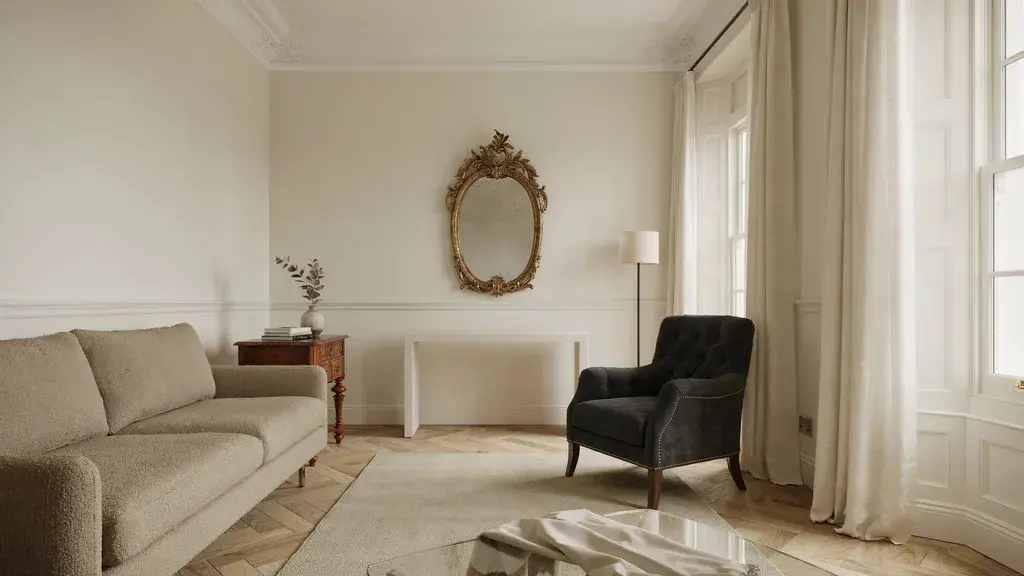
Blending antique pieces with contemporary furniture keeps Victorian interiors elegant without feeling outdated. The contrast creates visual interest.
Best Pairings: Ornate mirrors, carved side tables, or vintage bookcases with modern sofas and minimalist décor.
Designer Tip: A good starting point is 70% modern foundation and 30% Victorian character. This stops the room from feeling too historical while keeping the charm.
7. Mix Patterns But Keep the Colors Consistent
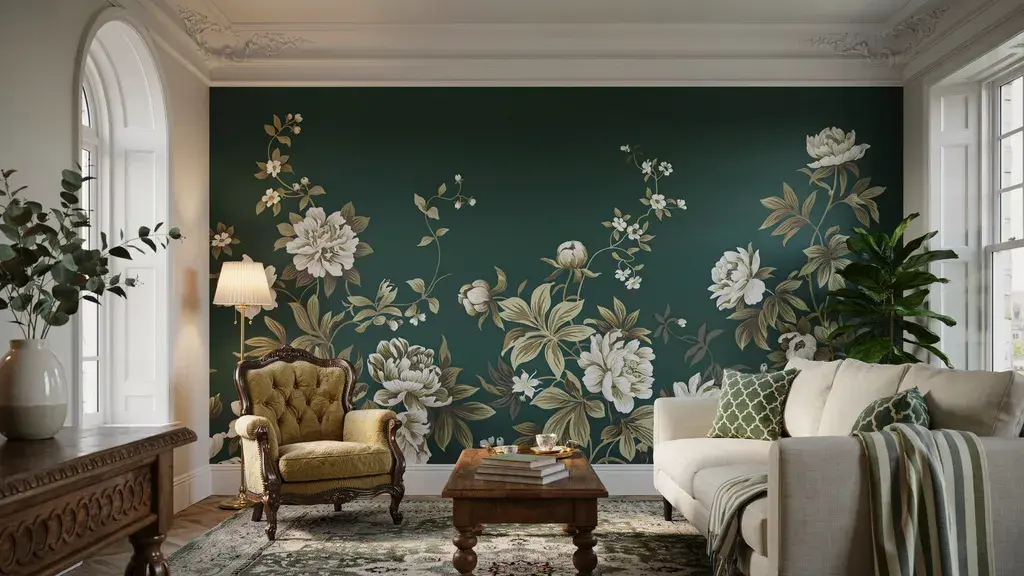
Victorian interiors embrace layered patterns, but a consistent color palette keeps everything feeling intentional instead of overwhelming.
Patterns to Mix: Floral, damask, stripes, and geometric prints in similar color families.
Designer Tip: Combine large and small patterns while repeating the same colors throughout the room.
8. Bring in Dark Wood Furniture
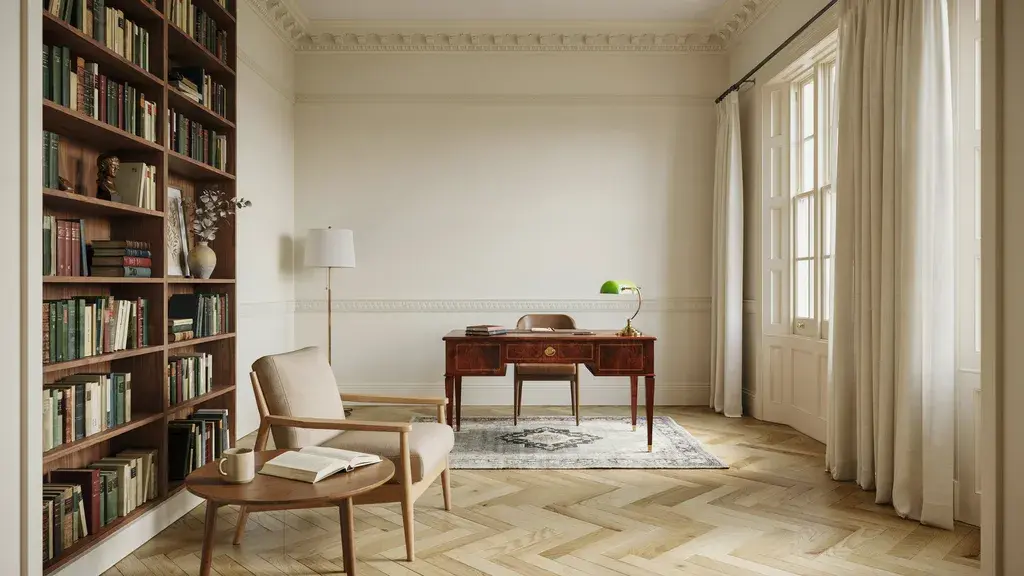
Dark wood furniture adds warmth, depth, and timeless character. Even one well-chosen piece can anchor the entire room.
Best Wood Choices: Mahogany, walnut, dark oak, or stained wood finishes.
If you are working with both dark wood and light trim, the approach to mixing wood and white trim can help you get the balance right.
Budget Option: Refinish lighter furniture with a dark stain for a similar Victorian-inspired look.
9. Create a Victorian-Style Bedroom
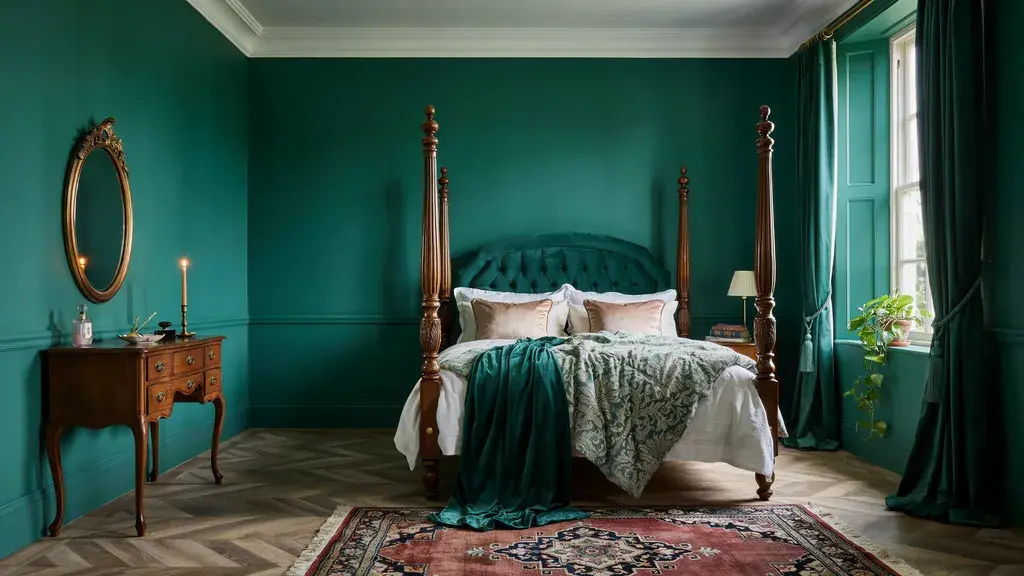
Victorian-inspired bedrooms feel cozy, elegant, and relaxing by combining rich colors, luxurious textures, and classic furniture.
Must-Have Features: Velvet headboards, carved wood furniture, layered bedding, and floor-to-ceiling curtains.
Designer Tip: Use deep wall colors with crisp white trim to create contrast without making the room feel dark.
10. Style a Victorian-Inspired Living Room
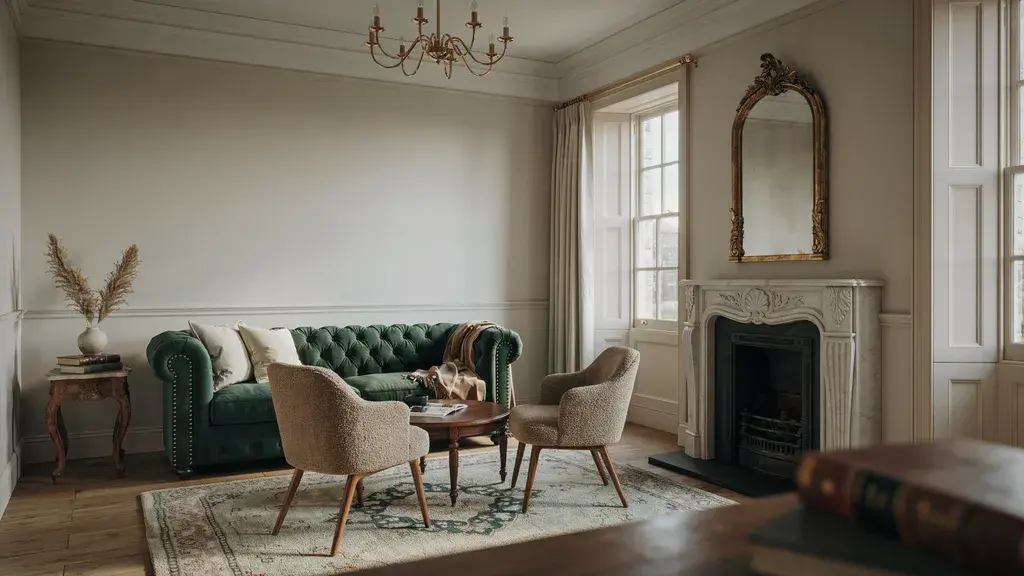
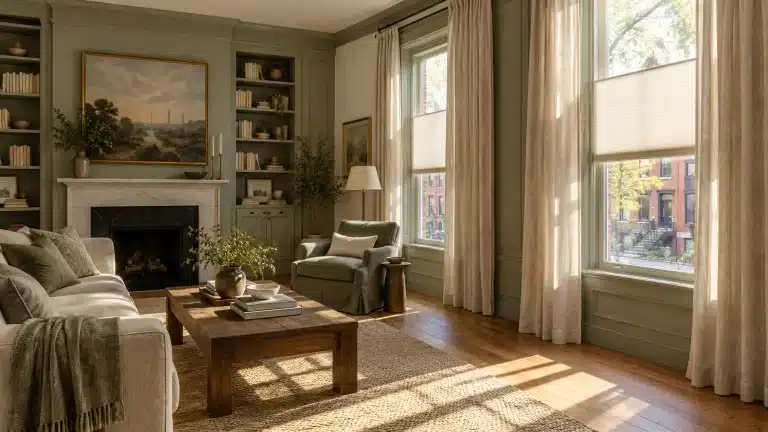
The living room is the perfect place to showcase Victorian elegance while maintaining everyday comfort. Focus on a few standout features. For a smaller living room, scale-conscious furniture placement makes the biggest difference. Understanding scale in interior design keeps the room from feeling cramped or unbalanced.
Key Elements: Velvet seating, an ornate fireplace, a patterned rug, and statement lighting.
Layout Tip: Arrange seating for conversation rather than centering everything around the television.
11. Use Ornate Mirrors as Focal Points
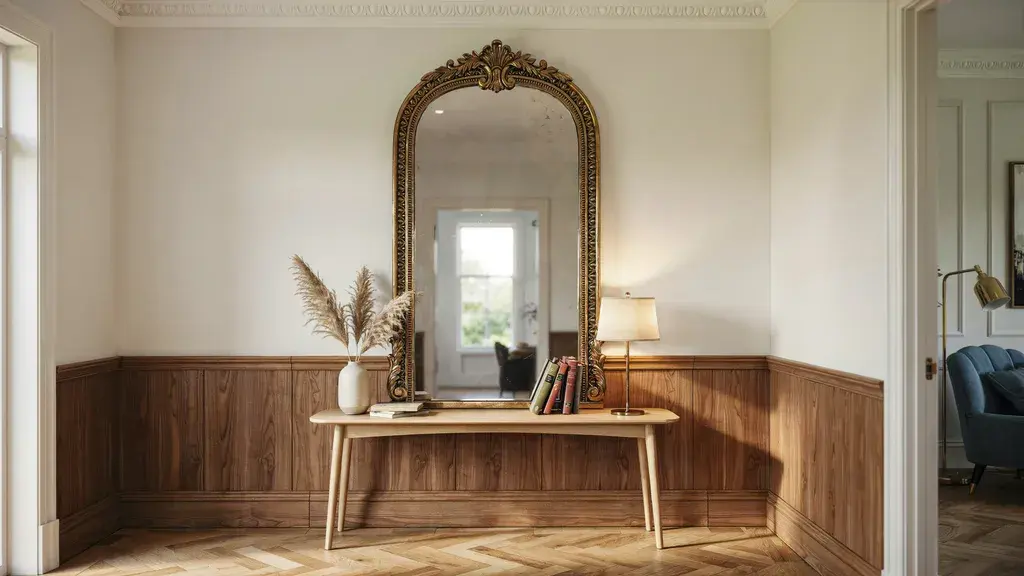
Ornate mirrors introduce period detail while reflecting light and making rooms appear larger. They blend beautifully with both antique and modern décor.
Best Placement: Above fireplaces, entryway consoles, bedroom dressers, or leaning against a wall.
Buying Tip: Look for vintage frames at thrift stores and replace damaged mirror glass if needed.
12. Incorporate Natural Textures and Botanical Elements
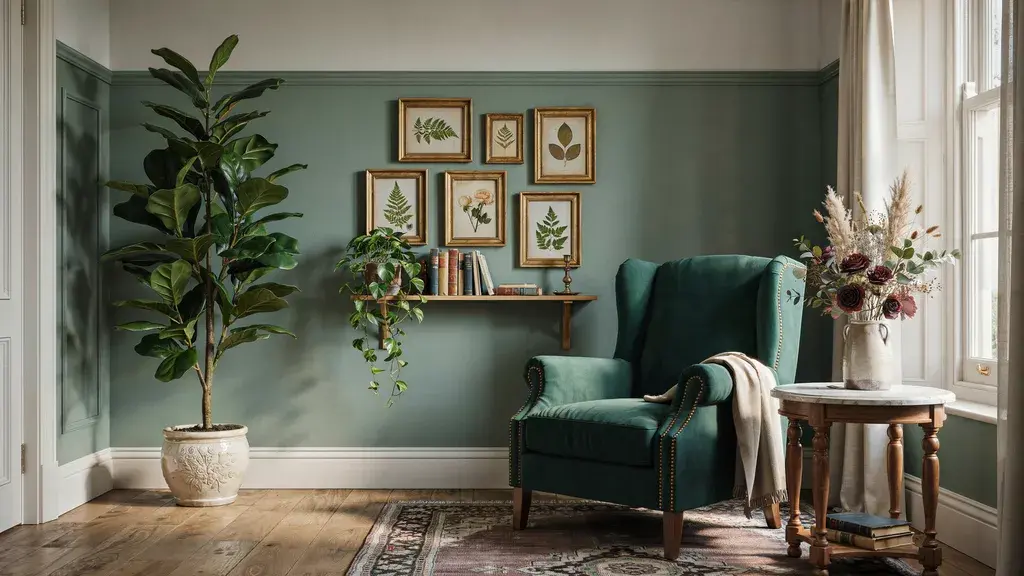
Victorian interiors celebrated nature through plants, floral patterns, and botanical artwork. These details soften darker color palettes.
Easy Additions: Houseplants, dried flowers, botanical prints, and decorative ceramic planters.
Designer Tip: Choose deep green foliage and muted floral arrangements for an authentic Victorian feel.
13. Design a Victorian-Inspired Bathroom
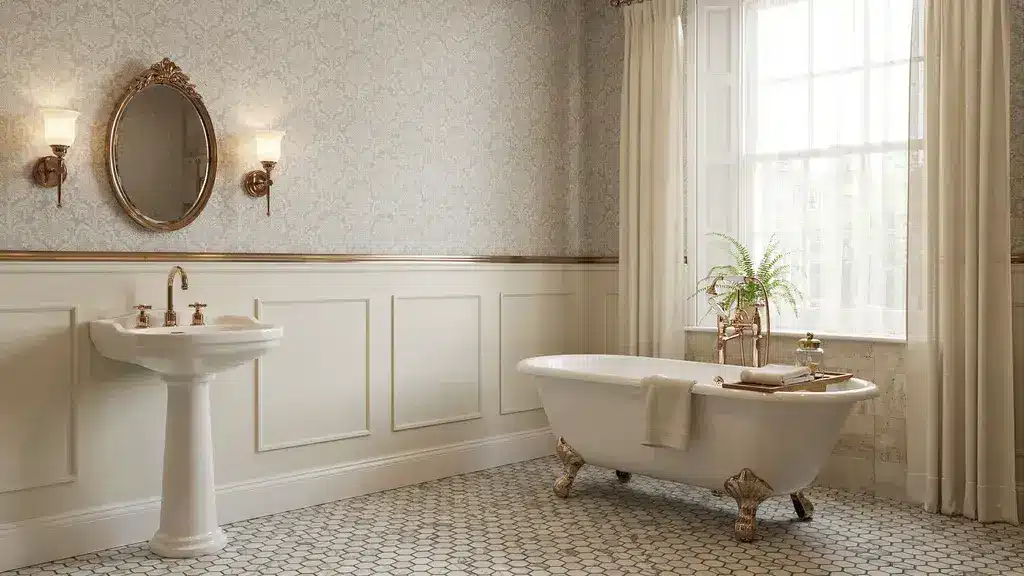
Classic fixtures and timeless finishes make Victorian bathrooms both elegant and practical. Small updates can dramatically change the overall look.
Essential Features: Clawfoot tubs, pedestal sinks, brass fixtures, and mosaic or hexagonal tiles.
Designer Tip: Stick to one metal finish throughout the room for a cohesive appearance.
14. Build a Dark, Cozy Reading Nook or Home Office
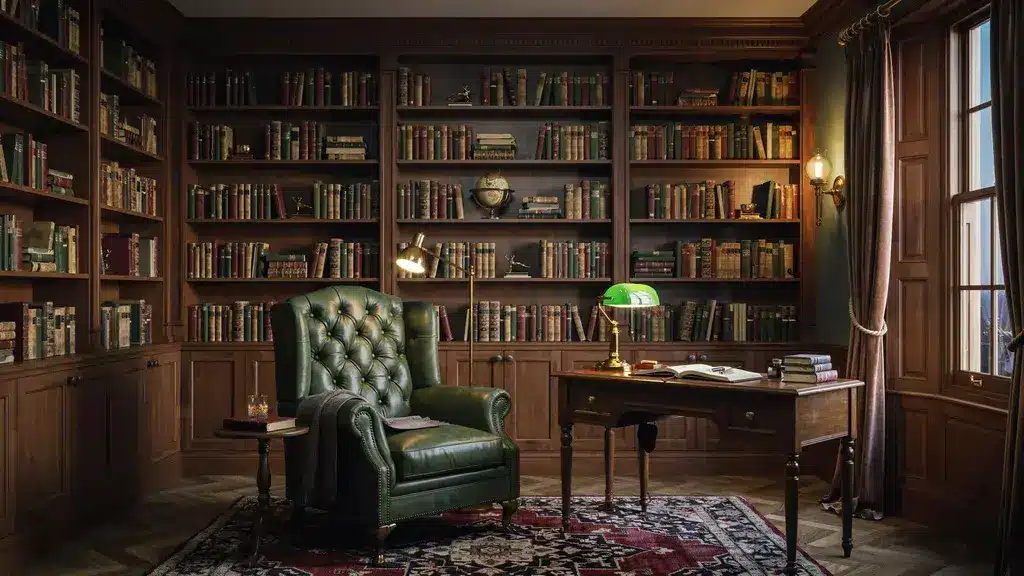
A Victorian-inspired reading corner creates a warm, inviting retreat for work or relaxation. Rich materials and layered lighting define the space.
Furniture Essentials: Dark bookshelves, a tufted chair, a vintage desk, and a brass reading lamp.
Designer Tip: Combine task lighting with ambient lighting to create a comfortable atmosphere.
15. Balance Dark Features with Light Architectural Elements
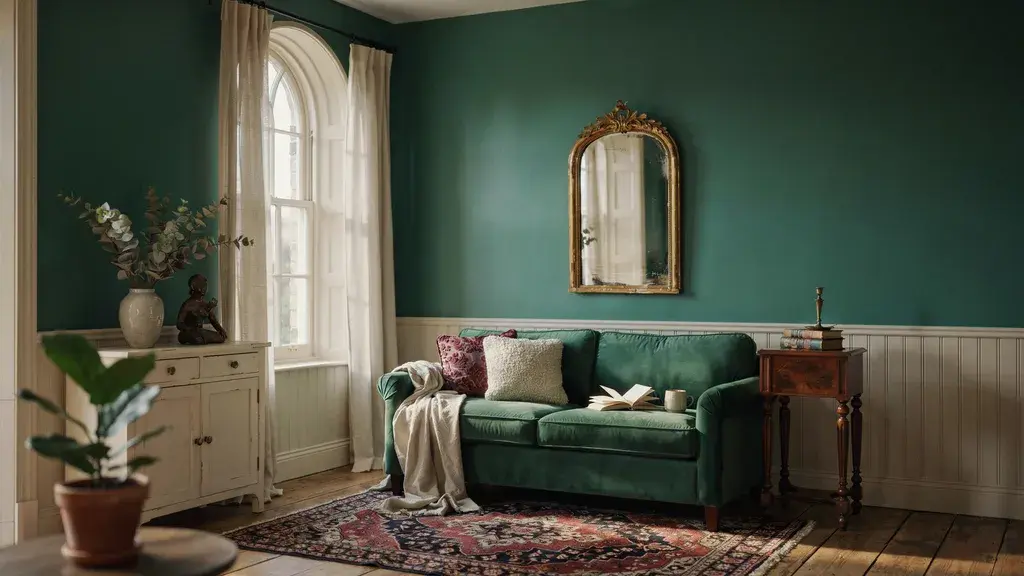
Modern Victorian interiors work best when rich, dramatic details are balanced with lighter elements. This contrast keeps the room elegant while preventing it from feeling too traditional or heavy.
Elements to Add: White paneling, light curtains, neutral upholstery, and open spaces help soften deep colors and antique details.
Designer Tip: Pair dark walls or furniture with lighter architectural features to create depth, brightness, and a more contemporary Victorian feel.
How to Start a Modern Victorian Home
You do not need to change everything at once. These four steps give you a clear path forward.
- Look for an existing character first. Fireplaces, hardwood floors, large windows, and detailed trim are all starting points. Work with what is already there before adding anything new.
- Choose your color direction. Decide between a dark, dramatic look or a lighter, more modern version. A simple approach: neutral walls with one rich accent color and classic textures.
- Add one statement piece at a time. Start with a chandelier, a velvet chair, a decorative mirror, or a feature wall. Small additions create a noticeable shift without major cost.
- Keep the function in the room. A well-designed space still works for daily life. Think about comfortable seating, storage, and easy movement through the room before adding decorative items.
Conclusion
Modern Victorian interior design is one of the few styles that rewards personality.
The mix of old and new, the layered textures, the rich colors, they all create rooms that feel like someone actually lives there and cares about what surrounds them.
You do not need a full renovation to get there. Start with one jewel-toned wall. Pick up one ornate mirror at a thrift store. Swap out your light fixtures for brass ones. Layer a velvet cushion onto your existing sofa.
Each small change moves the room closer to that balance of Victorian warmth and modern comfort. That is the real goal of this style, not historical accuracy, but a home that feels rich, characterful, and genuinely yours.
Which one feels most like the right fit for your home? Share your thoughts in the comments below; we would love to see what you are working on.
Frequently Asked Questions
How Do You Make A Modern Home Look Victorian?
Introduce classic details like wall moldings, antique-inspired furniture, rich fabrics, and statement lighting, then balance them with clean-lined furniture and a restrained color palette.
What Colors Work Best In Modern Victorian Interiors?
Neutral shades such as white, beige, and gray provide a modern base, while jewel tones like emerald green, navy blue, burgundy, and plum add Victorian richness and depth.
Can You Mix Modern And Victorian Furniture?
Yes. Combining vintage Victorian pieces with contemporary furniture creates visual contrast and keeps the space elegant, functional, and uncluttered.
Is Modern Victorian Interior Design Expensive?
It does not have to be. Paint, peel-and-stick molding, thrift store mirrors, and velvet cushions are low-cost entry points. You can build the look gradually without a full renovation.