

16 Modern Landscaping Ideas for Every Yard

Step outside and take a good look at your yard. Does it feel put together or a bit all over the place? A lot of outdoor spaces start with good intentions but end up crowded, uneven, or just hard to maintain.
That is where modern landscaping starts to make sense. It focuses on clean layouts, simple plant choices, and spaces that are easy to live with day to day.
You do not need a full makeover to see a difference, either. A few smart changes can shift the entire feel of your space.
This post walks through practical ideas and clear decisions to help your yard finally feel calm, balanced, and worth spending time in.
What Is Modern Landscaping?
Modern landscaping is a style that keeps things simple, structured, and easy to live with. It focuses on clean shapes, open space, and a balanced mix of plants and solid materials, such as stone or concrete.
The goal is not to fill every corner but to give each part of the yard a clear purpose. You will often see fewer plant types, repeated patterns, and a calm color palette.
It also favors low-effort upkeep, so the space looks good without constant upkeep. Over time, this approach saves both time and energy while keeping the yard visually neat and functional.
16 Modern Landscaping Ideas
Small changes can shift the entire feel of a yard without making it complicated. These ideas are practical, flexible, and work across different types of outdoor spaces.
1. Clean Lines and Geometric Shapes
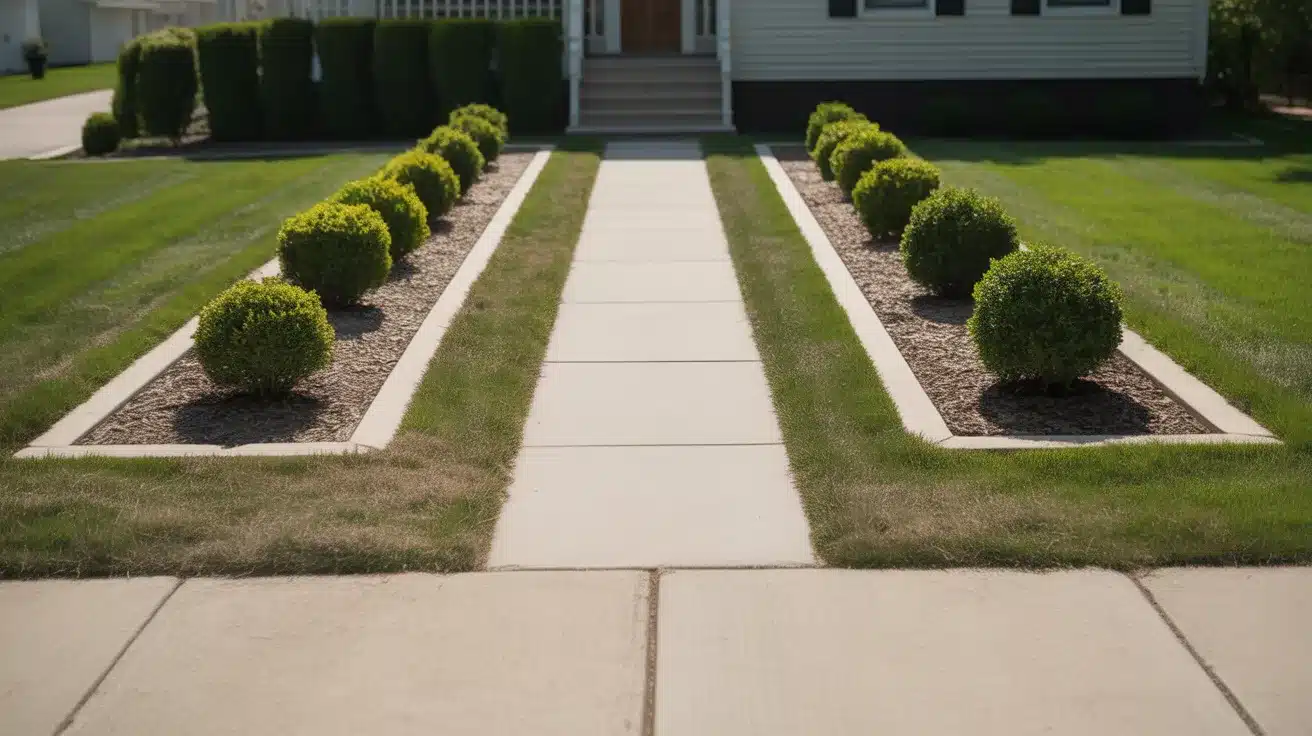
Straight edges bring instant order and make the space feel intentional instead of scattered. Even a simple yard starts to look polished when shapes are repeated and aligned properly. It also helps guide movement through the space without adding clutter.
- Best for: Modern homes and structured layouts
- Cost range: $500 to $3,000, depending on materials
- Maintenance: Low once the layout is installed
- Avoid: Mixing too many shapes in one area
2. Native and Drought-Tolerant Plants
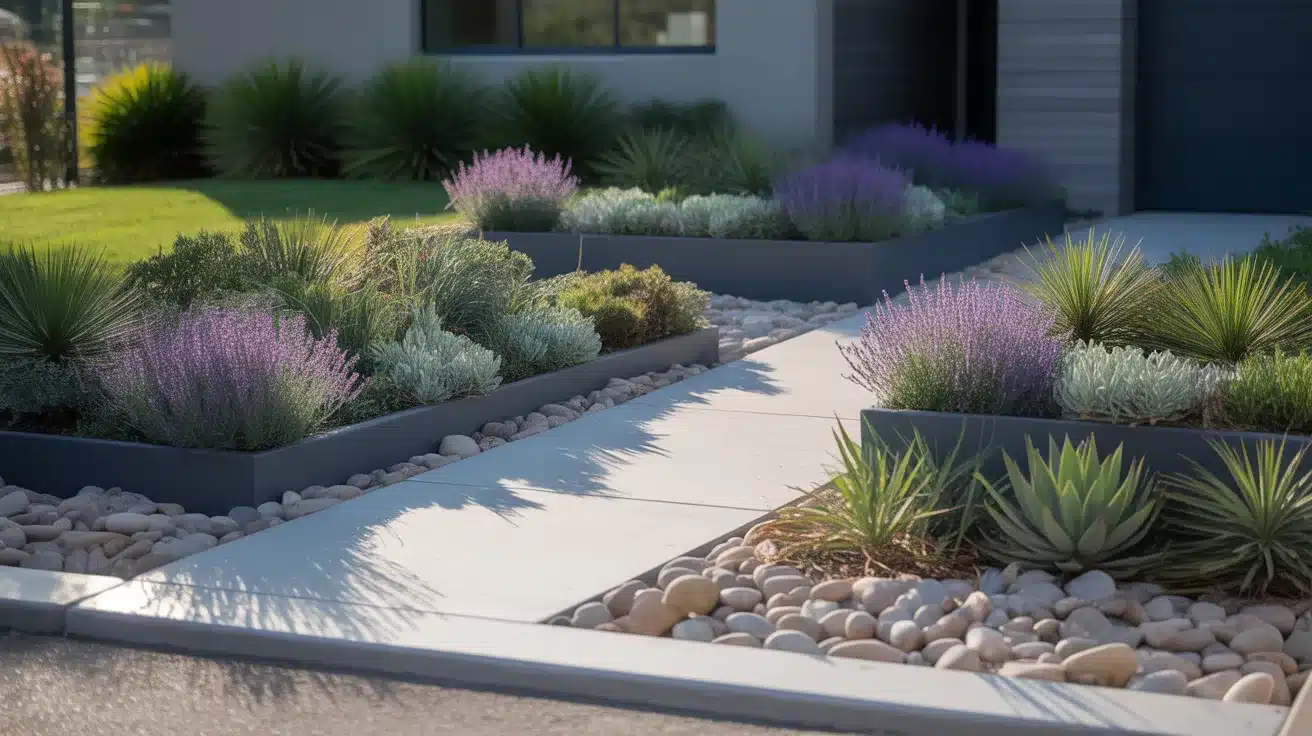
Plants suited to your region grow stronger with less care and hold their shape through changing seasons. They reduce water use and lower replacement costs over time, making them a practical long-term choice.
- Best for: Low-maintenance yards
- Cost range: $150 to $1,500
- Maintenance: Low to moderate
- Avoid: Choosing plants that need extra watering
3. Minimalist Rock and Gravel Gardens
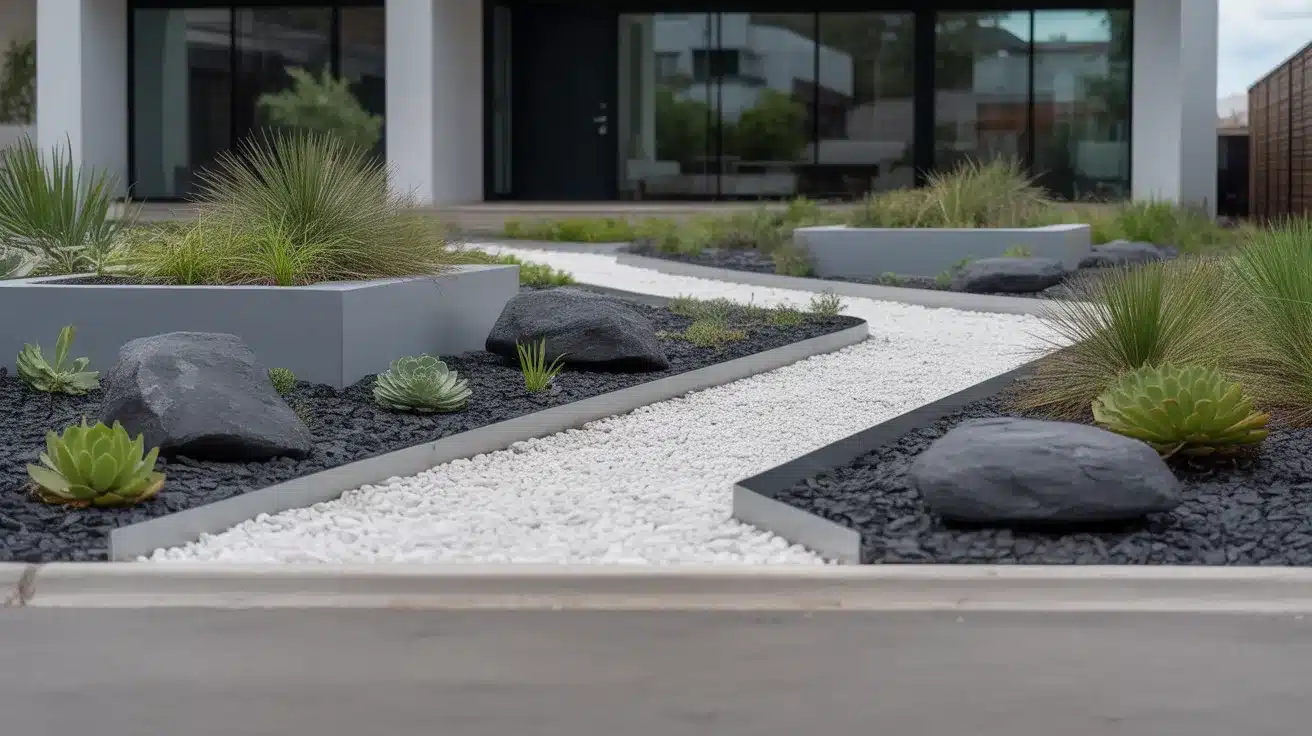
Gravel and rock gardens remove the need for constant lawn care while keeping the yard visually clean. They also improve drainage and reduce weed growth, saving time in the long run. With a few well-placed plants or stones, the space still feels complete without looking empty.
- Best for: Dry climates and simple designs
- Cost range: $300 to $2,500
- Maintenance: Very low
- Avoid: Skipping proper edging
4. Outdoor Living Rooms
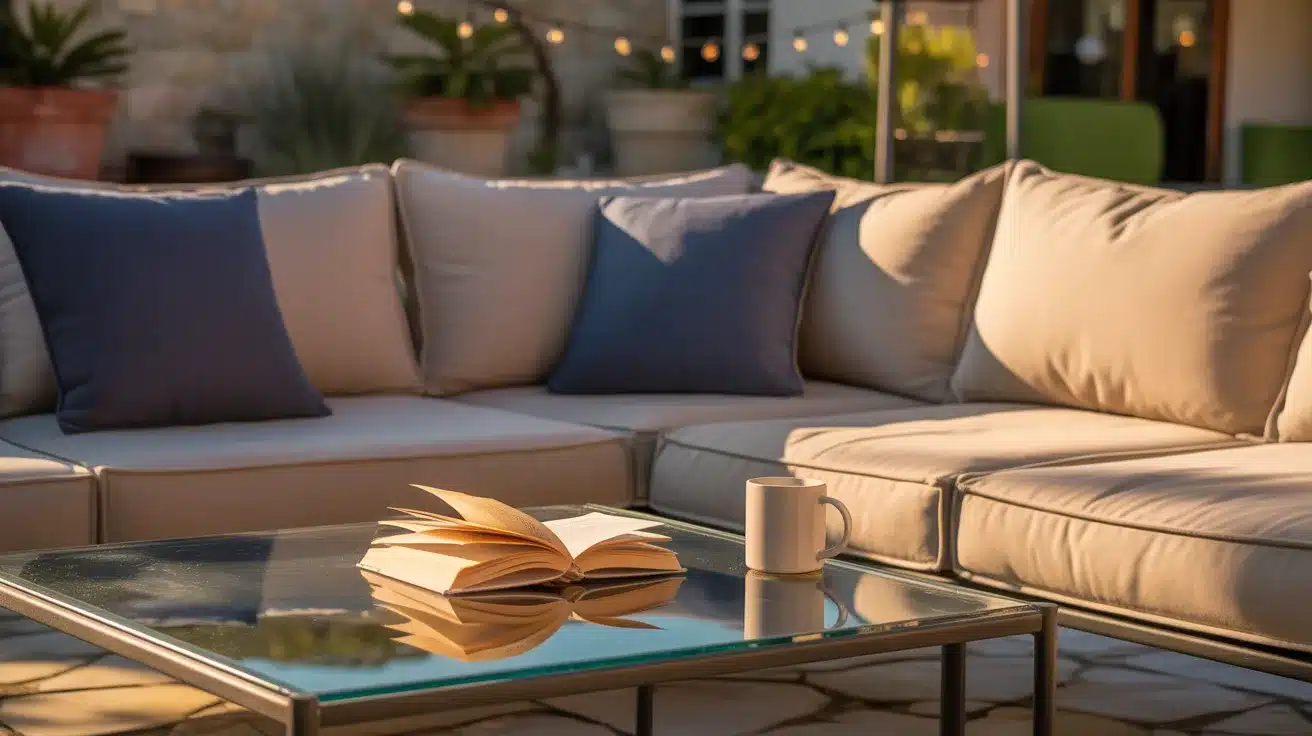
Creating a seating area makes the yard more usable and inviting. Instead of having an empty space, you now have a spot for relaxing, reading, or spending time with others. A simple setup can still feel comfortable if everything is placed with purpose.
- Best for: Backyards and patios
- Cost range: $1,000 to $5,000+
- Maintenance: Moderate
- Avoid: Overfilling the space with furniture
5. Vertical Gardens and Living Walls
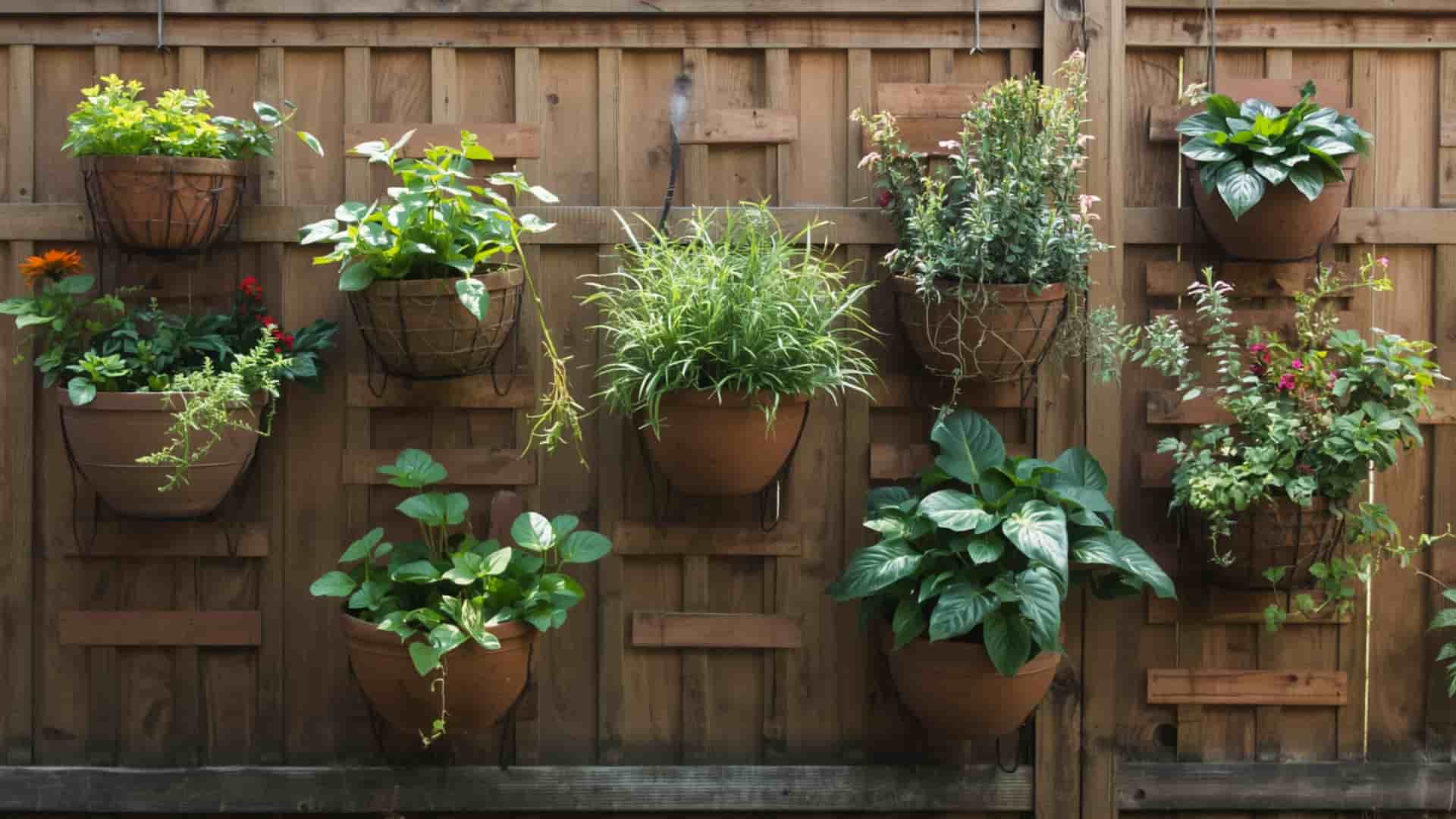
Vertical planting uses walls and fences to keep the ground area open. It adds greenery without taking up space and creates a layered look that makes the yard feel more finished. This is especially useful in smaller spaces where every inch counts.
- Best for: Small spaces and balconies
- Cost range: $200 to $2,000
- Maintenance: Moderate
- Avoid: Overloading walls with heavy planters
6. Smart Irrigation Systems
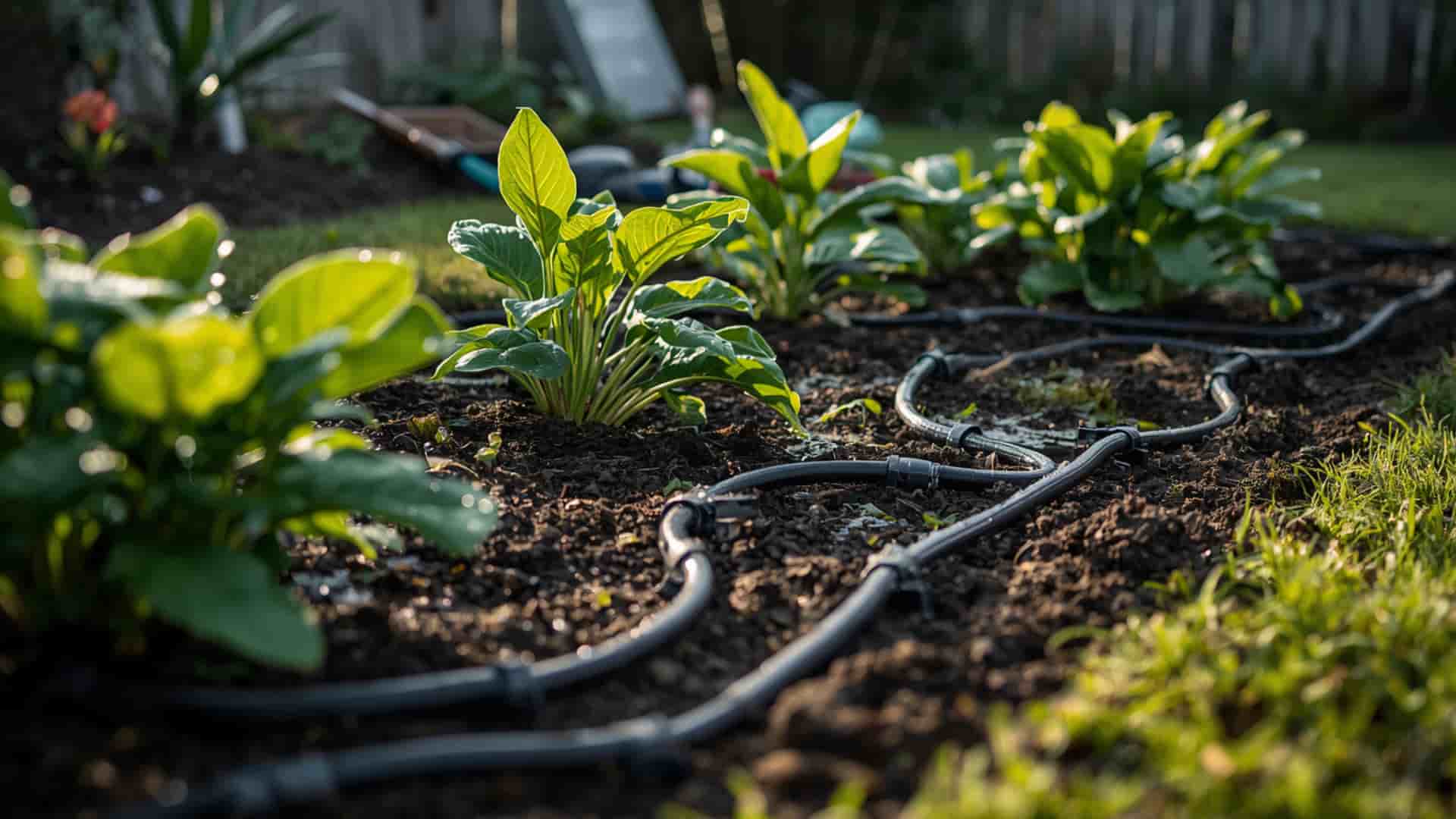
Automated watering systems remove the guesswork from plant care. They deliver water based on soil conditions and timing, which keeps plants healthy without daily effort. This also reduces waste and helps manage water bills over time.
- Best for: Busy routines
- Cost range: $300 to $2,500
- Maintenance: Low
- Avoid: Ignoring seasonal adjustments
7. Edible Landscaping
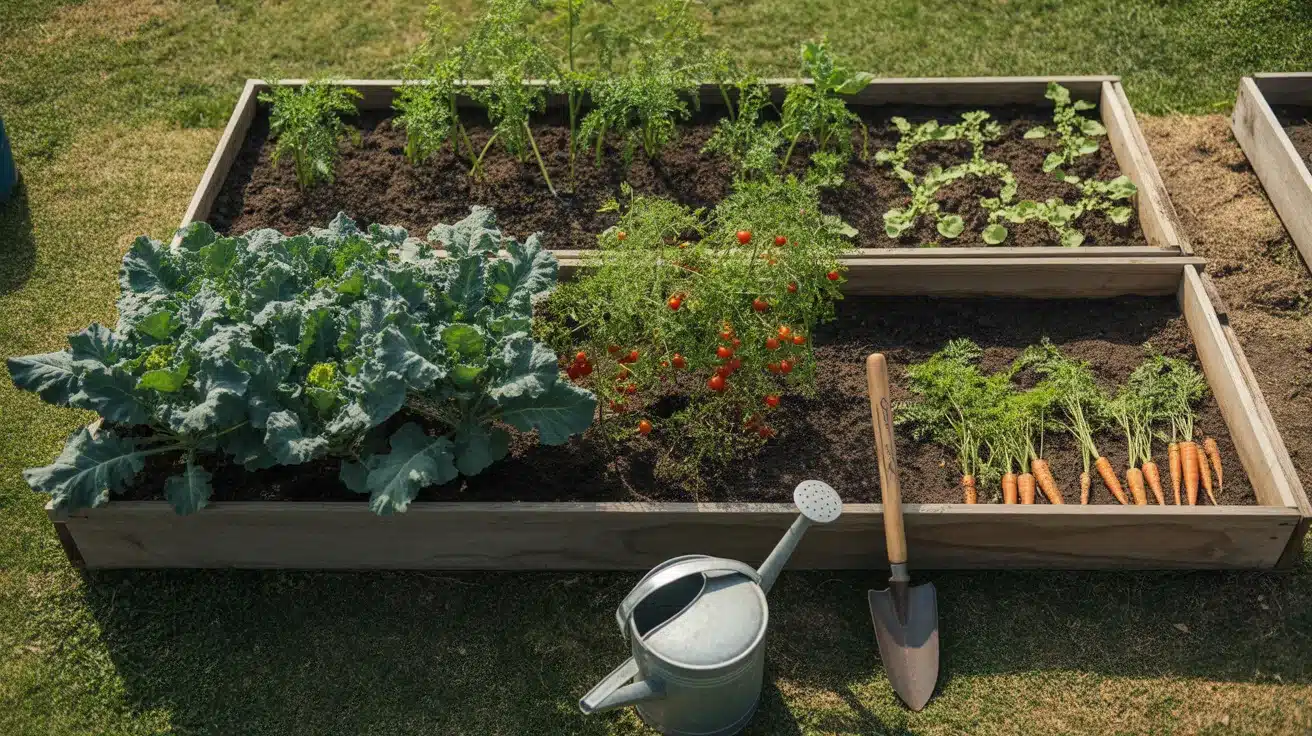
Blending edible plants into your yard adds purpose without changing the overall look. Herbs, vegetables, and fruit plants can be placed in a way that feels natural and organized. This approach makes the yard both useful and visually appealing.
- Best for: Multi-use yards
- Cost range: $100 to $1,000
- Maintenance: Moderate
- Avoid: Placing edible plants in low sunlight areas
8. Permeable Pathways
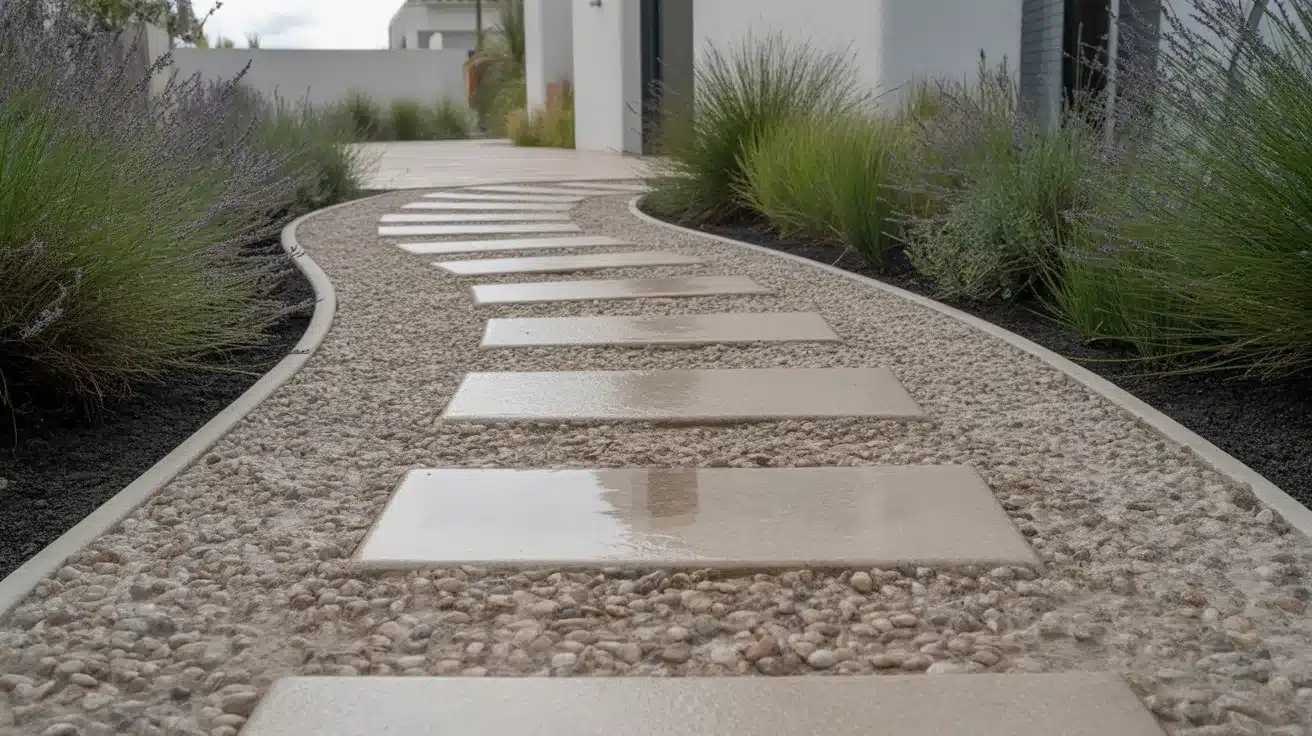
Permeable paths allow water to pass through instead of collecting on the surface. This helps prevent puddles and keeps the ground stable over time. They also feel softer and more natural compared to solid concrete paths.
- Best for: Rain-prone areas
- Cost range: $400 to $3,000
- Maintenance: Low
- Avoid: Uneven surfaces that affect walking
9. Outdoor Lighting Design
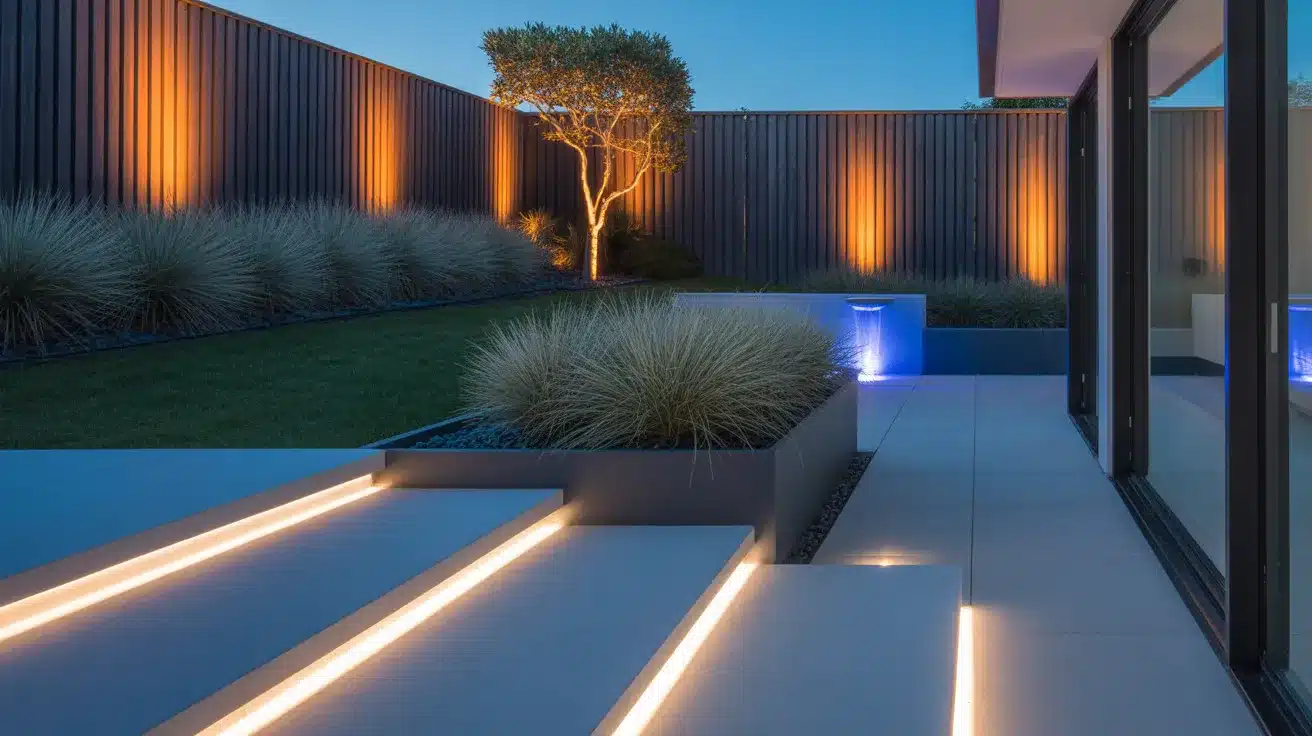
Lighting changes how your yard feels once the sun goes down. It adds depth, improves visibility, and helps highlight the areas you want people to notice. Even a few well-placed lights can make the space feel more complete and easier to use in the evening.
- Best for: Evening use
- Cost range: $1,000 to $5,000
- Maintenance: Low
- Avoid: Using overly bright lights
10. Natural Material Focus
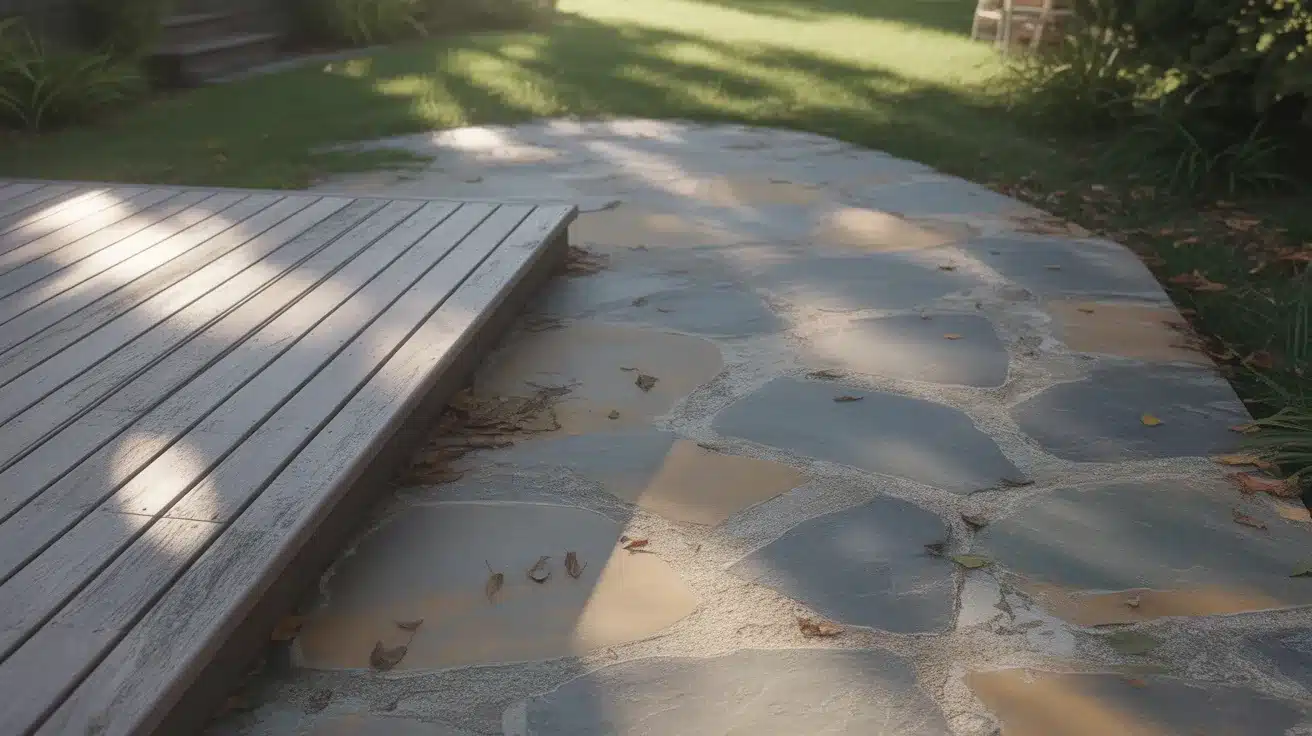
Using a limited set of natural materials helps the yard feel grounded and consistent. Wood, stone, and similar textures blend well together, avoiding the clutter that comes from mixing too many finishes. This creates a space that feels calm and easy on the eyes.
- Best for: Calm, simple layouts
- Cost range: $500 to $4,000
- Maintenance: Low
- Avoid: Mixing too many textures
11. Water Features
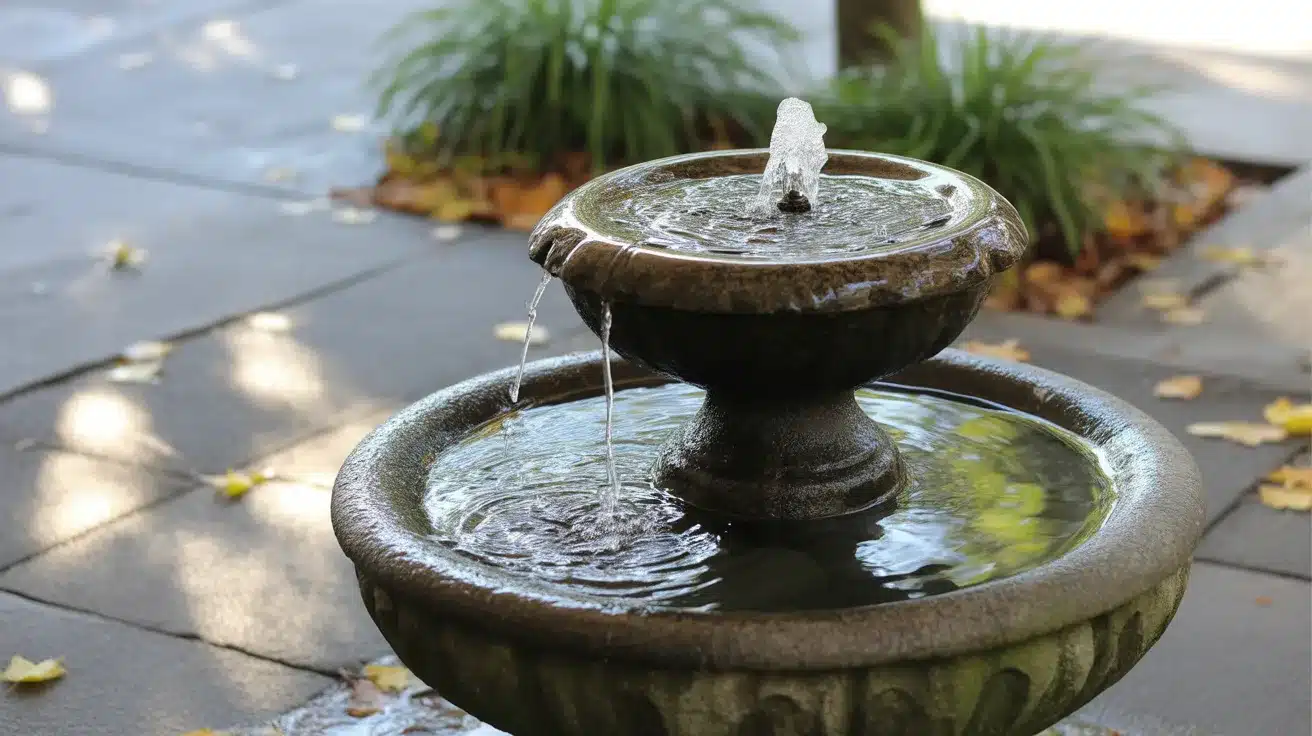
A small water feature adds movement and a gentle background sound, making the space feel more relaxed. It does not need to be large to stand out, and even a compact setup can create a noticeable difference in the overall feel of the yard.
- Best for: Quiet corners
- Cost range: $300 to $3,000
- Maintenance: Moderate
- Avoid: Large features in small spaces
12. Pollinator-Friendly Plants
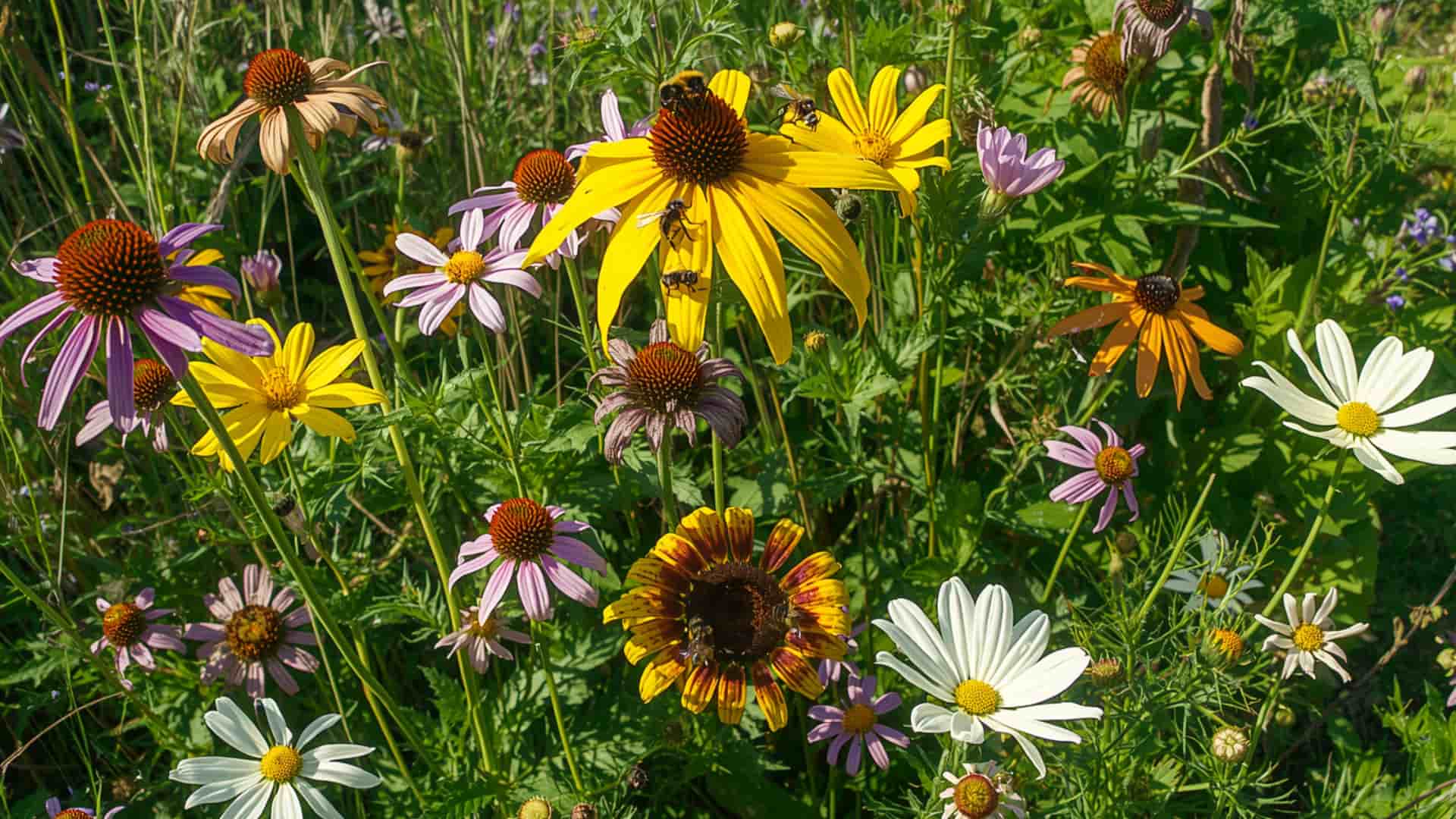
Adding plants that attract bees and butterflies brings natural movement into the yard. It also helps support a healthier outdoor environment while adding subtle color. These plants can be mixed into existing beds without changing the overall layout.
- Best for: Garden beds
- Cost range: $100 to $800
- Maintenance: Low
- Avoid: Using chemical-heavy treatments
13. Low-Maintenance Hardscaping
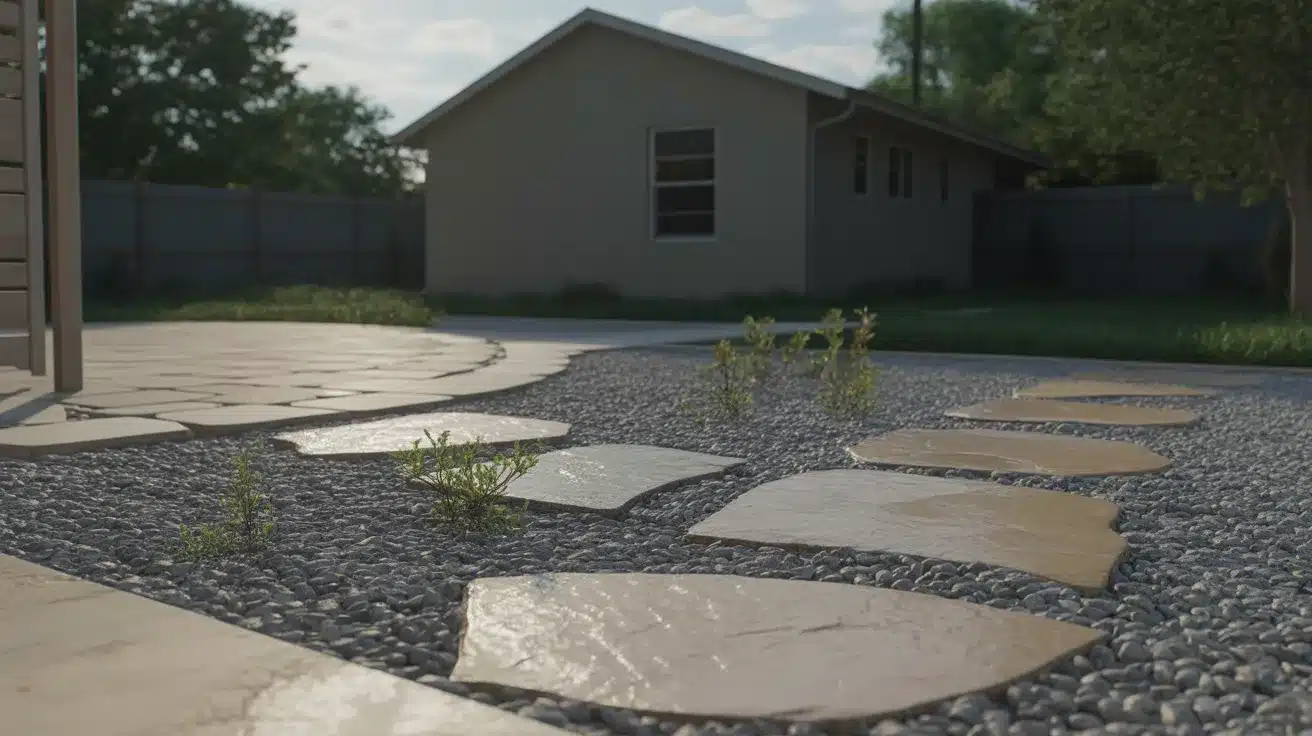
Hardscaping reduces the need for constant upkeep while defining distinct areas of the yard. It keeps the space looking neat throughout the year and works well alongside simple plant choices. Over time, it also saves effort compared to plant-heavy designs.
- Best for: Long-term ease
- Cost range: $1,000 to $10,000
- Maintenance: Low
- Avoid: Poor drainage planning
14. Outdoor Cooking and Fire Areas
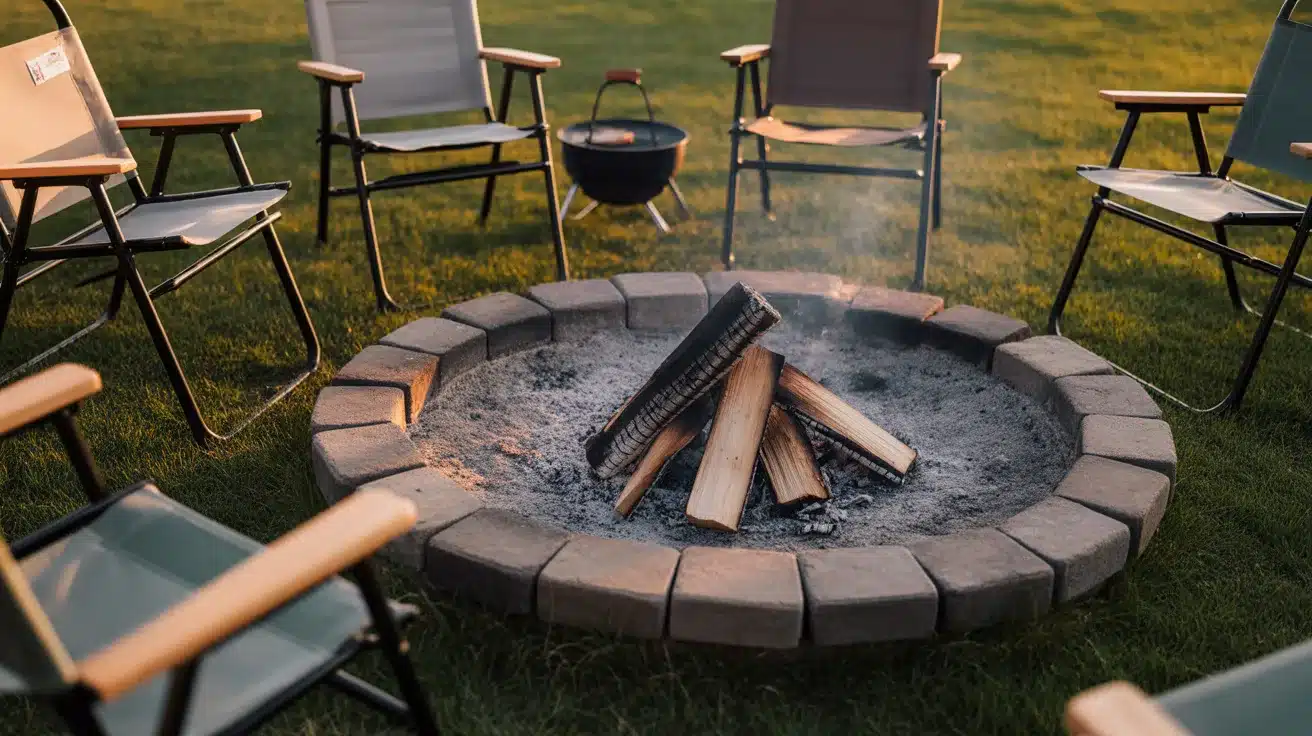
Adding a cooking or fire area makes the yard more functional and inviting. It creates a natural gathering spot where people can relax and spend time together. Even a small setup can feel complete if placed thoughtfully.
- Best for: Social spaces
- Cost range: $500 to $8,000
- Maintenance: Moderate
- Avoid: Placing too close to structures
15. Terraced Levels
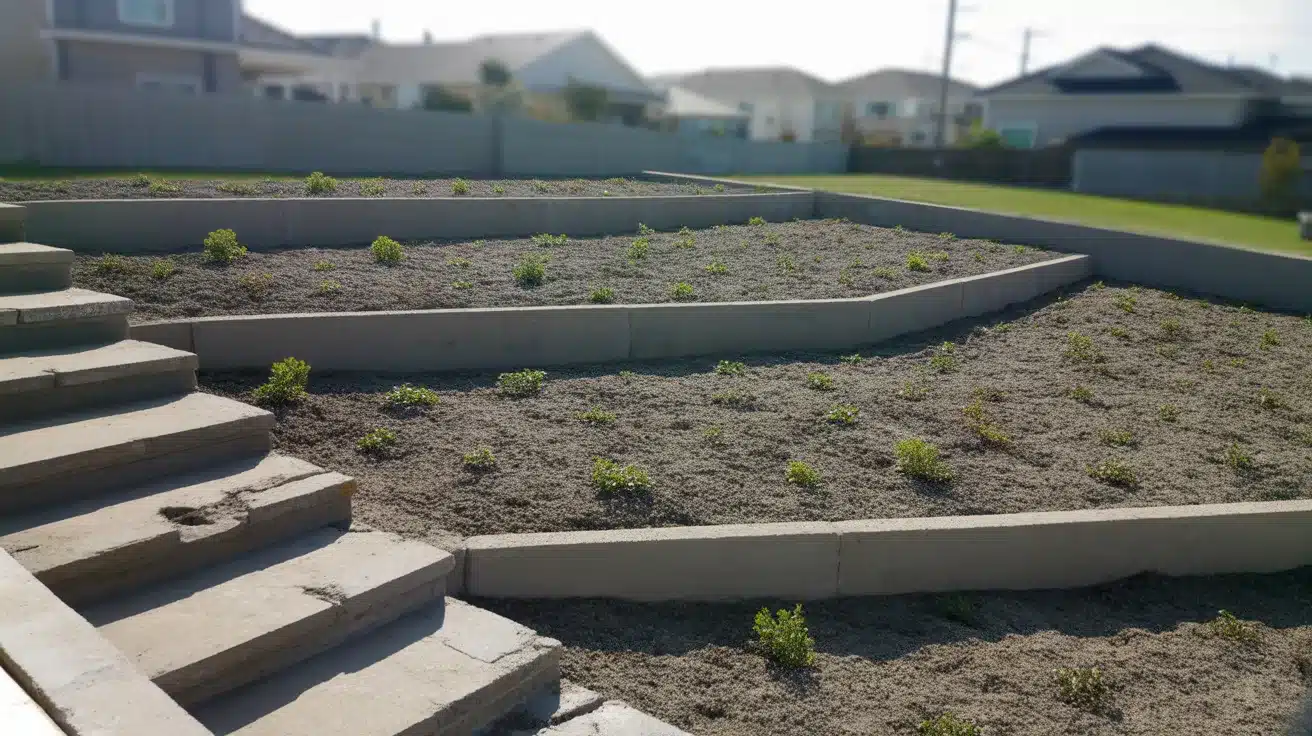
Terracing helps turn uneven ground into usable space. It breaks the yard into sections, making it easier to organize plants, seating, or pathways. It also helps manage soil movement and improves overall structure.
- Best for: Sloped yards
- Cost range: $2,000 to $15,000
- Maintenance: Moderate
- Avoid: Weak support materials
16. Pergolas and Shade Areas
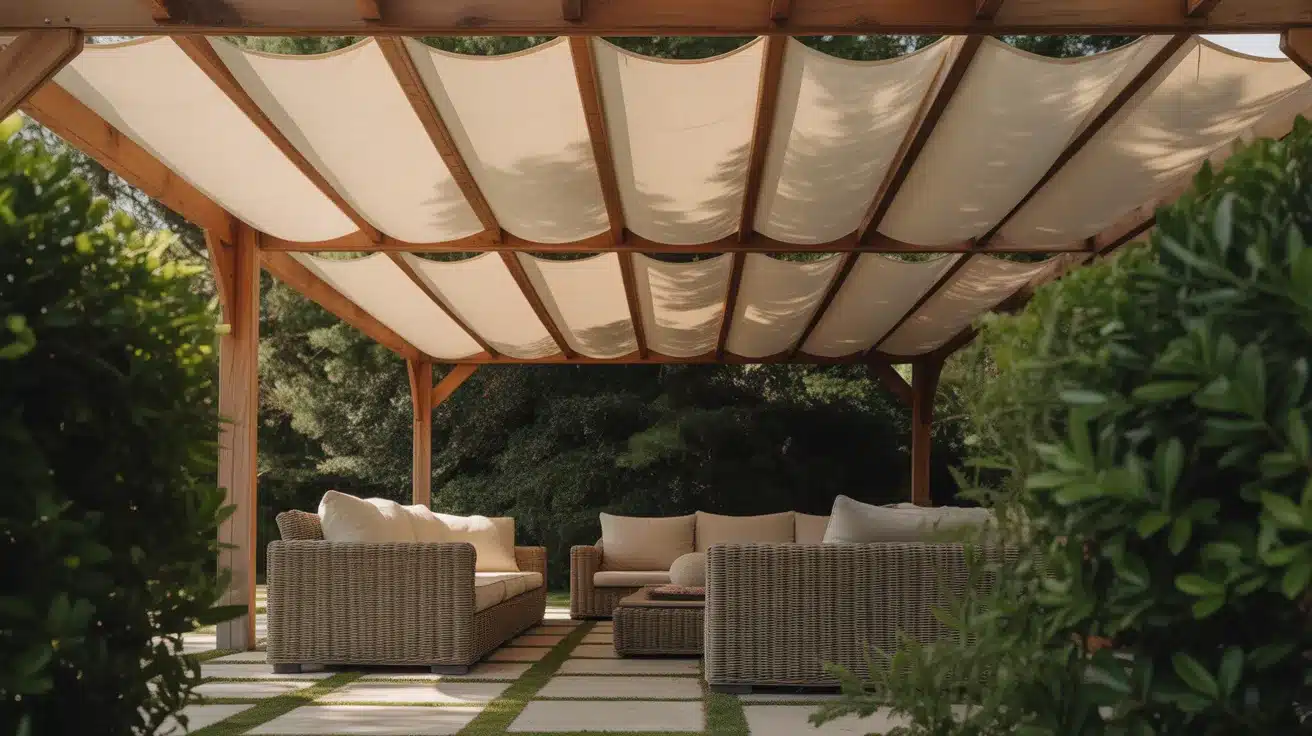
Shade structures make outdoor spaces more comfortable, especially during warmer months. They create a defined seating area without closing off the yard. This adds both function and visual height to the space.
- Best for: Open sunny areas
- Cost range: $1,500 to $7,000
- Maintenance: Low to moderate
- Avoid: Placing in low-impact areas
Modern Landscaping on a Budget
You do not need a huge budget to improve your yard. The key is knowing where to spend and where to hold back.
| Area | Where to Spend | Where to Save | Average Cost (USD) |
|---|---|---|---|
| Plants | Invest in trees and long-term plants | Use native plants | $150 to $1,500+ |
| Pathways | Strong base materials | Gravel instead of full paving | $400 to $3,000 |
| Lighting | Focus on key spots | Avoid overlighting. | $1,000 to $5,000 |
| Watering | Install basic irrigation | Skip complex systems | $300 to $2,500 |
| Features | One focal point | Avoid multiple add-ons | $300 to $5,000+ |
Start with the essentials, then build over time. That approach keeps costs under control while still improving the space.
How to Choose the Right Modern Landscape Design?
The right setup depends on how your home looks and how you use your outdoor space. A clean layout works best when it matches the structure of the house rather than competing with it.
Think about how much time you can give to maintenance each week and choose plants that fit that routine. Climate matters too, so go with options that can handle local conditions without extra care.
Keep your main goal clear, whether it is relaxing, improving appearance, or saving time. Once that is sorted, the rest of the choices become much easier to manage.
Final Thoughts
Modern landscaping is not about doing everything at once. It is about making thoughtful choices that actually improve how your space looks and feels.
Clean layouts, smart plant picks, and simple materials can turn even an average yard into one that feels calm and put-together. The best part is that you can start small and still see real progress.
Pick one idea that fits your space and build from there over time. With a bit of planning, your yard becomes easier to manage and more enjoyable to spend time in.
Share your thoughts below and let others know what you plan to try first.


