12 Long Rectangular Living Room Layout Ideas with TV

Your living room has more space than most. So why does it still feel like a hallway?
That is the most common complaint about long rectangular rooms. Furniture lines the walls.
The TV sits at one end. The room stretches on with no real sense of purpose. It is a lot of space that somehow still feels uncomfortable.
The fix is not about buying new things. It is about placement. This guide covers 12 long rectangular living room layout ideas with a TV.
You will also find a step-by-step furniture guide, quick tips, common mistakes, and answers to the questions most people forget to ask.
Where Should the TV Go in a Rectangular Living Room?
The short wall is almost always the right answer. Placing your TV there stops the room from feeling even longer and gives the seating area a clear focal point to build around.
If a window or door blocks that wall, a corner mount works well as an alternative. Keep the center of the screen at roughly 42 to 48 inches from the floor so you are not straining your neck during a long viewing session.
Before You Start: Measure Your Room First
Most people skip this step and end up rearranging furniture twice. Spend five minutes measuring before you move anything, and the whole process becomes far less frustrating.
| What to Measure | Why It Matters |
|---|---|
| Room length and width | Helps you choose furniture that fits without crowding the space |
| Door locations and swing direction | Keeps all walking paths clear and usable |
| Window positions | Shows where natural light falls and where the TV can go |
| Electrical outlet locations | Determines where the TV, lamps, and media units can be placed |
| Distance from the seating area to the TV wall | Helps you find the right screen size for your room |
| Ceiling height | Guides shelf placement and lighting choices throughout the room |
Pro Tip: Use painter’s tape to outline furniture shapes on the floor before moving anything heavy. It takes ten minutes and saves hours of rearranging.
Long Rectangular Living Room: 12 TV Layout Ideas
Long rooms give you more to work with than you think. The ideas below cover a wide range of room sizes, furniture types, and lifestyle needs, so you can find what fits your space.
1. TV on the Short Wall with a Sofa Facing It
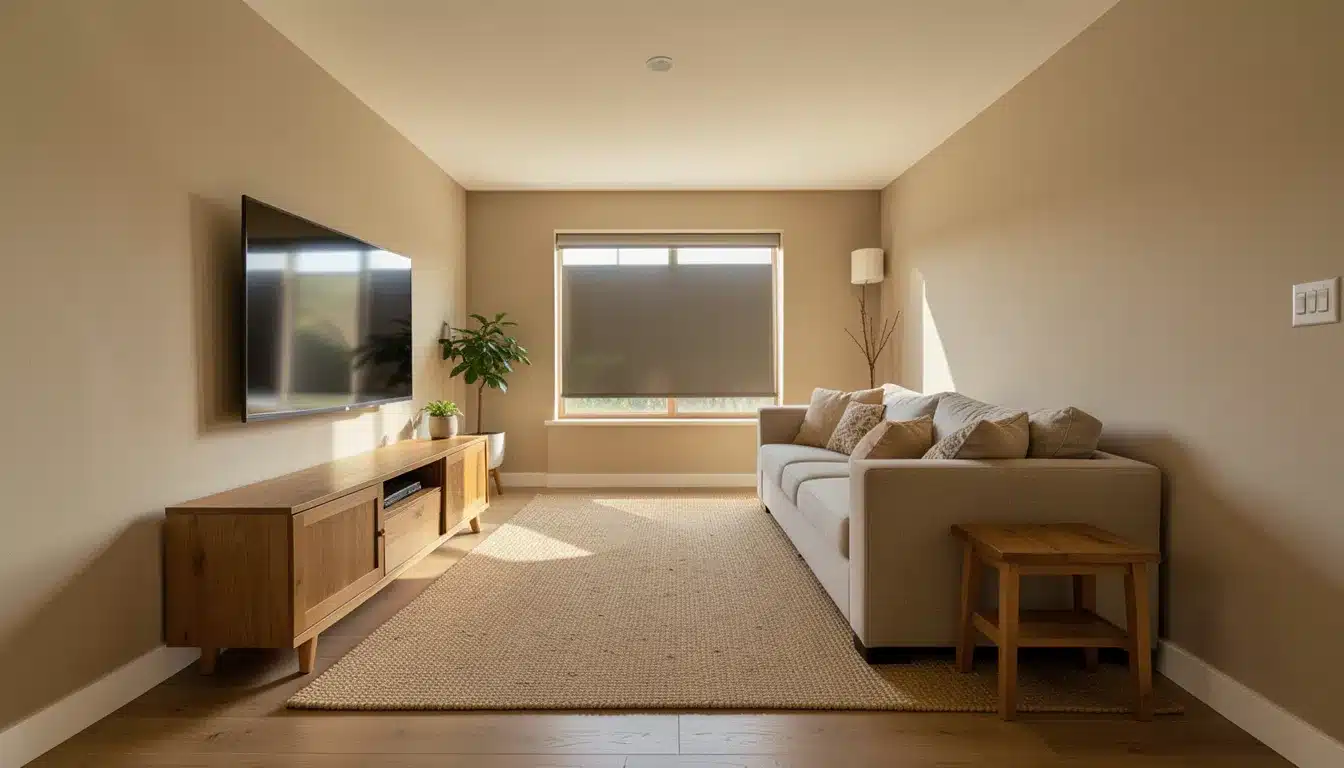
This is the starting point for almost every long rectangular living room layout with a TV. Place the television on the short wall and position the sofa directly across from it. The room immediately feels more balanced and far less like an empty stretch of space.
- Best For: Families, movie lovers, and anyone who wants a clean and simple setup that just works.
- Pro Tip: Center the sofa on the wall rather than pushing it to one side. It keeps the layout feeling even and well-planned.
2. Float Your Furniture Away from the Walls
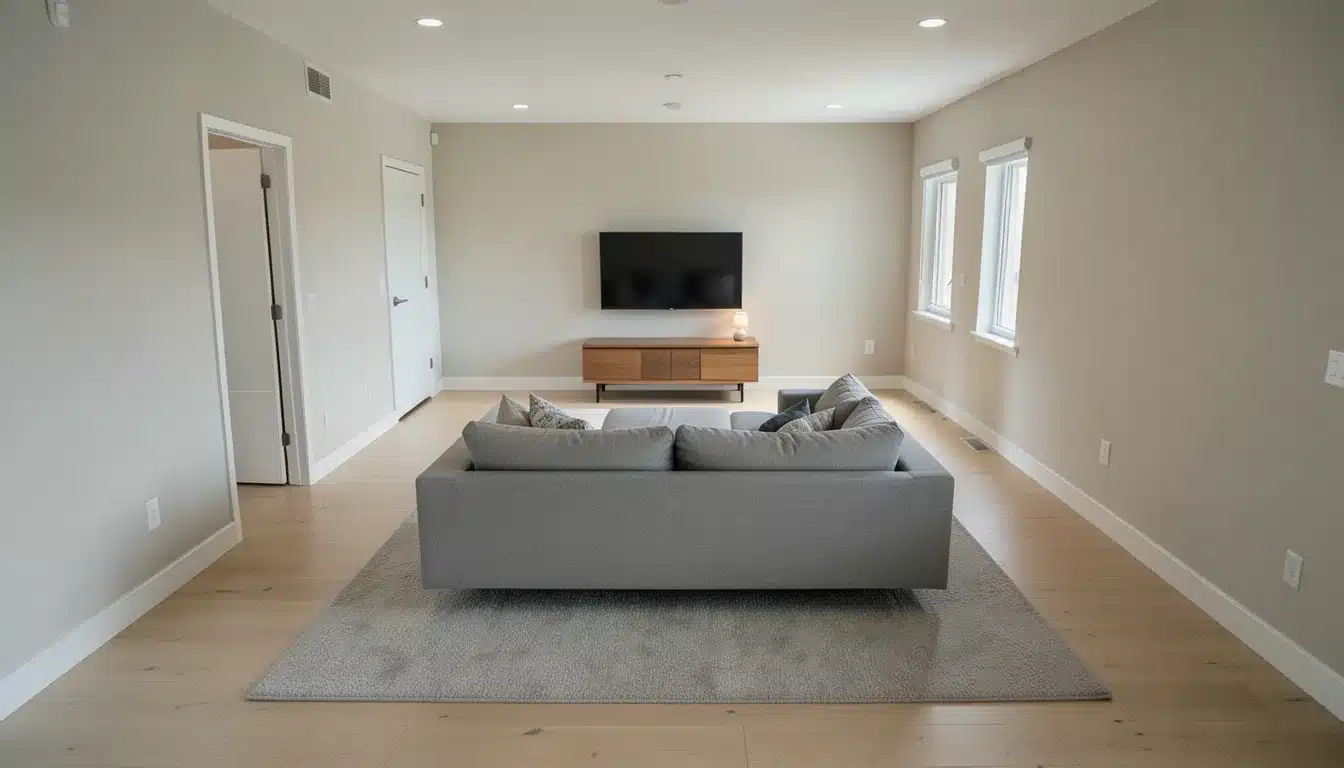
Pushing every piece of furniture against the walls is a natural first instinct. In a long rectangular room, it is also one of the quickest ways to make the space feel cold and disconnected. Pull the sofa at least 12 to 18 inches away from the wall behind it. That one shift changes how the whole room feels.
- Best For: Medium- to large-rectangular rooms with enough floor space to work comfortably.
- Pro Tip: Place a narrow console table in the gap between the sofa and the wall. It fills the space naturally and gives you a surface for lamps or small decor items.
3. Use the Sofa as a Room Divider

Place the sofa with its back facing the far end of the room. The front faces the TV. The open area behind the sofa becomes a second zone, such as a reading corner or a small home workspace. This turns one long, open space into two areas, each with a clear purpose.
- Best For: Open-plan homes and anyone who needs the living room to serve multiple functions throughout the day.
- Pro Tip: A low, open bookshelf works just as well as a divider here. It separates the zones clearly without blocking natural light from traveling through the room.
4. Use an L-Shaped or Sectional Sofa
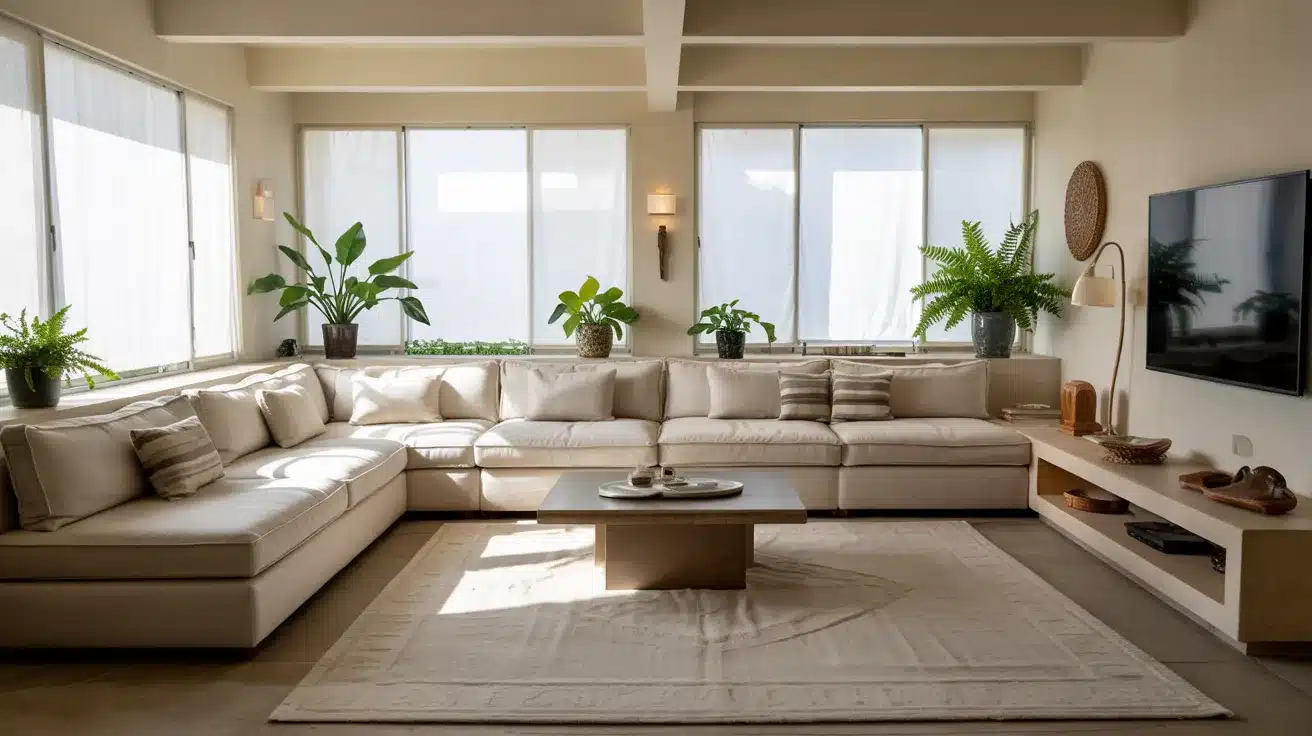
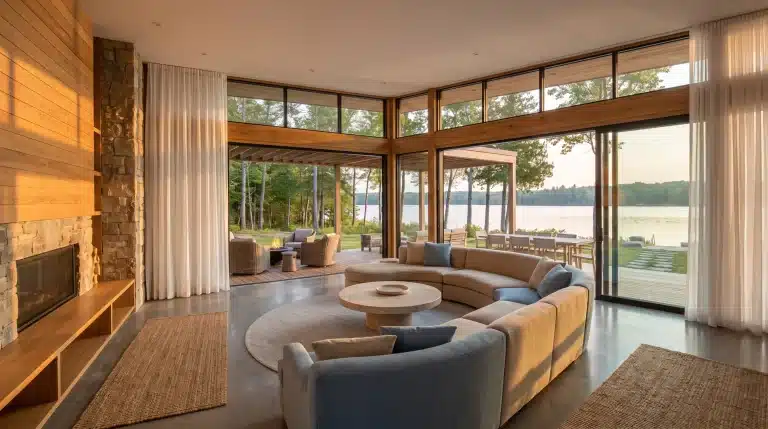
A sectional naturally breaks up the length of a long room without any extra effort. Place the longer section facing the TV on the short wall. Let the shorter arm extend into the room. This creates a defined and cozy seating zone without pushing furniture against the long walls.
- Best For: Families, entertainment-focused rooms, and homes with young children who need plenty of seating.
- Key Consideration: Measure carefully before buying. The sectional should leave at least 3 feet of clear walking space on all open sides to keep the room from feeling cramped.
5. The Parallel Sofa Setup
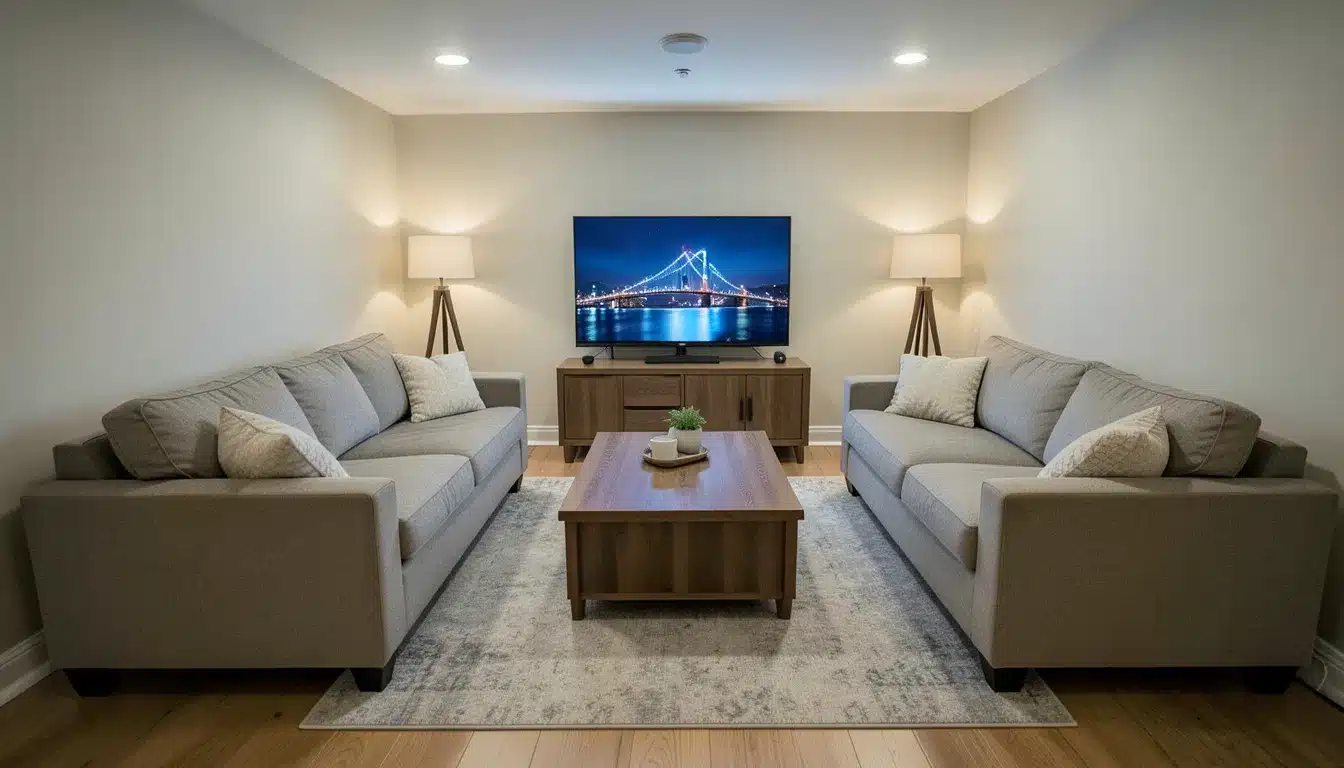
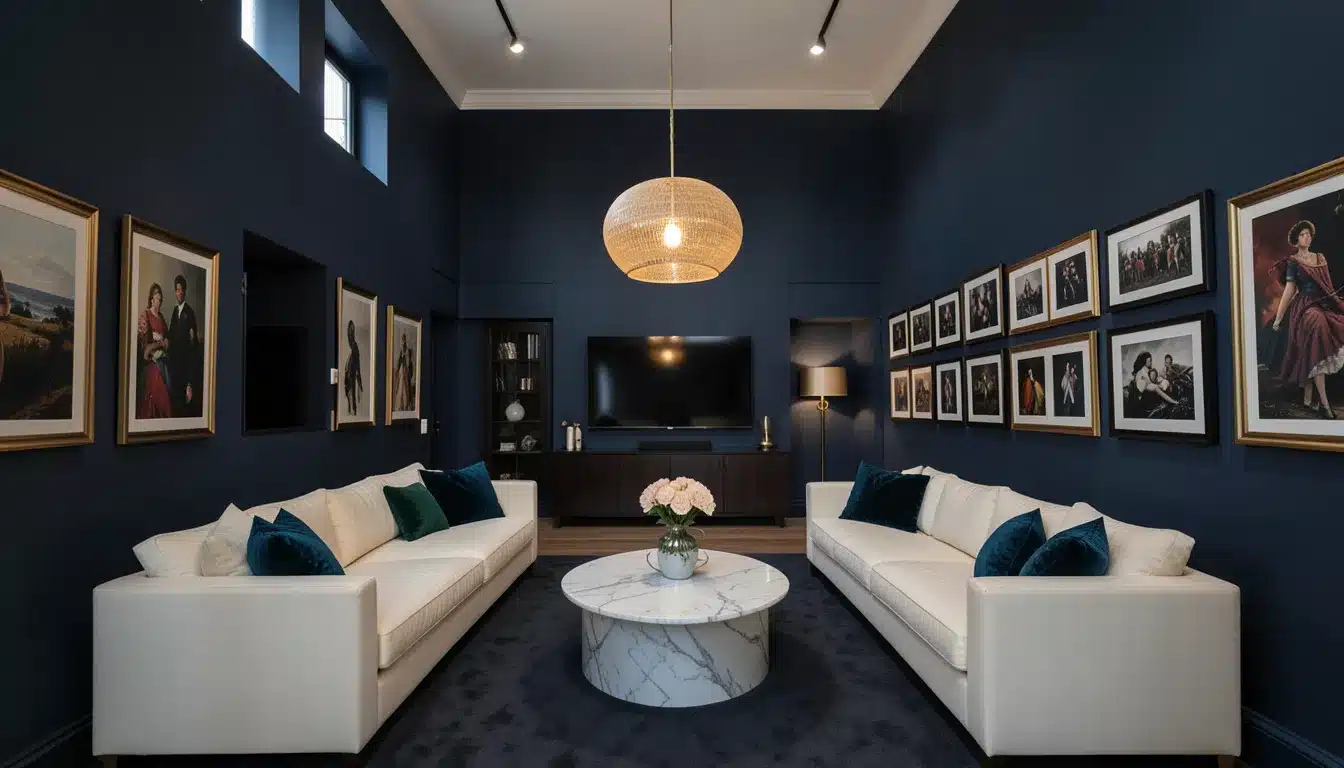
Place two sofas directly across from each other. Position the TV at one end so both sofas face the screen. Add a rectangular coffee table between them to anchor the arrangement. This setup handles TV viewing and conversation equally well at the same time.
- Best For: Homes that entertain guests often. This layout works particularly well in wider rectangular rooms with enough floor space between the two sofas.
- Pro Tip: Keep both sofas the same size for a balanced, pulled-together look. A floor lamp tucked into one corner adds warmth without using up any of the seating space.
6. Corner TV Mount
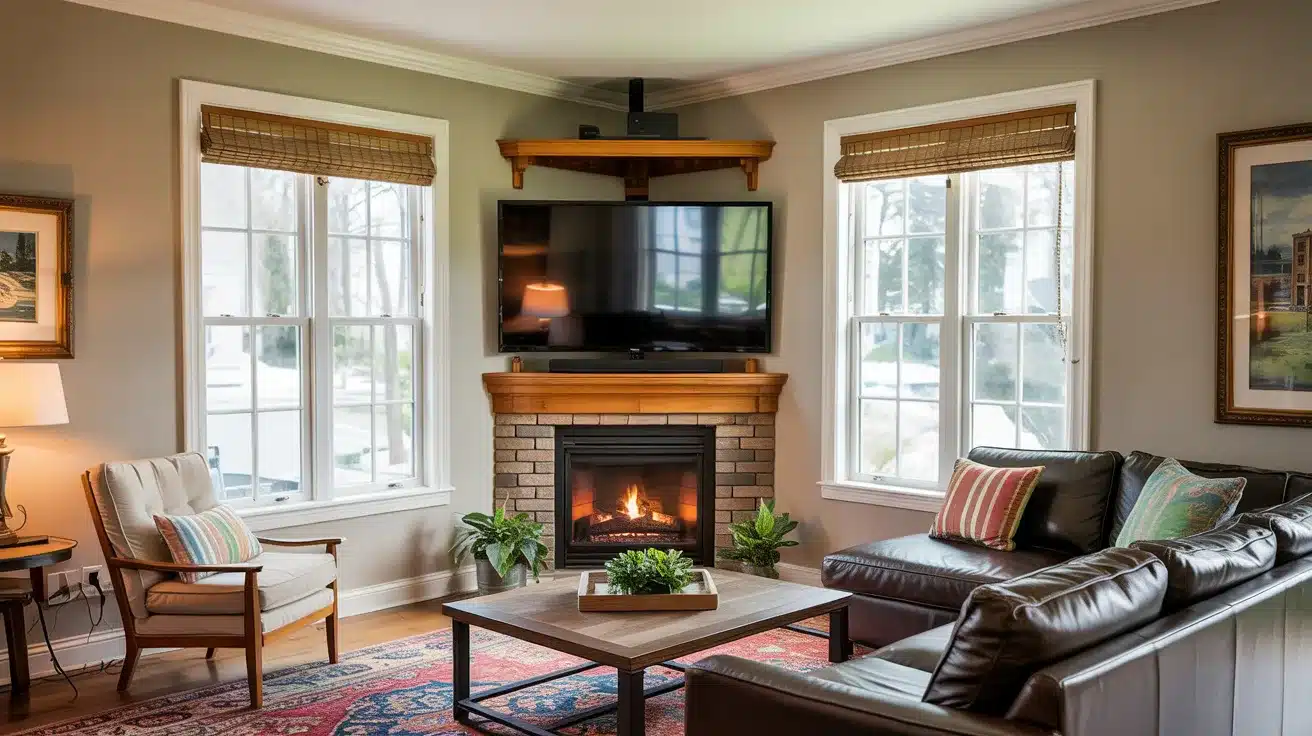
When the short wall has a window, door, or fireplace blocking the best TV spot, mount the television in a corner instead. Use a full-motion wall bracket so you can angle the screen toward the main seating area. A corner placement keeps the TV visible from most parts of a long rectangular room.
- Best For: Rooms where the short wall is unavailable due to architectural features like windows or entry doors.
- Pro Tip: Angle your seating area slightly toward the corner. Then use a rug to pull the furniture together and clearly define the zone.
7. Add a Reading Nook or Second Zone at the Far End
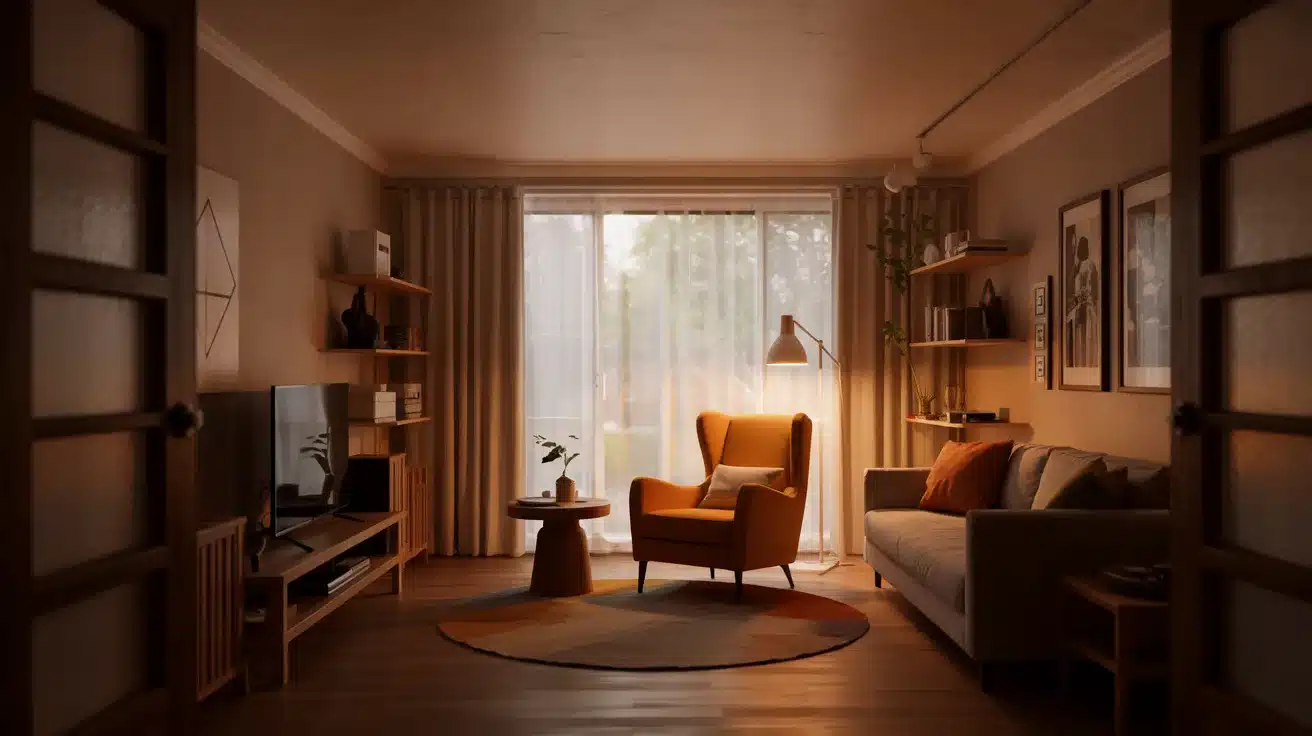
The far end of a long room is often left empty or used as a dumping ground. Give it a purpose instead. A cozy armchair, a floor lamp, and a small side table create a reading corner that makes the room feel complete and well thought out.
- Best For: People who work from home or want a calm, quiet spot that’s entirely away from the TV zone.
- Pro Tip: Use a different rug in this second zone. It signals a separate space clearly without needing any walls or partitions to divide the room.
8. Use Rugs to Define Each Zone

A large area rug placed under the TV-watching furniture pulls the seating group together. It shows the eye where that zone begins and ends. If you are working with two zones, a second rug in a different shape or texture marks the far area just as clearly.
- Best For: Any long rectangular room at any budget. Rugs are one of the most affordable and most effective layout tools you can use.
- Pro Tip: Do not match the two rugs. Two identical rugs placed end to end in a long room make the space look even longer. Change the shape, tone, or material between each zone for the best visual result.
9. Layered Lighting to Break Up the Space
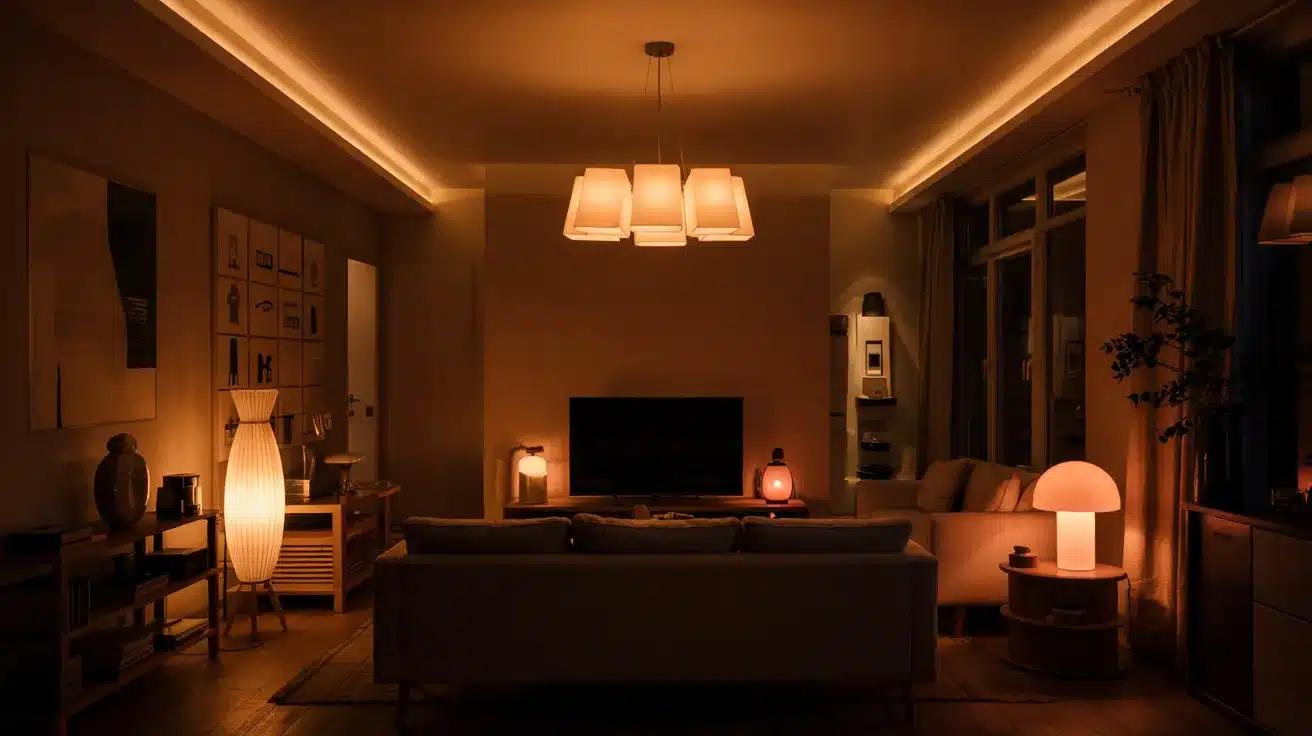
A single overhead light flattens a long room, making it feel like an office hallway. Layer your lighting instead. Use a floor lamp near the main seating area, a table lamp in the second zone, and a pendant light above to add warmth and help each area feel distinct.
- Best For: Every long rectangular room. In a space this shape, lighting is not just decoration. It is a layout tool.
- Pro Tip: Install dimmable bulbs throughout. Bright settings work for daytime. A softer level makes evening TV viewing far more comfortable and far less harsh on the eyes.
10. TV Above a Media Console or Fireplace
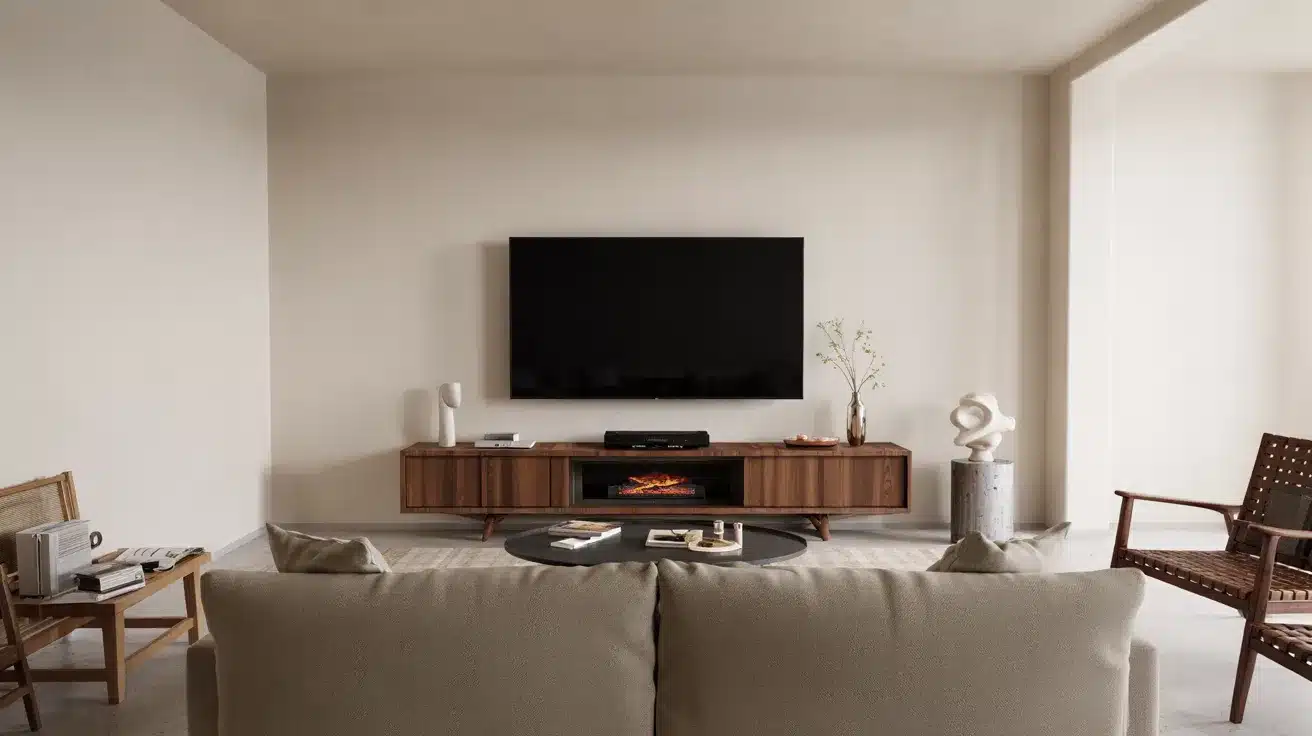
Mounting the TV above a slim media console keeps the floor completely clear and gives the room a clean, open look. In rooms where a fireplace sits on the short wall, the TV can be placed above it to combine both focal points in one spot without competing for wall space.
- Best For: Narrow rooms, minimalist spaces, and any room where floor space is limited, and wall space is the better option.
- Key Consideration: Keep the bottom of the TV no higher than 60 inches from the floor. Any higher than that causes neck discomfort during long viewing sessions.
11. Gallery Wall Behind or Around the TV
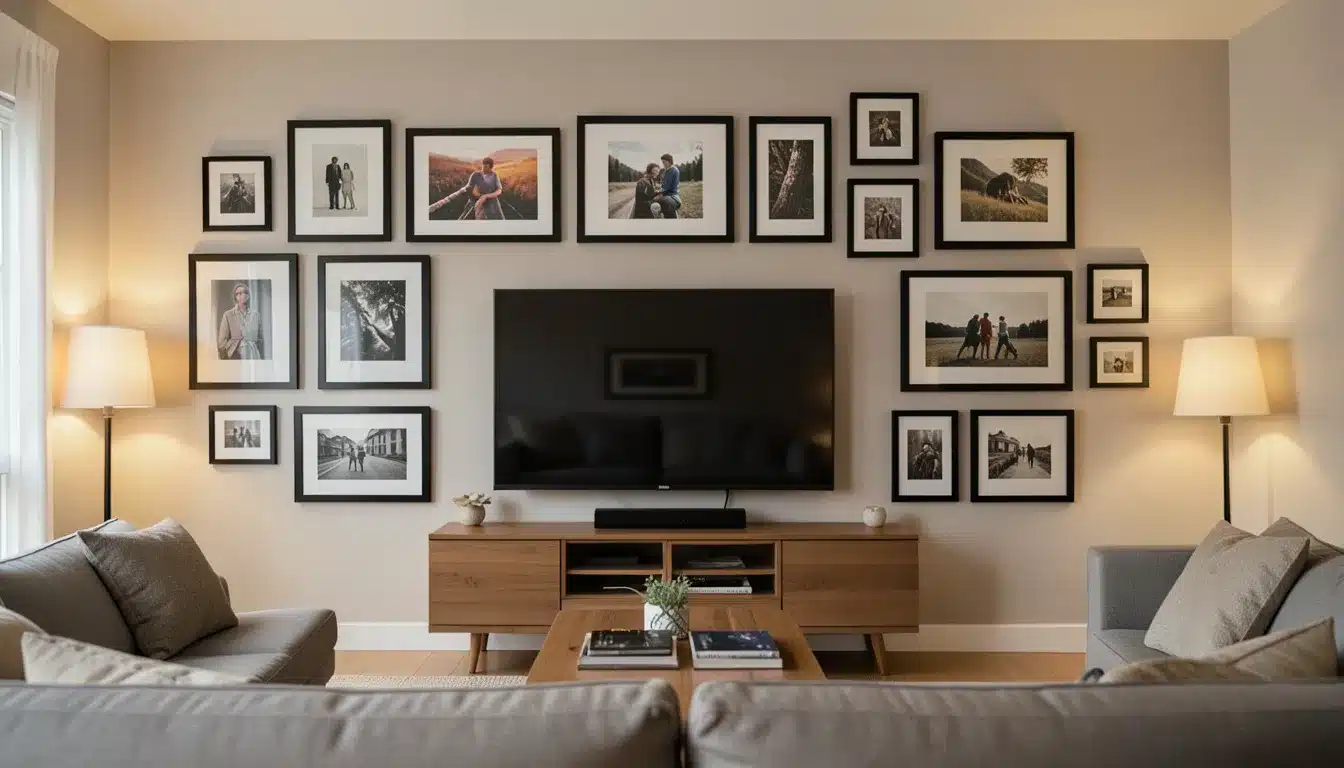
Turn the wall around the TV into a display of framed prints, family photos, or artwork. This fills large blank wall space without adding a single piece of furniture to the floor. Mix frame sizes and keep the frame colors consistent to hold the arrangement together.
- Best For: Rooms where the TV wall feels bare, out of proportion, or just too plain for the rest of the space.
- Pro Tip: Use taller frames in the mix. They draw the eye upward and give the wall a sense of height that a row of small frames alone cannot achieve.
12. Modular Furniture for a Flexible Layout
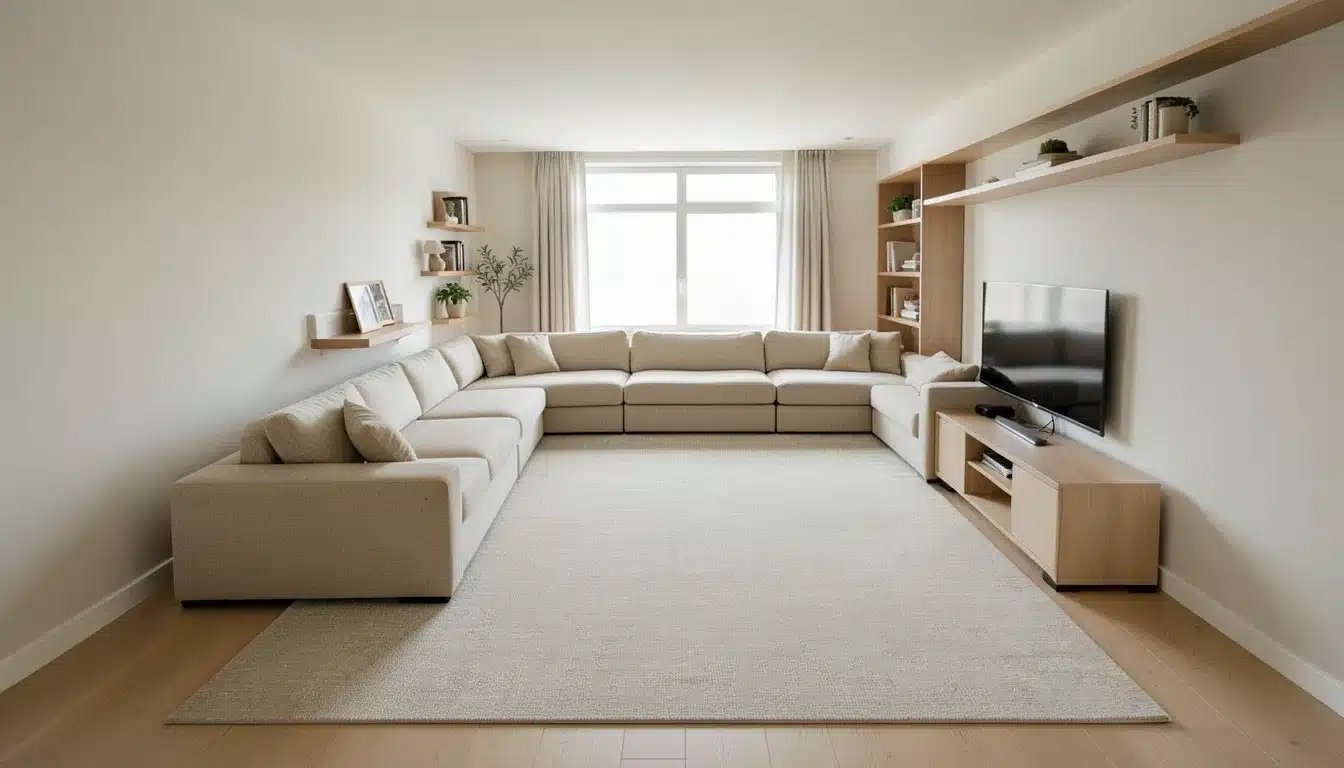
Modular sofas and shelving units let you change the configuration of your space whenever your needs shift. Individual sofa sections connect to form different arrangements for movie nights, gatherings, or everyday lounging. This works especially well in long rooms that serve multiple purposes throughout the week.
- Best For: Renters, growing families, and anyone who likes to refresh their space regularly without replacing furniture.
- Key Consideration: Choose pieces with clean lines and neutral tones. They work well in multiple configurations without the room looking cluttered or mismatched.
How to Arrange Furniture in a Long Rectangular Living Room?
Knowing where to start makes the whole process far less overwhelming. Follow these steps in order, and the layout will come together more quickly than you expect.
Step 1: Decide on the TV wall first. The short wall works best. Everything else in the room follows from this one starting decision.
Step 2: Place the sofa facing the TV. Float it slightly away from the wall. Keep the distance between the sofa and the TV screen between 7 and 11 feet for comfortable viewing.
Step 3: Add secondary seating. Bring in accent chairs or a loveseat. Angle them toward the TV without blocking the walking path through the room.
Step 4: Place a rug under the seating area. Use one large enough to sit under the front legs of all main furniture pieces. This ties the whole zone together visually.
Step 5: Address the second half of the room. A bookshelf, a reading chair, or a small side table gives the far end of the room a clear reason to exist.
Step 6: Check all walking paths. Leave at least 3 feet of clear space between and around all furniture pieces. Walk through the room yourself before you commit to anything.
Common Mistakes People Make in Long Living Rooms
A few repeated errors account for most of the layout problems people run into with long rooms. Spotting these early saves a lot of time and rearranging later.
| Common Mistake | What Happens | What to Do Instead |
|---|---|---|
| Pushing all furniture against the walls | Creates a cold, hallway-like feel with no clear center | Float the sofa at least 12 to 18 inches from the wall |
| Using one small rug | Makes the room look disconnected and even longer | Use a large rug that fits under all main pieces in the seating zone |
| Placing the TV on the long wall | Leaves the seating area looking lost and off-center | Move the TV to the short wall for a clear focal point |
| Buying oversized furniture | Closes off the space in a narrow room quickly | Choose slim-profile sofas and chairs suited to the room’s actual width |
| Leaving the far end of the room empty | Makes the space feel unfinished and wastes usable area | Add a reading chair, desk, or low shelving unit to complete the room |
| Using only one overhead light | Flattens the room and makes TV viewing uncomfortable | Layer floor lamps, table lamps, and pendant lights throughout the space |
Tips for a Long Rectangular Living Room Layout with TV
These tips are short. But each one makes a genuine difference in how the room looks and feels day to day.
- Put the TV on the short wall. This is the single most effective change you can make in a long rectangular living room.
- Float your sofa. Pull it at least 12 inches from the wall, and the room instantly feels more considered.
- Mix rug shapes. A rectangle under the TV zone and a round rug elsewhere break up the long horizontal lines of the space.
- Go taller with decor. Tall shelves, high wall art, and pendant lights draw the eye upward, making a narrow room feel wider.
- Add a console behind the sofa. It fills the gap between the floating sofa and the wall and gives you a useful surface, too.
- Use dimmable lights. Bright for daytime, soft for TV time. This single change improves both comfort and atmosphere.
- Bring in curved shapes. Round coffee tables, arched mirrors, and curved chairs soften the boxy feel of a rectangular space.
- Do not match your rugs. Two identical rugs in a long room make it look even longer. Vary the texture, shape, or tone between zones.
- Leave 3 feet of clear walking space. Good flow through the room matters more than fitting in one extra piece of furniture.
How to Choose the Right TV Size for a Long Room?
For a long rectangular room, a slightly larger screen often looks and feels better than a smaller one. The general rule is to sit roughly 1.5 to 2.5 times the diagonal screen size away from the TV.
For a 65-inch screen, that means seating should sit between 8 and 13 feet from the wall.
Long rooms naturally give you that depth, which means you have more freedom to go larger without it feeling out of scale.
A TV that is too small for the wall it hangs on will look out of place and leave the room feeling unfinished.
Closing Remarks
A well-planned, long, rectangular living room layout with a TV does not have to be complicated.
Start with the TV on the short wall. Float your sofa. Anchor the seating area with a large rug. Then give the second half of the room a clear purpose.
These steps are small individually. Together, they change how the room feels and how much time you actually want to spend in it.
Pick one idea from this guide. Try it this weekend. Then leave a comment below and tell us which layout worked best for your space. We would love to hear what made the biggest difference in your home.